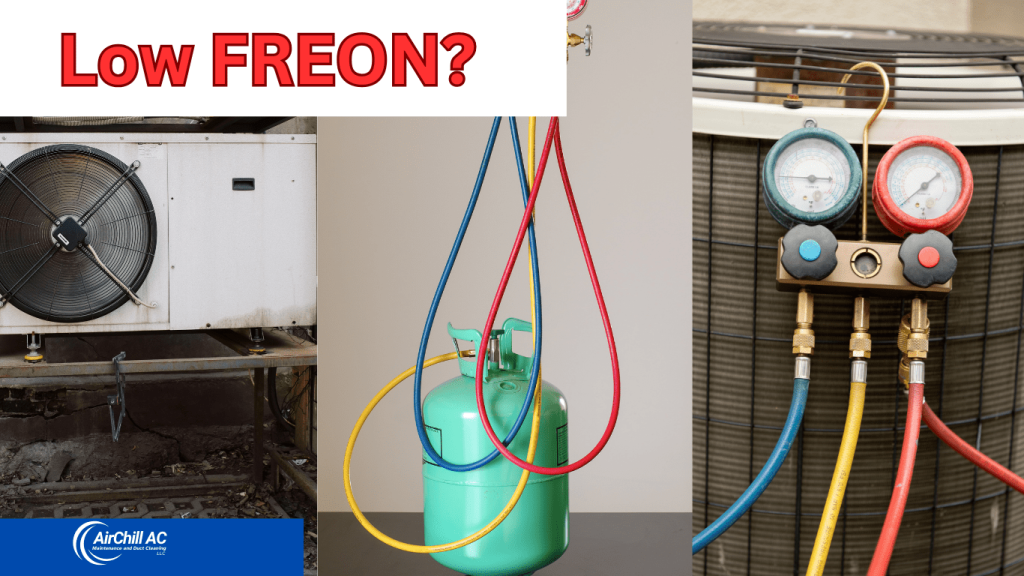
Is your air conditioner not cooling like it used to? You might be wondering if it needs Freon.
Knowing when your AC is low on Freon can save you from uncomfortable heat and costly repairs. You’ll learn simple signs to watch for and easy ways to check if your air conditioner needs a Freon refill. Keep reading to make sure your home stays cool and comfortable all summer long.
Common Signs Of Low Freon
Freon is the coolant that helps your air conditioner keep your home cool. When your AC runs low on Freon, it cannot cool properly.
Recognizing the signs of low Freon early can save your system from damage and keep your home comfortable.
Reduced Cooling Efficiency
One of the first signs of low Freon is reduced cooling power. Your air conditioner may run longer but cool less.
- Rooms take longer to cool down
- Air does not feel as cold as usual
- Thermostat settings need to be lower to feel cool
Ice Formation On Coils
Low Freon causes the evaporator coils to get too cold. This leads to ice buildup on the coils.
| Problem | Cause | Effect |
| Ice on Coils | Low Freon levels | Reduced cooling and airflow |
| Frozen Pipes | Low refrigerant | Possible system damage |
| Cold Spots | Uneven cooling | Discomfort in home |
Hissing Or Bubbling Sounds
Hissing or bubbling noises near your AC unit can mean Freon is leaking. These sounds often come from the refrigerant lines.
- Continuous hissing near the indoor or outdoor unit
- Bubbling or gurgling noises from refrigerant pipes
- Unusual sounds while the AC runs

Credit: www.lochardplumbingheatingandcooling.com
Checking Air Conditioner Performance
Your air conditioner needs Freon to cool your home. Without enough Freon, it cannot work well.
Checking how your air conditioner performs helps you know if it needs more Freon. Watch for signs that show poor cooling.
Warm Air From Vents
When your AC blows warm air instead of cool air, it may be low on Freon. The cold air depends on the Freon to cool the air.
Warm air from vents means the cooling system is not working right. Check if the air is not cold enough even on high settings.
Longer Running Cycles
Your AC should cool quickly and then turn off. If it runs for a long time, it may be low on Freon.
Longer cycles mean the system works harder to cool your home. This happens when there is not enough refrigerant inside.
Increased Energy Bills
Low Freon makes your air conditioner use more electricity. This causes your energy bills to rise.
If you notice higher bills without changes in use, your AC might need a Freon refill.
Physical Inspection Tips
Checking your air conditioner for Freon issues starts with a simple physical inspection. You can look for signs that suggest your AC might need more refrigerant.
Pay attention to the parts that hold and move the refrigerant. Small issues here can show if your AC is low on Freon.
Inspecting The Refrigerant Lines
Look closely at the refrigerant lines outside your home. These are usually copper tubes wrapped in insulation.
If the insulation looks damaged or wet, it might mean the Freon is leaking. Cold spots on the lines can also be a sign of low refrigerant.
- Check for cracks or holes in the insulation
- Feel for unusually cold or warm spots on the tubes
- Look for frost or ice buildup on the lines
Look For Oil Leaks
Freon leaks often cause oil to escape from the AC system. Oil helps lubricate the parts inside the unit.
Check around the refrigerant line connections and the outdoor unit for oily spots or stains. These marks usually show where Freon is leaking.
- Inspect line connections for oily residue
- Look under the outdoor unit for oil puddles
- Oil stains near the compressor can also indicate leaks
Examine The Compressor
The compressor is the main part that pumps Freon through the system. It is usually a large metal cylinder in the outdoor unit.
Look for signs like unusual noises, oil spots, or rust on the compressor. These signs can mean the compressor is working hard due to low Freon.
- Listen for loud or strange sounds from the compressor
- Check for oil leaks or wet spots on its surface
- Look for rust or corrosion that may affect function

Credit: morelliair.com
Using Tools To Detect Freon Levels
Freon is a key part of your air conditioner. It helps cool the air inside your home. If the Freon level is low, your AC won’t work well.
Using special tools can help you check the Freon level. These tools show if your AC needs more Freon or has a leak.
Pressure Gauge Readings
A pressure gauge measures the Freon pressure inside the AC system. Low pressure usually means low Freon levels.
You connect the gauge to the service port of your AC unit. It shows the pressure in PSI or bars. Compare the reading to normal values for your AC model.
- Low pressure means possible Freon leak
- Normal pressure shows proper Freon level
- High pressure may indicate other problems
Electronic Leak Detectors
Electronic leak detectors find Freon leaks by sensing gas in the air. They beep or light up near a leak.
Move the detector slowly around AC pipes, valves, and joints. The detector alerts you if it finds Freon gas escaping.
- Detects small Freon leaks quickly
- Easy to use around the AC system
- Helps prevent bigger Freon loss problems
When To Call A Professional
If your air conditioner is not cooling well, it may need more Freon. Low Freon can cause your AC to blow warm air.
Some signs show you should call a professional to check the refrigerant levels and fix the problem safely.
Handling Refrigerant Safely
Refrigerants like Freon are chemicals that need careful handling. They can harm the environment and your health if released incorrectly.
Professionals have the right tools and training to work with refrigerants safely. They follow rules to protect you and the environment.
Avoiding Diy Risks
Trying to add Freon yourself can cause damage to your AC or cause leaks. It might also void your warranty.
Only trained technicians should handle refrigerants. Calling a professional prevents accidents and ensures your AC works well again.

Credit: www.georgiaairrepair.com
Frequently Asked Questions
How Do I Know If My Ac Is Low On Freon?
You may notice weak cooling, warm air, or longer run times. These signs often indicate low Freon levels in your AC unit.
Can I Add Freon To My Ac Myself?
Adding Freon requires certification and proper tools. It’s safest to hire a licensed HVAC technician to avoid risks and ensure correct handling.
What Causes Freon Leaks In Air Conditioners?
Common causes include damaged coils, faulty valves, or loose fittings. Regular maintenance helps detect leaks early and prevents Freon loss.
Is Low Freon Harmful To My Ac System?
Yes, low Freon can cause compressor damage and reduce efficiency. It’s important to fix leaks and recharge Freon promptly.
Conclusion
Checking your air conditioner for Freon problems saves money and stress. Watch for weak cooling, ice buildup, or strange noises. These signs often mean Freon needs a refill. Acting fast keeps your home cool and your system healthy. Regular checks help avoid big repairs later.
Trust your instincts if something feels off. Call a professional to test and fix Freon levels safely. Stay comfortable all summer long with proper care. Simple steps make a big difference in AC performance.