Are you unsure about what headlight your car needs? Choosing the right headlight is more important than you might think.
The right one can improve your safety, save you money, and even enhance how your car looks. But with so many options out there, it’s easy to feel overwhelmed. Don’t worry—you’re in the right place. This guide will help you understand exactly what to look for so you can make the best choice for your vehicle and your driving needs.
Keep reading to find the perfect headlight for your car.
Types Of Headlights
Choosing the right headlight for your car is important. Different headlights offer different brightness and efficiency.
Here are the main types of headlights you may find on cars today.
Halogen Bulbs
Halogen bulbs are the oldest and most common headlights. They use a tungsten filament and halogen gas to produce light.
They are affordable and easy to replace but use more energy than newer types.
- Cost-effective
- Warm light color
- Shorter lifespan
- Less energy efficient
Led Headlights
LED headlights use light-emitting diodes to create bright light. They are more energy efficient than halogens.
LEDs last longer and provide better visibility on the road.
- Energy saving
- Long lifespan
- Bright and clear light
- Usually cost more initially
Hid Xenon Lamps
HID Xenon lamps use gas discharge to create a very bright light. They produce a white or bluish light.
These headlights offer strong brightness but need special ballasts to work properly.
- Very bright light output
- Whiter light color
- Require extra components
- Higher cost than halogen
Laser Headlights
Laser headlights are the newest technology. They use lasers to create light that is very bright and focused.
Laser lights last long and can light up far distances but cost much more than other types.
- Extremely bright and focused
- Long range lighting
- High cost and complexity
- Used mostly in luxury cars
Factors Influencing Headlight Choice
Choosing the right headlight for your car is important. The right headlight improves safety and visibility.
Many factors affect which headlight suits your vehicle best. These factors help you pick the best option.
Vehicle Make And Model
Each car has specific headlight sizes and shapes. Your vehicle’s design limits your headlight options.
Some models need special bulbs or housings. Using the right fit keeps your car safe and legal.
Driving Conditions
Where and how you drive affects your headlight choice. Bright headlights help in rural areas with low light.
Foggy or rainy areas may need fog lights or yellow bulbs. City driving often works well with standard headlights.
- Rural: brighter, long-range headlights
- Foggy: fog lights or yellow tint
- City: standard or LED headlights
Legal Regulations
Local laws control what headlights you can use. They set rules on brightness and bulb type.
Check your region’s rules before buying. Using illegal headlights can cause fines or safety issues.
- Check brightness limits
- Use approved bulb types
- Follow installation rules
Budget Considerations
Headlights come in many price ranges. Higher prices often mean better technology or longer life.
Set a budget before choosing. Balance cost with quality and your driving needs.
- Basic halogen bulbs are affordable
- LED bulbs cost more but last longer
- HID bulbs offer bright light but need higher cost
How To Identify Your Current Headlight
Knowing your car’s current headlight type helps you find the right replacement. It keeps your car safe and legal on the road.
There are easy ways to check your headlight type. You can use your owner’s manual, inspect the headlight housing, or search online.
Checking The Owner’s Manual
The owner’s manual is the best place to start. It has details about your car’s lighting system and recommended bulb types.
Look for the section about headlights or exterior lights. It usually lists bulb sizes, types, and replacement tips.
Inspecting The Headlight Housing
Check the headlight housing on your car. Sometimes the bulb type is printed on the lens or near the bulb socket.
- Turn off your car and open the hood
- Find the back of the headlight assembly
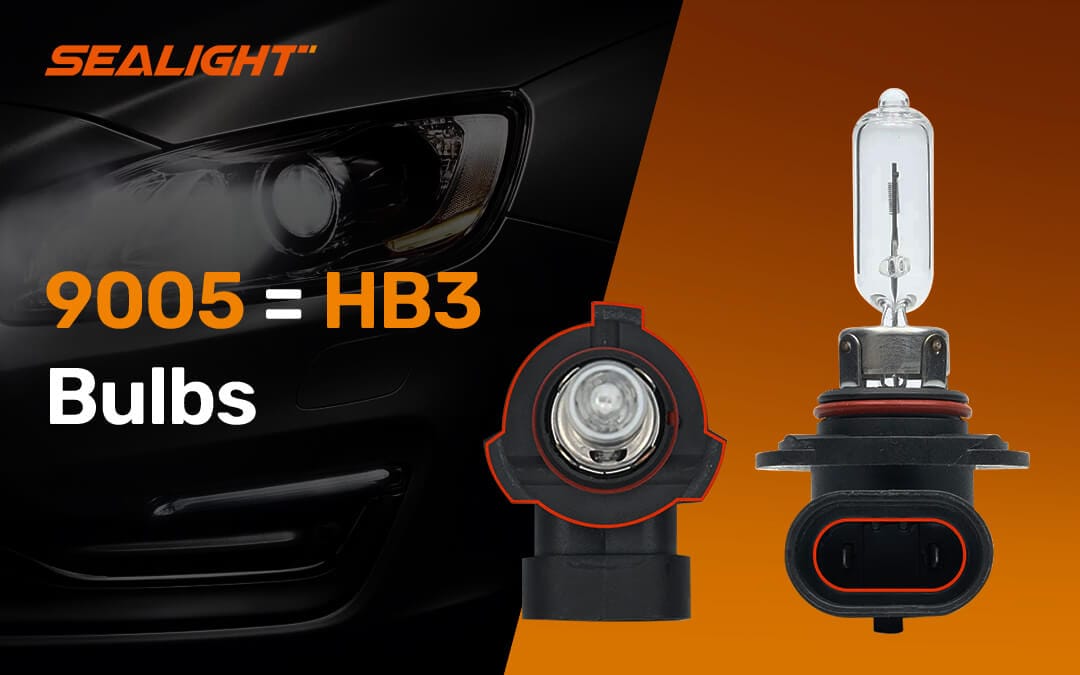
- Look for codes like H11, 9005, or LED markings
Be careful not to touch the bulb glass. Oil from your fingers can damage it.
Using Online Resources
You can use online tools to identify your headlight type. Many websites ask for your car’s make, model, and year.
- Enter your vehicle details on a bulb finder website
- Compare bulb types and prices
- Read reviews for better choices
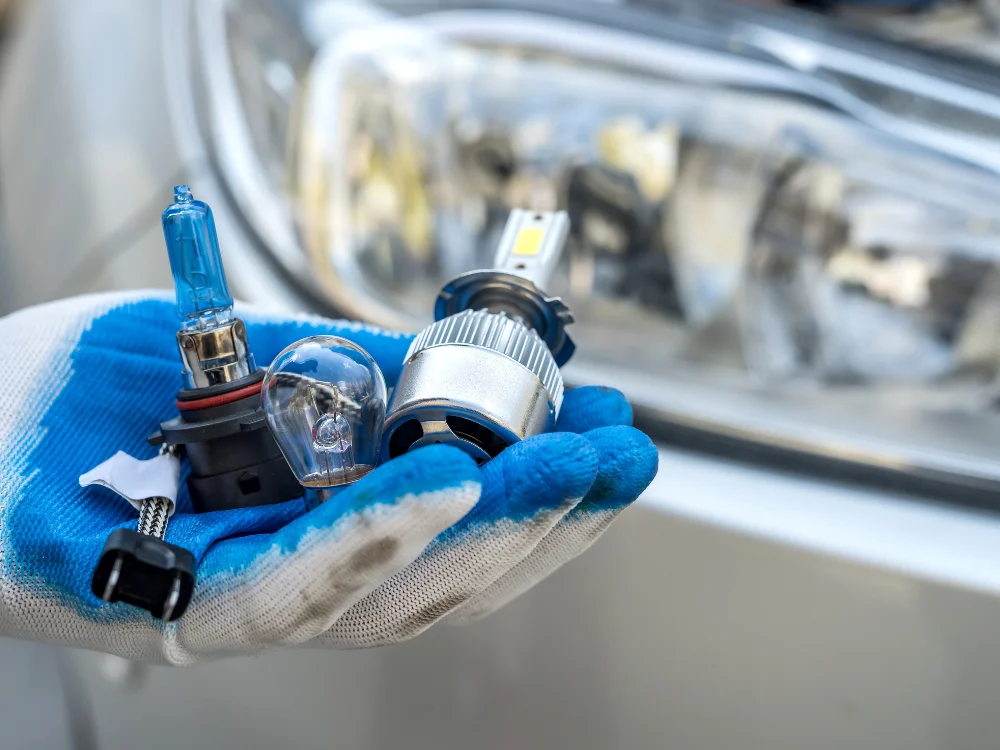
Online guides often show pictures to help you confirm the right headlight for your car.
Credit: www.naoevo.com
Benefits Of Upgrading Headlights
Upgrading your car headlights can make a big difference in your driving experience. New headlights often work better than old ones.
Better headlights help you see the road clearly and keep you safe. They also save energy and make your car look good.
Improved Visibility
Upgraded headlights give brighter and clearer light. This helps you see farther and spot obstacles early.
Good visibility reduces the chance of accidents at night and in bad weather.
- Brighter light improves night driving
- Better beam focus reduces glare
- Clearer vision in fog and rain
Energy Efficiency
New headlights use less power than old bulbs. This helps save your car’s battery and fuel.
Energy efficient headlights last longer and need fewer replacements.
- Lower power use saves battery life
- Longer bulb life means fewer changes
- Less fuel used with efficient lighting
Enhanced Vehicle Appearance
Upgraded headlights make your car look modern and stylish. They add a fresh look to the front of your vehicle.
Better design and light color can improve your car’s overall appearance.
- Sleek design updates your car’s front
- Whiter light looks cleaner and newer
- Custom styles fit your car’s look
Installation Tips And Tricks
Choosing the right headlights for your car is important for safety. Installing them correctly helps you see better at night.
This guide gives you easy steps and tips for installing headlights. Follow these to avoid common problems.
Tools You’ll Need
Before you start, gather all tools to make the job smooth. Having the right tools saves time and effort.
- Screwdrivers (flathead and Phillips)
- Socket wrench set
- Gloves to protect your hands
- New headlight bulbs or assemblies
- Owner’s manual for your car
- Clean cloth or rag
Step-by-step Replacement Guide
Replace your headlights in a safe and careful way. Follow these steps for a quick installation.
- Turn off your car and open the hood.
- Locate the back of the headlight assembly.
- Remove screws or clips holding the headlight.
- Disconnect the power connector from the bulb.
- Take out the old bulb carefully without touching the glass.
- Insert the new bulb and connect the power plug.
- Secure the headlight assembly back with screws or clips.
- Test the headlights before closing the hood.
Common Installation Mistakes To Avoid
Some mistakes can cause poor lighting or damage. Watch out for these errors during installation.
- Touching the bulb glass with bare hands, which can shorten bulb life.
- Not securing the headlight assembly tightly, causing it to move.
- Using the wrong type of bulb for your car model.
- Forgetting to reconnect the power plug properly.
- Installing headlights without turning off the car and lights.
- Not testing the headlights after installation.
Credit: sealight-led.com
Maintenance And Troubleshooting
Proper headlight maintenance keeps your car safe at night. Troubleshooting helps fix issues before they get worse.
Knowing how to care for your headlights can save money. It also ensures you see clearly while driving.
Cleaning And Care
Clean headlights improve light output and visibility. Use a soft cloth and mild soap to avoid scratches.
Regular cleaning removes dirt, bugs, and grime that block light. Avoid harsh chemicals that can damage plastic covers.
- Wash headlights every two weeks
- Use a microfiber cloth for wiping
- Apply a protective sealant if possible
Signs Your Headlights Need Replacement
Headlights lose brightness over time. If you notice dim or flickering lights, replacement may be needed.
Cracks or moisture inside the headlight also show damage. These issues reduce light efficiency and can cause failures.
- Lights are dimmer than usual
- Headlights flicker or turn off unexpectedly
- Cracks, fog, or water inside the lens
- Discolored or yellowed headlight covers
Dealing With Foggy Or Dim Lights
Foggy headlights reduce your visibility at night. Use a headlight restoration kit to clear the fog.
Dim lights may mean bulbs are old or wiring has issues. Check bulbs and connections before replacing the whole unit.
- Clean the lens with a restoration kit
- Check and replace old bulbs
- Inspect wiring and fuses for damage
- Use headlights only when necessary to extend life
Cost Comparison Of Headlight Types
Choosing the right headlight for your car means thinking about costs. Different types have different price points. This guide helps you understand these costs clearly.
We will look at initial costs, long-term expenses, and overall value. This way, you can decide what fits your budget and needs best.
Initial Purchase Price
Headlight types vary in price when you buy them. Halogen bulbs are usually the cheapest to buy. LED and HID bulbs cost more upfront.
- Halogen bulbs: low cost, easy to find
- LED bulbs: moderate to high cost, last longer
- HID bulbs: higher cost, require special equipment
Long-term Expenses
Long-term costs include bulb replacement and energy use. Halogen bulbs use more power and need more changes. LEDs use less power and last longer. HIDs also last long but can cost more to replace.
| Headlight Type | Energy Use | Average Lifespan | Replacement Cost |
| Halogen | High | 500 to 1,000 hours | $15 – $30 |
| LED | Low | 20,000+ hours | $50 – $150 |
| HID | Moderate | 2,000 to 3,000 hours | $100 – $200 |
Value For Money
Value depends on your needs and budget. Halogens save money at first but cost more over time. LEDs cost more but save energy and last longer. HIDs offer bright light but cost the most.
- Choose halogen if you want low upfront cost.
- Pick LED for long life and energy savings.
- Use HID for the brightest light and style.

Credit: www.carifex.com
Frequently Asked Questions
What Types Of Headlights Fit My Car Model?
Headlight compatibility depends on your car’s make, model, and year. Check your owner’s manual or existing headlights for exact size and type. Using the correct headlight ensures proper fit and optimal lighting performance.
How Do I Identify The Right Headlight Bulb?
Look for the bulb type printed on the base or packaging. Common types include halogen, LED, and HID. Match this with your car’s specifications to find the right replacement bulb easily and safely.
Can I Upgrade My Car Headlights To Led Or Hid?
Yes, but check if your vehicle supports LED or HID upgrades. These offer better brightness and efficiency but may require additional wiring or adapters. Always verify compatibility to avoid electrical issues.
How Often Should I Replace My Car Headlights?
Typically, headlights last between 500 to 1,000 hours of use. Replace them if brightness fades or bulbs burn out. Regular replacement ensures safety and compliance with road regulations.
Conclusion
Choosing the right headlight helps keep you safe on the road. Different cars need different types of bulbs. Check your car manual to find the correct one. Bright, clear headlights improve your night driving. Good headlights also make your car look better.
Replace old bulbs before they burn out. Proper headlights save you money and time. Always pick quality bulbs for the best performance. Now you know what headlight your car needs. Drive safely with the right light!