Are you tired of losing your fishing lure every time you cast? Knowing how to tie a fishing lure the right way can make all the difference between a successful catch and an empty hook.
It’s not just about securing your lure—it’s about improving your chances on the water and feeling confident with every cast. In this guide, you’ll learn simple, step-by-step techniques that anyone can master. Stick with me, and you’ll discover how a small change in your knot can lead to bigger, better fishing days.
Ready to tie your lure like a pro? Let’s dive in.
Choosing The Right Knot
Tying a fishing lure correctly helps keep your line strong. Picking the right knot is important for a good catch.
Different knots work better with different lures and fishing lines. Learn about popular knots to choose the best one.
Popular Knot Types
There are many fishing knots, but some are easier and stronger for tying lures. The improved clinch knot is common and simple.
The loop knot lets the lure move freely, making it look more natural. The Palomar knot is strong and fast to tie.
- Improved Clinch Knot: Easy and reliable for most lures
- Loop Knot: Allows lure to move naturally in water
- Palomar Knot: Strong and quick to tie
Knot Strength And Durability
A strong knot holds the lure and line without slipping or breaking. This helps catch bigger fish.
Some knots keep more of the line’s strength. Others lose strength but are easier to tie. Choose a knot that matches your needs.
- Palomar Knot keeps about 95% of line strength
- Improved Clinch Knot keeps around 85% of line strength
- Loop Knot may reduce strength but improves lure action
Matching Knots To Lure Types
Different lures move differently in the water. Choose knots that help your lure work well.
For hard lures like crankbaits, use knots that keep the lure steady. For soft lures, use knots that allow more movement.
- Hard Lures: Improved Clinch or Palomar knots for strong hold
- Soft Plastic Lures: Loop knot to allow natural movement
- Topwater Lures: Palomar knot for quick, strong tie

Credit: www.youtube.com
Preparing Your Line
Preparing your fishing line is essential before tying a lure. A clean and well-trimmed line helps the lure move naturally in water.
Proper line preparation reduces tangles and increases your chances of a catch. Focus on trimming and checking your line condition.
Trimming And Cleaning
Start by cutting off any damaged or frayed parts of the line. Use sharp scissors or a line clipper for a clean cut.
- Remove dirt and debris from the line surface with a soft cloth.
- Check for knots or weak spots and cut them out.
- Make sure the line end is smooth for easy knot tying.
Line Condition Tips
| Tip | Reason |
| Check line for discoloration | Sun damage weakens the line |
| Replace old line regularly | Old line breaks easily |
| Keep line dry and stored properly | Prevents mold and weakening |
| Test line strength before fishing | Ensures it holds knots and weight |
Step-by-step Knot Tying
Tying a fishing lure properly keeps it secure on your line. Good knots hold tight and help catch more fish.
Learn these simple knots to attach your lure the right way. Each knot works well with different fishing lines.
Improved Clinch Knot
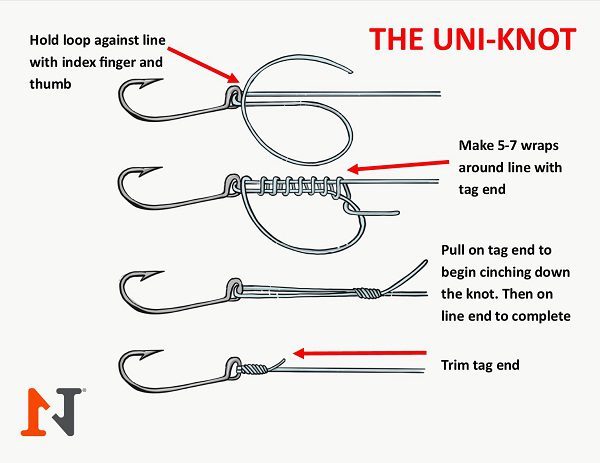
The improved clinch knot is popular for tying lures to monofilament lines. It is strong and easy to tie.
Start by threading the line through the lure eye. Wrap the tag end around the standing line five to seven times.
- Pass the tag end through the small loop near the eye
- Then pass it back through the big loop
- Moisten the knot with water or saliva
- Tighten the knot slowly by pulling the standing line
- Trim the tag end close to the knot
Palomar Knot
The Palomar knot is very strong and works well with braided and monofilament lines. It is easy to tie and reliable.
Double about six inches of line and pass the loop through the lure eye. Tie a loose overhand knot with the doubled line.
- Pass the lure through the loop at the end of the knot
- Moisten the knot to reduce friction
- Pull both the standing line and tag end to tighten
- Trim the tag end close to the knot
Loop Knot Variations
Loop knots give your lure more movement in the water. They keep the lure free to move naturally.
One common loop knot is the Rapala knot. It creates a strong, fixed loop that lets the lure swing.
- Pass the line through the lure eye twice
- Tie a loose overhand knot with the doubled line
- Pass the tag end around the standing line and back through the overhand knot
- Moisten and pull tight slowly
- Leave a small loop for lure movement
- Trim the tag end close to the knot

Credit: www.youtube.com
Common Mistakes To Avoid
Tying a fishing lure properly is key to a good catch. Many anglers make simple mistakes that weaken their knots.
Learning what to avoid helps keep your lure secure and improves your fishing success.
Overtightening
Pulling the knot too tight can damage the fishing line. It makes the line weak and easy to break.
- Gently tighten the knot until it feels snug.
- Avoid pulling hard or fast on the line.
- Check the knot for damage before casting.
Insufficient Wraps
Not wrapping the line enough times around the lure or hook weakens the knot. It can slip or come undone in water.
| Type of Line | Recommended Wraps |
|---|---|
| Monofilament | 5-7 wraps |
| Fluorocarbon | 6-8 wraps |
| Braid | 8-10 wraps |
Neglecting Wetting The Knot
Dry knots can heat up and weaken when tightened. This causes the line to lose strength and break.
To avoid this, always wet your knot before pulling it tight. Use water or saliva to lubricate the line. This helps the knot tighten smoothly and stay strong.
Testing Knot Strength
Knowing how to tie a fishing lure is important. Testing the knot strength helps avoid losing fish or gear.
Checking your knot before fishing keeps you confident that it will hold under pressure.
Tug Test Method
To test knot strength, grab the line and pull hard. This shows if the knot will slip or break.
Pull the line away from the lure with steady force. If the knot stays tight, it is strong.
- Hold the lure firmly in one hand
- Pull the line with the other hand
- Feel for any slipping or loosening
- Repeat the test a few times
Visual Inspection Tips
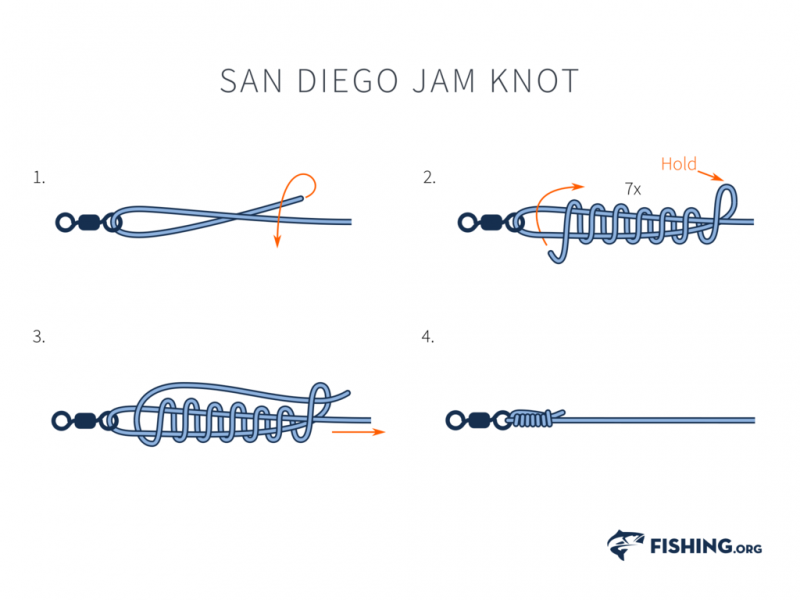
Look closely at the knot to find any mistakes or weak spots. A well-tied knot looks neat and tight.
Check for loose ends or uneven wraps. These can cause the knot to fail during fishing.
- Make sure all wraps are even
- Ends should be trimmed close to the knot
- No gaps or loose loops should be visible
- The knot should sit tight against the lure ring
Credit: medium.com
Maintaining Your Knots
Tying a fishing lure is only part of the process. Keeping your knots strong is just as important. A good knot helps catch fish and prevents losing lures.
Proper care of your knots ensures they last longer and hold tight. This saves time and money while fishing.
When To Retie
You should retie your fishing lure knot regularly. Knots can weaken over time or after catching fish.
Check your knots before every fishing trip. If the knot looks worn or feels loose, retie it. Also, after a big catch, retie to avoid breakage.
- Retie knots if they slip or loosen
- Retie after catching a large fish
- Retie before each new fishing trip
- Retie if the line shows wear or damage
Storage And Handling Advice
Proper storage keeps your knots and lines in good shape. Avoid sharp bends or pressure on the knots when storing your gear.
Handle your fishing line carefully. Rough handling can weaken knots and lines, causing failures during fishing.
- Store rods with lures tied loosely
- Keep fishing lines dry and clean
- Avoid folding or crushing lines
- Use line spools or holders to prevent tangles
- Check knots after storage for any damage
Frequently Asked Questions
How Do You Tie A Fishing Lure Securely?
To tie a fishing lure securely, use strong knots like the improved clinch knot. Moisten the line before tightening to avoid friction damage and ensure a tight, reliable hold.
What Is The Best Knot For Fishing Lures?
The improved clinch knot is the best for fishing lures. It offers strong holding power and is easy to tie, making it ideal for most fishing lines and lures.
Can I Tie A Fishing Lure With Braided Line?
Yes, you can tie a fishing lure with braided line. Use knots like the Palomar knot for braided lines to ensure a strong, slip-resistant connection.
How Tight Should The Knot Be When Tying Lures?
The knot should be tight enough to prevent slipping but not too tight to weaken the line. Always moisten the knot before pulling it tight for best results.
Conclusion
Tying a fishing lure is a simple skill anyone can learn. Practice the steps until your knots feel secure and tight. A well-tied lure improves your chances of catching fish. Choose the right knot for your fishing line and lure type.
Take your time and check your work before casting. With patience, your fishing experience will become more enjoyable. Keep learning and trying new knots to find what works best. Fishing becomes easier and more fun with good knot skills.