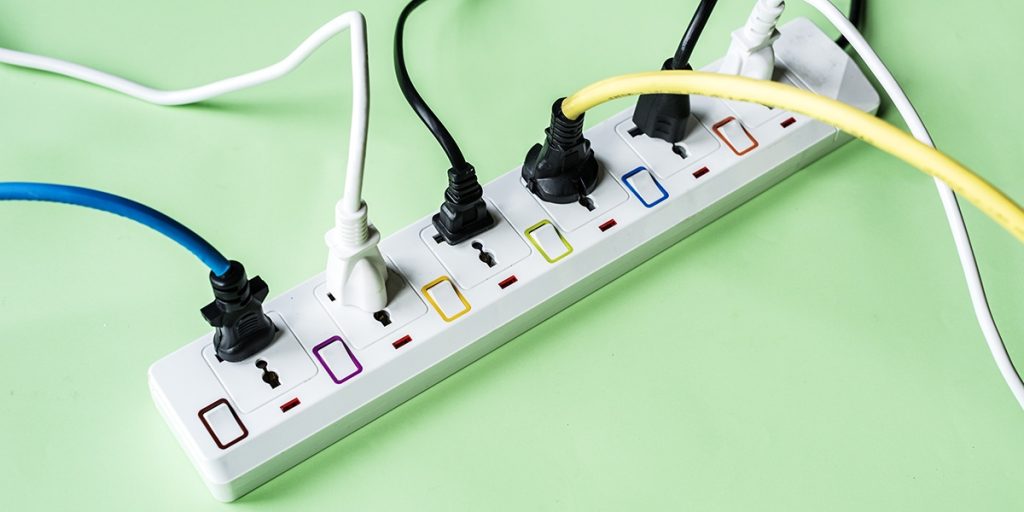
Are you wondering if you can plug your air conditioner into a power strip? It’s a question many people ask when trying to find a quick and easy way to cool their space.
But before you reach for that power strip, it’s important to know the risks and what could happen to your air conditioner—and your safety. You’ll discover why plugging an air conditioner into a power strip might not be as simple or safe as it seems.
Keep reading to protect your home and make the right choice for your cooling needs.
Air Conditioner Power Needs
Air conditioners use a lot of electricity to cool your home. It is important to know their power needs before plugging them in. This helps avoid electrical problems and keeps your unit running safely.
Understanding wattage and amperage helps you pick the right power source. Also, knowing the difference between starting and running power keeps your setup stable.
Typical Wattage And Amperage
Most small air conditioners use between 500 and 1500 watts. Larger window units can use up to 2000 watts or more. The amperage depends on the voltage and wattage.
| Air Conditioner Size | Typical Wattage | Typical Amperage (120V) |
|---|---|---|
| Small (5,000 BTU) | 500 – 600 W | 4 – 5 A |
| Medium (8,000 BTU) | 800 – 1,200 W | 7 – 10 A |
| Large (12,000 BTU) | 1,200 – 1,800 W | 10 – 15 A |
| Extra Large (18,000 BTU) | 1,800 – 2,200 W | 15 – 18 A |
Starting Vs Running Power
Air conditioners need more power to start than to keep running. This surge can be two to three times the normal running wattage. Power strips often cannot handle this spike.
- Starting power lasts a few seconds
- Running power is steady during operation
- Power strips may overheat or fail with high surge
- Use a dedicated outlet for best safety

Credit: northnjhvac.com
Power Strips And Their Limits
Many people wonder if they can plug an air conditioner into a power strip. Air conditioners use a lot of electricity. Power strips have limits on how much power they can handle.
Using a power strip beyond its limit can cause problems. It is important to know the ratings and risks before plugging in heavy devices.
Common Power Strip Ratings
Power strips usually have labels showing their maximum current and voltage. Most common power strips support 15 amps and 120 volts in the US.
This means they can handle about 1800 watts of power. Some power strips have built-in circuit breakers to stop overloads.
- 15 amps × 120 volts = 1800 watts maximum
- Lower ratings exist for smaller power strips
- Circuit breakers may trip if overloaded
- Check the label on your power strip before use
Risks Of Overloading
Plugging an air conditioner into a power strip can cause overload. Air conditioners often use more power than a strip can handle. This may cause the power strip to overheat.
Overheating can lead to fires or damage to your device and home wiring. The power strip’s fuse or breaker may trip, shutting off power suddenly.
- Overload causes overheating and fire risk
- Power strips are not designed for heavy appliances
- Air conditioners usually need direct wall outlets
- Use correct outlets to avoid electrical hazards
Dangers Of Using Power Strips For Ac Units
Plugging an air conditioner into a power strip can cause serious problems. Air conditioners use a lot of electricity. Power strips are not made to handle such high power.
This can lead to risks like fire, damage to the AC, and even voiding the warranty. It is important to know why power strips are unsafe for AC units.
Fire Hazards
Power strips can overheat when used with air conditioners. The AC pulls more current than a power strip can safely handle. This can cause the power strip to melt or catch fire.
Electrical fires are dangerous and can cause serious damage to your home. Using a power strip with an AC increases the risk of such fires.
- Power strips are not designed for high power devices
- Overheating can cause fires
- Fire risk increases with long use
Electrical Damage
Power strips may not deliver steady power needed by air conditioners. This can cause electrical surges or drops. Such fluctuations can damage the AC’s motor and controls.
Repeated electrical damage reduces the lifespan of your air conditioner. It may also lead to costly repairs or early replacement.
- Power strips can cause unstable power flow
- Electrical surges harm AC components
- Damage may lead to expensive repairs
Warranty Issues
Many air conditioner warranties do not cover damage caused by improper use. Plugging the AC into a power strip is often considered improper use. This may void your warranty.
If your AC breaks and you used a power strip, the manufacturer might refuse to fix it for free. Always follow the warranty rules and plug the AC directly into a wall outlet.
- Warranty may not cover damage from power strips
- Using power strips can void your AC warranty
- Direct wall outlet use is usually required

Credit: www.hickoryheatingandcooling.com
Safe Alternatives For Ac Power
Plugging an air conditioner into a power strip is not safe. Air conditioners draw a lot of power. Using the wrong outlet or extension can cause fires or damage.
There are better ways to power your AC safely. This guide explains some safe alternatives to consider for your air conditioner.
Dedicated Outlets
A dedicated outlet is made only for your air conditioner. It keeps the power steady and prevents overloads. Many air conditioners need a 20-amp outlet for safe use.
Using a dedicated outlet helps avoid tripped breakers and electrical fires. Always check your AC’s power needs before plugging it in.
Heavy-duty Extension Cords
If you must use an extension cord, pick a heavy-duty one. It should support high power and have thick wires. Thin cords can overheat and cause hazards.
- Choose cords rated for at least 15 amps
- Look for cords labeled for outdoor or appliance use
- Keep the cord short to reduce power loss
- Check the cord for damage before use
Professional Electrical Upgrades
For long-term safety, hire an electrician. They can install special circuits for your air conditioner. This upgrade handles high power safely and meets code.
| Upgrade Type | Benefit | Cost Range |
| Dedicated 20-amp Circuit | Prevents overload and power drops | $150 – $400 |
| Upgraded Breaker Panel | Supports multiple heavy appliances | $500 – $1,200 |
| High-Capacity Outlet Installation | Safe power for large AC units | $100 – $300 |
Tips For Proper Ac Installation
Installing an air conditioner correctly keeps your home cool and safe. Proper setup prevents electrical problems.
Follow these tips to ensure your AC works well without risking damage or hazards.
Checking Outlet Capacity
Make sure the outlet can handle your air conditioner’s power needs. Most AC units need a dedicated outlet with enough amps.
| AC Unit Size | Recommended Outlet Capacity |
| Small (up to 8,000 BTU) | 15 amps |
| Medium (8,000–12,000 BTU) | 20 amps |
| Large (over 12,000 BTU) | 30 amps or more |
Avoiding Shared Circuits
Do not plug your air conditioner into outlets that share circuits with other heavy devices. This can cause circuit overloads and tripped breakers.
- Check if other devices use the same circuit.
- Use a dedicated circuit for the air conditioner.
- Consult an electrician if unsure about your home wiring.
Regular Maintenance
Keep your AC unit clean and well-maintained. This helps it run efficiently and lowers electrical risks.
- Clean or replace filters every month during use.
- Inspect electrical cords for damage.
- Schedule yearly professional check-ups.
- Remove dust and debris from vents and coils.

Credit: www.realtor.com
When To Call An Electrician
Plugging an air conditioner into a power strip can be risky. It may cause electrical problems or damage your unit.
Knowing when to call an electrician helps keep your home safe. Watch for signs that show your wiring or outlets need help.
Signs Of Electrical Issues
Electrical problems often show clear signs. These signs mean you should stop using the power strip for your air conditioner and get an expert to check.
- Frequent circuit breaker trips
- Outlets or plugs feel hot
- Flickering or dimming lights when the air conditioner runs
- Buzzing or crackling sounds near outlets
- Burning smell from outlets or power strips
Upgrading Home Wiring
Older wiring may not handle the power needs of modern air conditioners. An electrician can help decide if your home wiring needs an upgrade.
| Reason | Benefit of Upgrade |
| Wiring too old | Reduces fire risk |
| Insufficient outlets | Provides safe power access |
| Low electrical capacity | Prevents breaker trips |
| Damaged wiring | Ensures reliable power |
Frequently Asked Questions
Can I Use A Power Strip For Ac?
No, it’s not recommended to use a power strip for an AC. Air conditioners require more power than most power strips can handle. This can lead to overheating and potential fire hazards. Always plug air conditioners directly into a wall outlet for safety.
Why Can’t I Plug Ac Into A Power Strip?
Air conditioners draw high current, which power strips can’t support. Using a power strip may cause overheating. This can lead to fire risks. It’s safer to plug the AC directly into a wall outlet.
What Happens If Ac Is Plugged Into A Power Strip?
Plugging an AC into a power strip can overload it. This might cause overheating and even fire. Power strips aren’t designed for high-power devices like air conditioners. For safety, always use a dedicated wall outlet.
Are Power Strips Safe For Air Conditioners?
Power strips are generally unsafe for air conditioners. They can’t handle the high current required by ACs. This can lead to overheating and potential fire hazards. It’s best to use a dedicated wall outlet for your AC.
Conclusion
Plugging an air conditioner into a power strip is not safe. Air conditioners need a lot of power. Power strips can overheat and cause fires. Always plug your air conditioner directly into a wall outlet. Use the right type of outlet for your unit.
This keeps your home safe and your air conditioner working well. Remember, safety comes first with electrical devices. Choose the right connection to avoid damage and risks. Stay cool and safe this summer.