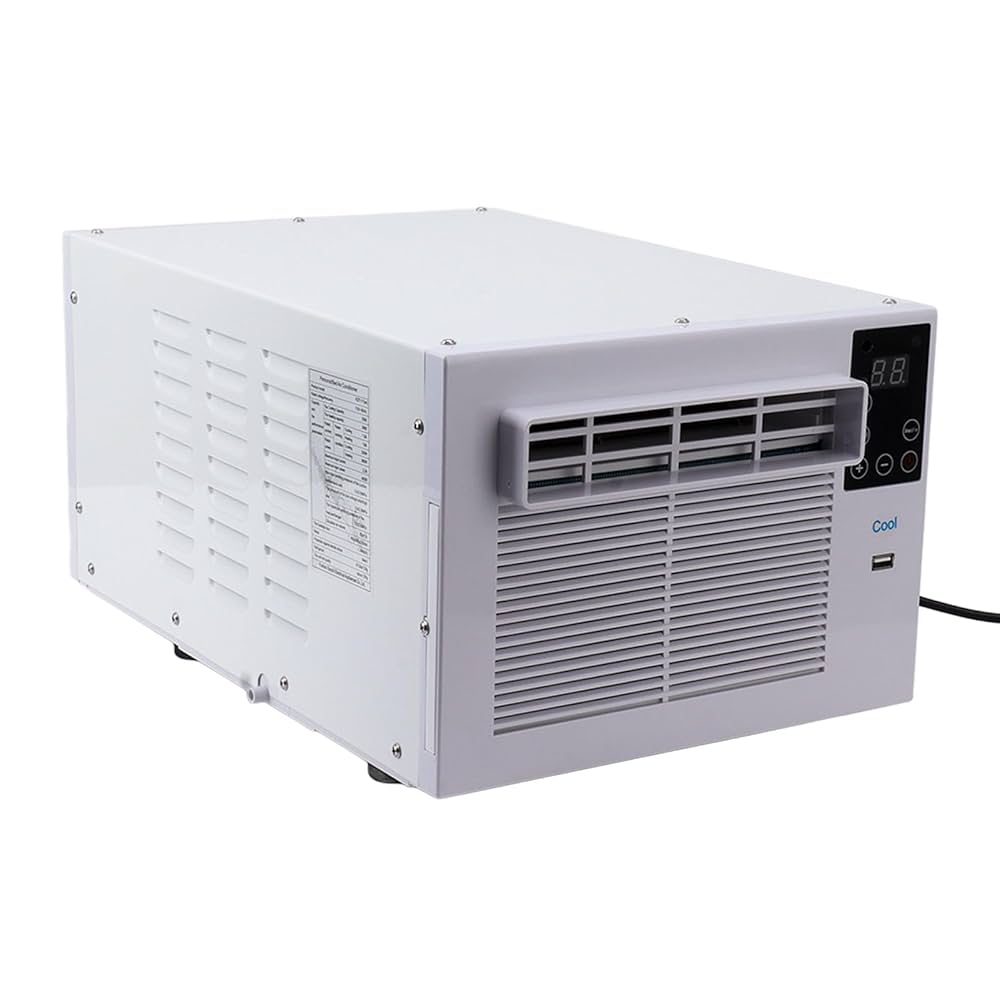
Are you feeling the heat but don’t want to commit to buying an air conditioner? You might be wondering, can you rent portable air conditioners instead?
Renting could be the perfect solution for your short-term cooling needs. Imagine staying cool and comfortable without the hassle of a big purchase or long-term commitment. You’ll discover how renting portable air conditioners works, the benefits it offers, and whether it’s the right choice for you.
Keep reading to find out how you can beat the heat without breaking the bank.
Benefits Of Renting Portable Acs
Renting a portable air conditioner is a smart choice for many people. It can help keep your space cool without a big commitment.
This option is good for those who need cooling for a short time or want to save money.
Cost Savings Compared To Buying
Renting a portable AC costs less upfront than buying one. You do not have to pay the full price at once.
This helps if you only need the AC for a short time or want to avoid a big expense.
- Lower initial cost
- No need to store the unit after use
- Good option for seasonal use
Flexibility For Short-term Needs
Renting lets you use a portable AC only when you need it. This is perfect for temporary spaces or events.
You can rent for days, weeks, or months depending on your needs. This avoids owning a unit that sits unused.
- Short rental periods available
- Easy to return when done
- Good for renters and travelers
No Maintenance Hassles
When you rent, the company usually handles maintenance and repairs. You do not have to fix or clean the unit yourself.
This saves time and avoids extra costs for parts and service.
- Maintenance included in rental
- No repair costs for you
- Professional cleaning and care
Types Of Portable Air Conditioners Available
Portable air conditioners come in different types. Each type works in a unique way to cool your space.
Knowing the types helps you choose the right unit to rent for your needs.
Single Hose Units
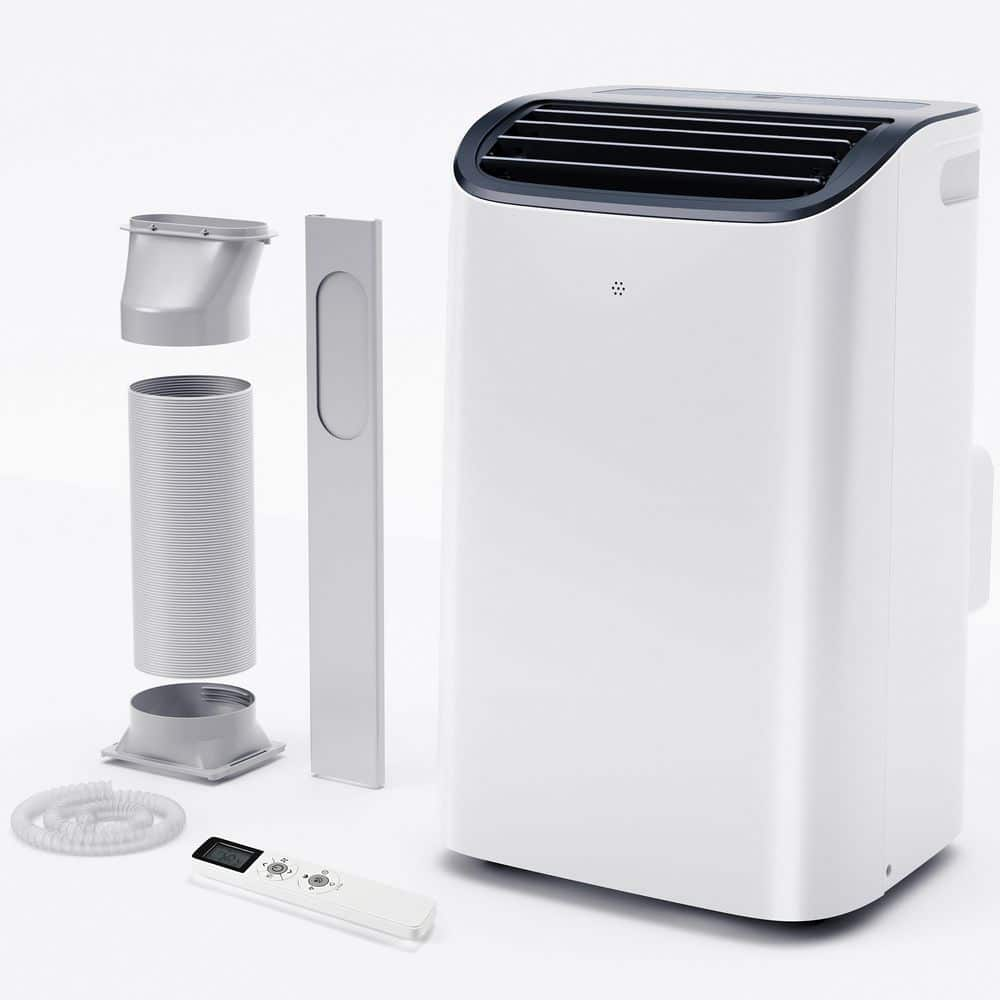
Single hose units use one hose to pull warm air from the room. They cool the air and blow warm air outside.
This type is easy to set up and works well in small rooms. It is less expensive to rent.
- One exhaust hose
- Simple installation
- Best for small rooms
- May lower room pressure
Dual Hose Units
Dual hose units have two hoses. One draws air from outside, and the other pushes hot air out.
This design cools faster and keeps air pressure balanced. It works well for larger rooms.
- Two exhaust hoses
- Better cooling efficiency
- Maintains room air pressure
- Good for bigger spaces
Evaporative Coolers
Evaporative coolers use water to cool the air. They blow cool, moist air into the room.
These units work best in dry climates. They use less energy but add humidity.
- Use water to cool air
- Best in dry areas
- Adds moisture to air
- Energy efficient
How To Choose The Right Unit
Choosing the right portable air conditioner can make your space comfortable. It helps to know what size and features you need.
This guide covers sizing your space, energy efficiency, and noise levels. These points help you pick a unit that fits your needs.
Sizing Your Space
Measure the area where you want to use the air conditioner. The size of the unit depends on the space’s square feet.
- Small rooms (up to 300 sq ft): 8,000 to 10,000 BTU units
- Medium rooms (300-500 sq ft): 10,000 to 14,000 BTU units
- Large rooms (over 500 sq ft): 14,000 BTU or more
Energy Efficiency Ratings
Look for units with good energy efficiency ratings. This lowers electricity bills and helps the environment.
| Rating Type | What It Means |
| EER (Energy Efficiency Ratio) | Higher number means less energy used |
| CEER (Combined Energy Efficiency Ratio) | Includes standby power use |
| Energy Star Certified | Meets strict energy efficiency guidelines |
Noise Levels
Check the noise level of the air conditioner. Too much noise can disturb your work or sleep.
Typical noise levels in decibels (dB):
- Quiet units: 50 dB or less
- Average units: 50 to 60 dB
- Loud units: Above 60 dB
Credit: www.homedepot.com
Where To Rent Portable Acs
Renting a portable air conditioner is a practical choice for short-term cooling needs. You can find these units at various rental places. Knowing where to look helps you get the best fit for your space and budget.
This guide covers popular places to rent portable AC units. Each option offers different benefits depending on your location and rental duration.
Local Rental Stores
Many local stores rent out portable air conditioners. These shops often serve nearby communities and provide quick pickup and returns. You can also ask staff for advice on unit size and care.
- Hardware stores
- Home improvement centers
- Appliance rental shops
- Party supply rental companies
Online Rental Services
Online rental platforms offer a wide range of portable air conditioners. These services often deliver to your home and pick up when done. You can compare models, prices, and rental periods easily.
| Service | Delivery | Rental Periods |
| Rent-A-Cooler | Yes | Daily, Weekly |
| CoolGear Rentals | Yes | Weekly, Monthly |
| Quick AC Rentals | Yes | Daily, Monthly |
Specialty Equipment Rentals
Some rental businesses specialize in equipment for events or construction sites. They often carry heavy-duty portable air conditioners. These units can cool large areas and work well outdoors.
Specialty rental companies may offer:
- Industrial portable AC units
- Climate control systems for events
- Long-term rental contracts
- Equipment setup and support
Rental Costs And Fees
Renting a portable air conditioner can save money compared to buying one. The costs depend on how long you rent and other fees. Understanding these fees helps you plan your budget well.
This guide explains common rental costs and fees. It covers daily and monthly rates, deposits, insurance, and extra charges.
Daily Vs. Monthly Rates
Rental companies usually offer two types of rates: daily and monthly. Daily rates are good for short use. Monthly rates are cheaper if you rent longer.
| Rental Period | Typical Cost Range | Best For |
| Daily | $10 – $20 per day | Short-term use (few days) |
| Monthly | $50 – $120 per month | Long-term use (weeks or months) |
Deposit And Insurance
Most rentals require a deposit. This protects the rental company if the unit is lost or damaged. Deposits vary but often range from $50 to $200.
- Deposit is refundable if the unit returns undamaged.
- Insurance may be optional or mandatory.
- Insurance covers damage beyond normal wear and tear.
- Check rental terms for deposit and insurance details.
Additional Charges
Extra fees can add to the rental cost. These include delivery, setup, and cleaning fees. Some companies also charge for filters or accessories.
Ask the rental company about any possible extra charges before renting. This avoids surprises at pickup or return.

Credit: www.thebrick.com
Setting Up Your Portable Ac
Renting a portable air conditioner is a good way to cool a room without permanent installation. Setting it up right helps the unit work well and keeps your space comfortable.
This guide covers important tips for placing your portable AC, meeting ventilation needs, and avoiding common mistakes during setup.
Placement Tips
Choose a flat surface close to a window or door for the exhaust hose. Keep the unit away from direct sunlight and heat sources.
Leave space around the portable AC for good air flow. Avoid blocking vents with furniture or curtains.
- Place near a power outlet
- Keep at least 20 inches clear around it
- Avoid corners or tight spaces
- Do not place on carpet or uneven floors
Ventilation Requirements
Portable AC units need to vent hot air outside. Use the included window kit to attach the exhaust hose to a window.
Make sure the window is sealed well around the hose to stop warm air from coming back inside.
- Install the hose with no kinks or bends
- Use foam strips to seal gaps in the window
- Do not block the hose’s airflow
- Check hose length fits your window size
Common Installation Mistakes
Many people make errors that reduce cooling or cause leaks. Avoid placing the exhaust hose too far or bending it sharply.
Do not ignore draining water. Portable ACs collect moisture and need a drain or bucket emptied regularly.
- Using a long or twisted exhaust hose
- Not sealing the window around the hose
- Blocking air intake or exhaust vents
- Forgetting to empty the water tank
Maintenance While Renting
Renting a portable air conditioner means you must care for it during use. Proper maintenance helps the unit work well and last longer.
Simple tasks like cleaning filters and fixing small problems keep the air conditioner running smoothly. Knowing when to ask for help is also important.
Cleaning Filters
Filters catch dust and dirt to keep the air clean. Dirty filters reduce the cooler’s efficiency and can cause damage.
Clean filters every two weeks or as the manual says. Use a soft brush or rinse with water. Let them dry before putting them back.
- Turn off and unplug the unit first
- Remove the filter carefully
- Brush off dust or rinse gently
- Dry the filter completely
- Replace the filter properly
Handling Minor Issues
Small problems like strange noises or weak cooling can happen. Check the power plug and settings first. Sometimes, cleaning the filter fixes the issue.
Make sure the air vents are not blocked. Move the unit to a flat surface if it is unstable. These tips help avoid bigger problems.
- Check power connection and controls
- Clean or replace filters
- Clear blocked air vents
- Place unit on a flat surface
- Avoid overusing the unit nonstop
When To Contact Support
Contact support if the air conditioner still does not work well after basic checks. Do this before the problem gets worse or the rental time ends.
Report issues like leaks, electrical faults, or strange smells. The rental company may send a technician or replace the unit if needed.
- Persistent cooling problems
- Water leaks inside or outside
- Unusual sounds or smells
- Electrical or power issues
- Damage to the unit

Credit: www.independent.co.uk
Returning The Unit
Renting a portable air conditioner is easy, but returning it needs care. You must follow the rental company’s rules to avoid trouble.
Knowing what to do before you return the unit helps you save time and avoid extra fees.
Inspection Procedures
The rental company will check the air conditioner before you return it. They look for damage, dirt, and missing parts.
Make sure the unit is clean and works well to pass the inspection smoothly.
- Check for dents or cracks
- Clean the filters and exterior
- Test if the air conditioner cools properly
- Return all accessories and manuals
Avoiding Penalties
You may pay extra if you return the unit late or damaged. Follow the rental rules to avoid these fees.
Report any issues to the rental company before returning the unit. This can help avoid penalties.
- Return the unit on time
- Keep the unit clean and undamaged
- Keep all parts and accessories
- Tell the company about any problems early
Extension Options
If you need the air conditioner longer, ask the rental company about extending the rental period. Many companies allow extensions.
Extensions may cost extra, so check the price and confirm before you agree.
- Contact the rental company early
- Ask about extra fees for extension
- Get confirmation in writing
- Return the unit on the new agreed date
Alternatives To Renting
Renting a portable air conditioner may seem like a quick fix. Yet, other options can save money and offer better comfort.
Look at choices that fit your needs without the hassle of renting. Buying or using different cooling methods could work well.
Buying Refurbished Units
Refurbished air conditioners are used units fixed to good condition. They cost less than new ones and often come with a warranty.
- Check the seller’s reputation before buying.
- Ask about the warranty period and coverage.
- Inspect the unit for any visible damage or wear.
- Consider energy efficiency ratings to save on power bills.
Using Fans And Evaporative Coolers
Fans and evaporative coolers use less energy than air conditioners. They are good for small spaces or dry climates.
| Cooling Method | Best Use | Energy Use |
| Ceiling Fan | Air circulation in rooms | Low |
| Box Fan | Portable air movement | Low |
| Evaporative Cooler | Dry and hot areas | Moderate |
Central Ac Options
Central air conditioning cools the whole house with one system. It may cost more upfront but works efficiently long term.
Benefits of Central AC:
- Even cooling throughout the home
- Better air filtration and quality
- Quiet operation compared to portable units
- Increases home value
Frequently Asked Questions
Can You Rent Portable Air Conditioners For Short-term Use?
Yes, many companies offer portable air conditioner rentals for short periods. This option suits temporary cooling needs like events or short stays. Renting saves money compared to buying and avoids storage issues after use.
How Much Does It Cost To Rent A Portable Ac?
Rental costs vary by location and duration but typically range from $30 to $60 per day. Weekly rates often offer discounts. Always check for delivery or installation fees to understand the total cost.
Are Portable Ac Rentals Available For Home Use?
Absolutely, portable AC rentals are popular for home use during hot seasons. They provide flexible cooling without long-term commitment. This is ideal for renters or those who need temporary relief from heat.
What Size Portable Ac Should I Rent?
Choose a portable AC size based on room size and cooling needs. Small rooms need units around 8,000 BTU, while larger rooms require 12,000 BTU or more. Rental providers can assist in selecting the right size.
Conclusion
Renting portable air conditioners offers a flexible cooling option. It suits short-term needs and saves money upfront. You can easily move the unit to different rooms. Rentals often include maintenance, reducing extra costs. Choose rental plans based on your usage time.
This option works well for events or seasonal use. Think about space size and cooling power when renting. Portable AC rentals provide comfort without long-term commitment. Consider this choice if you want a simple, affordable cooling solution.