Are you ready to catch more fish and make your time on the water exciting? Learning how to fish using a lure can change the way you experience fishing.
Lures are designed to attract fish by mimicking their natural prey, giving you a better chance to reel in a big catch. You’ll discover simple tips and tricks that will help you master lure fishing quickly. Whether you’re a beginner or looking to improve your skills, these easy steps will boost your confidence and success.
Keep reading to find out how you can become a smarter, more effective angler today.
Choosing The Right Lure
Fishing with a lure is a skill that can improve your catch rate. Picking the right lure depends on many factors.
This guide will help you understand different lure types, match lures to fish species, and consider water conditions.
Types Of Fishing Lures
There are many kinds of fishing lures. Each type works best in certain situations and for specific fish.
- Spinnerbaits:These have spinning blades that flash in the water.
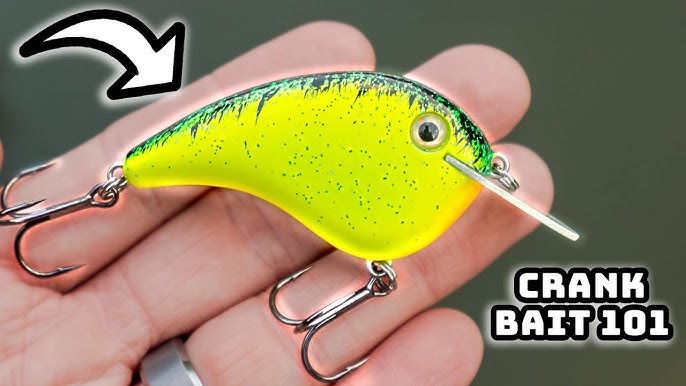
- Crankbaits:They dive and wobble to mimic small fish.
- Soft Plastics:Made from flexible material, they look like worms or insects.
- Jigs:Weighted lures with a hook and usually a soft body.
- Topwater Lures:Float on the surface and create splashes to attract fish.
Matching Lures To Fish Species
Different fish prefer different lures. Match the lure size, color, and action to the fish you want to catch.
| Fish Species | Best Lure Type | Recommended Color |
| Bass | Crankbaits, Jigs | Green, Brown, Black |
| Trout | Spinners, Soft Plastics | Silver, Gold, Orange |
| Pike | Topwater, Spinnerbaits | Bright Colors, White |
| Walleye | Jigs, Crankbaits | Yellow, Chartreuse |
Considerations For Water Conditions
Water clarity and depth affect lure choice. Bright lures work well in clear water. Darker lures suit murky water.
- Use flashy lures in clear water to catch fish attention.
- Pick lures with strong vibrations in cloudy water.
- Choose shallow-diving lures for shallow waters.
- Use deep-diving lures for fishing in deep lakes or rivers.
- Match lure color to the natural bait found in the water.

Credit: handingfishing.com
Essential Fishing Gear
Fishing with a lure needs the right tools to work well. Good gear helps you catch fish easier and enjoy your time outside.
This guide covers the basics of the gear you need for lure fishing. You will learn about rods, reels, lines, and other helpful tools.
Rods And Reels For Lure Fishing
Pick a rod that feels comfortable and matches the fish size you want. A medium-action rod is good for many lures.
Reels come in spinning and baitcasting types. Spinning reels are easier for beginners. Baitcasting reels give more control for skilled anglers.
- Choose rod length between 6 to 7 feet
- Use a spinning reel for light lures
- Baitcasting reels work well with heavy lures
- Match rod power to fish size
Line Selection Tips
Fishing line strength depends on the fish you want to catch. Use lighter lines for small fish and heavier lines for big fish.
Monofilament, fluorocarbon, and braided lines each have special uses. Monofilament is flexible. Fluorocarbon is less visible in water. Braided lines are very strong.
- Use 6-12 lb test line for most lure fishing
- Choose fluorocarbon for clear water
- Pick braided line for heavy cover or big fish
- Match line type to your reel and rod
Additional Tackle And Accessories
Besides rods, reels, and lines, other tools help you fish better. Keep your tackle organized and ready for different lures.
Use items like hooks, sinkers, pliers, and a tackle box. These tools make fishing easier and safer.
- Carry a variety of hooks for different lures
- Use split shot sinkers to control lure depth
- Bring pliers to remove hooks safely
- Use a tackle box to keep gear neat
- Have extra lure options for changing conditions
Casting Techniques
Casting is an important skill for fishing with a lure. Good casting helps you reach the right spots in the water. It also makes your lure move naturally to attract fish.
Learning different casting techniques can improve your fishing success. Practice these skills to control your lure and catch more fish.
Basic Casting Methods
Start with simple casting to build your confidence. The most common cast is the overhead cast. Hold the rod firmly, bring it back over your shoulder, and then swing it forward to release the lure.
The sidearm cast is another easy method. It works well if you have low branches or obstacles behind you. Swing the rod sideways and release the lure smoothly.
- Overhead cast: good for distance and accuracy
- Sidearm cast: useful for tight spaces
- Roll cast: ideal when you have no room to swing back
Advanced Casting Tips
Try to control your cast by adjusting your wrist and arm speed. A slower arm speed can help place the lure gently on the water. This is good for shy fish.
Practice casting to specific spots like under docks or near rocks. Use landmarks to guide your aim. This skill takes time but helps catch more fish.
- Use your wrist for better control
- Adjust your arm speed for gentle or long casts
- Focus on aiming near structures where fish hide
Adjusting Casts For Different Lures
Different lures need different casts. Heavy lures need a strong cast to reach far. Light lures need a soft cast to avoid splashing.
For spinnerbaits or crankbaits, use a steady cast. For topwater lures, use a gentle cast to keep them on the surface. Change your casting style to match the lure type.
| Lure Type | Casting Style | Reason |
|---|---|---|
| Heavy Jigs | Strong overhead cast | Reach distant spots easily |
| Light Soft Plastics | Soft sidearm cast | Avoid spooking fish |
| Spinnerbaits/Crankbaits | Steady overhead cast | Maintain lure action |
| Topwater Lures | Gentle roll cast | Keep lure on surface |
Retrieving Lures Effectively
Fishing with lures needs skill in how you retrieve them. The way you pull the lure can attract fish or scare them away.
Changing your retrieval method helps imitate injured prey and makes your lure more tempting to fish.
Varying Retrieval Speeds
Changing the speed of your lure retrieval can trigger different fish reactions. Some fish chase fast moving lures, while others prefer slow ones.
- Start slow to see if fish follow the lure
- Try medium speed to cover more water
- Use fast retrieval to provoke strikes from aggressive fish
- Mix speeds to confuse fish and keep their interest
Using Pauses And Jerks
Adding pauses and jerks during retrieval mimics the movements of injured prey. This action makes the lure look alive and easy to catch.
| Action | Effect on Lure | Fish Reaction |
| Pause | Lure stops moving | Fish strike during stillness |
| Jerk | Lure darts quickly | Fish chase fast movement |
| Pause and Jerk | Lure darts then stops | Fish attack confused prey |
Creating Lure Action
Different lures have unique actions. You can control how they move by your retrieval style and rod tip position.
- Keep the rod tip low to make the lure swim near the bottom
- Raise the rod tip to make the lure rise or jump
- Use a steady retrieve for smooth swimming action
- Use a twitching rod tip to add small movements and flashes
Reading Water And Fish Behavior
Fishing with a lure requires understanding water and fish habits. Watching the water helps you find where fish hide. Fish behavior changes with water conditions and time.
Knowing how to read these clues improves your chances of catching fish. This guide covers fish habitats, water currents, and the best times to fish.
Identifying Fish Habitats
Fish live in places that offer food and shelter. Look for rocks, plants, and deep holes where fish hide. These spots give fish safety and easy access to food.
- Near underwater structures like logs and rocks
- Close to aquatic plants and weed beds
- In deeper pools or holes along riverbanks
- Where water temperature stays steady
Observing Water Currents
Water currents move food and oxygen. Fish stay where currents bring food to them. Watch how the water flows to find good fishing spots.
| Current Type | Fish Behavior | Fishing Tip |
|---|---|---|
| Fast Current | Fish hold behind rocks or logs | Cast lures upstream and retrieve slowly |
| Slow Current | Fish spread out and feed actively | Use light lures and steady retrieval |
| Riffles | High oxygen, fish gather here | Try small, bright lures |
| Deep Pools | Fish rest and hide | Use sinking lures near the bottom |
Timing Your Fishing Sessions
Fish feed more at certain times. Early morning and late evening are best for many fish. Weather also changes fish activity.
- Fish near sunrise and sunset
- Fish during cloudy or overcast days
- Avoid fishing in bright midday sun
- Check moon phases for feeding patterns
Credit: www.battlbox.com
Common Mistakes To Avoid
Fishing with a lure can be fun and rewarding. Many anglers make simple mistakes that reduce their chances of success.
Knowing what to avoid helps you catch more fish and enjoy your time on the water.
Overusing One Lure
Using the same lure all the time limits your chances. Fish get used to one lure and stop biting it. Changing lures often can help you find what fish want.
- Fish react differently to lure colors and shapes.
- Water conditions affect lure effectiveness.
- Different fish species prefer different lures.
- Switch lures if you do not get bites in 15 minutes.
Ignoring Weather Changes
Weather changes affect fish behavior and lure choice. Wind, rain, and temperature shifts can make fish more or less active. Ignoring weather can waste your time.
| Weather Condition | Effect on Fish | Best Lure Type |
| Sunny and Warm | Fish near surface | Bright, flashy lures |
| Cloudy or Overcast | Fish spread out | Darker or natural colors |
| Windy | Water is choppy | Heavier lures with vibration |
| Rainy | Fish move deeper | Sinking lures |
Poor Hook Setting
Many anglers miss fish because they do not set the hook right. Setting the hook means pulling the rod to secure the fish on the lure’s hook.
- Wait until you feel a strong pull before setting the hook.
- Use a quick, firm upward motion to set the hook.
- A weak hook set lets the fish escape.
- Practice your hook setting to improve.
Maintenance And Care For Lures
Taking care of your fishing lures helps them last longer. Good maintenance keeps lures working well and looking good.
Simple cleaning, proper storage, and fixing damage will keep your lures ready for your next fishing trip.
Cleaning After Use
Rinse your lures with fresh water after each use. This removes salt, dirt, and debris that can cause rust and damage.
- Use a soft brush to clean hooks and crevices
- Dry lures completely with a cloth or towel
- Check for any stuck debris or algae
- Avoid harsh chemicals that may damage the lure’s finish
Storing Lures Properly
Store lures in a dry, cool place away from direct sunlight. This prevents fading and corrosion.
| Storage Tip | Benefit |
| Use tackle boxes with separate compartments | Keeps lures organized and prevents tangling |
| Place silica gel packs nearby | Absorbs moisture to reduce rust |
| Avoid stacking lures on top of each other | Prevents paint chipping and hook damage |
Repairing Damaged Lures
Fix small damages quickly to keep lures effective. Check hooks, paint, and split rings regularly.
- Replace rusty or bent hooks with new ones
- Use waterproof glue for minor cracks or splits
- Touch up paint with waterproof markers or paint
- Swap worn split rings to keep lures secure

Credit: www.youtube.com
Frequently Asked Questions
What Types Of Lures Work Best For Beginners?
Soft plastic lures and spinnerbaits are ideal for beginners. They are versatile, easy to cast, and attract various fish species. These lures mimic natural prey, increasing your chances of a catch. Start with these to build confidence and learn effective fishing techniques.
How Do I Choose The Right Lure Color?
Choose lure colors based on water clarity and light conditions. Bright colors work well in murky water, while natural tones suit clear water. Matching the lure color to local baitfish enhances attraction. Experiment with colors to find what fish prefer in your fishing spot.
What Is The Best Technique For Fishing With A Lure?
Use a steady retrieve with occasional pauses or twitches. This mimics injured prey, enticing fish to strike. Vary your speed and lure action to find what triggers bites. Practice different techniques to improve your lure fishing success.
Can I Use Lures In Both Freshwater And Saltwater?
Yes, many lures work in both environments, but check lure durability. Saltwater lures resist corrosion and are usually larger. Freshwater lures are lighter and designed for smaller fish. Choose lures specifically made for your fishing location for best results.
Conclusion
Fishing with a lure can be fun and rewarding. Choose the right lure for the fish you want to catch. Cast your line carefully and watch how the lure moves. Change your speed to find what attracts the fish most.
Patience and practice help you improve every time. Enjoy the calm and excitement of fishing outdoors. Keep learning new tips to catch more fish. Remember, fishing is about enjoying nature and having fun.