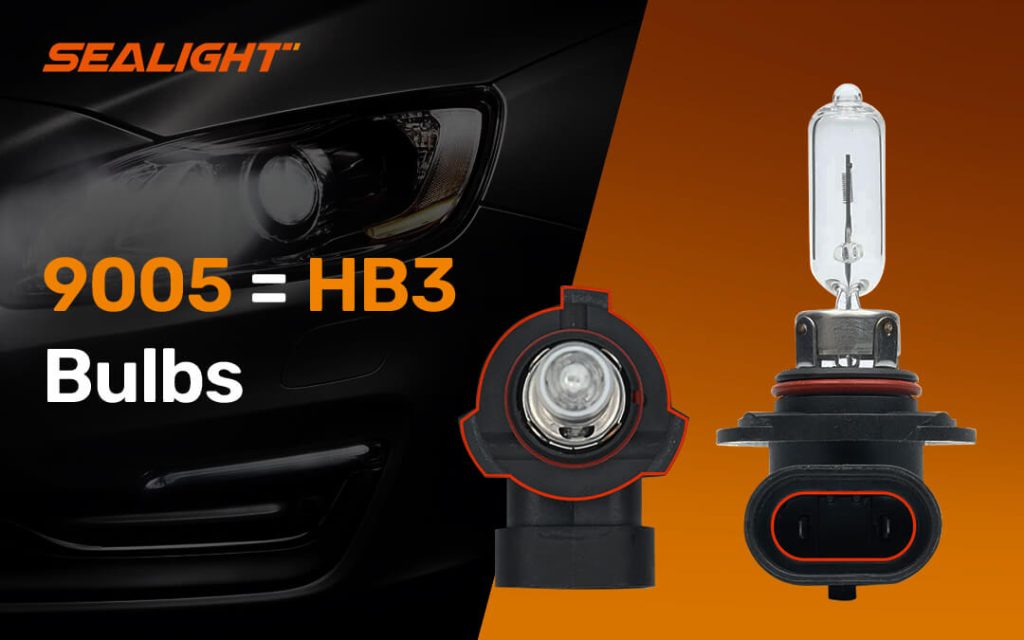
Are you struggling to find the right headlight bulb for your car? Choosing the perfect bulb can be confusing with so many options out there.
But getting the right fit is crucial—not just for clear visibility, but for your safety on the road. You’ll discover exactly how to identify the headlight bulb that matches your vehicle. By the end, you’ll feel confident and ready to replace your headlights without any guesswork.
Keep reading to make sure your car shines bright every time you drive.
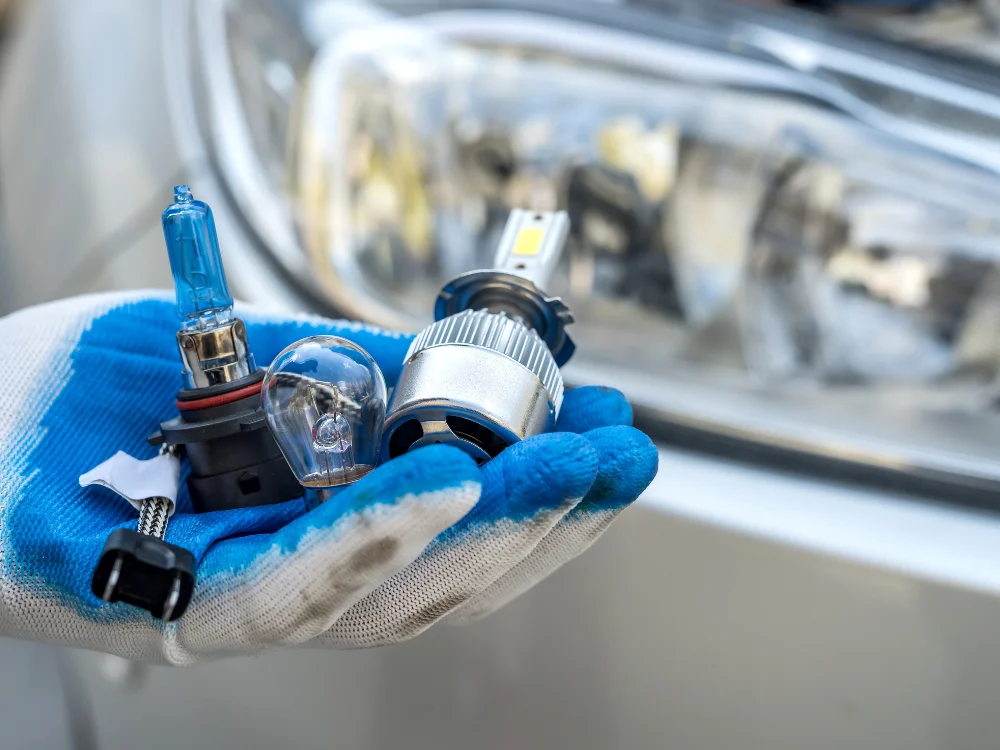
Credit: www.naoevo.com
Types Of Headlight Bulbs
Choosing the right headlight bulb is important for safety and visibility. Different cars use different types of bulbs.
This guide explains the main types of headlight bulbs you might find for your car.
Halogen Bulbs
Halogen bulbs are the most common and affordable type. They use a tungsten filament and halogen gas.
These bulbs produce a warm light and are easy to replace. They do not last as long as newer types.
- Cost-effective
- Easy to find and replace
- Shorter lifespan compared to others
- Warm light color
Led Bulbs
LED bulbs use light-emitting diodes to create bright white light. They are energy efficient.
LEDs last much longer than halogen bulbs. They also turn on instantly and resist vibrations well.
- Energy saving
- Long lifespan
- Bright, white light
- Instant on
Hid Bulbs
HID stands for High-Intensity Discharge. These bulbs use an electric arc to create bright light.
HID bulbs produce very bright, blue-white light. They use more power and need special ballasts.
- Very bright light output
- Blue-white color
- Require special equipment
- Longer lifespan than halogen
Laser Bulbs
Laser bulbs are a new type of headlight. They use lasers to create very bright light in a small space.
These bulbs offer excellent visibility and long range. They are still rare and expensive.
- Brightest light type
- Long distance illumination
- Compact size
- High cost and limited availability
How To Identify Your Bulb Type
Choosing the right headlight bulb is important for safe driving. Not all bulbs fit every car. You must know your bulb type before buying.
This guide shows simple ways to find out which bulb fits your car. Use these tips to check your bulb type quickly.
Check Owner’s Manual
Your car’s owner’s manual is the best place to start. It lists the exact bulb types used in your headlights.
Look for sections called “Lighting” or “Bulbs.” The manual often gives bulb codes and sizes you need.
- Find the bulb size or code (like H7, 9005, or 1156)
- Check if the manual shows bulb wattage
- Note if the bulb is for high or low beam
Inspect Existing Bulb
Look at the bulb currently in your headlight. It usually has numbers or letters on it that show the type.
Remove the bulb carefully. Check the base or glass for the bulb code. This code tells you the exact type.
- Handle bulbs with care and avoid touching glass
- Look for stamped codes like H1, H4, or 9006
- Write down the code for easy reference
Use Online Tools
Many websites help you find the right bulb by entering your car’s make, model, and year. These tools show your bulb options.
They give you bulb codes and sometimes pictures. This makes buying the correct bulb easier.
- Enter your car details accurately
- Check the bulb type recommended by the tool
- Compare options for better choices
Factors To Consider When Choosing Bulbs
Choosing the right headlight bulb for your car is important. The right bulb improves your safety on the road.
Many factors affect which bulb fits your car and works best. Consider these key points before buying.
Brightness And Visibility
Brightness matters for seeing the road clearly at night. A brighter bulb helps you spot obstacles faster.
Look for bulbs that meet your car’s brightness requirements. Too bright can blind other drivers.
Color Temperature
Color temperature affects how the light looks. It is measured in Kelvins (K).
Lower K values give yellow light, which cuts through fog well. Higher K values give white or blue light, which looks modern.
- 3000K: Warm yellow light, good for fog
- 4300K: Bright white light, common for headlights
- 6000K: Cool white with blue tint, stylish but less clear
Durability And Lifespan
Durability means how well the bulb handles road conditions. Lifespan shows how long the bulb lasts.
Long-lasting bulbs save money and reduce replacements. Check the bulb’s rated lifespan before buying.
- Halogen bulbs: Short lifespan, less durable
- LED bulbs: Long lifespan, very durable
- HID bulbs: Moderate lifespan, sensitive to shocks
Energy Efficiency
Energy-efficient bulbs use less power from your car battery. This helps your car run better.
LED bulbs use the least energy. Halogen bulbs use the most. Consider energy use if you drive a lot.
- LED bulbs: High efficiency, low power use
- HID bulbs: Moderate efficiency, more power than LED
- Halogen bulbs: Low efficiency, high power use
Step-by-step Bulb Replacement Guide
Replacing a headlight bulb can be simple with the right steps. This guide helps you change your car’s bulb safely.
Follow each part carefully to fit the correct bulb and keep your headlights bright.
Gathering Necessary Tools
Before starting, get all tools ready. This saves time and makes the job easier.
- New headlight bulb that fits your car
- Screwdriver (usually flat or Phillips)
- Gloves to keep oils off the bulb
- Owner’s manual for bulb type and location
Removing Old Bulb
Turn off your car and open the hood. Find the back of the headlight assembly.
Remove the power connector from the bulb carefully. Use a screwdriver if needed to take off any covers.
- Wear gloves to avoid touching the bulb glass
- Twist or unclip the bulb holder to free the old bulb
- Pull the bulb out gently without forcing
Installing New Bulb
Handle the new bulb with gloves to avoid fingerprints. Align it with the bulb holder slots.
Push the bulb into place and secure it by twisting or clipping. Reattach any covers you removed earlier.
- Do not touch the glass part of the bulb
- Make sure the bulb fits snugly
- Reconnect the power connector firmly
Testing The New Bulb
Turn on your car lights to check if the new bulb works. Look for a bright and steady light.
If the bulb does not light, check the connection and bulb position again. Replace if needed.
Common Bulb Compatibility Issues
Choosing the right headlight bulb is not always easy. Many car owners face problems with bulb compatibility. These issues can cause poor lighting and safety risks.
This guide explains three common compatibility problems. Understanding them helps you pick the correct bulb for your car.
Incorrect Bulb Size
Using a bulb with the wrong size is a frequent issue. A bulb that is too big or too small will not fit properly. This can cause the bulb to fall out or not light up correctly.
- Check your car manual for the exact bulb size.
- Look for size codes like H1, H4, 9005, or 1157.
- Buy bulbs that match these size codes exactly.
Voltage Mismatches
Headlight bulbs need the correct voltage to work well. Most cars use 12 volts bulbs. Using a bulb with the wrong voltage can cause it to burn out fast or not shine enough.
| Bulb Voltage | Effect |
| Too Low | Dim light output |
| Correct (Usually 12V) | Normal brightness and life |
| Too High | Short bulb lifespan, possible damage |
Fitment Problems
Even if the size and voltage are correct, bulbs may not fit well. Different car models have unique headlight designs. Some bulbs need extra adapters or holders.
Common fitment issues include:
- Bulb base not matching the socket
- Bulb being too long or too short
- Interference with headlight covers or reflectors
Always check your vehicle’s specifications. Use bulbs designed for your car model to avoid these problems.
Upgrading Your Headlights
Upgrading your headlights can improve how well you see at night. It also helps other drivers see you better. This makes driving safer and more comfortable.
Choosing the right bulb upgrade depends on your car model and your lighting needs. Knowing the best options and installation tips helps you get the most from your new headlights.
Benefits Of Upgrading
New headlights offer brighter and clearer light. This helps you spot obstacles early. They can also last longer than old bulbs, saving money over time.
- Improved night visibility
- Enhanced road safety
- Longer bulb life
- Better vehicle appearance
- Energy efficiency with newer bulbs
Best Bulb Options For Upgrades
There are several types of bulbs to choose from. Each type has strengths. Pick one that fits your car and lighting needs.
| Bulb Type | Light Quality | Average Lifespan | Energy Use |
| Halogen | Warm, yellowish | 500 to 1,000 hours | High |
| LED | Bright, white | 20,000+ hours | Low |
| HID (Xenon) | Very bright, bluish | 2,000 to 3,000 hours | Medium |
Professional Installation Tips
Installing headlights correctly ensures safety and bulb life. Follow these tips for a smooth upgrade.
- Turn off your car and disconnect the battery.
- Check your car manual for bulb type and location.
- Wear gloves to avoid touching the bulb glass.
- Remove the old bulb carefully without breaking it.
- Insert the new bulb firmly but gently.
- Test the headlights before reassembling everything.
- Adjust the beam if needed to avoid blinding others.
Maintaining Headlight Bulbs
Headlight bulbs help you see clearly while driving at night. Keeping them in good shape is important for safety.
Regular care and checks can extend the life of your bulbs. This guide shows how to clean, spot wear, and know when to replace them.
Cleaning And Care
Keep your headlight bulbs clean to get the best light output. Dirt and grime can block light and make driving unsafe.
Use a soft cloth and mild cleaner to wipe the bulbs and lens gently. Avoid harsh chemicals or rough materials that can scratch.
- Turn off headlights before cleaning
- Remove dust with a dry cloth first
- Use water and mild soap for stubborn dirt
- Dry completely before turning lights on
Signs Of Bulb Wear
Headlight bulbs show signs when they start to wear out. Watch for dimmer light or flickering while driving.
Other signs include a change in light color or bulbs that take longer to turn on. These signs mean the bulb may fail soon.
- Light looks dimmer than usual
- Blinking or flickering light
- Light color changes to yellow or blue
- Bulbs take time to light up
When To Replace Bulbs
Replace headlight bulbs if they are dim, flickering, or broken. New bulbs help you see better and keep driving safe.
Check your car manual for the right bulb type. Always replace bulbs in pairs for even lighting on the road.
- Replace bulbs every 1-2 years or as needed
- Use the correct bulb type for your car model
- Change bulbs in pairs to balance light output
- Handle bulbs with gloves to avoid oil damage

Credit: www.lasfit.com

Credit: www.batteriesplus.com
Frequently Asked Questions
How Do I Find The Right Headlight Bulb For My Car?
Check your vehicle’s owner’s manual or the existing bulb for size and type. Use online tools by entering your car’s make, model, and year to find compatible bulbs quickly and accurately.
Can I Use Led Bulbs In Place Of Halogen Bulbs?
Yes, but ensure the LED bulbs fit your car’s socket and meet legal regulations. LED bulbs offer better brightness and efficiency but must be compatible with your vehicle’s headlight system.
What Are Common Headlight Bulb Sizes And Types?
Common sizes include H1, H4, H7, 9005, and 9006. Types are halogen, LED, and HID. Knowing your car’s bulb type ensures you select the correct replacement.
How Often Should I Replace My Car’s Headlight Bulbs?
Replace bulbs every 1 to 2 years or when dimming occurs. Regular checks maintain optimal visibility and safety during night driving or bad weather conditions.
Conclusion
Choosing the right headlight bulb keeps your car safe and bright. Check your car’s manual or existing bulbs for the correct type. Always pick bulbs that match your vehicle’s specifications. Proper bulbs improve night driving and reduce accidents. Don’t guess—using the wrong bulb can cause problems.
Take a moment to find the right fit. This simple step helps you drive with confidence. Keep your headlights clear and your path well-lit. Safety starts with the right bulb choice.