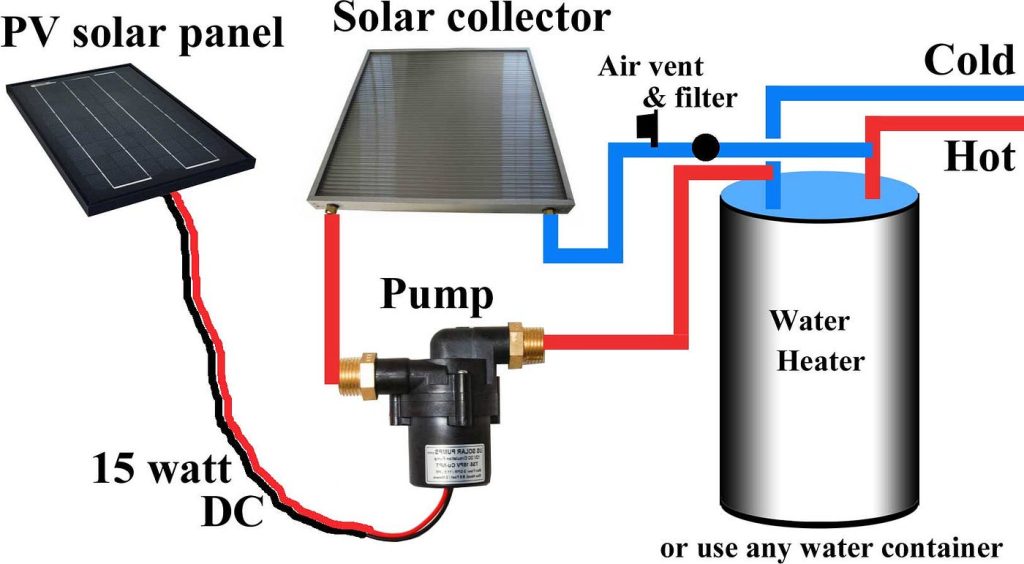
Have you ever wondered how a solar water heater actually works? Is it just a simple device, or does it rely on something more complex like a heat exchanger system?
Understanding this can help you decide if a solar water heater is right for your home and energy needs. You’ll discover how these systems function, what makes them efficient, and why knowing the difference matters for saving energy and money.
Keep reading to unlock the secrets behind solar water heating and make smarter choices for your household.
Solar Water Heater Basics
A solar water heater uses sunlight to warm water for your home. It saves energy by using the sun’s heat instead of electricity or gas.
This system has parts that collect solar energy and transfer it to water. It works like a heat exchanger but uses solar power as the heat source.
How Solar Water Heaters Work
Solar water heaters capture sunlight with collectors. These collectors heat a fluid inside them. The heat moves from this fluid to the water in a tank.
The system uses pipes and tanks to move and store the hot water. Some models use pumps to help move the fluid, while others rely on natural flow.
- Collectors absorb sunlight and heat a fluid
- Heat transfers from the fluid to the water
- Heated water stores in a tank for use
- Some systems have pumps; others use natural flow
Types Of Solar Water Heaters
There are two main types of solar water heaters: active and passive. Active systems use pumps to move the heat transfer fluid. Passive systems rely on natural circulation.
Collectors come in different designs like flat-plate and evacuated tube. Each type works best in different weather and temperature conditions.
- Active Systems:Use pumps to circulate fluid
- Passive Systems:Use natural flow without pumps
- Flat-Plate Collectors:Simple, cost-effective panels
- Evacuated Tube Collectors:Tubes that hold heat well

Credit: www.mdpi.com
Heat Exchanger Fundamentals
Heat exchangers move heat from one fluid to another. They help save energy by using heat efficiently.
Solar water heaters often use heat exchangers to transfer heat from the sun-warmed fluid to water.
Purpose Of Heat Exchangers
Heat exchangers help in many processes by transferring heat safely and quickly. They keep fluids separate while passing heat between them.
- Heat recovery from hot waste fluids
- Heating or cooling liquids in industries
- Maintaining temperature in machines and engines
- Improving energy efficiency in heating systems
- Protecting equipment from overheating
Common Heat Exchanger Designs
Heat exchangers come in many shapes. Each type works best in certain conditions.
| Type | Description | Uses |
| Shell and Tube | One fluid flows through tubes, another around them | Power plants, oil refineries |
| Plate | Thin plates create channels for fluids to flow | Food processing, HVAC systems |
| Air Cooled | Air passes over tubes carrying hot fluid | Engines, cooling towers |
| Double Pipe | One pipe inside another, fluids flow in opposite directions | Small heating systems |
Solar Water Heaters And Heat Exchange
Solar water heaters use the sun’s energy to warm water. They help save energy and reduce bills. Heat exchange plays a key role in these systems.
Understanding if a solar water heater is a heat exchanger system can help you choose the right one. Let’s explore how heat exchangers work in solar water heaters.
Role Of Heat Exchangers In Solar Systems
Heat exchangers transfer heat from one fluid to another without mixing them. In solar water heaters, they move heat from the solar collector to the water tank. This keeps the water clean and safe.
- They prevent freezing by separating fluids in cold climates.
- They stop corrosion by isolating the water from collector fluids.
- They improve system efficiency by quick heat transfer.
Direct Vs Indirect Solar Water Heaters
Direct solar water heaters heat water inside the solar collector. The water flows through pipes heated by the sun. This system works best where freezing is rare.
Indirect solar water heaters use a heat exchanger. A fluid in the collector heats up and passes through the exchanger. The heat moves to the water without mixing fluids.
| Type | Heat Exchanger Used | Best For |
| Direct | No | Warm climates without freezing |
| Indirect | Yes | Cold climates and freezing conditions |
Benefits Of Heat Exchanger Systems
Solar water heaters often use heat exchanger systems to transfer heat efficiently. These systems bring many benefits that improve overall performance.
Heat exchangers help save energy and reduce wear on the system. They make solar water heaters more reliable and longer-lasting.
Efficiency Improvements
Heat exchanger systems improve how well solar water heaters transfer heat. They keep heat from escaping and use energy better.
These systems allow the water to heat up faster. This means less energy is wasted, and your water gets hot quicker.
- Reduces heat loss during transfer
- Speeds up water heating time
- Uses energy more effectively
System Durability And Maintenance
Heat exchanger systems protect the solar water heater from damage. They stop corrosive fluids from mixing with clean water.
This protection lowers the need for repairs. It also helps the system last longer without losing performance.
- Prevents corrosion inside the system
- Reduces repair needs and costs
- Extends the life of the heater
Choosing The Right Solar Water Heater
Solar water heaters use sunlight to warm water for daily use. They are a smart choice for saving energy and lowering bills. Picking the right type helps get the best results.
Not all solar water heaters work the same. Some use heat exchangers to transfer heat efficiently. Knowing how they work can guide your choice.
Factors To Consider
Think about these points before buying a solar water heater. They affect how well it works and fits your needs.
- Type of solar collector (flat plate, evacuated tube)
- Climate and sunlight availability in your area
- Size and capacity of the water tank
- Presence of a heat exchanger system
- Installation space and ease of maintenance
- Durability and warranty terms
Cost And Performance Comparison
Compare the price and how well different solar water heaters perform. This helps find the best value for your money.
| Type | Average Cost | Efficiency | Heat Exchanger Included |
| Flat Plate Collector | $800 – $1,200 | 60% – 70% | Sometimes |
| Evacuated Tube Collector | $1,200 – $2,000 | 70% – 80% | Usually |
| Batch Water Heater | $600 – $900 | 50% – 60% | No |
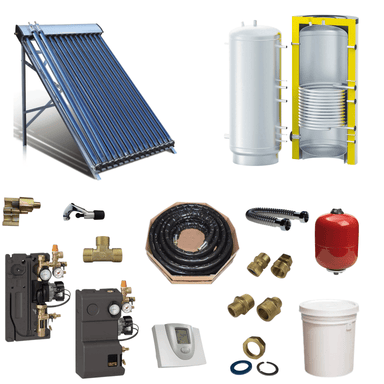
Credit: hydrosolar.ca

Credit: qiruisunny.en.made-in-china.com
Frequently Asked Questions
What Is A Solar Water Heater System?
A solar water heater uses solar energy to heat water. It captures sunlight via collectors and transfers heat to water stored in a tank. This system reduces electricity use and is eco-friendly.
How Does A Solar Water Heater Act As A Heat Exchanger?
A solar water heater transfers heat from solar collectors to water. The collectors absorb solar radiation and pass this heat to water through pipes. This process makes it a type of heat exchanger system.
Are All Solar Water Heaters Heat Exchanger Systems?
Not all solar water heaters use heat exchangers. Some use direct heating where water flows through the collector. Others use a separate heat transfer fluid and a heat exchanger to heat the water.
What Are The Benefits Of Using Solar Water Heaters?
Solar water heaters save energy, reduce utility bills, and lower carbon emissions. They provide hot water using renewable solar energy, making them sustainable and cost-effective over time.
Conclusion
A solar water heater works by transferring heat from the sun to water. It acts like a heat exchanger by moving heat between two fluids. This process helps save energy and lowers utility bills. Solar water heaters are simple and effective for warm water needs.
Choosing one can reduce your carbon footprint. Now you know how these systems work and why they matter. Consider this option if you want clean, efficient water heating.