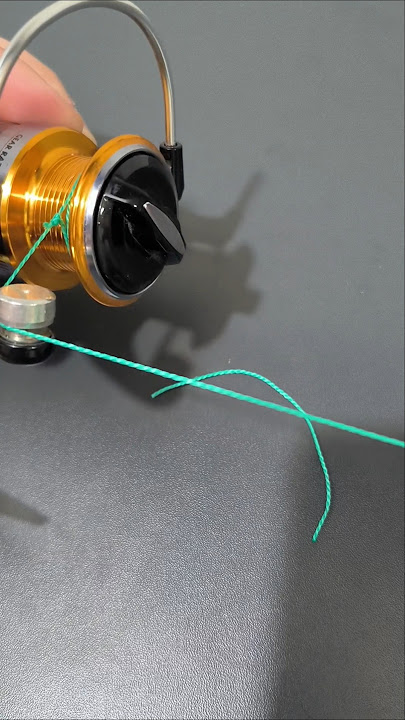
If you’ve ever struggled with putting fishing line on a closed reel, you’re not alone. It can feel tricky and frustrating, especially if you’re new to fishing or trying a different type of reel.
But don’t worry—once you know the simple steps, it becomes quick and easy. In this guide, you’ll discover exactly how to load your fishing line smoothly and securely, so you can spend less time preparing and more time enjoying your fishing trip.
Keep reading, and you’ll master this essential skill in no time.

Credit: windrider.com
Choosing The Right Fishing Line
Choosing the right fishing line is key to a good fishing experience. The line affects how well you can cast and catch fish.
This guide covers the types of fishing lines, their strength and thickness, and how to match the line to your reel.
Types Of Fishing Lines
There are three main types of fishing lines: monofilament, fluorocarbon, and braided. Each has its own benefits and uses.
- Monofilament:Flexible and easy to handle. It stretches well and is good for beginners.
- Fluorocarbon:Hard to see underwater. It sinks faster and is abrasion-resistant.
- Braided:Very strong with little stretch. It is thin but can be visible in clear water.
Line Strength And Thickness
Line strength is measured in pounds and shows how much weight the line can hold. Thickness affects casting and how much line fits on your reel.
| Line Type | Common Strength (lb) | Approximate Diameter (inches) |
| Monofilament | 6-20 | 0.012-0.020 |
| Fluorocarbon | 8-25 | 0.010-0.018 |
| Braided | 10-50 | 0.008-0.015 |
Matching Line To Reel
Match the fishing line to your reel’s size and type. Using the right line helps your reel work smoothly and lasts longer.
- Check the reel’s line capacity for the strength and length of line.
- Use thinner lines for smaller reels to fit more line.
- Match braided lines with reels made for low-stretch lines.
- Choose monofilament or fluorocarbon for reels that need stretch.

Credit: www.youtube.com
Preparing The Reel
Putting fishing line on a closed reel starts with proper preparation. Preparing helps the line go on smoothly and last longer.
Focus on cleaning, opening, and securing the reel before adding new line. Each step is important for best results.
Cleaning The Reel
Remove dirt and old line from the reel. Use a soft cloth to wipe the surface. Check for rust or damage on the reel parts.
- Use warm water and mild soap for cleaning.
- Dry the reel completely before use.
- Apply light oil to moving parts if needed.
Opening The Spool
Unlock the spool cover carefully. Some reels have a button or knob to open the spool. Make sure the spool is free and can spin easily.
| Type of Reel | How to Open Spool |
|---|---|
| Closed Face Reel | Press the button on the side to pop open the cover. |
| Spinning Reel | Unscrew the drag knob to remove the spool. |
Securing The Reel
Attach the reel firmly to the fishing rod. Use the reel seat to tighten it. A secure reel keeps the line steady while fishing.
- Place the reel foot into the reel seat.
- Turn the locking ring to tighten the reel.
- Check that the reel does not move on the rod.
Attaching The Line To The Spool
Putting fishing line on a closed reel starts with attaching the line to the spool. This step secures the line so it winds evenly. Taking time here helps avoid future problems.
Follow these simple steps to attach the line correctly. Focus on finding the spool hole, tying the right knot, and making sure the knot is tight.
Finding The Spool Hole
Locate the small hole or slot on the spool of your closed reel. This hole is where you thread the fishing line before tying it. It may be on the side or near the center of the spool. If you cannot see it, check the spool edges carefully. Threading the line through this hole keeps it secure during winding.
Tying The Line Knot
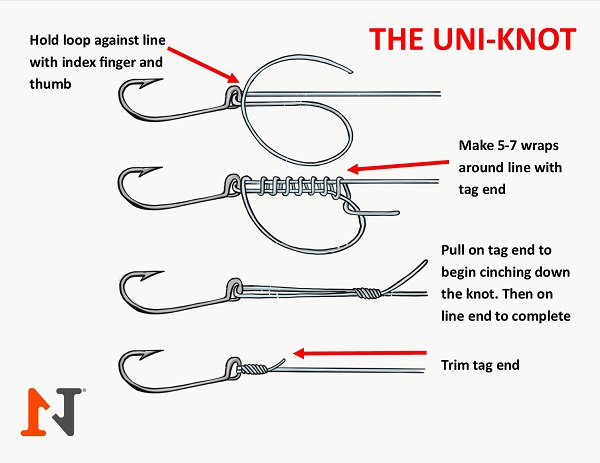
Tie a strong knot to hold the fishing line to the spool. The Arbor knot is a common choice. It grips the spool and prevents slipping. Here is how to tie it:
- Pass the line through the spool hole.
- Wrap the line around the spool once.
- Tie an overhand knot around the main line.
- Tie a second overhand knot at the tag end.
- Pull both knots tight against the spool.
Ensuring A Tight Knot
A tight knot keeps the line secure and prevents slippage. To check the knot’s strength, pull the line firmly. It should not slip or come loose. Wet the knot before tightening to reduce friction and damage to the line. Trim excess line close to the knot to avoid tangles.
| Tip | Reason |
|---|---|
| Wet the knot before tightening | Reduces heat and friction damage |
| Pull line firmly | Checks knot security |
| Trim excess line | Prevents tangles |
Credit: n1outdoors.com
Winding The Line Onto The Reel
Putting fishing line on a closed reel needs care and attention. Winding the line correctly helps you fish better and avoid problems.
Learn the right ways to keep tension, spool evenly, and stop line twists. These tips make your reel work smoothly.
Maintaining Tension
Keep the line tight while winding it onto the reel. This stops loose coils and tangles. Use your fingers or a cloth to hold the line firmly. Make sure the line feeds evenly as you turn the handle.
Evenly Spooling The Line
Spool the line in neat layers from one side of the reel to the other. Avoid piling the line in one spot. Move the line guide back and forth to spread the line evenly.
- Start slowly to control the line
- Keep the line tight and straight
- Fill the spool to about 90% capacity
- Stop winding when the line reaches the spool edge
Avoiding Line Twists
Line twists cause knots and reduce casting distance. To avoid twists, check how the line comes off the spool. Let the spool turn freely when you pull the line. If you see twists, rewind the line while keeping tension.
| Cause | How to Fix |
| Line twists on spool | Keep spool turning freely during winding |
| Loose line | Maintain steady tension with fingers or cloth |
| Uneven line layers | Move line guide evenly across spool |
Finishing The Setup
After placing the fishing line on your closed reel, you need to finish the setup properly. This ensures the line stays secure and works well when you fish.
Follow simple steps to cut the line, secure its end, and test the reel’s function before you start fishing.
Cutting The Line
Cut the fishing line neatly after winding it around the reel. Use sharp scissors or a line cutter for a clean cut.
A clean cut prevents the line from fraying and helps keep it strong during use.
Securing The Line End
Secure the end of the fishing line to stop it from slipping off the reel. Tie a small knot or use the reel’s line clip if available.
This step keeps the line tight on the reel and ready for casting without tangles.
Testing The Reel Function
Turn the reel handle slowly to check if the line moves smoothly. Make sure the reel’s drag system works without sticking.
Test the reel by pulling the line gently. It should hold tight without slipping or loosening.
Tips For Long-lasting Line Performance
Putting fishing line on a closed reel correctly helps it last longer. Proper care keeps the line strong and smooth.
Follow simple tips to maintain your fishing line and avoid common problems like tangles or breaks.
Regular Maintenance
Check your fishing line often for dirt and damage. Clean it gently with a soft cloth and fresh water after each use.
- Wipe the line after every fishing trip
- Remove any sand or debris caught in the line
- Inspect the line for small cuts or frays
- Lubricate the reel to reduce friction
Replacing Old Line
Replace your fishing line regularly. Old line loses strength and can snap easily. Look for signs like discoloration and stiffness.
| Line Age | Recommended Action |
| Less than 6 months | Check condition, replace if damaged |
| 6 to 12 months | Consider replacing if used often |
| Over 12 months | Replace to ensure safety and performance |
Storage Recommendations
Store your reel and line in a cool, dry place. Avoid sunlight and moisture to prevent damage.
- Keep reels covered when not in use
- Use a line spool protector or case
- Do not store line under heavy pressure
- Avoid extreme heat or cold environments
Frequently Asked Questions
How Do You Start Threading Line On A Closed Reel?
Begin by opening the reel cover carefully. Attach the fishing line to the spool using an arbor knot. Close the cover securely before winding the line evenly onto the spool.
What Type Of Fishing Line Suits A Closed Reel?
Monofilament and fluorocarbon lines work best for closed reels. These lines are flexible and easy to manage. Avoid using braided lines as they may jam the reel mechanism.
How Much Fishing Line Should You Put On A Closed Reel?
Fill the spool to about 1/8 inch below the spool lip. Overfilling can cause tangles, while underfilling reduces casting distance. Measure carefully for optimal performance.
Can You Reuse Old Fishing Line On A Closed Reel?
It’s not recommended to reuse old fishing line. Old lines lose strength and become brittle. Always use fresh, high-quality line for safety and durability.
Conclusion
Putting fishing line on a closed reel is simple with the right steps. Follow each part carefully and take your time. Check the line tightness and avoid tangles for smooth fishing. Practice helps you get faster and more confident. Soon, reeling in fish will feel easier and more fun.
Keep your gear ready and enjoy every fishing trip.