If you want to catch more bass, choosing the right fishing lures can make all the difference. You might have the perfect rod and reel, but without the right lure, the bass won’t bite.
Imagine feeling the thrill as a bass strikes your lure, pulling your line tight. That excitement starts with using the best lure for the situation. You’ll discover which fishing lures work best for bass and how to use them to boost your catch.
Keep reading, and soon you’ll be reeling in more bass than ever before.

Credit: www.newegg.ca
Best Lures For Bass Fishing
Bass fishing requires the right lure to attract these strong fish. Using proper lures helps you catch more bass.
Different lures work better in different water and weather conditions. Learn about the best types for bass fishing.
Crankbaits
Crankbaits are hard-bodied lures that dive into the water. They mimic small fish and create vibrations that attract bass.
- Choose shallow or deep diving crankbaits based on water depth.
- Use bright colors in murky water and natural colors in clear water.
- Work the crankbait with a steady retrieve to trigger bites.
Spinnerbaits
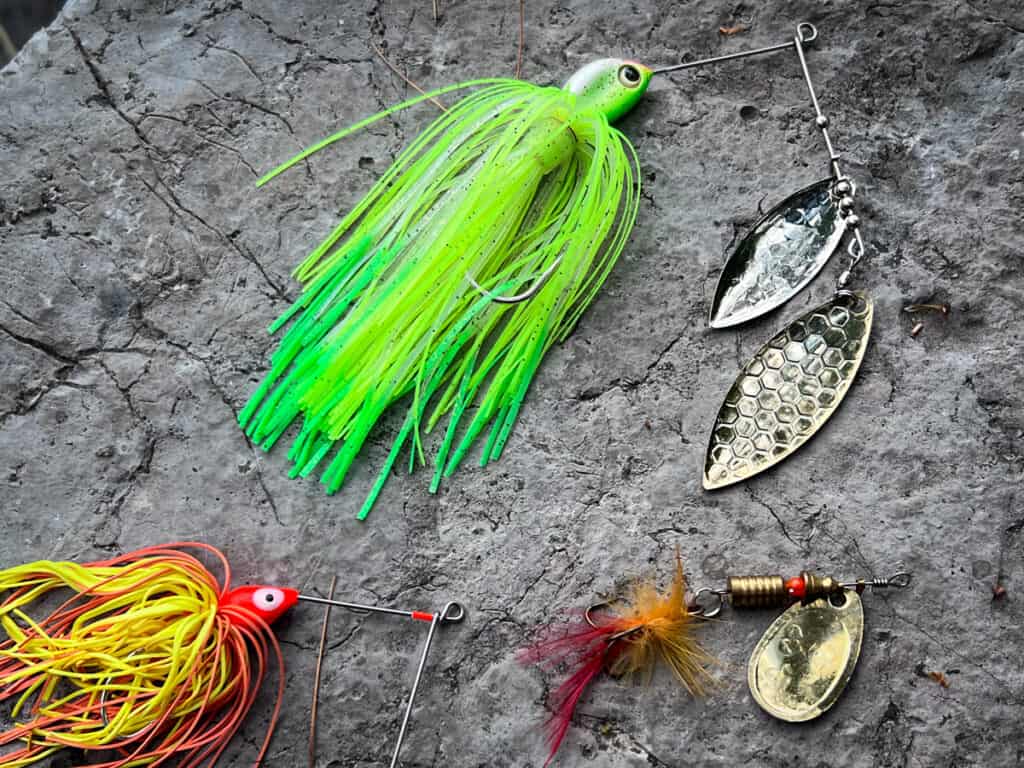
Spinnerbaits have spinning blades that flash and create vibration. They are great for murky water and cover areas with weeds.
| Blade Type | Effect |
| Willow Leaf | Fast flash and narrow vibration |
| Colorado | Wide flash and strong vibration |
| Indiana | Balanced flash and vibration |
Soft Plastics
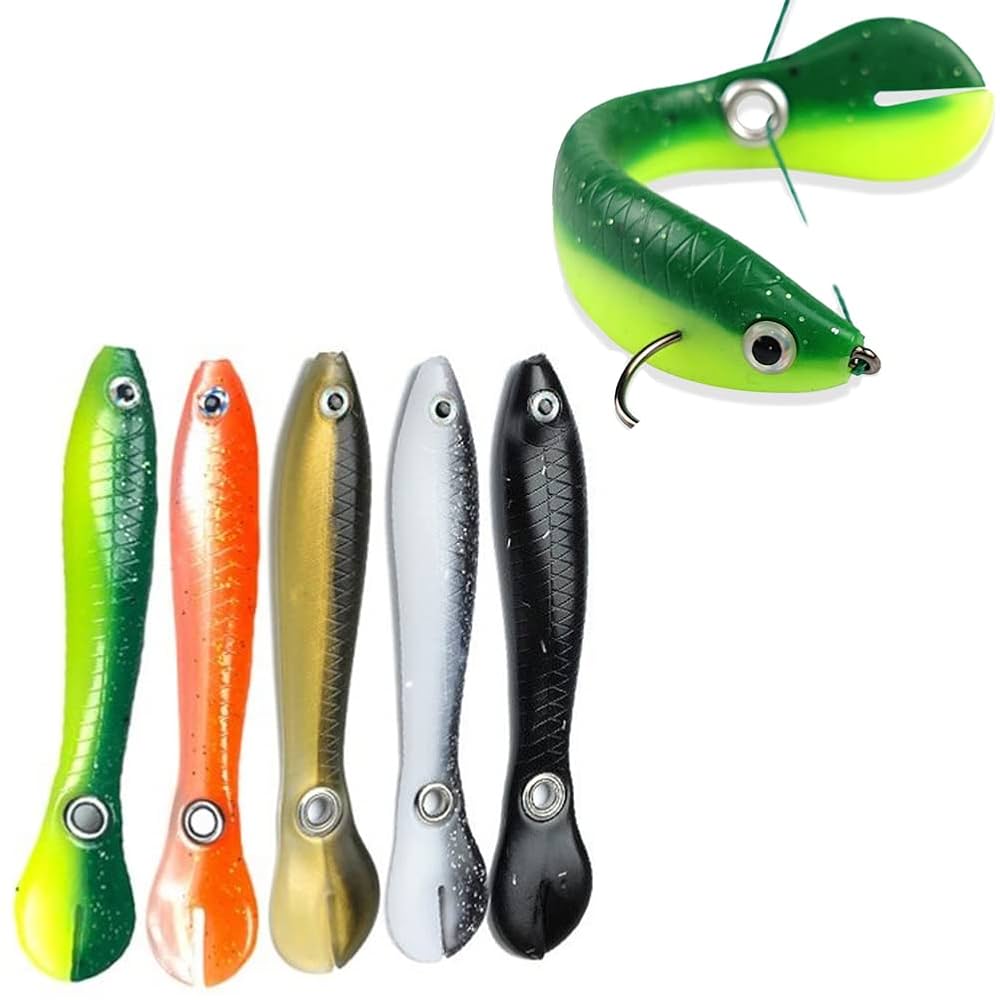
Soft plastics imitate worms, crawfish, and other prey. They come in many shapes and colors for different fishing situations.
- Use plastic worms for slow, natural movement.
- Crawfish imitations work well near rocks and cover.
- Choose colors that match local baitfish or water clarity.
Jigs
Jigs have a weighted head and a skirt or soft body. They work well in deep water and heavy cover.
- Use dark colors in stained or deep water.
- Work jigs slowly to mimic injured prey.
- Pair jigs with plastic trailers for added action.
Topwater Lures
Topwater lures float and create splashes to attract bass. They are exciting to use early morning or late evening.
| Lure Type | Action | Best Time |
|---|---|---|
| Poppers | Creates popping sounds and splashes | Low light, calm water |
| Frogs | Mimics frog movement on water surface | Weedy areas, summer |
| Walk-the-Dog | Side to side zigzag action | Warm days, clear water |

Credit: www.youtube.com
Choosing Lures By Season
Fishing for bass changes with the seasons. Different lures work best in spring, summer, fall, and winter. Picking the right lure can help you catch more bass.
Seasonal changes affect bass behavior and water conditions. Knowing what lures to use each season improves your fishing success.
Spring
In spring, bass move to shallow waters to spawn. Use lures that mimic small baitfish and crawfish. Bright colors work well in clear water.
- Spinnerbaits in white or chartreuse
- Crankbaits that dive shallow
- Soft plastic worms in natural colors
- Jigs with crawfish trailers
Summer
Summer bass often stay in deeper, cooler water. Slow-moving lures near cover attract bites. Dark colors work well in stained water.
| Lure Type | Best Color | Depth |
| Jigs | Black, Purple | Deep |
| Plastic Worms | Green Pumpkin | Mid-depth |
| Crawfish Baits | Brown, Orange | Near Cover |
| Topwater Frogs | Dark Green | Surface |
Fall
Fall bass feed heavily to prepare for winter. Use fast-moving lures in clear water. Bright colors stand out well this season.
- Crankbaits with tight wobble
- Spinnerbaits with silver blades
- Topwater lures at dawn and dusk
- Swimbaits in shad patterns
Winter
In winter, bass slow down and stay deep. Use slow-moving lures that imitate injured prey. Natural colors work best in cold water.
| Lure Type | Color | Action |
|---|---|---|
| Jigs | Brown, Black | Slow, steady |
| Spoons | Silver, Gold | Slow flutter |
| Soft Plastics | Natural hues | Dead-sticking |
Matching Lures To Water Conditions
Choosing the right fishing lure can improve your bass catch. Water conditions like clarity and depth affect lure choice.
Matching lures to water helps bass see or sense them better. This guide covers lures for clear, murky, shallow, and deep water.
Clear Water
In clear water, bass can see lures well. Use natural colors that look like real baitfish or insects.
Small and subtle lures work best to avoid spooking fish. Use slow or medium retrieval speeds.
- Jigs in brown or green
- Crankbaits with natural patterns
- Soft plastics in translucent colors
- Topwater lures with realistic finishes
Murky Water
In murky water, bass rely more on vibration and sound. Use bright or dark colors that stand out.
Lures that create noise or strong movement help bass locate them better in low visibility.
- Spinnerbaits with large blades
- Bright-colored soft plastics
- Buzzbaits for surface noise
- Jigs with rattles
Shallow Water
Shallow water lures should avoid snagging on plants or rocks. Use topwater and weedless options.
Choose lures that imitate frogs or insects near the surface to attract bass feeding there.
- Frog-style topwater lures
- Weedless soft plastic worms
- Shallow-running crankbaits
- Buzzbaits for fast surface action
Deep Water
Deep water bass need lures that reach lower depths. Use heavy or sinking lures for this.
Slow retrieval helps bass see and strike lures in colder or darker deep water.
- Deep-diving crankbaits
- Heavy jigs with trailers
- Spoon lures that sink fast
- Weighted soft plastics
Credit: bushlife.ca
Tips For Effective Lure Presentation
Choosing the right fishing lure is only part of catching bass. How you present the lure can make a big difference. Bass respond to different movements and colors depending on conditions.
Understanding retrieval techniques, adjusting speed, and using color wisely help you attract more bass. These tips improve your chances of a successful catch.
Retrieval Techniques
How you reel in the lure affects how bass see it. Try different retrieval styles to find what works best. Some lures need slow pulls, while others work well with quick jerks.
- Steady retrieve: reel in at a constant speed to mimic swimming prey.
- Twitch retrieve: add short jerks to make the lure dart and pause.
- Stop-and-go: reel in, pause, then start again to imitate injured fish.
- Burn retrieve: reel fast to trigger reaction strikes from bass.
Adjusting Speed
Changing retrieval speed helps you match the bass’s mood. Slow speeds work when bass are less active. Faster speeds can excite hungry bass to bite.
| Speed | When to Use |
| Slow | Cold water or early morning |
| Medium | Normal conditions with active bass |
| Fast | Warm water or aggressive feeding times |
Using Color To Attract Bass
Color can grab the attention of bass. Bright colors stand out in murky water. Natural colors work best in clear water and bright light.
Here are some color tips to help you choose:
- Use chartreuse or bright orange in stained water.
- Try brown, green, or black in clear water.
- Match the color to local baitfish for natural look.
- Switch colors if bass ignore your lure.
Common Mistakes To Avoid
Choosing the right fishing lure for bass can be tricky. Many anglers make simple mistakes that reduce their chances of a catch.
Learning what to avoid helps you pick lures that work better in different situations and water conditions.
Using The Wrong Lure Size
Many anglers pick lures that are too big or too small for the bass they want to catch. Using the wrong size can scare fish away or make it hard for them to bite.
Ignoring Water Conditions
Water clarity, temperature, and depth affect which lures work best. Using bright lures in clear water or slow-moving lures in fast currents can lower your chances of success.
Overusing One Type Of Lure
Sticking to only one kind of lure limits your options. Bass may avoid a certain lure after seeing it too often.
- Try different colors and shapes
- Switch between soft and hard baits
- Change your retrieval speed
Neglecting Lure Presentation
How you move your lure is as important as the lure itself. A wrong or unnatural movement can make bass lose interest.
| Common Lure Mistake | Why It Matters | How to Fix |
|---|---|---|
| Wrong lure size | Scares fish or no bites | Match lure size to bass size |
| Ignoring water conditions | Lure looks unnatural | Choose lure color and type for water |
| Overusing one lure | Bass get used to it | Rotate lure types and colors |
| Poor lure presentation | Fish lose interest | Vary lure speed and action |
Frequently Asked Questions
What Are The Best Bass Fishing Lures For Beginners?
For beginners, soft plastic worms and crankbaits are ideal. They are easy to use and effective in attracting bass. These lures mimic natural prey, increasing your chances of a catch. Start with versatile colors like green or brown.
How To Choose Bass Lures For Different Water Conditions?
Choose bright-colored lures for murky water and natural colors for clear water. In shallow water, use topwater lures; in deeper water, opt for jigs or spinnerbaits. Adjust lure size based on bass activity and water temperature for best results.
When Should I Use Topwater Lures For Bass Fishing?
Use topwater lures early morning or late evening when bass feed near the surface. They work best in calm water and during warm seasons. These lures create surface disturbance that attracts aggressive bass, making fishing exciting and productive.
What Lure Types Attract Bass In Heavy Cover?
Jigs and creature baits are best for fishing in heavy cover. Their weed guards prevent snagging on vegetation. Use dark colors to mimic bass prey hiding in shadows. Slow, steady retrieves help entice bass from dense cover.
Conclusion
Choosing the right bass fishing lure makes a big difference. Soft plastics, crankbaits, and spinnerbaits each work well in different spots. Try different colors and sizes to find what bass like best. Remember, bass can be picky and change their habits.
Keep your tackle box ready and adapt your lure choice. Enjoy the fun and patience fishing brings. Catching bass is about practice and learning what works. Keep casting and experimenting for better results.