Cutting braided fishing line might seem simple, but doing it the right way can save you time, money, and frustration. If you’ve ever struggled with frayed ends or a messy cut, you know how tricky it can be.
You’ll discover easy steps and expert tips to cut your braided line cleanly and securely every time. Keep reading to make sure your fishing gear stays in top shape and your next catch doesn’t slip away because of a weak knot or damaged line.

Credit: www.reddit.com
Choosing The Right Tools
Cutting braided fishing line needs the right tools to avoid fraying. Using the wrong tool can weaken the line or make it hard to cut cleanly.
Selecting the best tool depends on your needs and safety. Let’s look at the options for cutting braided line.
Sharp Scissors Vs. Line Cutters
Sharp scissors can work for braided line if they are strong and sharp. But normal scissors might crush or fray the line.
- Sharp scissors provide a clean cut when well-maintained.
- Line cutters are made for fishing lines and often have a sharper blade.
- Line cutters are easier to use with one hand.
- Choose scissors with stainless steel blades for durability.
Using Razor Blades Safely
Razor blades cut braided line well but can be dangerous. Handle them with care to avoid injury.
- Always cut away from your body.
- Use a clean, sharp razor blade to avoid snagging.
- Store blades safely after use.
- Keep blades dry to prevent rust.
Specialized Braided Line Cutters
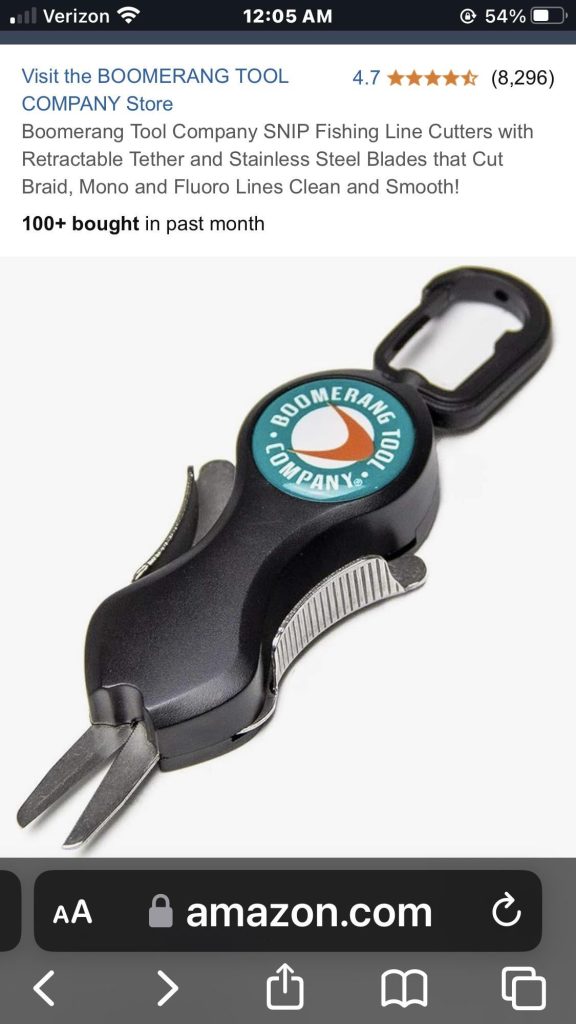
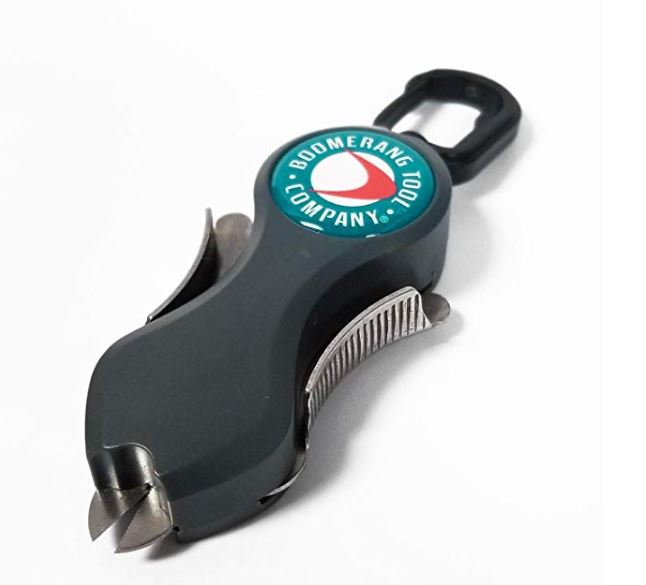
Special braided line cutters are designed for strength and clean cuts. They reduce fraying and damage.
| Tool Type | Pros | Cons |
| Specialized Braided Line Cutters | Sharp blades, ergonomic, clean cuts | Can be expensive |
| Sharp Scissors | Easy to find, multipurpose | May crush line, less durable |
| Razor Blades | Very sharp, precise cuts | Risk of injury, needs caution |
Preparing The Line For Cutting
Cutting braided fishing line needs care to keep the line strong. Preparing the line properly helps you get a clean cut. This guide shows how to prepare your braided line for cutting.
Follow these steps to clean, measure, and secure the line before cutting. Each step is important to avoid fraying and ensure accuracy.
Cleaning The Line
Remove dirt and water from the braided line to get a clear view. Dirt can make the line slippery and hard to cut. Use a soft cloth to wipe the line gently.
- Use fresh water to rinse the line if it is dirty or salty.
- Dry the line completely with a clean cloth.
- Check for any knots or damage before cutting.
Measuring The Desired Length
Measure the exact length you need before cutting. A wrong length can waste line or cause problems while fishing. Use a ruler or tape measure for accuracy.
| Tool | Use |
|---|---|
| Ruler | Measure short lengths precisely |
| Tape Measure | Measure long lengths easily |
| Marker | Mark the line where you want to cut |
Securing The Line For A Straight Cut
Hold the line tightly to make a straight cut. Loose line can cause jagged edges or fraying. Use a firm grip or a tool to keep the line still.
- Place the line on a flat surface or hold it between your fingers.
- Use a clamp or small vice if you have one, to keep the line steady.
- Check the marked spot again before cutting.
- Use sharp scissors or a line cutter for a clean cut.
Techniques For Clean Cuts
Cutting braided fishing line cleanly is important for a strong knot and better fishing. Using the right technique helps avoid frayed ends.
Simple steps can make your cuts neat and effective. This guide explains how to cut braided line properly.
Applying Steady Pressure
Use steady pressure when cutting braided line. Pressing too hard or too fast can crush or fray the fibers.
Hold the scissors or line cutter firmly and close the blades slowly. This ensures a clean, precise cut.
Cutting At The Right Angle
Cut the line at a slight angle to make a sharper edge. A straight cut may cause the line to unravel more easily.
An angled cut helps the line pass smoothly through guides and knots. Aim for about a 45-degree angle.
Avoiding Fraying And Damage
Use sharp scissors or line cutters designed for braided line. Dull blades crush fibers and cause fraying.
- Keep blades clean and sharp
- Cut in one smooth motion
- Do not twist or pull the line while cutting
- Trim any loose fibers after cutting

Credit: www.youtube.com
Maintaining Your Cutting Tools
Cutting braided fishing line needs sharp and well-kept tools. Dull blades can fray the line or make cutting hard.
Keeping your cutting tools in good shape helps you cut cleanly and saves your fishing line.
Regular Sharpening Tips
Sharpen your blades often to keep them cutting smoothly. Use a sharpening stone or a blade sharpener.
Sharpen both sides evenly and check the blade edge by cutting a piece of paper.
- Clean blades before sharpening to remove dirt
- Use light, even strokes while sharpening
- Test sharpness regularly to avoid dullness
Proper Storage Methods
Store your cutting tools in a dry place to stop rust and damage. Use a protective case if possible.
Keep blades closed or covered to avoid accidents and keep edges sharp.
- Keep tools away from moisture and dirt
- Use blade covers or sheaths for protection
- Store in a toolbox or drawer with padding
Replacing Worn-out Blades
Replace blades when they become too dull or damaged. Old blades can fray your braided line.
Check blades often and keep spare parts ready to avoid cutting problems.
- Buy blades that fit your cutting tool model
- Replace blades at the first sign of rust or chips
- Follow the tool’s instructions for safe blade replacement
Common Mistakes To Avoid
Cutting braided fishing line needs care and the right tools. Many anglers make simple errors that damage the line or cause problems later.
Knowing what to avoid helps keep the line strong and ready for fishing. Read on to learn about common mistakes and how to prevent them.
Using Dull Tools
Dull scissors or knives crush the braided line instead of cutting cleanly. This weakens the line and can cause fraying or breakage.
- Always use sharp scissors or line cutters designed for braided line.
- Replace or sharpen tools regularly to keep cuts clean.
- A clean cut prevents damage and extends line life.
Cutting Without Measuring
Cutting braided line without measuring wastes material and can shorten your fishing time. Guessing length often leads to mistakes.
| Common Cutting Mistakes | Effect |
| Cutting too short | Line runs out quickly while fishing |
| Cutting too long | Waste of expensive braided line |
| Not measuring knots or connections | Weak or loose knots that may slip |
Use a ruler or measuring tape to cut the exact length needed. Measure twice to avoid errors.
Ignoring Line Tension
Cutting braided line without keeping proper tension causes uneven or jagged edges. Slack line can fray or tangle more easily.
Tips for correct line tension:
- Hold the line taut but not stretched too tight.
- Use one hand to keep tension while cutting with the other.
- A steady cut with proper tension results in a clean end.
Credit: www.beadinggem.com
Additional Tips For Braided Line Care
Caring for braided fishing line can help it last longer and work better. Small habits protect the line from damage.
Here are some tips to keep your braided line strong and reliable on every fishing trip.
Preventing Line Twists
Line twists can cause tangles and weak spots in braided line. Avoiding twists keeps your line smooth and easy to use.
Use a swivel when tying your lure. This lets the lure spin without twisting the line.
- Reel your line under tension to reduce slack twists
- Avoid overfilling your reel spool
- Check your knots to make sure they do not cause twists
Storing Braided Line Properly
Proper storage keeps braided line in good shape and ready to use. Avoid leaving it in direct sunlight for long times.
Keep the line clean and dry before storing it on the reel or in a sealed container.
- Store the reel in a cool, dry place
- Use a line spool cover to protect from dust and dirt
- Loosen the drag on your reel to prevent line pressure
Inspecting Line For Wear
Regularly check your braided line for signs of damage. Wear can cause the line to break unexpectedly.
Look for frays, cuts, or areas where the line feels weaker or thinner.
- Run your fingers along the line to feel for rough spots
- Replace the line if you see any cuts or heavy wear
- Check knots carefully to ensure they hold strong
Frequently Asked Questions
How Do You Properly Cut Braided Fishing Line?
Use sharp scissors or a line cutter for a clean cut. Hold the line taut and cut swiftly to avoid fraying. Avoid dull tools as they can crush or damage the line fibers.
What Tools Work Best To Cut Braided Fishing Line?
Sharp scissors, nail clippers, or specialized fishing line cutters work best. These tools provide a clean cut and prevent line damage or fraying. Avoid using dull knives or teeth which can weaken the line.
Should I Melt The Ends After Cutting Braided Line?
Yes, melting the ends helps prevent fraying. Use a lighter briefly to seal the cut end without burning the line. Be careful to avoid overheating, which can weaken the line.
Can I Use Regular Scissors To Cut Braided Fishing Line?
Regular scissors can work if they are very sharp. Dull scissors may crush the line and cause fraying. For best results, use scissors designed for cutting fishing lines.
Conclusion
Cutting braided fishing line can be tricky. Use sharp scissors or a specialized tool. Always hold the line tight for a clean cut. Store your tools carefully to keep them sharp. Practice makes the process smoother over time. Remember, a clean cut prevents line fraying.
This ensures better fishing experiences. Always prioritize safety to avoid accidents. With these tips, you’re ready to tackle any fishing challenge. Happy fishing adventures await with the right tools in hand!