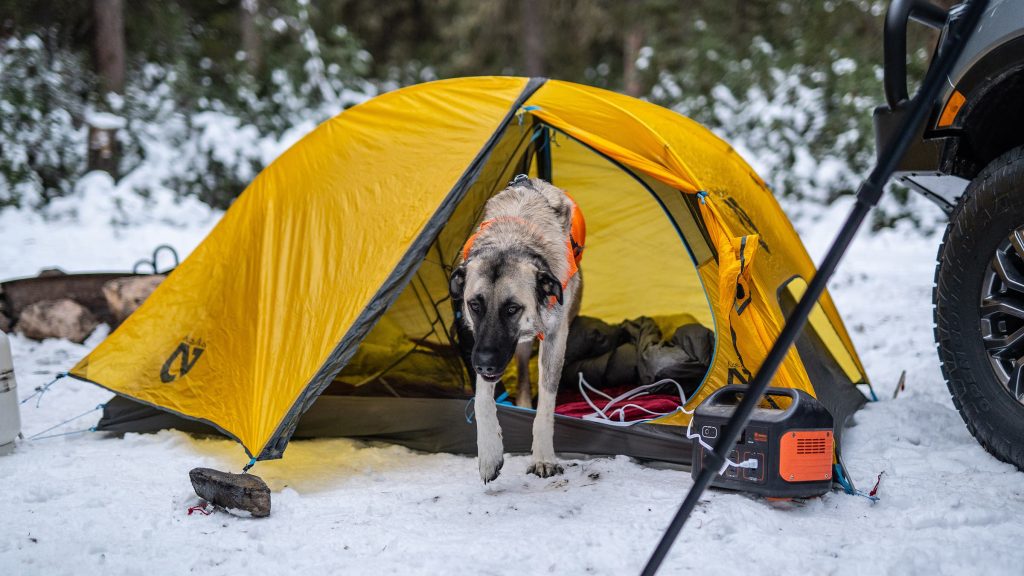
When you’re out camping and the temperature drops, staying warm inside your tent becomes a top priority. But you might wonder—is there a safe way to heat a tent without risking your safety?
The answer is yes, but it requires careful planning and the right equipment. You’ll discover practical tips and proven methods to keep your tent cozy while protecting yourself and your gear. Keep reading to learn how you can enjoy warmth without worry on your next outdoor adventure.
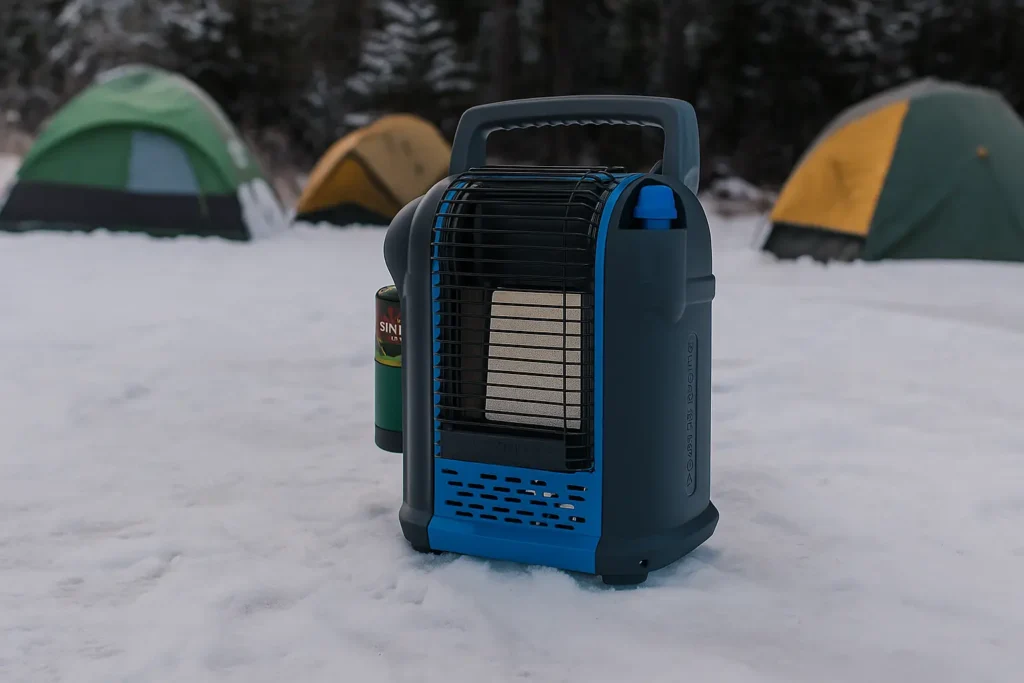
Credit: tellbest.net
Choosing The Right Tent Heater
Heating a tent safely is important for comfort and health. Picking the right heater helps avoid dangers like fire or carbon monoxide.
Many types of heaters work in tents. Each has benefits and risks to consider before use.
Types Of Tent Heaters
Tent heaters come in various forms. Common ones include electric heaters, propane heaters, and catalytic heaters.
- Electric heaters:Use electricity to create heat. They are safe indoors if power is available.
- Propane heaters:Burn propane gas to produce heat. Portable but need good ventilation.
- Catalytic heaters:Use a chemical reaction to generate heat without a flame. Often safer than open flame heaters.
Fuel Options And Safety
Choosing the right fuel is key for safety. Propane and electricity are the most common fuels for tent heaters.
| Fuel Type | Safety Tips |
| Propane | Use outside or in well-ventilated areas. Check for leaks before use. |
| Electricity | Use heaters with automatic shutoff. Avoid water near electrical parts. |
| Kerosene | Not recommended inside tents due to toxic fumes. |
Electric Vs. Propane Heaters
Electric heaters are safer for indoor use but need a power source. They do not emit fumes or carbon monoxide.
Propane heaters work well outdoors or in ventilated tents. They provide strong heat but produce fumes. Carbon monoxide detectors are a must.
- Electric heaters: No fuel fumes, require electricity.
- Propane heaters: Portable, need ventilation and monitoring.
- Both require stable placement to prevent tipping.
Setting Up Your Heater Safely
Heating a tent can make camping more comfortable in cold weather. It is important to set up your heater in a safe way. This helps avoid accidents and keeps the air clean.
Follow these tips to use your heater without risks. Proper steps can protect you and your camping gear.
Proper Ventilation Techniques
Good ventilation is key to safe heating inside a tent. It helps fresh air come in and lets harmful gases escape.
- Keep a window or vent slightly open.
- Use tents with built-in ventilation systems.
- Do not block vents with gear or fabric.
- Avoid sealing the tent completely while the heater runs.
Safe Placement Inside The Tent
Placing your heater correctly reduces fire risk. Keep it away from flammable materials like sleeping bags and clothes.
| Heater Placement | Distance from Flammable Items |
| Near tent wall | At least 3 feet |
| Near sleeping area | At least 6 feet |
| Near gear or backpacks | At least 4 feet |
Using Carbon Monoxide Detectors
Carbon monoxide (CO) is a colorless gas that can be deadly. Using a CO detector can warn you if levels get unsafe.
Tips for CO detectors:
- Place the detector near the heater but away from direct heat.
- Test the detector before each trip.
- Bring extra batteries for the detector.
- Replace old detectors as recommended by the manufacturer.
Preventing Fire Hazards
Heating a tent can be risky if not done safely. Fire hazards cause injuries and damage. You must follow safety rules to avoid accidents.
This guide covers key ways to keep your tent safe while using heat sources. Focus on keeping flammable items away, doing regular checks, and having emergency plans.
Keeping Flammable Materials Away
Flammable materials catch fire easily. Keep them far from heaters or open flames inside your tent. This reduces the chance of fires starting.
- Store fuel and gas canisters outside the tent.
- Keep clothing and sleeping bags away from heat sources.
- Clear dry leaves and paper from around heaters.
- Use only fireproof mats under heaters.
- Do not place heaters near tent walls or fabric.
Regular Maintenance Checks
Check your heating equipment often. Faulty heaters can cause sparks and fires. Look for cracks, leaks, and dirt build-up.
| Check Point | What to Look For | Action Needed |
| Heater Fuel Lines | Leaks or cracks | Replace or repair immediately |
| Burner Flames | Yellow or flickering flames | Clean or service heater |
| Electrical Parts | Damaged cords or plugs | Replace damaged parts |
| Ventilation | Blocked air flow | Clear vents and openings |
Emergency Fire Safety Measures
Be ready in case of fire. Have tools and plans to stop fires fast and keep everyone safe.
- Keep a fire extinguisher near the tent.
- Have a bucket of water or sand ready.
- Know the quickest way out of the tent.
- Teach everyone how to use fire safety tools.
- Do not leave heaters on when sleeping or away.
Alternative Heating Methods
Heating a tent safely is important to avoid accidents. Open flames and gas heaters can be dangerous indoors.
There are safer ways to stay warm inside your tent. These methods keep you cozy without risking fire or carbon monoxide.
Insulated Sleeping Gear
Using insulated sleeping bags and pads helps keep your body heat inside. They stop cold air from reaching you.
Look for sleeping bags with good temperature ratings. Sleeping pads add a layer of warmth between you and the cold ground.
- Choose sleeping bags with down or synthetic insulation
- Use sleeping pads with foam or air chambers
- Wear warm base layers inside your sleeping bag
Heat Packs And Warm Clothing
Heat packs are small, portable sources of warmth. You can place them inside your sleeping bag or pockets.
Wearing warm clothes made from wool or fleece keeps your body heat close. Layers trap warm air around you.
- Use disposable or reusable heat packs
- Wear thermal underwear and insulated socks
- Put on hats and gloves inside the tent
Using Hot Water Bottles
Hot water bottles are a simple way to add warmth. Fill them with hot water and place near you in the tent.
They provide steady heat for hours. Use bottles with secure caps to avoid spills and burns.
- Fill bottles with hot but not boiling water
- Wrap bottles in cloth for safety and comfort
- Keep bottles away from sleeping bag seams to prevent leaks
Tips For Cold Weather Camping
Camping in cold weather can be fun but needs careful planning. Staying warm and safe is key to a good trip.
This guide covers how to pick the right tent, keep campfire safety, and stay warm without a heater.
Choosing The Right Tent Material
Choose a tent made from strong, weather-resistant fabric. Look for materials that block wind and keep heat inside.
- Nylon tents with a waterproof coating work well.
- Canvas tents are thicker and keep warmth better.
- Check if the tent has a good rainfly to stop cold rain.
- Double-wall tents add extra insulation.
Campfire Safety Outside The Tent
Keep the campfire far from your tent to avoid accidents. Use a fire ring or stones to hold the fire safely.
| Safety Tip | Reason |
|---|---|
| Keep fire 10 feet from tent | Prevents sparks from reaching fabric |
| Clear dry leaves and sticks | Stops fire from spreading |
| Always have water nearby | Quickly put out fire if needed |
| Never leave fire unattended | Reduces risk of accidents |
Staying Warm Without A Heater
You can stay warm by using layers and good sleeping gear. Avoid heaters that can cause fire or carbon monoxide.
- Wear wool or synthetic layers, not cotton.
- Use a sleeping bag rated for low temperatures.
- Place a sleeping pad under your bag for insulation.
- Eat high-energy food to keep your body warm.
- Keep your head and hands covered with hats and gloves.
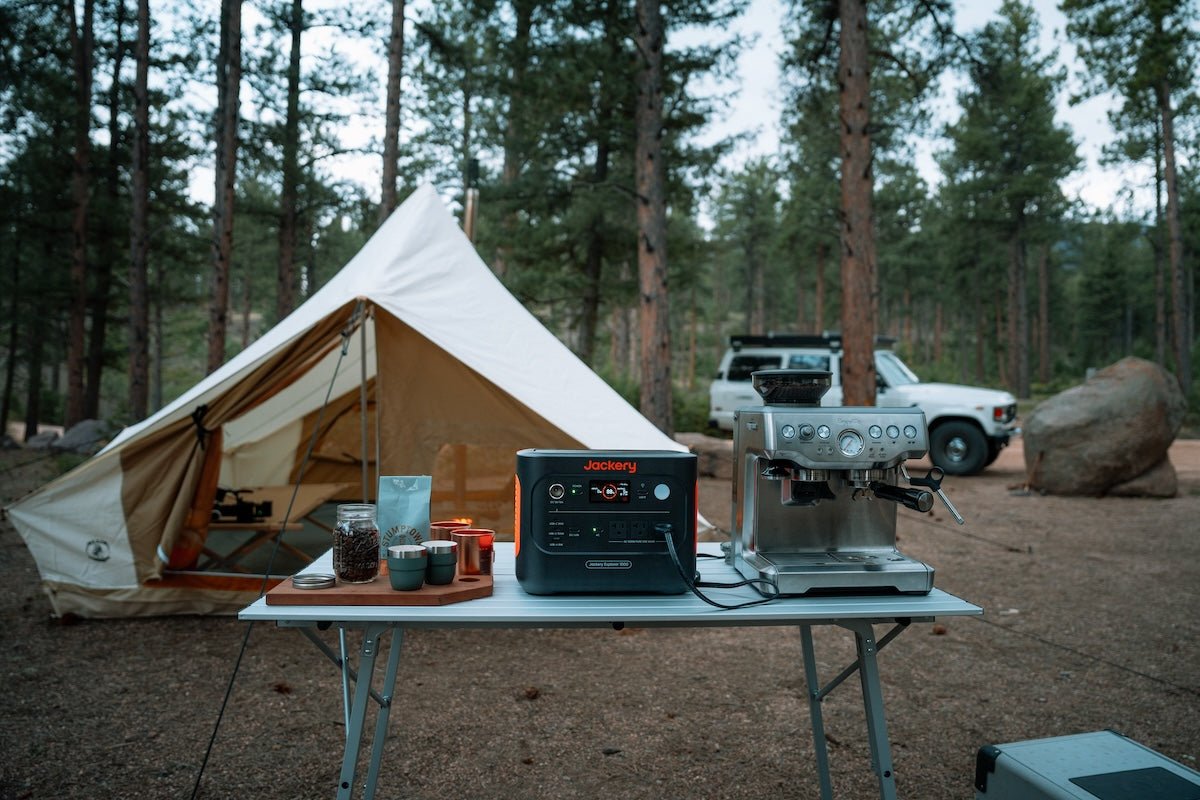
Credit: www.jackery.com

Credit: www.amazon.com
Frequently Asked Questions
What Is The Safest Way To Heat A Tent?
The safest way to heat a tent is using battery-powered or propane heaters designed for indoor use. Always ensure proper ventilation to avoid carbon monoxide buildup. Avoid open flames and never leave heaters unattended to reduce fire risks.
Can I Use A Camp Stove To Heat My Tent?
Using a camp stove inside a tent is unsafe due to fire and carbon monoxide hazards. Camp stoves should only be used outside in open air. For warmth inside a tent, opt for safe heating devices made for enclosed spaces.
How Do I Prevent Carbon Monoxide Poisoning In A Heated Tent?
To prevent carbon monoxide poisoning, use heaters with built-in safety features and ensure constant ventilation. Never use fuel-burning devices in sealed tents. Install a portable carbon monoxide detector for added safety during tent heating.
Are Electric Heaters Safe For Tents?
Electric heaters are generally safer than fuel heaters for tents if used properly. Choose compact, low-wattage models designed for camping. Keep heaters away from flammable materials and never leave them unattended while operating.
Conclusion
Heating a tent safely takes planning and care. Use heaters made for camping and follow all instructions. Keep vents open to avoid dangerous gases. Never leave a heater on while you sleep. Always have a fire extinguisher or water nearby.
A warm tent can make camping more comfortable. Safety should always come first in cold weather. Stay alert and respect all safety rules. This way, you enjoy warmth without risks. Safe heating makes your outdoor stay better and stress-free.