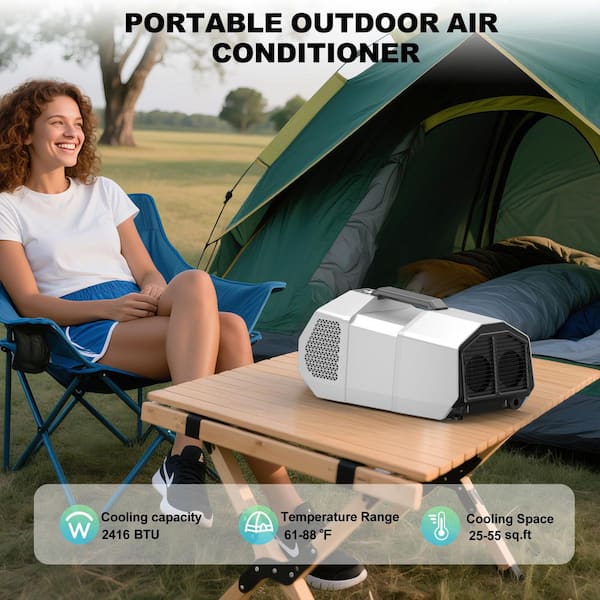
Camping is meant to be fun and relaxing, but when your tent feels like a sauna, it can quickly turn uncomfortable. You might think keeping cool without electricity is impossible, but there are simple tricks you can use to make your tent a refreshing retreat.
Imagine stepping inside your tent and feeling a cool breeze instead of stifling heat. You’ll discover easy, practical ways to cool your tent naturally. Keep reading, and you’ll learn how to stay comfortable all night long—even when the sun is blazing outside.
Choose Tent Location Wisely
Picking the right spot for your tent helps keep it cool. The location affects how much sun and wind your tent gets.
Shady, breezy places can lower the temperature inside your tent without using electricity.
Find Natural Shade
Set up your tent under trees or large bushes. Natural shade blocks sunlight and lowers heat.
- Trees with thick leaves give the best shade
- Avoid areas with sparse tree cover
- Check if shade moves during the day
- Stay clear of dead branches for safety
Avoid Direct Sunlight
Keep your tent away from open spaces that get full sun all day. Direct sunlight heats your tent quickly.
| Time of Day | Sun Exposure Effect |
| Morning | East-facing spots get sunlight |
| Afternoon | South and west sides are hottest |
| Evening | Shade usually returns |
Select Elevated Ground
Choose a spot on a small hill or rise. Elevated ground helps air flow and cools your tent.
Benefits of Elevated Ground:
- Better breeze circulation
- Less moisture and dampness
- Fewer insects near the tent
Credit: www.homedepot.com
Use Reflective Materials
Keeping a tent cool without electricity is possible by using reflective materials. These materials help bounce sunlight away from your tent. This stops heat from building up inside.
Reflective materials are easy to use and affordable. They can lower the temperature inside your tent during hot days.
Apply Reflective Tarps
Reflective tarps are made from shiny, light-colored materials. Place them over your tent or on the ground around it. This reflects the sun’s rays away from your tent.
- Choose a tarp with a silver or white reflective surface.
- Secure the tarp tightly to avoid wind damage.
- Leave some space between the tarp and tent for air to flow.
- Check the tarp often to make sure it stays clean and reflective.
Cover Tent Roof
Covering the tent roof with reflective material helps block direct sunlight. Use a reflective blanket, foil, or a tarp over the top. This reduces heat absorption by the tent fabric.
| Material | Benefit | Tip |
|---|---|---|
| Reflective Blanket | Blocks sunlight, lightweight | Secure with clips or ropes |
| Aluminum Foil | Reflects heat, cheap | Use tape to attach |
| Reflective Tarp | Durable, reusable | Keep it clean for best effect |
Create Shade Barriers
Set up shade barriers near your tent to block sunlight. Use reflective materials to cover these barriers. This lowers the surrounding temperature and protects your tent from heat.
- Place reflective screens or panels around the tent.
- Use lightweight frames to hold up reflective fabric.
- Position barriers to block afternoon sun, which is hottest.
- Ensure barriers allow airflow to keep air moving.
Enhance Airflow
Keeping a tent cool without electricity is possible by improving airflow. Air movement helps lower the temperature inside the tent.
Good airflow removes hot air and brings in cooler air from outside. This makes the tent more comfortable on warm days.
Open Tent Vents
Most tents have vents near the top or sides. Open these vents to let hot air escape. This allows fresh air to enter and cool the inside.
Keep vents clear of obstructions like gear or bags. This keeps air flowing freely and cools the tent better.
Create Cross Ventilation
Cross ventilation means opening vents or doors on opposite sides of the tent. This helps air move through the tent faster.
- Open front and back tent doors
- Open vents on opposite sides
- Position the tent where wind can pass through
This airflow carries hot air out and brings cooler air in. It reduces stuffiness and heat inside the tent.
Use Mesh Windows
Mesh windows let air flow while keeping bugs out. Open these windows on warm days for fresh air.
Make sure the mesh is clean and not blocked by fabric or gear. This keeps air moving and helps cool the tent.

Credit: www.youtube.com
Utilize Natural Cooling Techniques
Keeping a tent cool without electricity is possible by using natural ways. These methods use air, water, and shade to lower the temperature.
Using simple items like cloths or water containers can make a big difference. These ideas are easy and do not need any power source.
Damp Cloths And Towels
Hanging wet cloths or towels inside the tent helps cool the air. As the water evaporates, it takes heat away.
Make sure the cloths stay damp by spraying water on them often. Place them where air can move freely around them.
Place Water Containers
Put bowls or bottles of cold water inside the tent. The water absorbs heat from the air and cools the space.
Adding ice to the water makes the effect stronger. Change or cool the water regularly for better results.
Use Evaporative Cooling
Evaporative cooling uses water evaporation to lower temperature. Wet a cloth and hang it near an open window or tent flap.
Air passing through the wet cloth cools down before entering the tent. This method works best in dry, warm climates.
Optimize Tent Setup
Keeping your tent cool without electricity is possible. How you set up your tent makes a big difference.
Simple changes in your tent setup help reduce heat inside. Let’s look at three ways to do this.
Choose Light-colored Tent
Light colors reflect sunlight and heat. Dark colors absorb more heat and make tents hotter.
Select tents in white, beige, or pastel colors. These colors keep your tent cooler during the day.
Elevate Tent Floor
Keep the tent floor off hot ground. Use a camping cot or wooden pallets for elevation.
This allows air to flow underneath. Air circulation lowers heat buildup inside the tent.
- Place pallets or cot evenly for support
- Keep space under tent floor clear
- Ensure stable setup to avoid tipping
Limit Heat-generating Items
Avoid bringing items that produce heat inside the tent. This includes stoves, heaters, and electronics.
Use battery-powered lights instead of candles. Keep your tent cooler by reducing internal heat sources.
- Do not use gas or charcoal stoves inside
- Turn off devices when not in use
- Store electronics outside the tent if possible
Leverage Nighttime Cooling
Cooling a tent without electricity is important for comfort. Nighttime brings cooler air that helps lower tent temperature.
Using the natural cool air at night can make a big difference. Here are ways to keep your tent cool by leveraging nighttime cooling.
Open Tent At Night
Open your tent windows and doors at night. This lets cool air flow inside and warm air escape.
Make sure to use a mesh screen to keep bugs out. Air movement helps reduce heat trapped in the tent.
Seal Tent During Day
Close your tent tightly during the day. This keeps hot air and sunlight out.
Use the tent’s rain fly or extra covers to block sun rays. Sealing the tent traps cooler air inside from the night.
Use Cold Packs
Place cold packs inside the tent to lower temperature. Freeze them before your trip and keep them in a cooler.
Put cold packs near your sleeping area. They provide a cool spot to rest during hot times.
- Freeze cold packs overnight
- Wrap packs in cloth to avoid direct skin contact
- Replace packs when they warm up
Additional Tips
Keeping your tent cool without electricity takes more than shade and airflow. Small habits help you feel more comfortable inside your tent. These tips focus on your clothing, hydration, and daily plans.
Use these simple ideas to stay cool and enjoy your time outdoors. They reduce heat and keep your body ready for the day.
Wear Breathable Clothing
Choose clothes that let air flow and help sweat evaporate. Lightweight fabrics work best. Avoid dark colors because they absorb heat.
- Wear loose-fitting shirts and pants
- Pick cotton, linen, or moisture-wicking materials
- Use a wide-brimmed hat to protect your face
- Change into dry clothes if you get sweaty
Stay Hydrated
Drinking water helps your body cool down naturally. Drink often, even if you do not feel thirsty. Avoid drinks with caffeine or alcohol because they dry you out.
| Drink | Why It Helps |
| Water | Keeps body temperature low |
| Coconut water | Replaces lost minerals |
| Herbal tea (cold) | Hydrates without caffeine |
Plan Activities Wisely
Schedule your outdoor activities during cooler parts of the day. Rest inside your tent or shade during hot hours. This helps reduce heat stress and keeps you fresh.
- Wake early to enjoy cooler morning air.
- Do physical tasks before noon.
- Take breaks in shade or your tent at midday.
- Do easy activities late afternoon or evening.

Credit: www.reddit.com
Frequently Asked Questions
How Can I Keep My Tent Cool Without Electricity?
Use natural ventilation by opening windows and doors. Set up your tent under shade, like trees. Use reflective tarps or blankets to deflect sunlight. Place damp towels inside to cool the air. Avoid heat sources near the tent.
What Materials Help Reflect Heat From A Tent?
Reflective tarps, emergency blankets, and light-colored fabrics reflect sunlight well. These materials reduce heat absorption. Cover your tent roof with them to keep it cooler. They are lightweight and easy to carry during camping.
Can Positioning A Tent Reduce Heat Inside?
Yes, place your tent in shaded areas to avoid direct sunlight. Position the tent entrance facing the breeze for better airflow. Avoid setting up on asphalt or rocks that absorb heat. Proper placement significantly lowers tent temperature.
Are Damp Towels Effective For Cooling A Tent?
Yes, damp towels inside a tent help cool the air as water evaporates. Hang them near ventilation points for maximum effect. This natural cooling method is simple and requires no electricity. Keep towels moist for continuous cooling.
Conclusion
Cooling a tent without electricity is simple and practical. Use shade, airflow, and natural materials to stay cool. Keep the tent door open when safe. Wet cloths and ice packs help lower temperature. These small steps make camping more comfortable.
Enjoy your time outdoors without heat stress. Stay safe and cool with easy, natural tips. Camping can be fun, even on hot days. Try these ideas on your next trip.