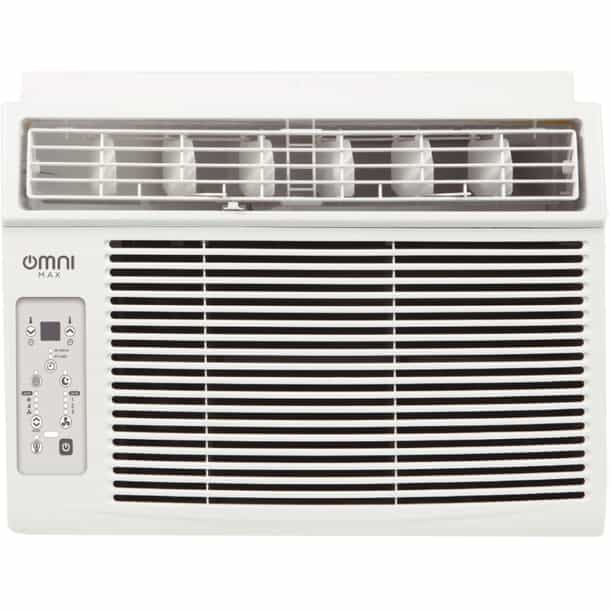
Are you curious about how many amps your window air conditioner uses? Knowing this simple fact can save you from unexpected electrical problems and high energy bills.
Whether you’re installing a new unit or just want to understand your current setup better, understanding the amps your air conditioner draws is key. You’ll discover exactly what amps mean for your window AC, how to check them, and why this knowledge puts you in control of your home’s energy use.
Keep reading to make sure your cooling system runs smoothly and safely.
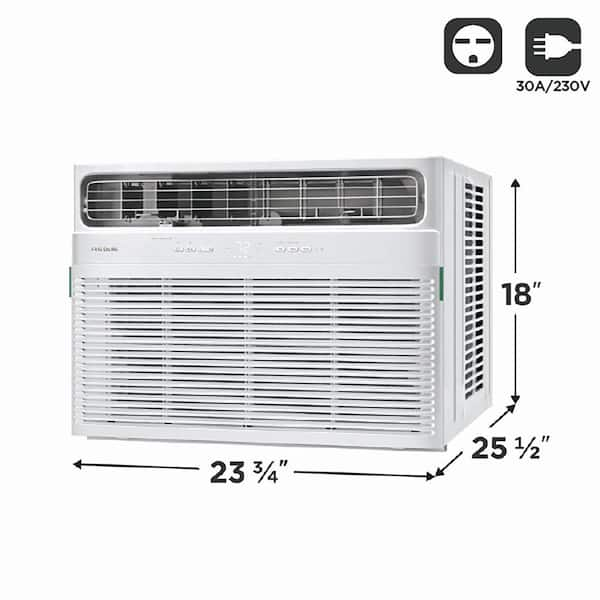
Credit: www.homedepot.com
Air Conditioner Amp Basics
Window air conditioners need electricity to work. Amps show how much electric current flows through the unit. Understanding amps helps you use the air conditioner safely.
This guide explains what amps are, how they differ from watts, and why knowing amp usage is important for your air conditioner.
What Is An Amp
An ampere, or amp, measures electric current. It tells how many electrons move through a wire each second. More amps mean more electric flow.
Think of amps like water flowing in a pipe. The bigger the flow, the more power is used. Appliances like air conditioners need a certain number of amps to run.
Amps Vs Watts
Amps and watts are different but related. Watts measure power used. Amps measure current flowing. They work together to show electricity use.
| Unit | What It Measures | Example |
| Amps (A) | Electric current flow | How many electrons pass a point |
| Watts (W) | Power consumption | How much energy is used |
You can find amps by dividing watts by volts. For example, a 1200-watt air conditioner using 120 volts draws 10 amps.
Why Amp Usage Matters
Knowing amp usage helps you pick the right circuit and avoid overload. Too many amps can trip breakers or cause fires.
- Protects your home’s wiring
- Prevents electrical hazards
- Ensures the air conditioner runs well
- Helps plan for energy costs
Check the air conditioner’s amp rating on its label. Make sure your outlet and circuit can handle the load safely.
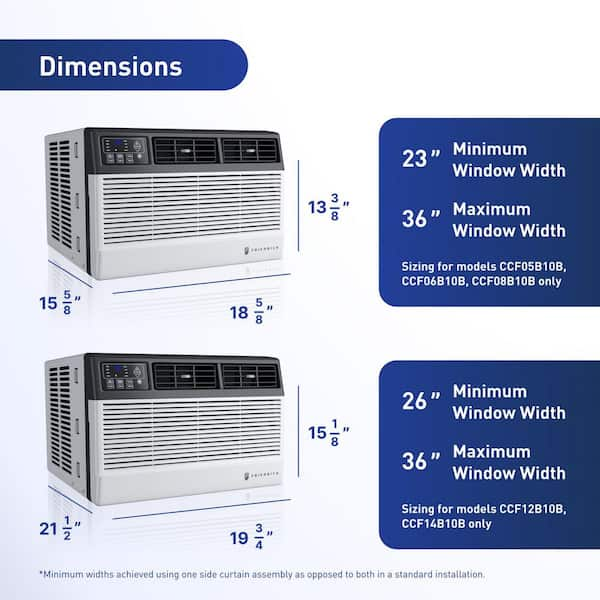
Credit: www.homedepot.com
Typical Amp Ratings For Window Acs
Window air conditioners use different amounts of electricity. Their amps show how much power they draw. Knowing the amp rating helps you pick the right unit for your home.
This guide explains amp ranges for small, medium, and large window AC units. It helps you understand what to expect from each size.
Small Unit Amp Range
Small window air conditioners usually cool single rooms. They have lower power needs and use fewer amps.
- Typically 5,000 to 6,000 BTU
- Uses about 5 to 7 amps
- Good for small bedrooms or offices
- Lower energy consumption
Medium Unit Amp Range
Medium units cool larger rooms or small apartments. They use more amps due to bigger cooling power.
| BTU Rating | Approximate Amps | Room Size |
|---|---|---|
| 7,000 – 8,500 | 7 – 10 amps | Medium rooms |
| 9,000 – 10,000 | 8 – 12 amps | Large bedrooms |
Large Unit Amp Range
Large window air conditioners cool big spaces. They need higher amps to run efficiently.
| BTU Rating | Amps Needed | Best For |
|---|---|---|
| 12,000 – 14,000 | 10 – 15 amps | Large living rooms |
| 15,000 – 18,000 | 12 – 16 amps | Small apartments |
| 18,000+ | 15+ amps | Open floor areas |
Factors Affecting Amp Draw
The amp draw of a window air conditioner depends on many factors. Understanding these helps you know how much power the unit uses.
Different models and conditions change the electrical current the air conditioner needs to run.
Cooling Capacity
Cooling capacity is how much heat the air conditioner removes from a room. It is measured in BTUs (British Thermal Units).
Higher capacity units need more amps to operate. Small units use fewer amps, while large units use more.
- 5,000 BTU units usually draw around 4-5 amps
- 8,000 BTU units typically use 6-7 amps
- 12,000 BTU units can draw 10-12 amps
Energy Efficiency
Energy efficiency affects how much electricity the air conditioner consumes. More efficient models use less power for the same cooling.
Units with high Energy Efficiency Ratio (EER) or Seasonal Energy Efficiency Ratio (SEER) draw fewer amps. This saves on electricity bills.
- High efficiency means lower amp draw
- Older or less efficient models use more amps
- Look for Energy Star certified units to save energy
Voltage Variations
Voltage changes can affect the amp draw of a window air conditioner. If voltage drops, the unit may draw more amps to run properly.
Voltage fluctuations can cause the compressor to work harder. This increases the current and can stress the electrical system.
- Stable voltage means consistent amp draw
- Low voltage causes higher amp draw
- Use a voltage stabilizer if voltage varies often
Calculating Amp Usage
Knowing how many amps your window air conditioner uses helps you avoid electrical problems. Amps tell you the current the unit draws when working.
This guide shows easy ways to calculate the amp usage of your window air conditioner.
Using Power And Voltage
You can calculate amps if you know the power in watts and the voltage. Use this formula:
Amps (A) = Watts (W) ÷ Volts (V)
Most window air conditioners run on 120 volts in the US. If your unit uses 1000 watts, then:
Amps = 1000 W ÷ 120 V = 8.33 A
Reading Labels And Manuals
Check the air conditioner’s label or manual for electrical information. It often lists the amps directly.
- Look for “Amps” or “Current” on the label.
- Check “Power” or “Wattage” if amps are missing.
- Find the voltage rating to confirm calculations.
- Use these numbers for safe circuit planning.
Using A Clamp Meter
A clamp meter measures the current flowing through the power cord without disconnecting it. It gives a direct amp reading.
To use it:
- Turn on the air conditioner.
- Open the clamp meter jaws.
- Clamp the meter around one power wire.
- Read the amps on the meter display.
| Clamp Meter Feature | Purpose |
| Non-contact measurement | Measures current without unplugging |
| Digital display | Shows exact amps drawn |
| Easy to use | Safe and quick reading |
Impact On Home Electrical System
Window air conditioners use a specific amount of electrical current. This affects your home’s wiring and circuit breaker. Knowing the amps your unit needs helps keep your electrical system safe.
Too much electrical demand from an air conditioner can cause problems. These include tripped breakers and overheated wires. It is important to understand these impacts before installation.
Circuit Breaker Considerations
Window air conditioners often require their own dedicated circuit breaker. This prevents overloads and power interruptions in your home. The breaker size depends on the unit’s amp rating.
- Check the air conditioner’s amp draw on the label
- Use a breaker rated 125% of the unit’s amps
- Install a dedicated breaker to avoid shared loads
- Consult an electrician for proper breaker selection
Wiring Requirements
Proper wiring size is key for a window air conditioner. Wires that are too small can overheat and cause fire risks. The wire gauge depends on the amps the unit draws.
| Amps Required | Recommended Wire Gauge | Breaker Size |
|---|---|---|
| 0–15 amps | 14 AWG | 15 amps |
| 16–20 amps | 12 AWG | 20 amps |
| 21–30 amps | 10 AWG | 30 amps |
Avoiding Overloads
Overloads happen when too many devices run on one circuit. This risks tripping breakers and electrical fires. Avoid overloads by managing your home’s electrical load.
- Do not plug the air conditioner into extension cords
- Keep the AC on a dedicated circuit
- Turn off other high-power devices on the same circuit
- Upgrade your electrical panel if needed

Credit: www.homehardware.ca
Energy Saving Tips
Window air conditioners use different amounts of amps depending on their size and features. Saving energy helps lower your electric bill. Simple habits can reduce power use while keeping you cool.
Learning how to pick the right unit and use it well can save energy. Regular care and smart controls make a big difference in power use.
Choosing The Right Size
Select a window air conditioner that fits your room size. A unit that is too big or too small uses more amps and wastes energy.
Check the room square footage before buying. The right size cools quickly and uses less power.
- Small rooms need about 5,000 to 6,000 BTUs
- Medium rooms fit 8,000 to 10,000 BTUs units
- Large rooms require 12,000 BTUs or more
Regular Maintenance
Keep your window air conditioner clean and well-maintained. Dust and dirt make it work harder and use more amps.
Check and clean the filters often. Clear the vents and coils from debris to improve airflow.
- Wash or replace filters every month during use
- Remove debris blocking airflow outside
- Schedule yearly professional check-ups
Using Timers And Thermostats
Timers let you run the air conditioner only when needed. This stops wasting electricity when you are not home or during cool nights.
Thermostats keep the temperature steady. They turn the unit off when the room is cool enough, saving amps.
- Set timers to match your daily schedule
- Use thermostats to avoid overcooling rooms
- Combine both for best energy savings
Common Myths About Ac Amp Usage
Many people have wrong ideas about how much electricity a window air conditioner uses. Understanding amps is important for safe and efficient use.
This article clears up common myths about the amps that window AC units draw during operation.
Higher Amps Mean Better Cooling
Some believe that an air conditioner with higher amps cools better. This is not true. Amps show how much electricity the unit uses, not its cooling power.
Cooling depends on the unit’s size and design, not the amps it draws. A bigger unit may use more amps but it also cools a larger space.
All Units Use The Same Power
Some think all window air conditioners use the same amount of power. In reality, power use varies by unit size and efficiency.
Small units use fewer amps and less power. Larger units or older models may use more amps. Always check the label for exact power use.
Amp Draw Is Constant
Many assume that the amp draw stays the same all the time. Actually, the amps change as the unit runs.
The compressor uses more amps when starting up. After that, the amps drop as the unit cools the room. Fans and other parts use less power too.
Frequently Asked Questions
How Many Amps Does A Window Air Conditioner Use?
A typical window air conditioner uses between 5 to 15 amps. The exact amps depend on the unit’s size and cooling capacity. Smaller units consume fewer amps, while larger models with higher BTU ratings draw more power.
What Size Circuit Breaker Is Needed For Window Ac?
Most window air conditioners require a 15-amp circuit breaker. Larger units may need a 20-amp breaker to handle increased current. Always check the manufacturer’s specifications for the recommended breaker size to ensure safety and performance.
Can A Window Ac Run On A Standard 120v Outlet?
Yes, most window air conditioners run on a standard 120V outlet. However, larger units with higher power demands might require a dedicated circuit for optimal performance. Always verify the voltage and amperage requirements before installation.
Why Does My Window Ac Trip The Circuit Breaker?
A window AC may trip the breaker due to overload, faulty wiring, or a defective unit. High amps draw can cause breakers to trip frequently. Inspect the circuit and unit for electrical issues to prevent trips.
Conclusion
Knowing how many amps a window air conditioner uses helps plan your home’s electrical needs. Different models draw different amounts of power. Always check the label or manual before buying. Using the right circuit prevents overloads and keeps your home safe.
Simple steps like this save money and avoid problems. Stay informed and choose wisely for cool, comfortable living.