Is your heating system making strange noises or not warming your home evenly? Air trapped inside your radiators or pipes could be the culprit.
Bleeding the air from your heating system is a simple fix that can boost its efficiency and keep your home cozy. In this guide, you’ll learn exactly how to bleed air from your heating system quickly and safely. By the end, you’ll know how to get rid of those annoying air pockets and enjoy a warmer, more comfortable space.
Keep reading—you’ll be surprised at how easy it is to improve your heating right now.

Credit: www.reddit.com
Signs Of Air In Heating System
Air trapped inside a heating system can cause problems. It stops hot water from flowing properly.
Knowing the signs helps you fix the issue early. This keeps your home warm and cozy.
Noisy Radiators
Air in the system makes radiators noisy. You may hear banging or gurgling sounds.
The noise happens because air blocks water flow. This causes pressure changes inside the radiator.
Uneven Heating
Radiators with air do not heat evenly. Some parts stay warm while others stay cold.
This makes rooms feel colder than they should. It also wastes energy since the system works harder.
Cold Spots
Cold spots appear on radiators with air inside. These spots show where water cannot reach.
Touch your radiator to find cold areas. These areas are signs that air is trapped and needs bleeding.

Credit: www.reddit.com
Tools Needed
Bleeding air from a heating system requires a few simple tools. Having the right equipment makes the job easier and safer.
This guide covers the basic tools you need to bleed air efficiently from your radiators.
Radiator Key
A radiator key is a small tool used to open the bleed valve on a radiator. It allows trapped air to escape without leaking water.
- Fits most radiator valves
- Easy to turn and control
- Usually made of metal for durability
Cloth Or Container
You need something to catch water when bleeding the radiator. A cloth or container helps keep the area clean and dry.
| Tool | Purpose |
| Cloth | Absorbs water and prevents spills |
| Container | Catches water for easy disposal |
Protective Gloves
Wear protective gloves to keep your hands safe from hot water and dirt. Gloves also improve your grip on tools.
- Protects skin from hot water
- Prevents cuts and scrapes
- Makes handling tools easier
Preparing The System
Bleeding air from your heating system helps it work better. Before you start, you need to prepare the system carefully. This makes the process safe and effective.
Follow these steps to get your heating system ready for bleeding air. Each step is important for your safety and to avoid damage.
Turn Off The Heating
First, switch off your heating system. This stops hot water from moving and lets air settle in the pipes. Use your thermostat or boiler controls to turn off the heat.
Allow System To Cool
Wait for the system to cool down before you start bleeding. Hot water or steam can cause burns. Cooling usually takes about 30 minutes but can vary by system.
- Turn off the boiler or central heating unit.
- Wait at least 30 minutes for pipes and radiators to cool.
- Touch radiators carefully to check temperature.
- Do not start if radiators feel hot or warm.
Locate Radiators
Find all the radiators in your home. Air can get trapped in any of them. Locate the bleed valve on each radiator; it is usually at the top corner.
| Item | Description |
| Radiator | Heats your rooms by circulating hot water |
| Bleed Valve | Small valve on the radiator to release trapped air |
| Radiator Key | Tool used to open the bleed valve safely |
Bleeding The Radiator
Air can get trapped in your heating system. This causes radiators to heat unevenly. Bleeding the radiator removes this air.
Follow these simple steps to make your radiator work better. You only need a radiator key and a cloth.
Insert Radiator Key
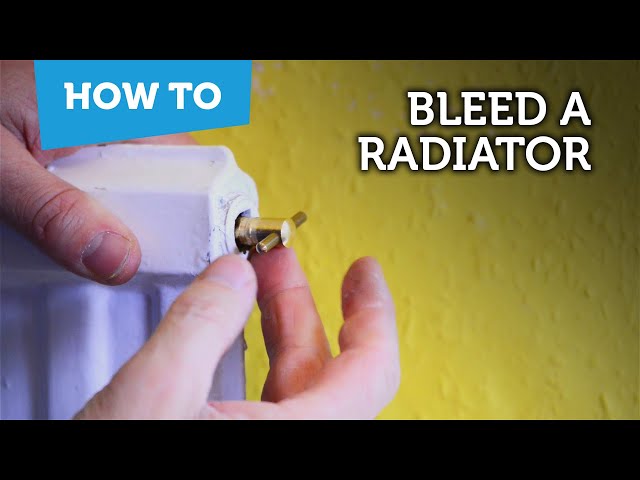
Find the bleed valve on your radiator. It is usually at the top corner. Insert the radiator key into the valve carefully.
Turn Key Slowly
Turn the key slowly in a counterclockwise direction. You will hear a hissing sound as air escapes. Do not open the valve too far.
- Turn the key about a quarter to a half turn.
- Stop if water starts to drip out.
- Keep a cloth ready to catch any water.
Release Air And Water
Let the air escape until only water flows. This means all the trapped air is out. Be ready to close the valve quickly.
| What to Expect | Action |
| Hissing sound (air escaping) | Keep valve open |
| Water drips out | Prepare to close valve |
| Steady water flow | Close valve securely |
Close Valve Securely
Turn the key clockwise to close the valve. Make sure it is tight to stop leaks. Check the radiator is warm after bleeding.
Checking System Pressure
Checking the pressure in your heating system is important to keep it working well. Low or high pressure can cause problems.
This guide will help you check and adjust the system pressure safely and easily.
Locate Pressure Gauge
The pressure gauge shows the current pressure inside the heating system. It is usually near the boiler or on the pipework.
- Look for a round dial with a needle pointing to numbers.
- Check if the gauge has color zones; green means normal pressure.
- Note the pressure reading before making any changes.
Adjust Pressure If Needed
If the pressure is too low or too high, adjust it to the recommended level. Most systems work well between 1 and 2 bars.
| Pressure Level | Action |
|---|---|
| Below 1 bar | Add water to the system using the filling loop. |
| Between 1 and 2 bars | No action needed, pressure is normal. |
| Above 2.5 bars | Release some pressure by bleeding radiators or contacting a professional. |
Restarting The Heating
Bleeding air from your heating system helps it work better. Air trapped inside can stop warm water from flowing well. Restarting the heating after bleeding is important to check if it works properly.
Follow simple steps to turn the heating on safely. Then check for any improvements to be sure your system runs smoothly.
Turn Heating On
After bleeding the radiators, turn the heating system back on. Make sure the boiler or heater is switched on. Set the thermostat to the desired temperature.
Wait a few minutes to let the system warm up. Listen for any strange noises like banging or gurgling. These sounds can mean there is still air inside.
Check For Improvements
Check each radiator to see if it is warming evenly. The whole surface should feel hot. If some parts are cold, air might still be trapped.
- Feel radiators at the top and bottom
- Look for steady heat without cold spots
- Listen for noises that show air remains
- Check the boiler pressure gauge to ensure it is normal
Maintenance Tips
Bleeding air from your heating system helps it work better. Air trapped in pipes can cause noise and reduce heat.
Regular maintenance keeps your system safe and efficient. Learn easy tips to keep your heating running smoothly.
Regular Bleeding Schedule
Bleed your heating system at least twice a year. This removes trapped air and improves heat flow.
Check your system before the cold season and after long breaks. This helps avoid cold spots in your home.
- Bleed radiators monthly during heavy use
- Listen for gurgling or banging sounds
- Use a radiator key or screwdriver to open valves
- Turn off the heating before bleeding
- Close valves tightly after bleeding
Monitor System Performance
Watch your heating system’s performance regularly. Look for cold spots or uneven heating.
Check pressure gauges often. Low pressure may mean air or leaks in the system.
- Inspect radiators for cold areas
- Listen for unusual noises
- Check pressure levels weekly
- Schedule professional checks yearly

Credit: www.reddit.com
Frequently Asked Questions
How Do I Know If My Heating System Has Air?
You may hear gurgling noises or notice uneven heat. Radiators might feel cold at the top and warm at the bottom. These signs indicate trapped air inside the heating system.
What Tools Do I Need To Bleed A Radiator?
You need a radiator key, a cloth, and a small container. The key opens the bleed valve, the cloth catches drips, and the container collects water.
How Often Should I Bleed My Heating System?
Bleed your heating system once a year, preferably before winter. Regular bleeding ensures efficient heat distribution and prevents cold spots in radiators.
Can I Bleed The Heating System Myself Safely?
Yes, you can safely bleed your heating system with proper precautions. Turn off the heating, let radiators cool, and follow step-by-step instructions carefully.
Conclusion
Bleeding air from your heating system keeps it running well. It stops cold spots and noisy pipes fast. Regular bleeding saves energy and lowers bills. The process is simple and takes little time. You only need basic tools and a little care.
Doing this yourself avoids costly repairs later on. Keep your home warm and comfortable all winter. Try bleeding your system today and feel the difference. Easy steps can make your heating work better. Your system will thank you with steady heat and quiet pipes.