Are you ready to catch big catfish but unsure how to set up your fishing line the right way? Getting your line set up correctly is the first step to landing a trophy catfish.
If your line is too weak or tangled, you might lose the catch of a lifetime. In this guide, you’ll learn simple, step-by-step tips to prepare your fishing line like a pro. By the end, you’ll feel confident and ready to reel in those giant catfish with ease.
Keep reading to discover the secrets that will transform your fishing experience!
Choosing The Right Line
Using the correct fishing line is key to catching catfish. The right line helps you handle big fish and avoid breaks.
Choosing between different line types and strengths depends on where and how you fish for catfish.
Monofilament Vs Braided Line
Monofilament line is stretchy and easier to handle. It works well for beginners and in areas with sharp objects.
Braided line is stronger and thinner. It offers better sensitivity but can be harder to knot and manage.
- Monofilament: good stretch, easier to tie knots
- Braided: higher strength, thinner diameter
- Monofilament: less visible in water
- Braided: more abrasion resistant
Recommended Line Strength
Catfish vary in size, so line strength should match the fish you expect to catch.
| Catfish Size | Line Strength (lbs) |
| Small (under 10 lbs) | 8-12 |
| Medium (10-30 lbs) | 15-25 |
| Large (over 30 lbs) | 30-50 |
Line Visibility Considerations
Line visibility affects how easily catfish notice your line in the water. Clear or low-visibility lines reduce spooking fish.
Here are some tips to reduce line visibility:
- Use clear monofilament in clear water
- Try green or brown braided lines in murky water
- Use a fluorocarbon leader for near-invisible presentation

Credit: fishingsun.com
Selecting Suitable Hooks And Rigs
Choosing the right hooks and rigs is important for catching catfish. The right setup helps hold the bait well and attracts fish.
Different sizes and types of hooks and rigs work better in various fishing spots. Let’s explore the best options for catfish fishing.
Popular Hook Sizes For Catfish
Catfish have strong mouths, so use hooks that are tough and the right size. Too small hooks may bend or break.
Most anglers choose hooks between size 2 and 5/0 for catfish. Smaller hooks work for small catfish, bigger hooks for large ones.
- Size 2 to 1/0: Good for small channel catfish
- Size 2/0 to 3/0: Best for medium catfish
- Size 4/0 to 5/0: Ideal for big blue or flathead catfish
Effective Rig Types
Rigs hold your bait and line in place. Some rigs work better in certain waters and fishing styles.
The slip sinker rig is popular because it lets the catfish take the bait without feeling the weight. The circle hook rig helps catch fish without deep hooking.
- Slip Sinker Rig:Weight slides on the line, good for rivers and lakes
- Circle Hook Rig:Hooks fish in the corner of the mouth, safer for catch and release
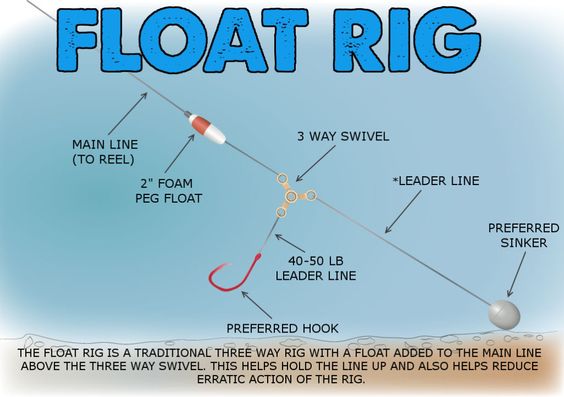
- Three-Way Rig:Allows bait to move freely, useful in deep water
Adding Weights And Floats
Weights keep your bait near the bottom where catfish feed. Floats help keep bait off the bottom or show bites.
Choose weights that match the current and depth. Use floats if you want the bait to stay at a certain depth or to watch for bites.
- Split shot weights: Small, easy to adjust
- Egg sinkers: Slide on line, good for slip rigs
- Bank sinkers: Heavy, for strong currents
- Bobbers or floats: Keep bait off bottom and show bites
Preparing The Line
Setting up your fishing line correctly is key to catching catfish. Preparing the line well makes your fishing easier and more effective.
Follow these steps to get your line ready for catfish fishing. Each part helps your gear work better in the water.
Cutting And Measuring Line Length
Choose the right length of line for your fishing rod. Catfish often swim deep, so use a longer line than for small fish.
- Measure about 20 to 30 yards of line for a good reach.
- Cut the line carefully with scissors or a line cutter.
- Check the line for any weak spots or damage before use.
Attaching Hooks And Sinkers
Hooks and sinkers help catch catfish and keep your bait in place. Attach them firmly to your line to avoid losing fish.
| Item | Purpose | Placement on Line |
| Hook | Catch the fish | Tied at the line’s end |
| Sinker | Keep bait near the bottom | Above the hook, 6-12 inches |
| Bobber (optional) | Signal bites | Above the sinker |
Securing Knots For Strength
Tying strong knots is important so your line does not break. Use knots that hold tight under pressure.
- Use the Palomar knot for hooks—it is strong and easy to tie.
- Double-check your knots by pulling hard before casting.
- Trim excess line close to the knot to avoid tangles.

Credit: mysterytacklebox.com
Setting Up The Rod And Reel
Setting up your rod and reel correctly is key to catching catfish. It helps you handle the fish better and avoid line problems.
Use the right techniques for spooling the line, adjusting drag, and choosing rod action. This will improve your fishing experience.
Spooling The Line Correctly
Spooling your reel with line properly prevents tangles and helps your cast go smoothly. Use clean line and avoid twists.
- Attach the line tightly to the spool.
- Keep tension on the line while spooling.
- Fill the spool up to 1/8 inch below the edge.
- Check for twists by letting the line run freely before fishing.
Adjusting Drag Settings
Drag controls how much resistance a fish feels when pulling your line. Set it right to avoid line breakage or losing fish.
| Fish Size | Drag Setting |
| Small Catfish (up to 5 lbs) | 5-7 lbs of drag |
| Medium Catfish (5-15 lbs) | 10-15 lbs of drag |
| Large Catfish (15+ lbs) | 15-20 lbs of drag |
Choosing The Right Rod Action
Rod action affects how the rod bends and fights fish. Medium to medium-heavy action rods work well for catfish.
- Fast action rods bend near the tip for quick hook sets.
- Medium action rods bend in the middle for good control.
- Slow action rods bend near the handle, best for light fishing.
Tips For Casting And Positioning
Setting up your fishing line correctly helps catch more catfish. Good casting and positioning improve your chances to get a bite.
Use the right techniques to cast far and place your bait where catfish like to hide. Managing line tension keeps the fish hooked.
Ideal Casting Techniques
Cast your line smoothly to avoid spooking catfish. Use a sidearm or overhead cast depending on your spot.
Try to cast beyond obstacles like rocks or weeds. This lets your bait reach deeper water where catfish swim.
- Use a slow, steady motion for a quiet cast
- Avoid snapping the rod to keep the line tight
- Practice casting at different distances
- Adjust your casting angle to reach shaded areas
Finding Productive Fishing Spots
Look for places where catfish gather. They like deep holes, river bends, and spots with cover.
Check near fallen trees, submerged rocks, and creek mouths. These areas provide shelter and food for catfish.
- Fish near deep pools and drop-offs
- Try spots with slow-moving water
- Look for muddy or sandy bottoms
- Use local knowledge or maps to find good areas
Handling Line Tension
Keep your line tight but not too tight. Proper tension helps feel bites and stops the fish from escaping.
When a catfish pulls, let the line give slightly. This prevents the hook from pulling out of the fish’s mouth.
- Keep your rod tip up to maintain tension
- Use a smooth drag setting on your reel
- Reel in slowly when the fish tires
- Do not jerk the rod to avoid breaking the line
Maintaining And Checking The Line
Taking care of your fishing line is important for a good catch. Regular checks keep the line strong and ready.
Proper maintenance helps avoid breaks and improves your fishing experience. Here are ways to maintain and check your catfish line.
Inspecting For Wear And Tear
Look closely at your fishing line before each use. Check for any cuts, frays, or weak spots along the line.
Also, check areas near the knots and the reel. These places often get the most damage from use and water.
- Look for discoloration or thinning of the line
- Feel for rough spots by running the line through your fingers
- Check knots for looseness or damage
- Inspect near the reel for any signs of wear
Replacing Damaged Sections
Replace any part of the line that shows damage. Even small cuts can cause the line to break.
Cut out the damaged section and tie a new knot if you need to join the line. Use strong knots made for fishing.
- Use sharp scissors to cut the damaged part
- Tie a strong knot like the Palomar or improved clinch knot
- Test the knot by pulling gently before fishing
- Replace the entire line if damage is widespread
Cleaning And Storing Line Properly
After fishing, clean your line to remove dirt and salt. This keeps it flexible and strong.
Store the line in a cool, dry place away from sunlight. Proper storage stops the line from getting weak or tangled.
- Rinse the line with fresh water after use
- Dry the line completely before storing
- Keep line away from direct sunlight and heat
- Use a spool or line holder to avoid tangles

Credit: mysterytacklebox.com
Frequently Asked Questions
What Is The Best Fishing Line For Catfish?
The best fishing line for catfish is strong and durable. Braided lines with 20-50 lb test strength work well. They resist abrasions and handle heavy fish. Monofilament lines are also good for flexibility and stretch.
How Do You Tie A Fishing Line For Catfish?
Use a Palomar knot or improved clinch knot to tie your line. These knots are strong and reliable. Make sure to wet the line before tightening to prevent breakage. Trim excess line for a clean setup.
What Fishing Line Strength Is Ideal For Catfish?
A fishing line with 20-50 lb test strength is ideal. This range handles the weight and fight of most catfish species. Choose heavier lines for larger catfish or rough environments with snags.
How To Prevent Fishing Line From Tangling?
Use a swivel to reduce line twists. Keep your line taut when casting and reeling. Avoid overfilling your reel spool. Regularly check for knots and loosen them immediately to prevent tangles.
Conclusion
Setting up your fishing line right helps catch more catfish. Choose the right line strength and knots for better results. Keep your setup simple but strong to avoid breaks. Check your gear often to stay ready for action. Practice tying knots to make them quick and secure.
Remember, patience and good setup bring better fishing days. Enjoy your time by the water and keep learning. Every trip helps you get better at catfish fishing.