Is your hot water heating system making strange noises or not heating your home evenly? You might have trapped air inside your radiators, and the solution is simpler than you think.
Learning how to bleed your hot water heating system can save you money, improve comfort, and extend the life of your boiler. In this guide, you’ll discover easy, step-by-step instructions to get your heating working perfectly again. Keep reading to find out how you can fix this common problem quickly and confidently.
Signs Of Air In Heating System
Air trapped in a hot water heating system can cause problems. It stops the system from heating properly.
Knowing the signs helps you fix the system quickly. This keeps your home warm and comfortable.
Noisy Radiators
Noises like banging, gurgling, or whistling mean air is in the system. Air blocks the flow of water inside pipes.
These sounds come from air pockets moving or trapped in the radiator. The system works harder and makes noise.
- Banging sounds when heating starts
- Gurgling noises from pipes
- Whistling sounds near valves
Uneven Heat Distribution
Air in the system causes some radiators to stay cool. Hot water cannot reach every part evenly.
You may find some rooms warmer than others. This shows the heating system has trapped air.
- Radiators in some rooms feel cold
- Other radiators are hot as usual
- Temperature changes without adjusting controls
Cold Spots On Radiators
Air collects at the top of radiators. This creates cold spots while the bottom stays warm.
Cold spots mean the radiator is not full of hot water. Air blocks the heat transfer.
- Top of radiator feels cool to touch
- Bottom of radiator is hot
- Radiator does not heat the whole surface

Credit: www.angi.com
Tools Needed For Bleeding
To safely bleed a hot water heating system, you’ll need the right tools and materials.
The following tools are essential for the process:
Radiator Key
A radiator key is a long, thin tool used to open the bleed valves on your radiators.
- Make sure the radiator key fits your specific valve type
- Use a key with a comfortable grip to avoid accidents
- Keep the key clean and dry to prevent rust
Cloth Or Towel
A cloth or towel is necessary to catch the water that will come out of the bleed valve.
Choose a cloth or towel that can absorb water quickly and won’t fall apart when wet.
| Material | Advantages |
|---|---|
| Cotton cloth | Absorbs water well, easy to clean |
| Microfiber towel | Quick-drying, gentle on surfaces |
Container For Water
A container is necessary to collect the water that will come out of the bleed valve.
Choose a container that can hold at least 1-2 gallons of water and has a spout or pouring lip.
Remember to always follow safety precautions when bleeding a hot water heating system.
Wear protective gloves and eyewear, and make sure the area is well-ventilated.
Preparing Your Heating System
Before you bleed your hot water heating system, it is important to prepare it properly. This will help the process go smoothly and safely.
Follow these steps carefully to get your heating system ready for bleeding.
Turn Off The Boiler
Switch off the boiler to stop heating the water. This step prevents hot water from circulating while you work on the system. Wait until the boiler is fully off before moving forward.
Allow Radiators To Cool
Let the radiators cool down to avoid burns. Hot radiators can cause injuries during bleeding. Give them enough time to reach room temperature before handling.
Locate Bleed Valves
Find the bleed valves on each radiator. These valves release trapped air from the system. They are usually small knobs or screws on the top or side of the radiator.
- Check the top corners of the radiators
- Look for a small valve with a square or slot head
- Have a cloth or container ready to catch water
Step-by-step Bleeding Process
Bleeding a hot water heating system helps remove trapped air. Air pockets reduce heating efficiency and cause noises.
This guide shows how to safely bleed your system in simple steps. Follow each part carefully for best results.
Open The Bleed Valve
Locate the bleed valve on your radiator or heating unit. Use a radiator key or flat screwdriver to open it slowly.
Turn the valve counterclockwise just enough to hear air escaping. Do not open it fully to avoid water spillage.
Release Trapped Air
As the valve opens, trapped air will escape first. Wait until water starts to come out steadily, showing air is gone.
- Listen for hissing sounds indicating air release.
- Have a cloth or small container ready to catch water drips.
- Keep the valve open until water flows smoothly without bubbles.
- Check other radiators and repeat if needed.
Close The Valve Securely
Turn the bleed valve clockwise to close it tightly. Make sure it is sealed to prevent leaks.
| Valve Position | Action |
| Open | Turn counterclockwise slowly to release air |
| Close | Turn clockwise to stop water flow and seal valve |
After Bleeding Actions
After bleeding your hot water heating system, some important checks must be done. These steps help keep the system working well. Follow them carefully to avoid damage.
Check the boiler pressure, add water if needed, and then restart the heating system. These actions ensure your system stays efficient and safe.
Check Boiler Pressure
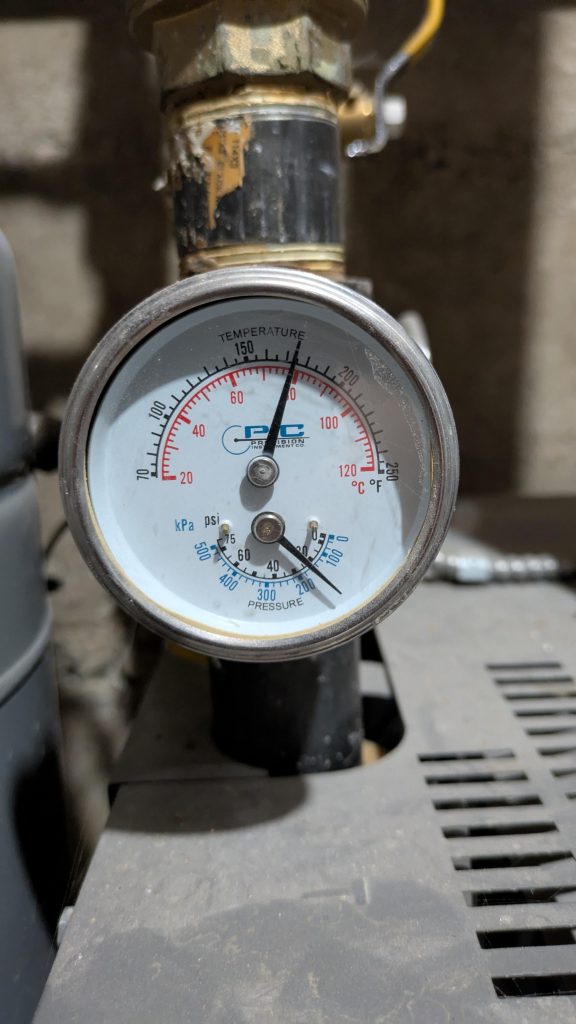
Look at the pressure gauge on your boiler. The normal pressure usually ranges between 1 and 1.5 bar. If the pressure is too low, the system might not heat properly.
- Find the pressure gauge on your boiler.
- Check if the needle is within the safe range.
- Note the pressure reading for reference.
Top Up System Water If Needed
If the boiler pressure is below the recommended level, you need to add water to the system. This action restores pressure and prevents air from entering again.
| Step | Action |
|---|---|
| 1 | Turn off the boiler and let it cool. |
| 2 | Locate the filling loop valve on your system. |
| 3 | Open the valve slowly to add water. |
| 4 | Watch the pressure gauge until it reaches 1.2 bar. |
| 5 | Close the valve tightly after topping up. |
Restart The Heating System
Once the pressure is correct, restart your heating system. Make sure it runs smoothly without any strange noises or leaks.
- Turn on the boiler power.
- Set the thermostat to the desired temperature.
- Check all radiators for warmth and proper function.
- Listen for any unusual sounds.
- Inspect for water leaks around the system.

Credit: www.reddit.com
Preventing Air Build-up
Air trapped in a hot water heating system causes noise and reduces heat. It can block water flow and lower system efficiency. Removing air regularly keeps the system working well.
There are simple methods to prevent air build-up. Use regular maintenance, automatic air vents, and system flushing to keep air out of the pipes and radiators.
Regular Maintenance Tips
Check your heating system often to stop air build-up. Look for cold spots on radiators and listen for gurgling sounds. These signs show air may be trapped inside.
- Bleed radiators to release trapped air.
- Check pressure gauges and keep pressure stable.
- Inspect pipes for leaks or damage.
- Replace worn seals and valves to prevent air entry.
Use Of Automatic Air Vents
Automatic air vents remove air without manual effort. They open when air rises and close when water reaches them. This keeps the system free of air all the time.
| Type | Description | Placement |
| Float Vent | Uses a float to open valve when air is present. | High points of the system |
| Thermal Vent | Releases air using temperature changes. | Near radiators or pipes |
| Combination Vent | Works both as air vent and dirt separator. | Main circulation loops |
System Flushing
Flushing removes sludge and air pockets from pipes. It clears blockages and improves water flow. This helps prevent air from staying trapped inside.
- Turn off the heating system and let it cool.
- Connect a hose to the drain valve.
- Open the valve and flush water through the system.
- Close the valve and refill with fresh water.
- Bleed radiators again to remove any new air.
Troubleshooting Common Issues
Bleeding a hot water heating system helps fix many common problems. Air trapped inside pipes can cause trouble.
Knowing how to spot and solve these issues keeps your system working well. Let’s look at three common problems.
Radiators Not Heating
Radiators may stay cold if air blocks the water flow. Bleeding the radiator removes trapped air.
Use a radiator key to open the valve slowly. Let the air escape until water appears, then close it.
- Check if the valve is fully open
- Make sure the boiler is working properly
- Bleed all radiators to remove air pockets
Persistent Noises
Banging or gurgling sounds often mean air is trapped in the system. Bleeding helps clear these noises.
Listen to where the noise comes from. Bleed the radiator or pipe near that spot to fix the issue.
- Turn off the heating before bleeding
- Use a cloth to catch water drips
- Bleed slowly to avoid water spraying
Pressure Drops
Low pressure can cause your heating to stop working well. Air in the system can lead to pressure drops.
After bleeding radiators, check the boiler pressure gauge. Refill water if the pressure is too low.
- Locate the pressure gauge on your boiler
- Use the filling loop to add water if needed
- Keep pressure between recommended levels

Credit: www.youtube.com
When To Call A Professional
Bleeding your hot water heating system can fix trapped air and improve heat. Some problems need a professional to handle safely and correctly.
Knowing when to call a pro saves time and prevents damage. Some issues are too complex or risky for DIY fixes.
Complex System Problems
Some heating systems have many pipes and valves. If you have a complex setup, bleeding air may not be simple. Incorrect handling can cause leaks or damage.
Professionals have tools and skills to manage complex systems. They can check all parts and ensure the system works well after bleeding.
Repeated Air Build-up
If you bleed your system often but air keeps coming back, there might be a deeper issue. This can cause noise and uneven heating.
A professional can find leaks or faulty parts causing air build-up. Fixing the root cause stops the problem and protects your system.
Boiler Malfunctions
Boilers can have problems that affect bleeding. If your boiler shows errors, leaks, or strange noises, do not attempt to bleed the system yourself.
A qualified technician can safely inspect and repair the boiler. This keeps your heating system safe and working efficiently.
Frequently Asked Questions
How Do You Bleed A Hot Water Heating System?
To bleed a hot water heating system, locate the radiator valve. Use a radiator key to slowly open it. Release trapped air until water flows steadily. Close the valve tightly to prevent leaks. This improves heating efficiency and reduces noise.
Why Is Bleeding A Heating System Important?
Bleeding removes trapped air that blocks hot water flow. This ensures even heat distribution in radiators. It helps prevent cold spots and noisy pipes. Regular bleeding improves system efficiency and reduces energy costs.
How Often Should You Bleed Your Heating System?
Bleed your heating system at least once a year. Early fall or before the heating season is ideal. Bleeding may be needed more often if you hear noises or notice cold radiators.
What Tools Do I Need To Bleed Radiators?
You need a radiator key or flathead screwdriver. A cloth or small container helps catch water drips. Ensure the heating system is turned off and cooled before starting.
Conclusion
Bleeding a hot water heating system keeps your home warm and cozy. Air trapped inside can cause cold spots and noise. Regular bleeding improves system efficiency and saves energy. The process is simple and safe with the right tools. Check your radiators often and bleed them when needed.
This small task helps your heating run smoothly all winter. Stay warm and comfortable without extra costs or repairs. Easy steps, great results.