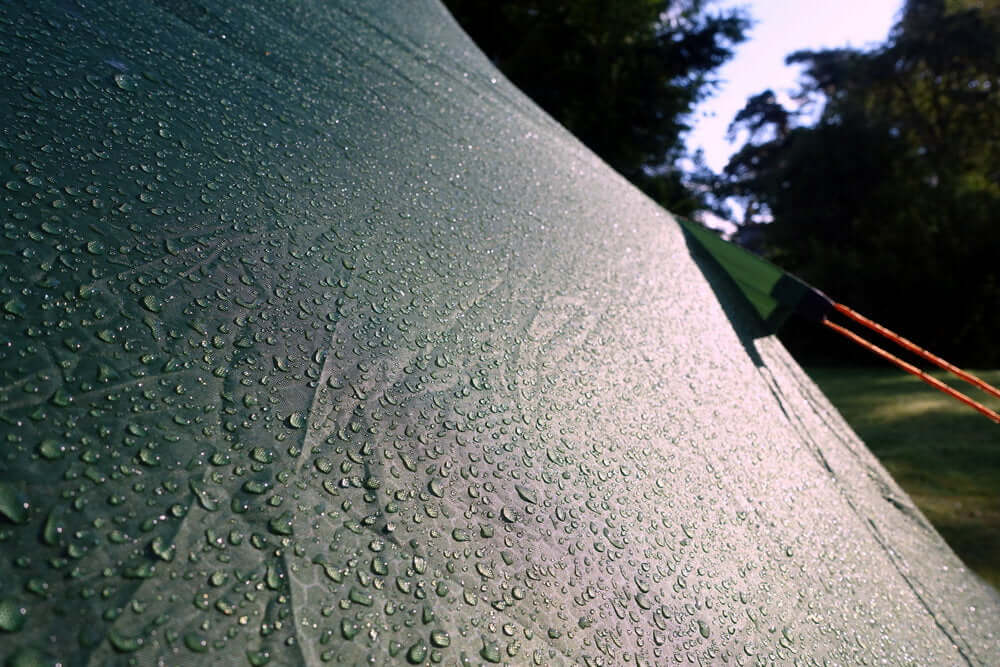
Have you ever woken up inside your tent only to find it covered in damp, foggy condensation? That wet feeling can ruin your camping trip and make your gear soggy and uncomfortable.
But what if you could stop that annoying moisture from building up in the first place? You’ll discover simple, practical tips to keep your tent dry and cozy all night long. Say goodbye to waking up in a damp mess and hello to a more comfortable outdoor adventure.
Keep reading to learn how you can take control of condensation and enjoy your time under the stars.
Causes Of Tent Condensation
Tent condensation happens when water drops form inside the tent. This can make your gear wet and uncomfortable. Understanding what causes condensation helps you keep your tent dry.
Several factors lead to condensation inside a tent. These include temperature changes, humidity levels, and moisture from people inside the tent.
Temperature Differences
Condensation forms when warm air meets cold surfaces. At night, the ground and tent walls cool down. Warm air inside the tent turns into water drops on the cooler tent fabric.
The bigger the temperature gap between inside and outside, the more condensation you get. This happens more in cold weather or after a warm day.
Humidity Inside The Tent
Humidity means how much water vapor is in the air. When you breathe or dry wet clothes inside, humidity rises. High humidity makes condensation more likely.
When the air inside the tent can no longer hold moisture, water turns into droplets on the tent walls and ceiling.
- Wet gear raises humidity
- Cooking inside increases moisture
- Poor ventilation traps humid air
Breath And Body Moisture
People release moisture by breathing and sweating. This moisture adds to the air inside the tent. It is a common cause of condensation at night.
Even one person can create enough moisture to cause dampness on the tent walls. Proper airflow helps reduce this effect.

Credit: www.ultramarxl.com
Choosing The Right Tent
Condensation happens when warm air meets cold surfaces inside your tent. It can make your gear wet and uncomfortable. Picking the right tent helps reduce this problem.
A tent with good design and materials can keep moisture out. It also lets fresh air flow to stop dampness from building up inside.
Ventilation Features
Good ventilation helps air move through your tent. This stops warm air from turning into water drops on walls. Look for tents with vents near the top and bottom.
Mesh windows and doors also help air flow while keeping bugs out. Adjustable vents let you control how much air moves inside.
- Top vents allow hot air to escape
- Bottom vents bring in fresh air
- Mesh panels improve airflow
- Adjustable openings help control moisture
Material And Fabric Considerations
Tent fabrics affect how moisture builds up inside. Look for breathable materials that let water vapor pass through. This helps stop condensation.
Water-resistant coatings keep rain out but still allow some airflow. Avoid tents with thick plastic layers because they trap moisture inside.
- Breathable fabrics reduce dampness
- Water-resistant coatings block rain
- Avoid heavy plastic layers inside tent
- Double-wall tents improve moisture control
Effective Ventilation Techniques
Condensation inside a tent happens when warm, moist air meets cold surfaces. Proper ventilation helps reduce this moisture. It keeps the air fresh and dry inside your tent.
Using good ventilation techniques can stop condensation from forming. This makes your camping experience more comfortable and keeps your gear dry.
Using Tent Vents
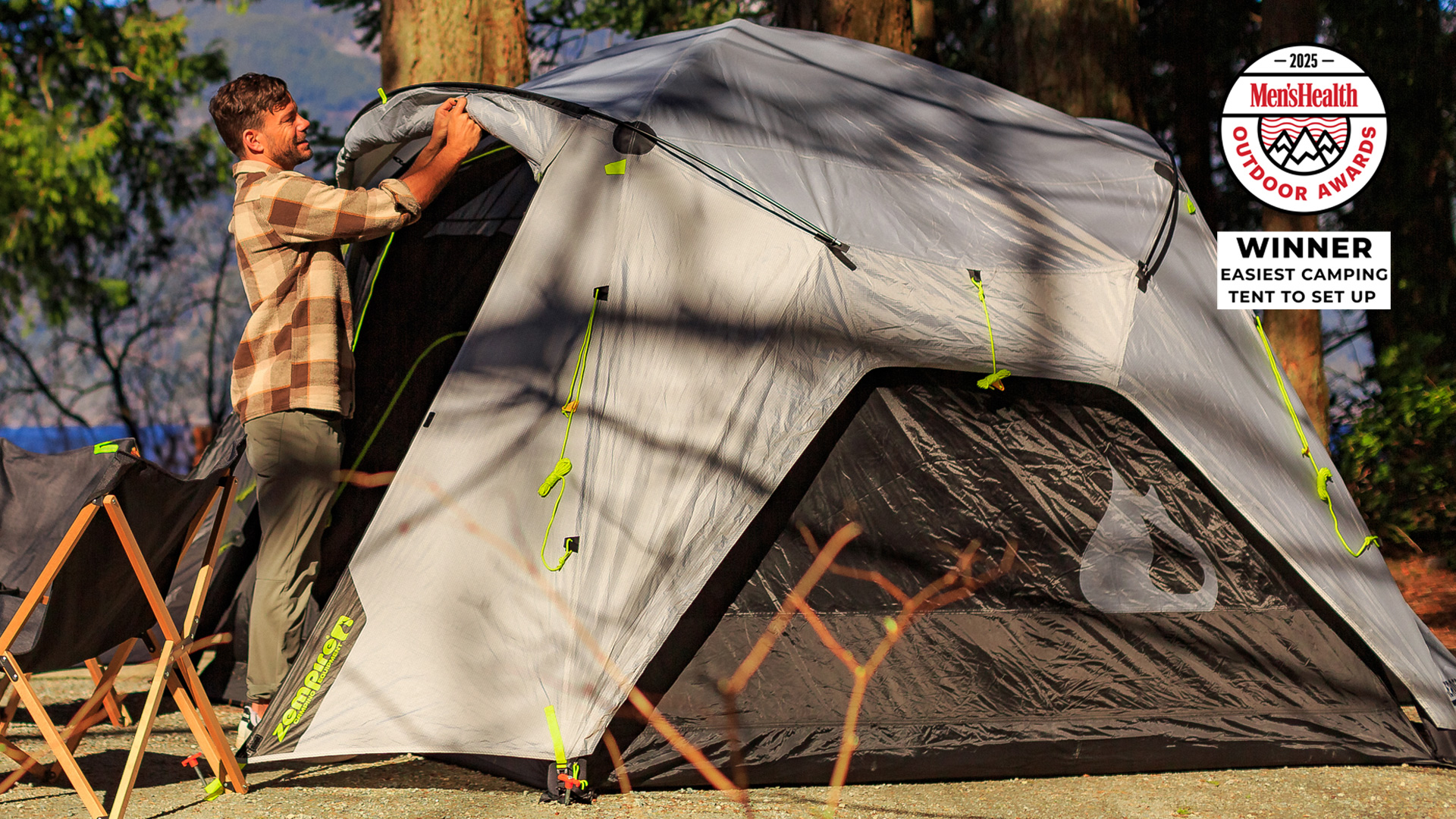
Tents often have built-in vents near the top or sides. These vents allow moist air to escape. Make sure to open them fully while camping.
Keep vents clear of gear or other objects. This lets air flow freely and reduces condensation inside the tent.
Opening Doors And Windows
Opening your tent’s doors and windows improves airflow. Even a small opening helps warm moist air leave the tent. This lowers the chance of condensation.
Try to open them during the day or when you are inside the tent. Close them at night to keep bugs out but keep vents open for air.
Setting Up In Windy Areas
Choose a spot where wind can reach your tent. A light breeze moves air through vents and openings. This stops moisture from building up inside.
Avoid spots blocked by trees or rocks. These block airflow and increase condensation risk. Set your tent where wind flows freely but is not too strong.
Credit: zempire.ca
Managing Moisture Inside The Tent
Condensation in tents happens when warm air meets cold surfaces. This creates moisture inside your shelter. Managing this moisture is key to staying dry and comfortable.
Simple habits can reduce wetness and keep your gear safe. Focus on controlling moisture sources and improving airflow.
Drying Clothes Outside
Wet clothes add a lot of moisture inside a tent. Always dry your clothes outside before bringing them in. If the weather is bad, hang clothes in a ventilated area near the tent entrance.
Keep these tips in mind for drying clothes:
- Use a clothesline or tree branches to hang clothes
- Turn clothes inside out to speed drying
- Avoid putting wet clothes on your sleeping bag or floor
- Check weather forecasts to plan drying times
Avoiding Cooking Inside
Cooking inside a tent creates steam that raises humidity fast. This moisture sticks to the tent walls and makes everything damp. Cook outside or under a shelter with good airflow.
Here are safe cooking practices to reduce moisture:
- Set up your stove away from the tent entrance
- Use a tarp or canopy to protect from rain
- Ventilate the area well if cooking near the tent
- Wait for steam to clear before going back inside
Using Moisture Absorbers
Moisture absorbers help reduce humidity inside the tent. These products soak up water vapor and lower condensation risks. Use them in small tents or during cold nights.
| Type | Benefits | Notes |
| Silica Gel Packs | Reusable, effective for small spaces | Recharge by drying in sun |
| Charcoal Briquettes | Absorbs moisture and odors | Wrap in cloth to avoid dust |
| Calcium Chloride | Strong moisture absorber | Use in sealed container |
Site Selection Tips
Choosing the right spot for your tent helps reduce condensation inside. Picking a good site keeps you dry and comfortable during your camping trip.
Look for places that stay dry and have good air flow. Avoid spots that hold moisture or trap cold air around your tent.
Avoiding Low-lying Areas
Low spots collect cold air and moisture. This makes condensation inside your tent worse. Choose higher ground to stay warmer and drier.
- Look for flat, elevated areas
- Avoid valleys or dips in the land
- Check for signs of past flooding
- Choose spots with good wind flow
Choosing Well-drained Ground
Wet or muddy ground adds moisture under your tent. Water seeps up and increases condensation. Pick soil that drains water fast.
| Type of Ground | Drainage Quality |
| Sand | Excellent |
| Gravel | Good |
| Loamy soil | Moderate |
| Clay | Poor |
| Peat | Very poor |
Setting Up Away From Water Sources
Water sources raise humidity around your tent. This causes more inside condensation. Set up your tent at least 200 feet from lakes, rivers, or streams.
Follow these tips to choose the best tent site:
- Check the distance from water
- Look for dry, raised spots
- Test the ground for dampness
- Avoid dense vegetation near water
Using Additional Gear
Condensation in tents happens when warm air meets cold surfaces. Using extra gear can reduce moisture inside your tent. This helps keep your camping experience dry and comfortable.
This guide covers two useful gear types: ground tarps and footprints, plus tent liners and rainflies. Both help stop condensation in different ways.
Ground Tarps And Footprints
Ground tarps and footprints create a barrier between the tent floor and the cold, wet ground. They prevent moisture from rising into your tent. Using them also protects your tent floor from damage.
- Choose a tarp or footprint slightly smaller than your tent’s base to avoid water pooling under the tent.
- Use waterproof materials to keep moisture out.
- Secure the tarp tightly to avoid wrinkles that trap water.
- Clean and dry the tarp before storing to prevent mildew.
Tent Liners And Rainflies
Tent liners add an extra layer inside your tent. They absorb moisture and reduce condensation on walls. Rainflies cover the tent and keep rain and dew away from the tent fabric.
| Gear | Function | Benefit |
| Tent Liner | Absorbs moisture inside the tent | Less condensation on tent walls |
| Rainfly | Protects tent from rain and dew | Keeps tent outer surface dry |
Daily Maintenance To Reduce Condensation
Condensation in tents can make your camping experience uncomfortable. Daily care helps keep your tent dry and fresh. Simple habits can reduce moisture build-up inside your tent.
Focus on cleaning surfaces and improving air flow. These actions lower dampness and stop water drops from forming.
Wiping Down Surfaces
After waking up, use a clean cloth to wipe moisture from tent walls and floor. This prevents water from pooling and keeps fabric dry.
- Use a soft, absorbent towel for wiping.
- Focus on corners and seams where moisture gathers.
- Dry any wet gear stored inside the tent.
- Avoid leaving wet clothes inside overnight.
- Open the tent doors for a short time to air out.
Managing Airflow Throughout The Night
Good airflow reduces humidity inside the tent. Keep vents open to let fresh air in and moist air out.
| Airflow Tip | Benefit |
| Open mesh windows | Allows air to circulate |
| Keep rainfly slightly lifted | Prevents moisture trapping |
| Use tent vents | Reduces inside humidity |
| Position tent in wind path | Improves natural ventilation |

Credit: www.reddit.com
Frequently Asked Questions
How Can I Prevent Tent Condensation Effectively?
To prevent condensation, ensure proper ventilation by opening vents and doors. Use a breathable tent with mesh panels. Avoid cooking inside, and keep wet gear outside. Position your tent to catch airflow and use a groundsheet that allows moisture to escape.
Why Does Condensation Form Inside My Tent?
Condensation forms when warm, moist air inside meets cooler tent surfaces. Your breath, sweat, and damp clothes add moisture. Without ventilation, this moisture condenses on tent walls, causing dampness. Proper airflow helps reduce this effect significantly.
What Tent Materials Reduce Condensation Risk?
Tents made with breathable fabrics like nylon or polyester with mesh panels reduce condensation. These materials allow moisture to escape while blocking rain. Avoid fully waterproof tents without ventilation, as they trap moisture inside, increasing condensation.
Does Tent Placement Affect Condensation Levels?
Yes, placing your tent in a windy area helps reduce condensation by improving airflow. Avoid low spots where cold air settles. Elevate the tent on dry, well-drained ground to minimize moisture buildup under the tent floor.
Conclusion
Stopping condensation in your tent keeps camping comfortable and dry. Ventilate your tent well to let moisture escape. Use a groundsheet to block wetness from below. Keep wet clothes outside or in a separate bag. Avoid cooking or boiling water inside the tent.
Small steps make a big difference on damp nights. Enjoy your camping trip without damp gear or soggy sleeping bags. Stay dry, stay happy.