Are you tired of struggling to carry your tent on your backpack? Knowing how to attach your tent properly can make your outdoor trips easier and more comfortable.
If your tent is bulky or awkward, it can throw off your balance or slow you down. But with the right technique, you can secure your tent so it stays steady and saves space. You’ll discover simple, effective ways to attach your tent to your backpack.
Keep reading, and you’ll never have to worry about your tent getting in the way again.
Credit: systainable.eu
Choosing The Right Tent
Attaching a tent to your backpack needs careful planning. Choosing the right tent makes carrying easier. It also ensures you have proper shelter on your trip.
Two key factors to consider are the tent’s size and weight, and the type of materials it is made from. These affect how well it fits on your backpack and how comfortable it will be to carry.
Tent Size And Weight
The size and weight of a tent determine how easy it is to attach and carry. A tent that is too big or heavy can strain your back and slow you down.
- Choose a tent size that fits your group size and gear needs.
- Look for lightweight tents designed for backpacking.
- Check the packed dimensions to see if it fits your backpack straps.
- Consider tents with compact packing designs.
Types Of Tent Materials
Tent materials affect durability, weight, and weather protection. Knowing these materials helps you pick a tent that suits your adventure.
| Material | Weight | Durability | Water Resistance |
|---|---|---|---|
| Nylon | Lightweight | Moderate | Good with coatings |
| Polyester | Moderate | High | Excellent |
| Cotton (Canvas) | Heavy | Very High | Good but needs treatment |
Selecting The Best Backpack
Choosing the right backpack is important for attaching your tent securely. The backpack should hold all your gear comfortably. It must also have features that make carrying easier.
Look for a backpack that fits your body well and offers enough space. The design should help you attach your tent without trouble.
Backpack Capacity And Features
Backpack capacity matters for carrying your tent and other gear. Choose a size that fits the length and weight of your tent. Extra pockets help organize smaller items.
- Capacity should match your trip length and gear
- Look for padded straps and back support
- Water-resistant materials protect your gear
- Ventilation keeps your back dry
- Multiple compartments help with organization
Attachment Points And Straps
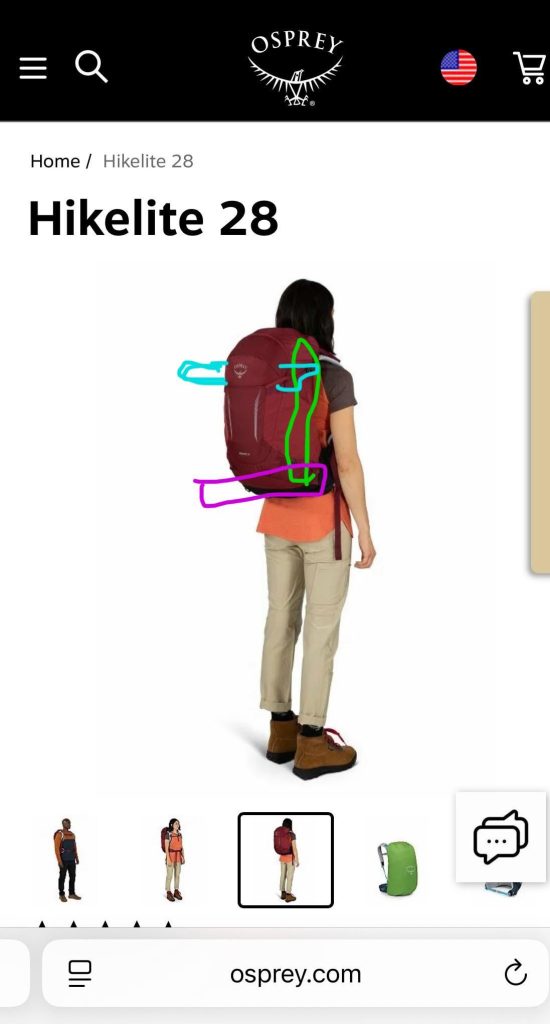
Attachment points and straps are key for securing your tent outside the backpack. Check for loops, daisy chains, and compression straps. These make it easy to tie down your tent.
| Attachment Feature | Purpose | Tip |
| Daisy Chains | Provide multiple tying points | Use for securing tent poles |
| Compression Straps | Compress and hold gear tightly | Use around tent body for stability |
| Gear Loops | Attach carabiners or hooks | Great for hanging tent bags |
| Side Straps | Hold bulky items externally | Use for rolled tents or pads |
Preparing Your Tent For Attachment
Attaching a tent to your backpack needs some preparation. Proper packing keeps your load balanced and safe.
Folding and securing your tent well helps save space and prevents damage during your hike.
Folding And Rolling Techniques
Fold your tent flat to remove air and create a slim shape. This makes it easier to attach.
Roll the tent tightly from one end to the other. Use even pressure to keep it firm and compact.
- Lay the tent on a clean surface
- Fold the tent into a narrow rectangle
- Roll tightly from one end
- Secure with straps or cords
Securing Tent Accessories
Keep tent poles, stakes, and rainfly together. Use a separate bag or bundle them tightly.
Attach accessories to the backpack using straps or mesh pockets. This stops them from moving around.
- Bundle poles and stakes with elastic bands
- Use a small bag for loose parts
- Attach accessories to side straps or loops
- Check attachments before starting your hike
Attachment Methods For Tents
Attaching a tent to your backpack keeps your gear organized. It also saves space inside the pack. There are several ways to secure your tent safely.
Choosing the right method depends on your backpack and tent type. Each method offers different benefits for hiking and camping.
Using Compression Straps
Compression straps are built into most backpacks. They help tighten and hold bulky items like tents outside the pack.
Wrap the tent tightly with the straps. This reduces movement while walking. It also keeps the tent secure in place.
- Place tent on the side or bottom of the pack
- Use the compression straps to squeeze the tent firmly
- Check straps for tightness before hiking
Employing Bungee Cords
Bungee cords offer flexible attachment for tents. They stretch to fit different sizes and shapes of gear.
Secure the tent by looping bungee cords around it and the backpack. This method is quick and adjustable on the trail.
- Loop cords through tent loops or poles
- Hook cords to backpack frame or loops
- Pull cords tight to reduce swinging
Utilizing Carabiners And Clips
Carabiners and clips attach tents using anchor points. These tools make it easy to clip and unclip gear fast.
Use carabiners on tent loops and backpack straps. This method keeps the tent secure and easy to access.
- Clip tent loops to backpack gear loops
- Use multiple carabiners for better hold
- Check clips regularly for safety
Balancing Weight And Stability
Attaching a tent to your backpack needs careful weight balance. Proper balance keeps you steady on rough trails.
Stable gear reduces strain and helps you hike longer without discomfort or danger.
Positioning The Tent On The Backpack
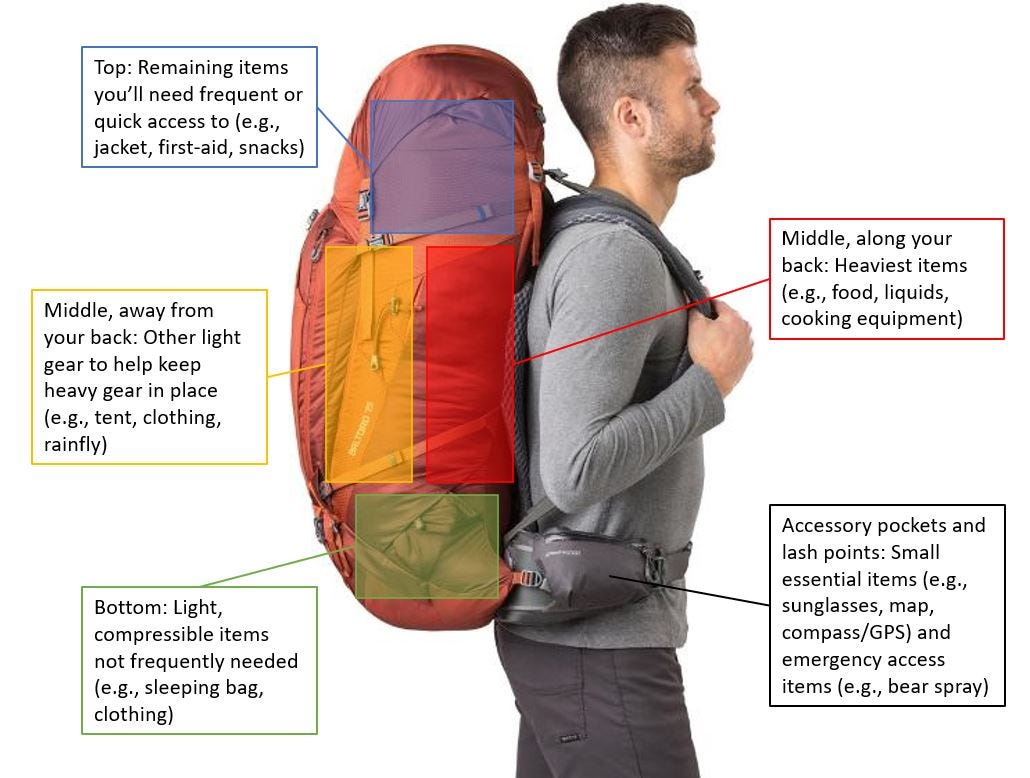
Place the tent where it keeps your backpack’s center of gravity low. This helps avoid tipping.
Attach heavier parts of the tent close to your back. Keep lighter parts toward the outside.
- Use the bottom straps to secure the tent near the pack base.
- Keep the tent tight against the pack to avoid gaps.
- Balance the tent evenly on both sides if it wraps around.
Preventing Movement During Hiking
Secure the tent to stop it from shifting as you walk. Movement can throw off your balance.
Tighten all straps and use extra ties if needed. Check straps before starting your hike.
- Use compression straps to hold the tent firmly.
- Add extra cords if your pack has loops or daisy chains.
- Cover the tent with a rain cover to reduce wind sway.
- Recheck attachments during breaks to keep everything secure.

Credit: www.reddit.com
Waterproofing And Protection Tips
Attaching your tent to your backpack needs care to keep it dry and clean. Protecting your tent helps it last longer on trips.
Using the right tools and techniques stops water and dirt from damaging your tent while you hike or camp.
Using Dry Bags And Covers
Dry bags keep your tent safe from water and moisture. They are made from waterproof material that seals tightly.
Backpack covers add an extra layer of protection. They shield your tent from rain and splashes during the hike.
- Choose dry bags with strong seals to keep water out
- Pick covers that fit your backpack size well
- Use both dry bags and covers for the best protection
Shielding From Rain And Dirt
Rain and dirt can damage your tent fabric and poles. Protect it by attaching it properly and covering exposed parts.
Keep the tent off the ground and away from mud. Use straps or bungee cords to secure it tightly to your pack.
- Wrap the tent in a waterproof tarp or plastic sheet
- Secure the tent high on your backpack to avoid splashes
- Check and tighten straps often during your hike
Safety And Comfort Considerations
Attaching a tent to your backpack needs care. Doing it right keeps you safe and comfortable.
Think about how the tent affects your balance and ease of use. This helps avoid accidents and pain.
Avoiding Strain And Injury
Place the tent so it does not pull your backpack unevenly. Keep weight close to your back.
Use straps to secure the tent tightly. Loose gear can cause you to lose balance and fall.
- Attach the tent low and centered on the backpack
- Use all available straps to hold the tent firmly
- Check straps often to keep them tight
- Avoid overloading one side to balance weight
Maintaining Backpack Accessibility
Make sure you can reach your backpack pockets easily. Do not block zippers or compartments.
Keep frequently used items free from the tent’s straps or cover. This saves time and effort on the trail.
- Attach the tent where it won’t cover important pockets
- Leave space to open backpack compartments fully
- Keep small gear accessible without unpacking the tent
Troubleshooting Common Issues
Attaching your tent to your backpack can be tricky. Problems like loose straps or damage may happen.
Knowing how to fix these issues helps keep your gear safe and ready for your trip.
Loose Attachments
Loose attachments can cause your tent to swing or fall off. This makes hiking harder and risks damage.
- Check all straps and buckles before you start walking.
- Tighten loose straps firmly but avoid over-tightening, which can damage the fabric.
- Use extra cords or bungee cords to secure the tent if needed.
- Attach the tent close to your backpack frame to reduce swinging.
Damage Prevention
Preventing damage to your tent and backpack saves money and ensures your gear lasts longer.
| Common Cause | Prevention Tip |
| Straps rubbing against sharp edges | Check for sharp objects and pad straps if needed |
| Over-tightened straps | Secure straps firmly but do not over-tighten |
| Exposure to rain and dirt | Cover tent with a protective bag or rain cover |
| Heavy weight on thin straps | Distribute tent weight evenly across wider straps |
Expert Packing Hacks
Attaching your tent to your backpack saves space inside. It also keeps your gear ready to use.
Using smart packing tricks makes your hike easier. You can carry more without feeling heavy.
Maximizing Space
Roll your tent tightly to reduce bulk. Use compression straps to keep it compact.
Attach the tent at the bottom or side of your backpack. This frees up space inside for other items.
- Remove extra bags or stuff sacks
- Use mesh bags to reduce weight
- Keep tent poles inside the tent bundle
- Secure with adjustable straps or bungee cords
Quick Setup Tips
Place the tent where you can reach it fast. This helps you set up camp quickly after hiking.
Keep tent stakes and rain fly in the same bag. It stops you from losing small parts on the trail.
- Attach tent bottom facing down for easy grab
- Use quick-release clips on straps
- Label tent bag for fast identification
- Practice packing and unpacking before your trip

Credit: www.reddit.com
Frequently Asked Questions
How Do I Securely Attach A Tent To My Backpack?
Use the backpack’s external straps or loops to fasten the tent. Roll the tent tightly and place it horizontally or vertically. Use strong cords or carabiners to ensure it stays stable during movement.
What Is The Best Position For Tent Attachment?
Attach the tent at the bottom or side of your backpack. Bottom placement keeps the center of gravity low. Side attachment is good if the tent is lightweight and compact.
Can I Attach A Wet Tent To My Backpack?
Avoid attaching a wet tent directly to your backpack. It can cause mold and damage your gear. Use a waterproof bag or cover to protect both your backpack and the tent.
What Equipment Helps In Attaching A Tent Efficiently?
Use compression straps, bungee cords, or carabiners. These tools provide a secure hold and quick release. They help distribute the tent’s weight evenly and prevent swinging.
Conclusion
Attaching a tent to your backpack saves space and keeps gear organized. Use straps or cords to secure the tent tightly. Place it where it won’t block your movement or balance. Check the knots and straps before you start hiking.
This way, your tent stays safe and easy to carry. Practice a few times to find what works best for you. Enjoy your outdoor adventure with less hassle and more comfort.