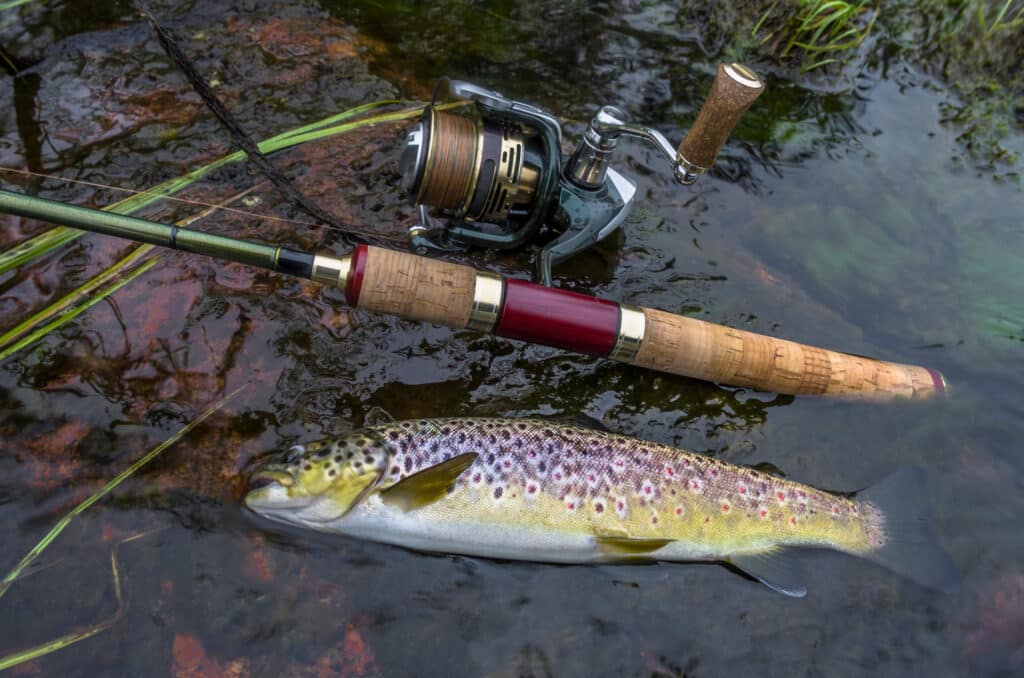
Are you ready to catch more trout on your next fishing trip? Setting up your fishing rod the right way can make all the difference between a frustrating day and a successful one.
Imagine feeling the thrill of a trout tugging on your line, knowing your gear is perfectly prepared to land it. In this guide, you’ll learn simple, step-by-step tips to set up your fishing rod like a pro. Whether you’re a beginner or want to improve your skills, this article will help you get it right every time.
Keep reading to discover how easy it can be to boost your trout fishing success.
Choosing The Right Rod
Picking the right fishing rod is key for catching trout. The rod helps you cast and feel the fish bite.
Think about rod length, action, and material. These features affect how well you fish.
Rod Length And Action
Rod length changes how far you can cast. A longer rod casts farther but can be harder to control.
Rod action means how much the rod bends. Fast action rods bend near the tip. Slow action rods bend near the base.
- Short rods (5-6 feet) are good for small streams.
- Long rods (7-9 feet) help with longer casts in open water.
- Fast action rods give quick hook sets.
- Slow action rods help with gentle casting and fighting fish.
Material Considerations
Fishing rods come in different materials. Each material changes how the rod feels and works.
Graphite rods are light and sensitive. Fiberglass rods are stronger but heavier. Composite rods mix both materials.
- Graphite rods are best for feeling small bites.
- Fiberglass rods are good for rough conditions.
- Composite rods balance strength and sensitivity.
Selecting The Reel
Choosing the right reel is important for trout fishing. The reel helps you cast and control the line.
Different reels work better for certain fishing styles and rod setups. Pick a reel that suits your needs.
Spinning Vs. Baitcasting
Spinning reels are easier to use and good for beginners. They let you cast light lures far.
Baitcasting reels give more control and power. They are better for heavier lures and precise casts.
- Spinning reels work well with light lines and small lures.
- Baitcasting reels handle heavier lines and bigger fish.
- Spinning reels are less likely to tangle.
- Baitcasting reels require some practice to use well.
Reel Size And Drag System
Pick a reel size that matches your rod and fishing style. Medium size reels work best for trout.
The drag system helps control the fish when it pulls line. Look for a smooth, adjustable drag.
- Small to medium reels fit light trout rods.
- Drag should be easy to adjust during the fight.
- Strong drag prevents line breakage on big trout.
- Test drag smoothness before buying the reel.
Picking The Line
Choosing the right fishing line is key for catching trout. The line affects your cast, hook set, and fish fight.
Think about the type, strength, and visibility of the line. These help you fish better in different waters.
Line Types For Trout
There are three main line types used for trout fishing: monofilament, fluorocarbon, and braided lines. Each has its own benefits.
Monofilament is stretchy and easy to handle. Fluorocarbon is less visible underwater. Braided lines are strong and thin.
- Monofilament:Good for beginners and easy to cast.
- Fluorocarbon:Hard to see in water, good for clear lakes and rivers.
- Braided:Very strong and sensitive, but more visible.
Strength And Visibility
Pick a line strength that matches the size of trout you want to catch. Too strong can scare fish, too weak may break.
Visibility matters because trout can see the line. Clear or light lines work best in clear water.
| Line Strength (Pounds) | Best For | Visibility |
|---|---|---|
| 4-6 lbs | Small to medium trout | Low to medium |
| 6-8 lbs | Medium trout | Low to medium |
| 8-10 lbs | Larger trout or heavy cover | Medium |

Credit: www.youtube.com
Attaching The Line To The Reel
Attaching the fishing line to the reel is the first step in setting up your rod for trout fishing. A secure connection helps the line spool evenly and reduces the chance of problems while fishing.
Using the right technique to attach the line makes your fishing experience smoother. It also helps keep the line strong and ready for trout.
Spooling Techniques
Spooling the line onto the reel correctly is important. This process fills the reel with line without causing tangles or loose loops.
Start by threading the line through the rod guides from tip to reel. Tie the line to the reel spool using a strong knot, like the arbor knot. Pull the line tight to secure it.
- Hold the spool of line so it spins the same way as the reel.
- Keep light tension on the line as you wind it onto the reel.
- Fill the spool until it is about 1/8 inch from the edge.
Avoiding Line Twist
Line twist causes tangles and weak spots. Preventing it keeps your fishing smooth and strong.
Make sure the line spool faces the right way when attaching it. The line should come off the spool in the same direction as the reel turns. This stops the line from twisting as you reel in.
- Check the line direction before spooling.
- Keep steady tension while spooling the line.
- Use swivel connectors to reduce twist when fishing.
- Remove any twists by letting the line hang and untwist before use.
Tying Knots For Trout Fishing
Tying strong knots is important for trout fishing. Good knots keep your bait and hook secure. This helps you catch more fish without losing tackle.
Two popular knots for trout fishing are the Improved Clinch Knot and the Palomar Knot. Each knot works well with different types of lines and rigs.
Improved Clinch Knot
The Improved Clinch Knot is easy to tie and very strong. It is good for attaching your fishing line to hooks, lures, or swivels. This knot holds well with light and medium fishing lines.
To tie this knot, thread the line through the hook eye. Wrap the tag end around the line five to seven times. Then, pass the tag end through the loop near the eye and back through the big loop. Pull tight and trim the excess line.
- Thread line through hook eye
- Wrap line 5-7 times around the main line
- Pass tag end through small loop near eye
- Pass tag end back through big loop
- Pull tight and trim excess
Palomar Knot
The Palomar Knot is strong and simple. It works well with braided and monofilament lines. This knot is great for keeping your hook or lure from slipping.
To tie the Palomar Knot, double about six inches of line. Pass the loop through the hook eye. Tie a loose overhand knot with the doubled line. Pull the hook through the loop. Pull both ends to tighten and trim the extra line.
- Double 6 inches of line
- Pass loop through hook eye
- Tie loose overhand knot
- Pull hook through loop
- Tighten and trim excess
Adding Leaders And Tippets
Setting up a fishing rod for trout needs careful attention to leaders and tippets. These parts help present the bait naturally and improve your chance to catch fish.
Choosing the right material and size for your leader and tippet is important. It depends on water clarity, fish behavior, and fishing conditions.
Fluorocarbon Vs. Monofilament
Fluorocarbon and monofilament are the two main materials used for leaders and tippets. Each has its strengths and weaknesses for trout fishing.
- Fluorocarbon:Nearly invisible underwater, sinks faster, and resists abrasion well.
- Monofilament:More stretch, floats better, and is easier to tie knots.
- Fluorocarbon works well in clear water and for spooky fish.
- Monofilament suits slower water and when you want a softer presentation.
- Both materials vary in price, with fluorocarbon generally costing more.
Leader Length And Strength
The length and strength of your leader and tippet affect how trout see your fly and how well you can land fish.
| Leader Length | Recommended Use |
| 7 to 9 feet | Clear water and cautious trout |
| 5 to 7 feet | Fast water or heavy cover |
| 9+ feet | When you need extra distance or delicate presentation |
| Leader Strength | Recommended Use |
| 2X to 4X (4 to 6 lb test) | Most trout fishing situations |
| 5X and lighter (2 to 3 lb test) | Small trout or very clear water |
| 1X or stronger (7 lb+ test) | Big trout or snaggy areas |
Choosing And Setting Up Lures And Baits
Setting up your fishing rod for trout starts with picking the right lures and baits. The right choice helps attract trout and improves your catch rate.
Knowing how to present your bait or lure makes a big difference. It helps the trout see and bite your bait easily.
Popular Trout Lures
Many anglers use small, shiny lures that move like real fish. These lures catch trout attention and trigger strikes.
- Spoons – Flash and wobble to attract trout.
- Spinners – Spin to create vibrations and flash.
- Soft plastics – Imitate worms or small creatures.
- Crankbaits – Dive and bounce to mimic injured fish.
Choosing the right size and color depends on the water and weather conditions. Bright colors work well in murky water.
Bait Presentation Tips
How you present bait affects trout’s interest. Keep your bait natural and easy to notice without scaring fish away.
Use light line and small hooks to make bait look real. Move your bait slowly to match trout behavior.
- Cast near rocks or logs where trout hide.
- Let bait drift naturally with the current.
- Keep bait just off the bottom or mid-water.
- Use small, gentle twitches to mimic live prey.
Adjusting Drag And Reel Settings
Setting the drag and reel correctly is key for trout fishing. These adjustments help you control the fish and keep your line safe.
Learn to set your drag and reel for smooth casting and better hook sets on trout.
Setting Proper Drag
The drag controls how much resistance the fish feels when pulling the line. Too tight drag can snap the line. Too loose drag lets the fish run free.
- Start by tightening the drag knob all the way.
- Then slowly loosen it until you can pull the line with moderate effort.
- Test by pulling the line by hand to feel the resistance.
- Adjust drag so the fish can pull line without breaking it.
- Remember, drag settings may change with the fish size and line strength.
Line Retrieval Speed
Line retrieval speed affects how fast you reel in the fish and reset for the next cast. Choose a speed that matches your fishing style.
| Reel Setting | Use Case | Tip |
|---|---|---|
| Slow Speed | Small trout or close casting | Better control and less line twist |
| Medium Speed | General trout fishing | Balanced retrieval and casting |
| Fast Speed | Large trout or quick resets | Retrieve line quickly but watch for tangles |
Maintaining Your Fishing Rod Setup
Keeping your fishing rod in good shape helps you catch trout better. Simple care keeps the rod working well for a long time.
Two main parts to maintenance are cleaning and storage, and regular inspection of the rod and its parts.
Cleaning And Storage
After fishing, clean your rod to remove dirt, salt, and debris. Use fresh water and a soft cloth. Dry it well before storing.
- Rinse the rod with fresh water
- Wipe down guides and reel seat
- Check for sticky or rough spots
- Store rod in a dry, cool place
- Use a rod sleeve or case for protection
Regular Inspection
Look over your rod often to find cracks, loose guides, or worn parts. Fix problems before they get worse.
| Part | What to Check | Action if Damaged |
| Rod Blank | Cracks or deep scratches | Stop use; repair or replace |
| Guides | Loose or bent rings | Tighten or replace guides |
| Reel Seat | Secure fit | Tighten or service reel seat |
| Handle | Wear or damage | Clean or replace grip |

Credit: www.chromecatchers.com

Credit: www.youtube.com
Frequently Asked Questions
What Is The Best Fishing Rod Length For Trout?
A 6 to 7-foot rod is ideal for trout fishing. It offers good control and sensitivity. This length works well in streams and lakes. It balances casting distance and accuracy effectively.
Which Fishing Line Strength Suits Trout Fishing?
Use a 4 to 8-pound test fishing line for trout. This range provides good strength and subtlety. It helps detect bites without spooking the fish. Choose fluorocarbon or monofilament for better invisibility underwater.
How To Rig A Fishing Rod For Trout?
Attach a small hook and a split shot weight to your line. Add a bobber if fishing floats. Use live bait or artificial lures. Adjust the setup based on water depth and current.
What Type Of Reel Is Best For Trout Rods?
A spinning reel is best for trout fishing. It’s easy to use and versatile. Spinning reels handle light lines well and offer smooth casting. They suit both beginners and experienced anglers.
Conclusion
Setting up your fishing rod right helps catch more trout. Choose the right rod, reel, and line carefully. Tie strong knots to keep your bait secure. Adjust your drag to match fish size and strength. Practice casting smoothly for better accuracy.
Remember, patience and practice improve your fishing skills. Enjoy the quiet time by the water. Each trip teaches you something new. Keep trying, and trout fishing will become more fun.