Are you tired of struggling to install an air conditioner in a window that just won’t fit? Or maybe you don’t have a window that opens the right way, but you still want to keep your space cool and comfortable.
You might be wondering, is there an air conditioner that doesn’t need a window at all? The answer could change the way you beat the heat forever. Keep reading to discover smart cooling options designed just for you—no window required.
Types Of Windowless Air Conditioners
Not all air conditioners need a window to work. Some types cool rooms without using a window. These options suit homes without good window space.
Here are three common types of air conditioners that do not require a window for installation or operation.
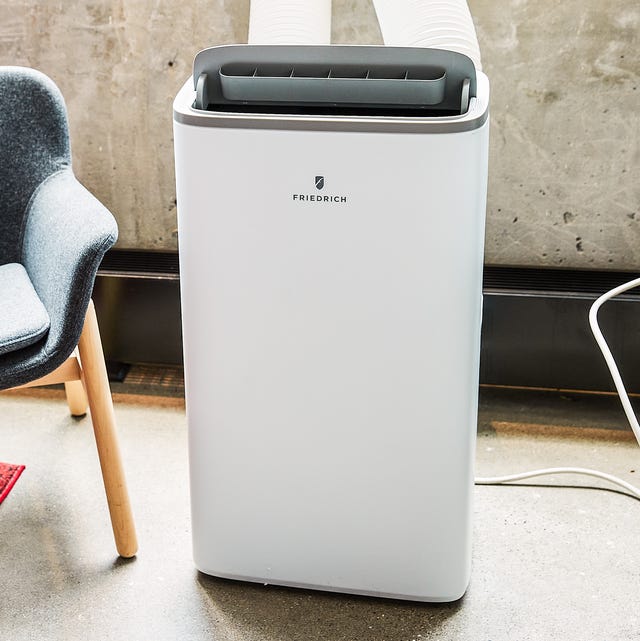
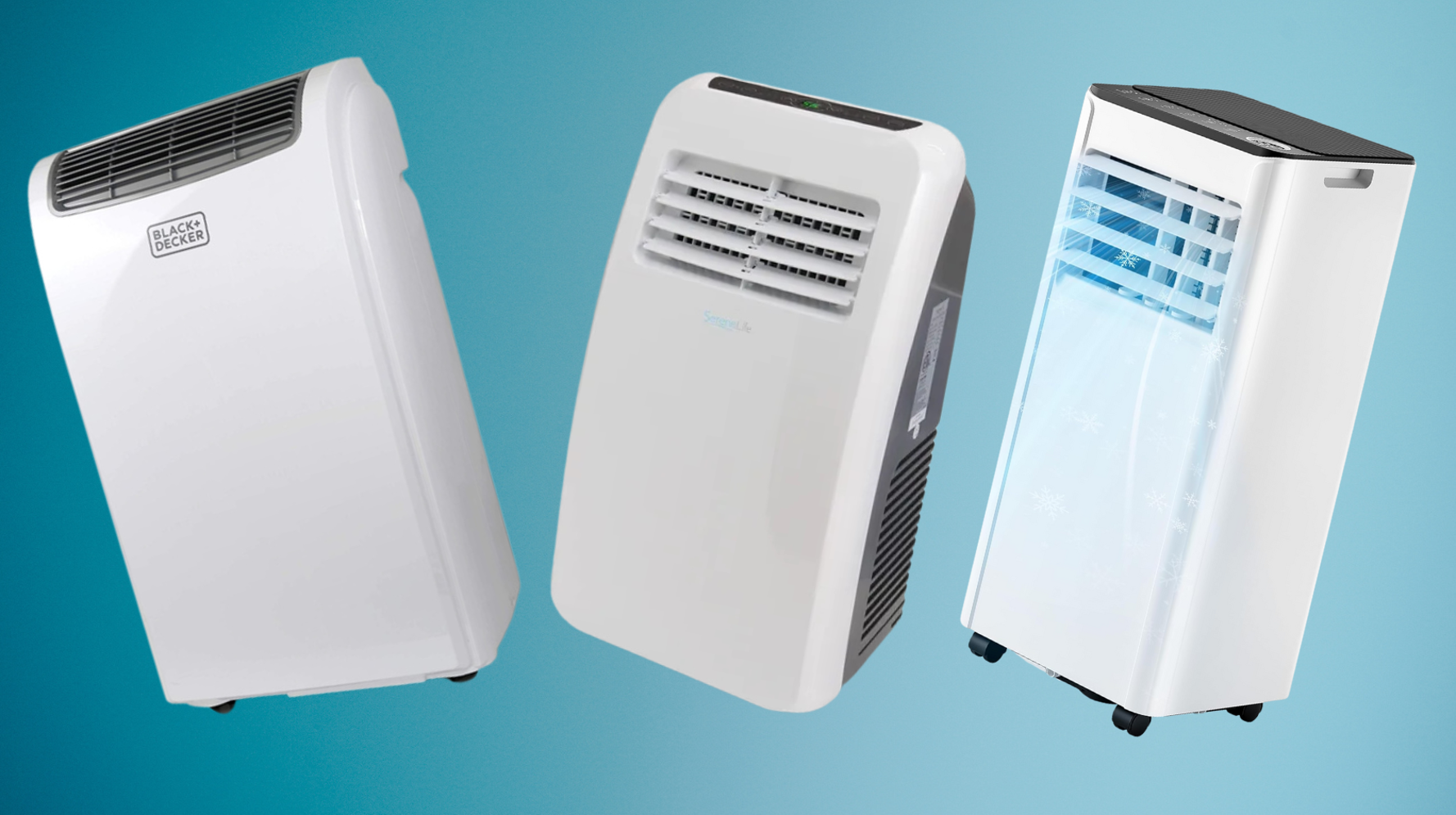
Portable Air Conditioners
Portable air conditioners are easy to move from one room to another. They have wheels and a hose to vent hot air outside.
These units need a way to release hot air, usually through a door or a small window vent kit. They do not need a permanent window installation.
Ductless Mini-split Systems
Ductless mini-split systems have two main parts. One part stays outside, and the other goes inside the room.
They cool air without using a window. These systems connect through small holes in the wall for pipes and wires. They are quiet and energy efficient.
Evaporative Coolers
Evaporative coolers cool air by adding moisture. They work best in dry climates and do not need a window for venting.
These coolers pull warm air through wet pads. The air gets cooler and moves into the room. They are simple and use less energy.

Credit: www.cnet.com
How Portable Air Conditioners Work
Portable air conditioners cool rooms without needing a window unit. They move warm air outside and bring cool air inside.
These units are easy to move and can work in different rooms. They use hoses to vent hot air out.
Single-hose Models
Single-hose portable air conditioners use one hose to push hot air outside. This hose connects to a window or vent.
They pull air from the room, cool it, and blow warm air out through the hose. This can cause pressure changes inside.
- One hose for exhaust
- Easy to install
- May reduce room pressure
Dual-hose Models
Dual-hose models have two hoses. One brings air from outside to cool the unit. The other pushes hot air outside.
This design keeps room pressure balanced. It cools rooms faster and uses less energy than single-hose models.
- One hose for intake air
- One hose for exhaust air
- Better cooling efficiency
Ventilation Requirements
All portable air conditioners need ventilation to work well. The hoses must vent hot air outside.
Without proper ventilation, the unit cannot cool the room effectively. Venting usually requires a window or wall opening.
- Use window kits for hose installation
- Ensure hose is not blocked
- Keep vents clean for airflow
Benefits Of Ductless Mini-split Systems
Ductless mini-split systems are a popular choice for air conditioning without windows. They offer many benefits for homes and offices. These systems do not require large openings or window units.
Understanding their advantages can help you decide if a ductless mini-split is right for your space. Below are key benefits to consider.
Energy Efficiency
Ductless mini-splits use less energy compared to traditional window air conditioners. They have advanced compressors that adjust power based on room temperature.
- Reduce electricity bills by using only needed power
- Heat and cool rooms separately for better control
- High Seasonal Energy Efficiency Ratio (SEER) ratings
- Less energy loss since no ductwork is needed
Installation Flexibility
These systems can be installed almost anywhere. They do not require a window or large hole in the wall. This flexibility suits many building types.
| Installation Feature | Benefit |
| No Window Required | Works in rooms without windows |
| Small Wall Opening | Only a small hole for piping and wiring |
| Multiple Indoor Units | Cool several rooms with one outdoor unit |
| Wall Mount or Ceiling Mount | Fits different room layouts |
Quiet Operation
Ductless mini-splits operate quietly inside the room. Their design reduces noise from the compressor and fan. This makes them ideal for bedrooms and offices.
- Indoor units produce sound levels as low as 19 decibels
- Outdoor units are placed away from living spaces
- Quiet cooling improves comfort and concentration

Credit: www.cnet.com
Using Evaporative Coolers Indoors
Evaporative coolers offer a way to cool indoor spaces without needing a window. These devices use water and air to lower the temperature.
They work differently from traditional air conditioners and can be useful in certain indoor settings.
Cooling Mechanism
Evaporative coolers cool air by passing it through water-saturated pads. As the air moves through, water evaporates and cools the air. This cooled air then flows into the room.
Best Environments For Use
- Dry climates with low humidity
- Rooms with good airflow
- Spaces where window installation is not possible
- Areas without sealed windows or doors
Limitations
| Limitation | Description |
| Humidity Increase | Adds moisture to the air, which can feel uncomfortable in humid areas |
| Cooling Power | Less effective in very hot and humid environments |
| Water Supply | Needs a steady supply of water to work properly |
| Air Circulation | Requires good ventilation to avoid dampness inside |
Installation Tips For Windowless Units
Air conditioners that do not need a window are a good option for many rooms. These units need special care to install properly.
Good installation helps the unit work well and last longer. It also keeps the room cool and comfortable.
Placement Considerations
Choose a spot that has enough space around the unit. Avoid placing it near heat sources or direct sunlight.
Make sure the floor is flat and strong enough to hold the unit’s weight. Keep the area free from dust and dirt.
- Leave at least 12 inches of space on all sides
- Do not block air intake or outlet vents
- Keep away from lamps, heaters, or other heat sources
Proper Venting Solutions
Windowless air conditioners need a way to push hot air outside. Use a vent hose to remove warm air from the room.
Place the vent hose near a door, wall vent, or ceiling vent. Avoid long or bent hoses to keep air flowing well.
- Use a vent kit made for your air conditioner model
- Keep the hose straight and short as possible
- Seal gaps around the vent to stop air leaks
Maintenance Needs
Clean the filter regularly to keep air flowing well. Dirty filters reduce cooling and can cause damage.
Check the vent hose for blockages or cracks. Replace parts as needed to keep the unit working efficiently.
- Clean or replace filters every 2-4 weeks
- Inspect vent hose monthly for damage
- Wipe the unit’s exterior with a damp cloth
Credit: www.huffpost.com
Comparing Costs And Efficiency
Air conditioners that do not need a window offer different costs and energy use. Choosing the right type can save money and power.
We will look at upfront investment, energy consumption, and long-term savings to help you compare.
Upfront Investment
Non-window air conditioners include portable, ductless mini-split, and evaporative coolers. Each has a different purchase price and setup cost.
- Portable units cost less but may need frequent replacement.
- Ductless mini-splits have a higher price and professional installation.
- Evaporative coolers are low cost but work best in dry climates.
Energy Consumption
Energy use varies by air conditioner type. Efficiency affects electricity bills and environmental impact.
| Type | Energy Use (kWh) | Efficiency Rating (SEER) |
|---|---|---|
| Portable AC | 1.0 – 1.5 | 8 – 10 |
| Ductless Mini-Split | 0.5 – 1.0 | 16 – 22 |
| Evaporative Cooler | 0.1 – 0.3 | N/A |
Long-term Savings
Saving money over time depends on energy use and maintenance costs. Some models are cheaper to run and keep longer.
- Ductless mini-splits save more on energy bills.
- Portable units may cost more due to lower efficiency.
- Evaporative coolers cut costs in dry areas but are less effective in humidity.
- Regular maintenance improves efficiency and lifespan.
Alternatives To Traditional Air Conditioning
Many people want to cool their homes without using a window air conditioner. There are several options that do not need a window. These alternatives can help keep your space cool in different ways.
These options use less energy or work differently than traditional AC units. You can find solutions that fit your needs and home setup.
Fans And Air Circulators
Fans move air to create a cooling effect on your skin. They do not lower the room temperature but make you feel cooler. Air circulators are stronger fans that spread air evenly in a room.
Fans are easy to use and do not need windows. They are also energy-efficient and come in many sizes.
- Ceiling fans cool by moving air downwards
- Desk and tower fans cool small spaces
- Air circulators help air flow in larger rooms
- Fans work best with open doors or vents
Thermoelectric Coolers
Thermoelectric coolers use a special plate that cools one side when powered. They do not need a window or vent. These coolers are small and quiet, making them good for personal use.
They work best in small areas like bedrooms or offices. Thermoelectric coolers use less energy than traditional AC units but cool less air.
- Cool small spaces or single rooms
- Do not require window installation
- Use a fan to spread cool air
- Best for personal cooling needs
Cooling Curtains And Shades
Cooling curtains and shades block sunlight and heat from entering your home. They reduce the indoor temperature by stopping heat before it gets inside. These do not need windows and work all day.
They are easy to install on any window and help lower cooling costs. Some curtains have special materials that reflect heat better.
- Block direct sunlight and heat
- Reflect heat away from windows
- Help keep rooms cooler naturally
- Easy to use with any window type
Frequently Asked Questions
Can Air Conditioners Work Without Window Installation?
Yes, some air conditioners like portable and ductless units work without windows. They use vents or hoses for air circulation.
What Types Of Ac Units Don’t Need Window Mounts?
Portable ACs, ductless mini-splits, and evaporative coolers don’t require window installation. They offer flexible cooling options for various spaces.
How Do Portable Air Conditioners Vent Without A Window?
Portable ACs use flexible exhaust hoses that vent through sliding doors or wall openings. This setup avoids the need for traditional windows.
Are Ductless Mini-split Acs More Efficient Than Window Units?
Yes, ductless mini-splits offer better energy efficiency and quieter operation. They cool rooms effectively without window constraints.
Conclusion
Air conditioners that do not need a window offer flexible cooling options. Portable and ductless mini-split units work well in many rooms. They save space and avoid window installation hassles. These units cool effectively and move easily from room to room.
Choosing the right type depends on your needs and budget. Cooling your space without a window unit is possible and practical. Consider these options to stay comfortable all summer long.