Are you curious if upgrading your exhaust system can actually boost your car’s horsepower? You’ve probably heard mixed opinions and wonder what’s really true.
The idea of squeezing more power from your engine sounds exciting, but does a new exhaust system deliver on that promise? You’ll discover how exhaust systems impact your vehicle’s performance and whether investing in one is worth it for your ride.
Keep reading to find out how you can unlock your car’s hidden potential.
How Exhaust Systems Impact Power
Exhaust systems play a key role in an engine’s power output. They help remove gases after combustion.
The design and condition of the exhaust affect how efficiently the engine runs. This impacts horsepower.
Role Of Exhaust In Engine Efficiency
The exhaust system clears out spent gases from the engine cylinders. This allows fresh air and fuel to enter.
Good flow in the exhaust reduces back pressure. Lower back pressure helps the engine breathe better.
When the engine breathes better, it burns fuel more efficiently. This can increase power and performance.
Types Of Exhaust Systems
- Single Exhaust: One pipe carries gases out from the engine.
- Dual Exhaust: Two pipes allow gases to exit faster, improving flow.
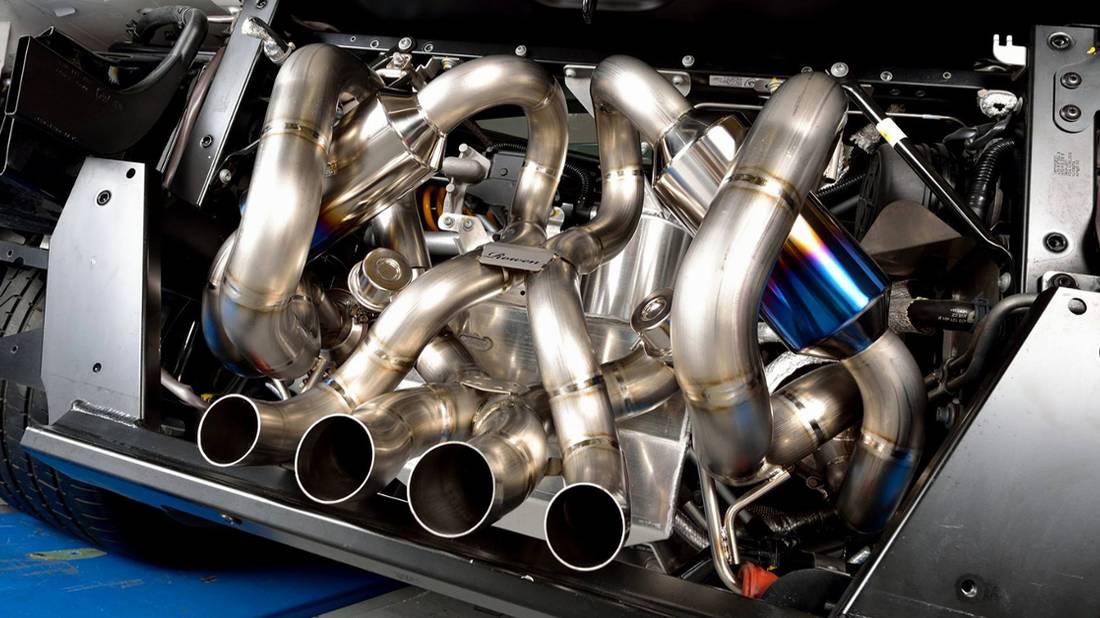
- Headers: Replace stock manifolds with smooth tubes to increase exhaust flow.
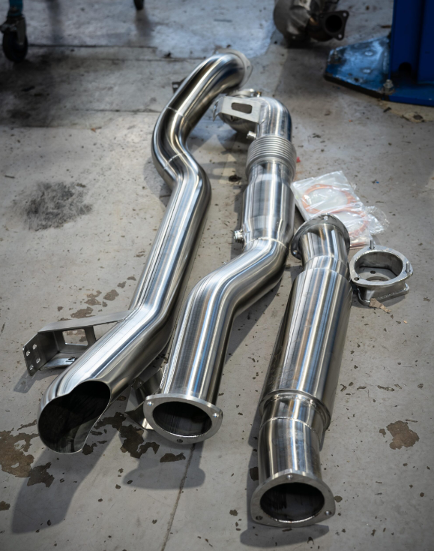
- Cat-Back Systems: Replace parts from the catalytic converter back for better sound and power.
Each type changes how exhaust gases move and affects engine output differently.
Stock Vs Aftermarket Systems
| Feature | Stock Exhaust | Aftermarket Exhaust |
| Design | Made for noise control and emissions | Focus on better flow and sound |
| Material | Often steel or mild metals | Usually stainless steel or lighter alloys |
| Performance | Limited horsepower gains | Can increase horsepower and torque |
| Sound | Quieter and muffled | Louder and sportier |
| Cost | Usually less expensive | More costly but better quality |

Credit: www.spelabautoparts.com
Performance Gains From Upgraded Exhausts
Upgrading your exhaust system can help your engine breathe better. This can lead to improved performance and efficiency.
Many car owners wonder if changing the exhaust really adds horsepower. Understanding how exhaust upgrades work can clarify this.
Increased Airflow And Reduced Backpressure
Upgraded exhausts allow exhaust gases to leave the engine faster. This reduces backpressure, which is resistance against the engine’s push.
- Better airflow means the engine can take in more fresh air.
- Lower backpressure helps the engine work more efficiently.
- Less resistance improves the engine’s ability to expel exhaust gases.
Effect On Horsepower And Torque
Reducing backpressure and improving airflow usually increase horsepower and torque. This means the engine produces more power and pulls harder.
| Exhaust Upgrade Type | Horsepower Gain | Torque Gain |
| Cat-Back Exhaust | 5-10 HP | 5-8 lb-ft |
| Header Upgrade | 10-15 HP | 8-12 lb-ft |
| Full Exhaust System | 15-20 HP | 12-15 lb-ft |
Real-world Power Improvement Examples
Drivers often notice better acceleration and throttle response after upgrading their exhaust. These changes are signs of real power gains.
- A sports sedan gained 12 horsepower after a full exhaust swap.
- An older muscle car improved torque by 10 lb-ft with new headers.
- A compact car showed better fuel efficiency along with power gains.
Choosing The Right Exhaust System
Exhaust systems affect your vehicle’s performance and sound. Picking the right one helps increase horsepower safely.
This guide covers materials, designs, and matching the system to your vehicle and goals.
Material Choices And Durability
Exhaust systems come in different materials. Each material has its own strength and lifespan.
- Aluminized Steel:Affordable and rust-resistant but less durable over time.
- Stainless Steel:Strong and rustproof, ideal for longer use.
- Mild Steel:Cheapest option but rusts fast and needs replacing sooner.
Exhaust Design Variations
Design affects how gases flow and how much power your engine gains.
| Design Type | Description | Effect on Performance |
| Single Exhaust | One pipe that releases exhaust gases. | Good for low to mid power gains. |
| Dual Exhaust | Two pipes that allow better gas flow. | Improves power and sound for bigger engines. |
| Headers | Custom pipes that replace the manifold. | Boosts horsepower by improving exhaust flow. |
Matching System To Vehicle And Goals
Choose an exhaust system based on your vehicle type and what you want to achieve.
- Sports cars benefit from lightweight and free-flowing designs.
- Trucks need durable systems that handle heavy use.
- Daily drivers should balance sound, efficiency, and cost.
- Consider horsepower goals and legal noise limits.
Credit: www.hotcars.com
Installation And Tuning Considerations
Exhaust systems can help increase horsepower by improving airflow. Installing the right system needs care. Proper tuning ensures the engine works well with the new parts.
Skipping tuning or poor installation can cause engine problems. Learning about installation and tuning helps get the best results.
Professional Vs Diy Installation
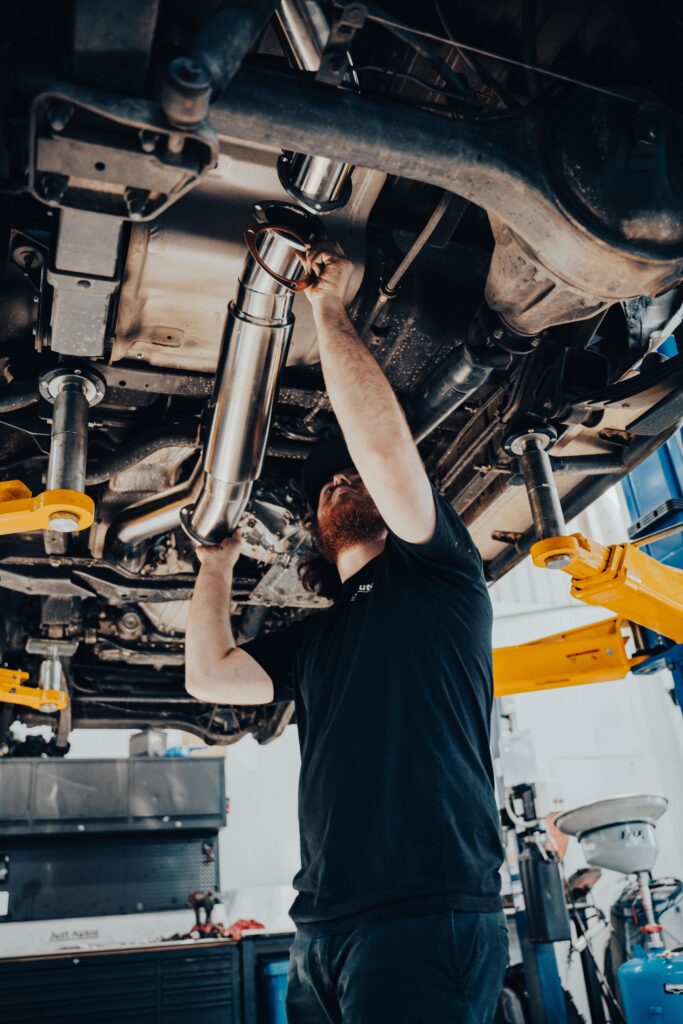
Professionals have tools and experience to install exhaust systems correctly. They can avoid leaks and fit parts tightly. DIY installation saves money but needs skills and tools.
Wrong installation can cause noise, leaks, or damage. Professionals also check for parts compatibility. DIY installers should follow guides and use the right equipment.
- Professional installation reduces errors
- DIY installation requires mechanical skills
- Tools like wrenches and lifts are needed
- Proper fitting avoids exhaust leaks
Importance Of Ecu Tuning
The ECU controls engine functions like fuel and air mix. Changing the exhaust affects these settings. Tuning the ECU adjusts the engine to work well with the new system.
Without tuning, the engine may run poorly or lose power. Proper ECU tuning helps increase horsepower safely. It also improves fuel efficiency and reduces emissions.
- Adjusts fuel and air mixture
- Optimizes engine timing
- Prevents engine knocking
- Ensures smooth power delivery
Potential Risks And Maintenance
Installing a new exhaust system can cause risks like leaks or engine damage if done wrong. Regular maintenance keeps the system working well. Check for cracks or rust often.
Ignoring maintenance can reduce horsepower gains. It can also lead to costly repairs. Clean the exhaust and inspect hangers and seals regularly to avoid problems.
- Leaks reduce engine power
- Rust weakens exhaust parts
- Loose hangers cause noise
- Regular checks prevent damage
Additional Benefits Beyond Power
Exhaust systems do more than just increase horsepower. They also affect the sound, fuel use, and emissions of your vehicle. These benefits can improve your driving experience in many ways.
Understanding these extra advantages helps you choose the right exhaust system for your needs. Let’s explore some key benefits beyond power.
Sound And Aesthetic Enhancements
Upgrading an exhaust system can change the sound of your car. Many drivers enjoy a deeper, louder engine note. This adds excitement to driving and shows off your vehicle’s personality.
Exhaust parts also improve the look of your car. Shiny tips and sleek designs add style. These visual upgrades can make your car stand out on the road.
Fuel Efficiency Impacts
Some exhaust systems help your engine breathe better. This can improve fuel efficiency by reducing engine effort. You may see small savings on gas with the right setup.
Better fuel use means fewer stops at the pump and lower running costs. It also helps your vehicle run cooler and smoother during drives.
Emission And Legal Aspects
Exhaust systems influence the amount of pollution your car produces. Some upgrades lower harmful emissions by improving combustion. This helps protect the environment.
Not all exhaust modifications are legal everywhere. Some changes can break local laws and cause problems during inspections. Always check rules before installing new parts.
Credit: www.justdieselperformance.com.au
Frequently Asked Questions
Can Exhaust Systems Boost Engine Performance?
Yes, upgrading an exhaust system can boost engine performance. It enhances airflow, reduces back pressure, and improves exhaust gas removal. This results in increased horsepower and torque. However, the gains depend on the vehicle type and the exhaust system installed.
How Do Exhaust Systems Increase Horsepower?
Exhaust systems increase horsepower by improving the engine’s airflow. They reduce back pressure and enhance exhaust gas expulsion. This allows the engine to breathe better, leading to improved efficiency and power output.
Are Aftermarket Exhaust Systems Worth It?
Aftermarket exhaust systems are often worth the investment. They offer performance gains, better sound, and enhanced vehicle aesthetics. However, the benefits depend on the system quality and vehicle compatibility.
Do All Exhaust Upgrades Increase Horsepower?
Not all exhaust upgrades lead to increased horsepower. The gains depend on the system type and vehicle compatibility. Proper installation and tuning are also crucial to achieving desired performance improvements.
Conclusion
Exhaust systems can help increase horsepower by improving airflow. Better airflow means the engine works more efficiently. Not all exhaust upgrades give big power gains, but some do make a difference. Choosing the right system depends on your car and driving style.
Remember, simple changes can add up to better performance. Always consider quality parts and proper installation. Small horsepower boosts can make driving more fun and responsive. Keep your engine healthy to get the most from any exhaust upgrade.