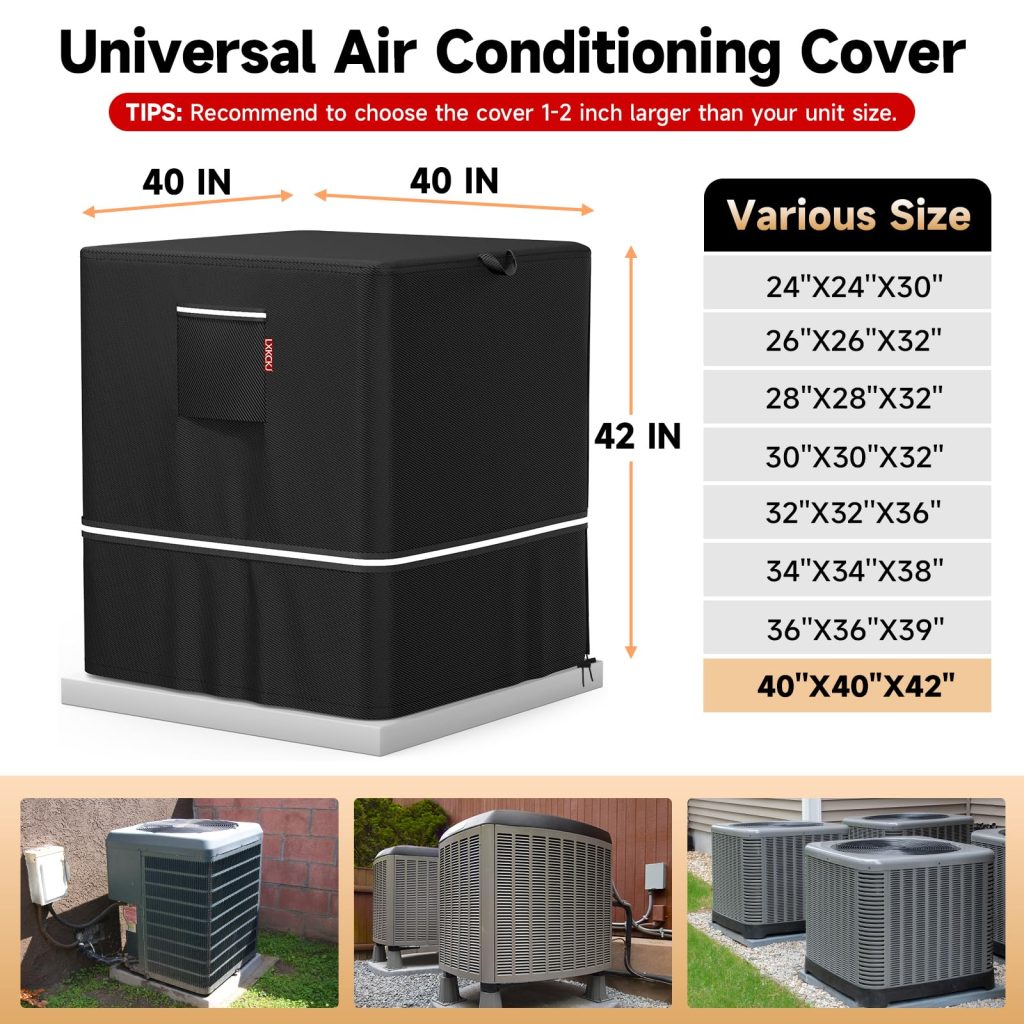
When winter arrives, your air conditioner might seem like the last thing on your mind. But did you know that covering your AC unit properly can protect it from harsh weather and save you money on repairs?
If you’re unsure about how to cover your air conditioner for winter, you’re in the right place. This guide will show you simple, effective steps to keep your unit safe and ready to work when summer comes back. Read on, and learn how a little effort now can prevent big problems later.
Why Cover Your Air Conditioner
Covering your air conditioner in winter protects it from harsh weather. Cold, snow, and ice can cause damage if the unit is left exposed.
A proper cover helps keep the unit safe and ready to work well in warmer months.
Preventing Winter Damage
Winter weather can harm your air conditioner in many ways. Ice can form on the coils and freeze the components. Snow buildup can block airflow and cause rust. Wind can blow debris inside the unit.
- Stops ice buildup on parts
- Keeps snow from piling on top
- Blocks leaves and dirt from entering
- Protects against strong winter winds
Extending Unit Lifespan
Covering the air conditioner helps it last longer. It avoids wear and tear caused by cold and moisture. A covered unit stays cleaner and works better for years.
| Cause | Effect on Air Conditioner | How Cover Helps |
|---|---|---|
| Ice buildup | Freezes parts, causes cracks | Prevents ice from forming |
| Snow accumulation | Blocks airflow, causes rust | Keeps snow off the unit |
| Wind and debris | Damages fan blades, clogs filters | Blocks debris and reduces wind impact |
Reducing Maintenance Costs
Using a cover lowers repair and cleaning needs. It stops problems before they start. Less damage means fewer trips from the repair person and lower bills.
- Prevents rust and corrosion
- Reduces dirt buildup inside
- Stops small damages from growing
- Helps keep parts working well longer
Choosing The Right Cover
Covering your air conditioner for winter protects it from cold weather and debris. The right cover helps avoid damage and keeps your unit clean. Picking a proper cover is important to ensure good protection.
This guide explains the key points for choosing the best cover. Focus on material, size, and breathability to keep your air conditioner safe all winter.
Material Options
Air conditioner covers come in different materials. Each type offers unique benefits and drawbacks. Choose a material that blocks moisture and resists tears.
- Vinyl:Waterproof and strong. It stops rain and snow but may trap moisture inside.
- Polyester:Durable and breathable. It lets moisture escape to prevent mold.
- Canvas:Heavy and natural. It protects well but can absorb water if untreated.
- Plastic:Cheap and waterproof. It covers well but can cause condensation.
Size And Fit
A cover must fit your unit snugly. Too loose, and wind can blow debris inside. Too tight, and it may damage the cover or unit.
| Size | Fit Description | Benefit |
|---|---|---|
| Exact Fit | Matches unit dimensions closely | Best protection from elements |
| Adjustable Fit | Includes straps or drawstrings | Easy to secure and remove |
| Loose Fit | Larger than the unit | Less effective, can trap moisture |
Breathability Features
Breathability helps prevent moisture buildup. Moisture can cause rust and mold inside the unit. Look for covers with vents or breathable fabric.
Tips for Breathability:
- Choose covers with mesh vents to allow airflow.
- Avoid fully sealed plastic covers that trap humidity.
- Use fabrics designed to let moisture escape.
Preparing The Unit For Winter
Getting your air conditioner ready for winter helps it last longer. Proper care stops damage from cold weather.
Follow simple steps to clean, inspect, and drain your unit before covering it.
Cleaning The Air Conditioner
Remove dirt and leaves from the outside unit. Clean the fins gently with a soft brush. Clear debris around the base.
- Turn off power to the unit
- Use a garden hose to rinse the fins lightly
- Remove leaves and twigs around the unit
- Clean or replace the air filter inside
Inspecting For Repairs
Check the unit for signs of damage. Look for bent fins, rust, or loose parts. Tighten screws if needed.
| Issue | Action |
| Bent fins | Straighten with fin comb |
| Rust spots | Clean and apply rust inhibitor |
| Loose screws | Tighten with screwdriver |
| Cracked parts | Replace or call technician |
Draining Water And Moisture
Remove water from the unit to avoid freezing damage. Drain the condensate drain line and dry the inside parts.
Follow these tips:
- Locate the drain plug and open it to release water
- Use a wet/dry vacuum to clear the drain line
- Wipe inside the unit dry with a cloth
- Leave the drain plug open during winter

Credit: www.amazon.ca
Step-by-step Covering Process
Protecting your air conditioner during winter keeps it safe from snow, ice, and debris. A proper cover stops damage and extends its life. Follow simple steps to cover it correctly.
This guide shows you how to gather tools, secure the cover, and ensure good airflow.
Gathering Necessary Tools
Before covering the air conditioner, collect all needed supplies. This makes the task easier and faster.
- Air conditioner cover or heavy-duty plastic sheet
- Measuring tape
- Waterproof tape or bungee cords
- Scissors or utility knife
- Soft cloth or sponge
Securing The Cover Properly
Place the cover over the air conditioner tightly. Secure it so wind or snow does not move it.
- Clean the unit with a soft cloth to remove dirt.
- Measure the unit to choose the right cover size.
- Place the cover carefully on top and around the sides.
- Use waterproof tape or bungee cords to hold the cover in place.
- Check for loose spots and adjust as needed.
Ensuring Ventilation
Good airflow prevents moisture build-up inside the cover. This helps avoid mold and rust.
| Ventilation Tip | Reason |
|---|---|
| Leave small gaps at the bottom | Allows air to flow and moisture to escape |
| Use covers with built-in vents | Keeps inside dry and prevents damage |
| Do not seal the cover completely | Prevents condensation inside the unit |
Common Mistakes To Avoid
Covering your air conditioner for winter is important to protect it from harsh weather. Many people make simple mistakes that can cause damage instead of protection.
Knowing what to avoid helps keep your air conditioner safe and working well for years. Below are some common errors to watch out for.
Using Plastic Sheets Only
Many people use only plastic sheets to cover their air conditioners. This can trap moisture inside and cause rust or mold. Plastic alone does not allow the unit to breathe.
- Plastic traps condensation inside the unit
- Moisture can cause rust on metal parts
- Lack of airflow increases mold growth risk
- Plastic covers can tear easily in wind
Covering While Wet
Covering your air conditioner when it is wet is a big mistake. Moisture trapped under the cover can cause damage to the unit and reduce its lifespan.
Always wait until the air conditioner is fully dry before putting on the cover. This prevents rust and mold growth inside the unit.
Ignoring Airflow Needs
Air conditioners need airflow even in winter. Covering the unit without leaving vents or openings blocks air circulation. This can cause moisture buildup and damage.
| Airflow Mistake | Effect |
|---|---|
| Sealing cover tightly without vents | Moisture builds up inside the unit |
| No space for air to circulate | Increased risk of mold and rust |
| Blocking fan or compressor areas | Potential damage to internal parts |

Credit: airmgnthvac.com
Alternative Winter Protection Methods
Protecting your air conditioner in winter helps keep it safe from cold damage. You can use various methods instead of just covering it.
These methods keep your AC unit dry and shielded from ice, snow, and debris during the cold months.
Building A Shelter
Building a simple shelter around your air conditioner can block wind and snow. Use wood or plastic sheets to make a frame that fits over the unit.
- Make sure the shelter has enough space for air to flow.
- Leave the top open or use a sloped roof to let water run off.
- Secure the structure so it does not blow away in strong winds.
Using Insulation Blankets
Insulation blankets protect your air conditioner from freezing temperatures. They wrap around the unit and trap heat inside.
| Type of Blanket | Material | Benefits |
| Foam Blanket | Closed-cell foam | Keeps heat in, easy to install |
| Fiberglass Blanket | Fiberglass fibers | Good for very cold climates |
| Polyethylene Blanket | Plastic sheeting | Waterproof, prevents moisture |
Routine Winter Maintenance
Regular checks keep your air conditioner ready for winter. Clean the area and inspect the unit often.
- Remove leaves and dirt from around the unit.
- Check for cracks or damage in the casing.
- Clear any ice buildup carefully with warm water.
- Cover the unit loosely if snow is expected.
When To Remove The Cover
Knowing the right time to remove your air conditioner cover is important. Removing it too early or too late can affect your unit’s performance.
This guide explains the signs of warmer weather and how to prepare your AC for spring use.
Signs Of Warmer Weather
Watch for these signs before removing the cover from your air conditioner:
- Daytime temperatures consistently rise above 60°F (15°C).
- No frost or snow on the ground near your outdoor unit.
- Sunlight warms the area around the AC for several hours a day.
- Local weather reports predict warmer days ahead.
Preparing For Spring Use
After removing the cover, clean and inspect your air conditioner. This helps keep it running well during the warmer months.
| Task | What to Do |
| Remove Cover | Take off carefully to avoid damage. |
| Clean Unit | Remove dirt and leaves around the unit. |
| Check for Damage | Look for cracks or worn parts. |
| Test Run | Turn on the AC to check if it works properly. |

Credit: www.amazon.ca
Frequently Asked Questions
How Do I Cover My Air Conditioner For Winter?
Use a breathable, waterproof cover designed for AC units. Clean the unit first. Secure the cover to prevent moisture and debris buildup.
Should I Cover The Air Conditioner Completely?
No, avoid airtight covers. They trap moisture, causing rust and mold. Use covers that allow ventilation to protect the unit.
When Is The Best Time To Cover An Ac Unit?
Cover your AC after the cooling season ends, typically in late fall. This prevents weather damage during winter months.
Can Covering The Ac Improve Its Lifespan?
Yes, proper covering protects the unit from snow, ice, and debris, reducing wear and tear and extending its lifespan.
Conclusion
Covering your air conditioner for winter protects it from snow and dirt. Use a breathable cover to avoid moisture build-up. Secure the cover tightly to keep out wind and debris. Clean the unit before covering to prevent damage. Proper care helps your air conditioner last longer.
Save money on repairs by protecting it now. Winter cover is a simple step with big benefits. Keep your air conditioner safe and ready for next summer.