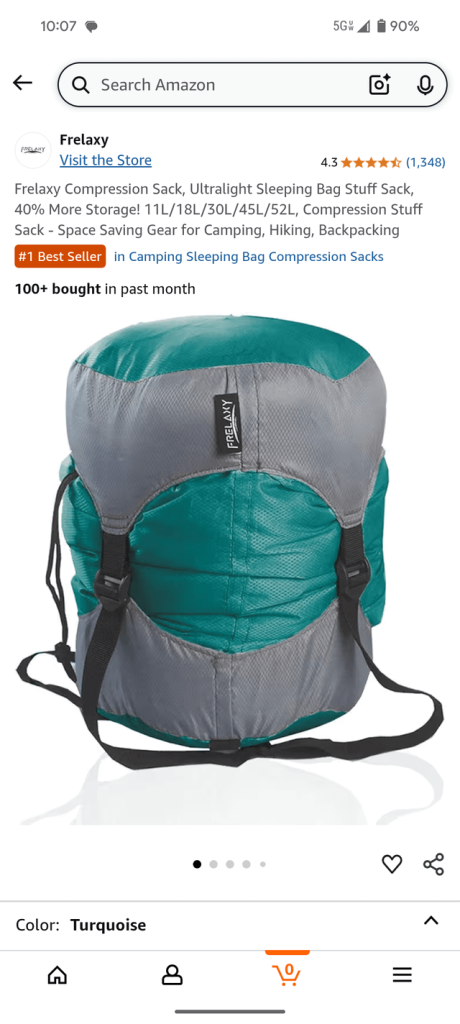
Choosing the right size stuff sack for your sleeping bag can make a huge difference in your packing and comfort. You might think any sack will do, but using the wrong size can lead to frustration, wasted space, or even damage to your gear.
How do you know what size fits your sleeping bag perfectly? This guide will help you find the ideal stuff sack so your sleeping bag stays protected, easy to carry, and ready for every adventure. Keep reading to discover simple tips that save you time and make your outdoor trips smoother.
Stuff Sack Basics
A stuff sack is a bag used to store a sleeping bag. It helps keep the sleeping bag compact and protected.
Choosing the right size stuff sack is important. It should fit the sleeping bag well without being too tight or too loose.
Purpose And Benefits
Stuff sacks make it easier to carry and pack sleeping bags. They keep the bag clean and dry during travel.
They also help save space in your backpack. A good stuff sack protects your sleeping bag from damage.
- Keeps sleeping bag compressed
- Protects from dirt and moisture
- Makes packing more organized
- Reduces space in your backpack
Common Materials
Stuff sacks are usually made from lightweight and strong materials. This helps keep the sack easy to carry.
Common materials include nylon and polyester. These fabrics resist water and tearing.
- Nylon: durable and water-resistant
- Polyester: strong and quick-drying
- Ripstop fabrics: prevent small tears from spreading
- Mesh: used for breathability in some sacks
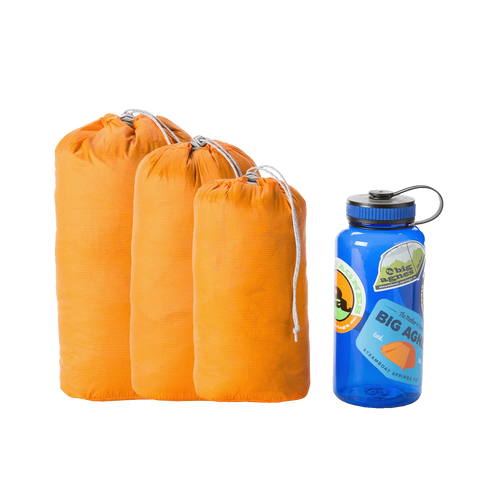
Credit: www.bigagnes.com
Choosing The Right Size
Picking the right size stuff sack for your sleeping bag is important. It helps keep your gear organized and easy to carry.
A sack that is too small will not fit your sleeping bag. One that is too big can add extra weight and take space.
Sleeping Bag Volume
Check the volume or size of your sleeping bag before choosing a stuff sack. Sleeping bags come in different sizes and shapes.
Look for the compressed size, usually given in liters. This number helps you pick a sack that fits well without being too loose.
- Regular sleeping bags may need 10 to 20 liters sacks
- Smaller bags like summer bags might fit in 5 to 10 liters sacks
- Bigger bags or double sleeping bags need 20 liters or more
Compression Needs
Compression sacks help reduce the sleeping bag size. They use straps to squeeze out air and save space.
If you want to save room in your backpack, choose a compression sack that fits your bag’s size. Tight compression may need stronger materials.
- Use light compression for less bulky sacks
- Heavy compression sacks need adjustable straps
- Check sack durability to avoid damage when compressing
Weight Considerations
The weight of the stuff sack adds to your load. Pick a sack that is light but strong enough to hold your bag.
Materials like nylon or ripstop fabric offer good strength with low weight. Avoid heavy sacks that can tire you during hikes.
- Light sacks improve backpack comfort
- Heavy sacks may offer more protection but add weight
- Balance weight and durability for your trip needs
Types Of Stuff Sacks
Stuff sacks help carry and store sleeping bags. They come in different types to fit your needs. Knowing the types helps you choose the right one.
Each type offers unique benefits. Some are simple, while others save space or keep water out. Let’s explore the main types of stuff sacks.
Standard Sacks
Standard stuff sacks are basic bags that hold your sleeping bag. They are lightweight and easy to use. These sacks usually have a drawstring closure.
They do not compress your sleeping bag much. Standard sacks are good if you want to keep your sleeping bag fluffy and full-sized.
Compression Sacks
Compression sacks help reduce the size of your sleeping bag. They have straps that tighten around the sack. This pushes air out and makes the bag smaller.
- Save space in your backpack
- Keep your sleeping bag compact
- Useful for long trips and tight packing
Compression sacks are heavier than standard sacks. Use them if you need to fit your sleeping bag into a small pack.
Waterproof Sacks
Waterproof stuff sacks protect your sleeping bag from rain and moisture. They use special materials and sealed seams. This keeps your gear dry in wet conditions.
| Feature | Benefit |
|---|---|
| Waterproof Material | Prevents water from soaking inside |
| Roll-top Closure | Keeps water out securely |
| Durable Fabric | Lasts longer in rough weather |
Measuring Your Sleeping Bag
Choosing the right size stuff sack helps protect your sleeping bag. It also makes packing easier and saves space.
Knowing how to measure your sleeping bag is key. Focus on packed dimensions and loft thickness for the best fit.
Packed Dimensions
Measure your sleeping bag when it is fully compressed inside its stuff sack. Use a tape measure to check length and diameter.
- Lay the sleeping bag flat and roll it tightly.
- Place it inside the stuff sack and tighten the drawstring.
- Measure the length from top to bottom.
- Measure the diameter at the widest point.
Loft And Thickness
Loft shows how much air your sleeping bag traps. Thickness affects warmth and pack size. Both matter when picking a stuff sack.
| Loft Thickness | Approximate Packed Diameter |
| Low (1-2 inches) | 6-8 inches |
| Medium (3-4 inches) | 8-10 inches |
| High (5+ inches) | 10-12 inches |
Matching Sack Size To Bag
Choosing the right size stuff sack for your sleeping bag is important. A good fit helps protect the bag and saves space.
Stuff sacks come in many sizes. Matching the sack size to your sleeping bag keeps your gear neat and easy to carry.
Avoiding Oversized Sacks
Using a sack that is too big can cause problems. The sleeping bag may move around inside, making it harder to pack.
Oversized sacks take up more space than needed. This can add weight and bulk to your backpack.
- The bag can shift and get damaged inside a large sack
- Extra space in the sack wastes room in your pack
- It is harder to compress the sleeping bag tightly
Benefits Of A Snug Fit
A stuff sack that fits snugly keeps your sleeping bag secure. It helps keep the bag compressed and protected.
Snug sacks make packing easier and save space. They keep your sleeping bag ready to use and extend its life.
- Reduces movement inside the sack
- Keeps the bag tightly compressed
- Saves space in your backpack
- Protects the sleeping bag from damage

Credit: www.reddit.com
Additional Features To Consider
Choosing the right size stuff sack for your sleeping bag is important. But other features also matter. These features can make packing easier and protect your sleeping bag.
Look beyond size and think about durability, ease of use, and storage options. These details improve your camping experience.
Durability
Durability means the stuff sack can handle rough use. It should resist tears and wear from camping gear or sharp objects.
Materials like ripstop nylon or heavy-duty polyester are strong choices. Reinforced stitching adds extra strength to seams.
- Choose water-resistant fabric to protect from rain and moisture
- Check if the sack has double stitching for long life
- Look for abrasion-resistant materials to avoid holes
Ease Of Use
Ease of use helps you pack and unpack quickly. A good stuff sack opens wide and closes securely.
Drawstrings with cord locks or zipper closures work well. Some sacks have compression straps to reduce size after packing.
- Look for smooth zippers or easy pull cords
- Compression straps save space by tightening the sack
- A wide opening lets you pack your sleeping bag faster
Storage Options
Storage options help keep your stuff sack organized. Some sacks come with extra pockets or loops for small items.
Consider sacks with stuff sacks inside, or with attachment points to connect to backpacks. This adds convenience on the trail.
- Extra pockets hold small gear like gloves or headlamps
- Loops or straps can attach the sack outside your pack
- Internal compartments keep your sleeping bag tidy
Tips For Packing Efficiently
Packing your sleeping bag correctly saves space and keeps it in good shape. Using the right stuff sack size helps you fit your gear better.
This guide covers how to roll or stuff your sleeping bag and how to protect its loft for longer use.
Rolling Vs. Stuffing
Rolling keeps your sleeping bag neat and easy to pack. Stuffing is faster and can save space but may compress the insulation more.
- Rolling:Lay the bag flat, fold it, then roll tightly from the bottom.
- Stuffing:Push the bag into the sack without folding to avoid wrinkles.
- Choose a sack size:Use a slightly larger sack for rolling, and a smaller one for stuffing.
- Efficiency:Stuffing often fits better in tight backpacks.
Protecting The Bag’s Loft
Loft keeps your sleeping bag warm. Compressing it too much can damage the insulation and reduce warmth.
| Tip | Details |
| Use a large storage sack | Store your bag loosely when not hiking |
| Limit compression time | Don’t keep the bag stuffed for days |
| Dry before packing | Prevent mold and preserve loft |
| Choose the right sack size | A sack too small compresses too much |
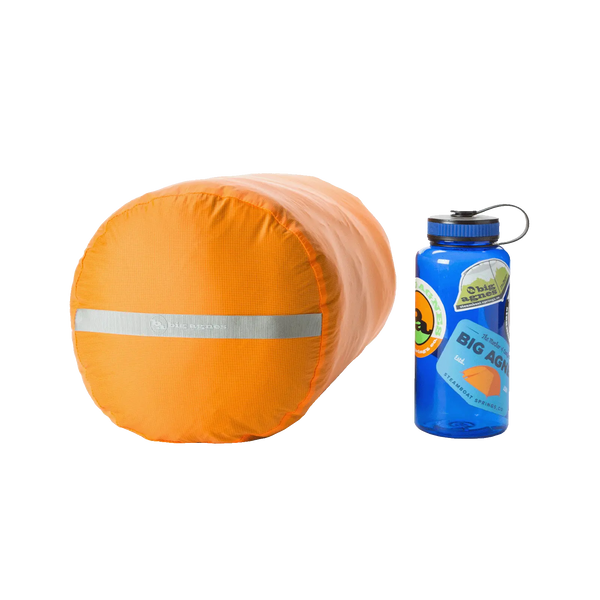
Credit: eu.bigagnes.com
Popular Stuff Sack Brands
Choosing the right size stuff sack for your sleeping bag helps save space and protect your gear. Many brands offer different sizes and styles for packing ease.
Stuff sacks come in various materials and sizes. Some brands focus on affordability while others offer premium features.
Budget-friendly Options
Budget-friendly stuff sacks provide good value without extra features. They work well for casual campers and those who want simple storage.
Brands like Sea to Summit and REI Co-op offer affordable stuff sacks. These are durable and come in multiple sizes for different sleeping bags.
- Sea to Summit Ultra-Sil Stuff Sack: Lightweight, packs small
- REI Co-op Lightweight Stuff Sack: Affordable and strong
- Outdoor Products Compression Sack: Good for tight packing
High-end Picks
High-end stuff sacks use premium materials and design. These sacks often have compression straps to reduce volume further.
Brands like Hyperlite Mountain Gear and Sea to Summit offer top-tier options. Their sacks protect gear from water and wear.
- Hyperlite Mountain Gear Stuff Sack: Durable, waterproof, and light
- Sea to Summit eVent Compression Sack: Uses breathable fabric
- Therm-a-Rest Compression Sack: Great for heavy sleeping bags
Frequently Asked Questions
What Size Stuff Sack Fits A Standard Sleeping Bag?
A standard sleeping bag usually fits into a stuff sack sized 8-10 liters. This size compresses the bag efficiently for easy packing and carrying.
How To Choose The Right Stuff Sack Size?
Choose a stuff sack slightly larger than your sleeping bag’s packed size. Check the bag’s dimensions and capacity before buying.
Can A Stuff Sack Affect Sleeping Bag Insulation?
Yes, compressing your sleeping bag too much in a small sack can reduce insulation. Use an appropriately sized sack to maintain loft.
Are Compression Sacks Better Than Regular Stuff Sacks?
Compression sacks save space by tightly compacting the sleeping bag. They are ideal for backpackers needing to minimize pack volume.
Conclusion
Choosing the right stuff sack size keeps your sleeping bag safe and easy to carry. A sack too small can squash the bag and reduce warmth. Too big means extra weight and wasted space. Measure your sleeping bag and pick a sack with a little room to spare.
This helps protect the insulation and keeps your gear organized. Simple steps make camping more comfortable. Pack smart, sleep well, and enjoy your outdoor adventures.