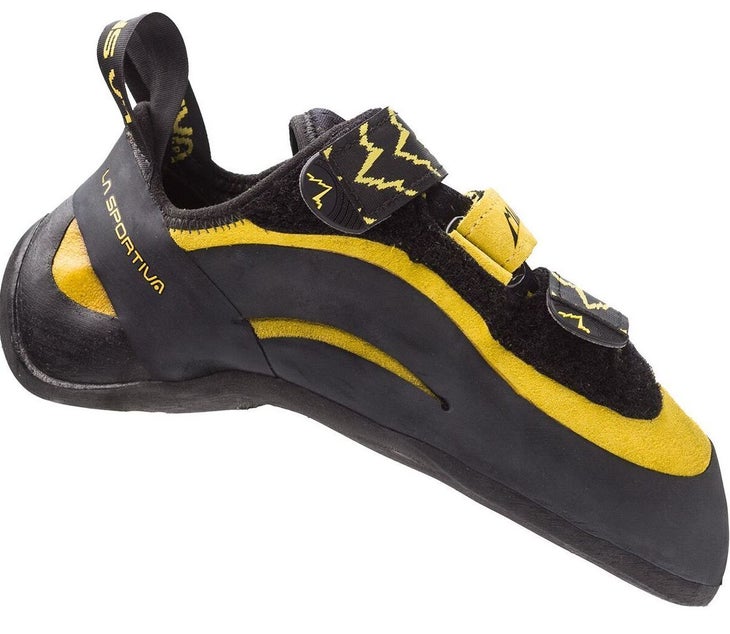
Choosing the right climbing shoes can make a huge difference in your climbing experience. You want shoes that fit comfortably, give you the grip you need, and match your climbing style.
But with so many options out there, it’s easy to feel overwhelmed. This guide will help you cut through the confusion and find the perfect pair for you. Keep reading to discover what matters most when picking climbing shoes and how to make the best choice for your next climb.
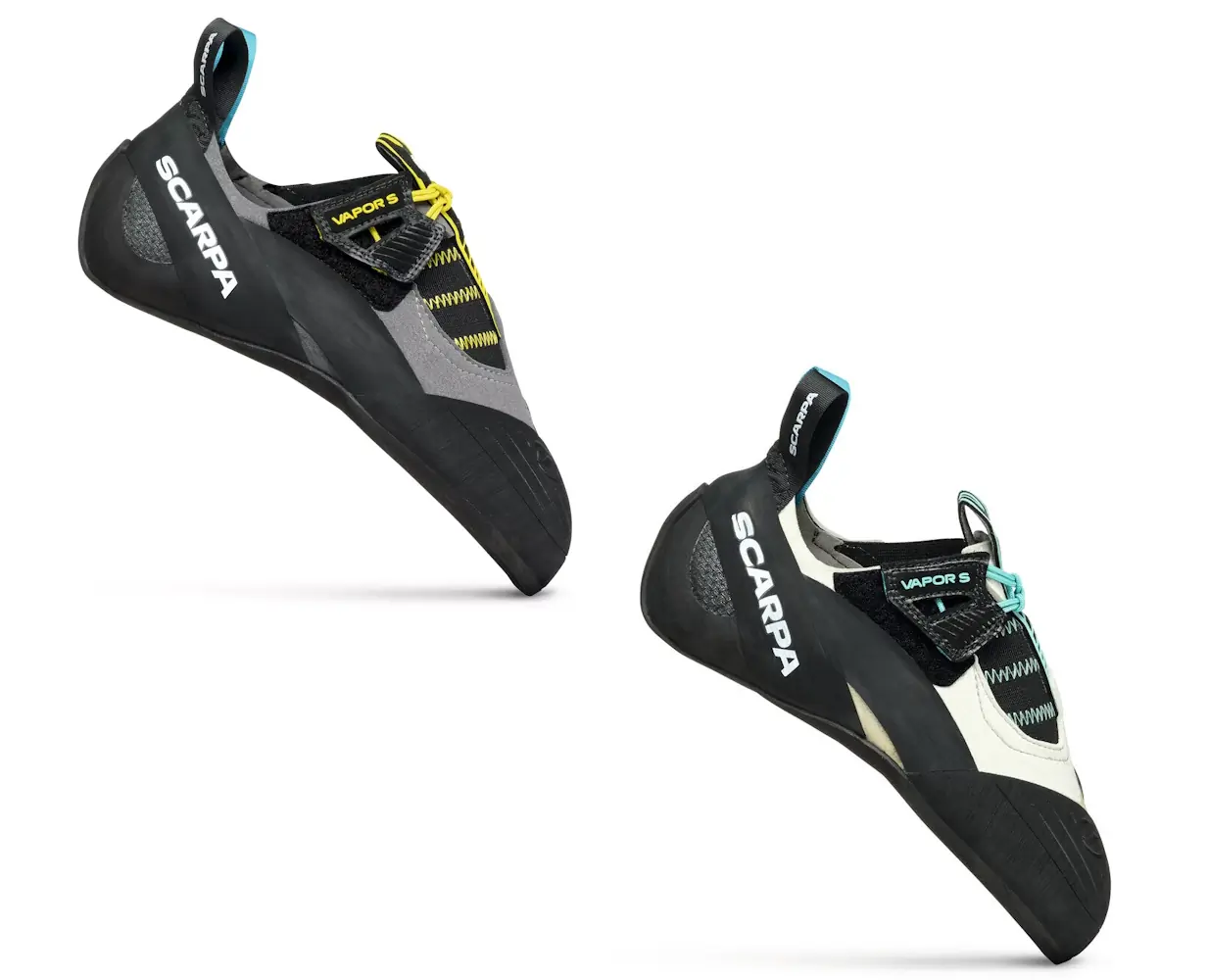
Credit: gearjunkie.com
Types Of Climbing Shoes
Choosing the right climbing shoes helps improve your climbing experience. Different shoes serve different climbing styles and skill levels.
Knowing the main types of climbing shoes guides you to the best fit for your needs. Here are the three common types.
Neutral Shoes For Beginners
Neutral shoes have a flat shape and soft soles. They offer comfort for long wear and help beginners get used to climbing.
- Provide comfort for all-day use
- Fit like regular shoes, less tight
- Good for slab and crack climbing
- Encourage natural foot position
Aggressive Shoes For Performance
Aggressive shoes have a downturned toe and tight fit. They help climbers on steep and overhanging routes.
| Feature | Benefit |
| Downturned shape | Focuses power on toes |
| Tight fit | Improves precision |
| Stiff sole | Supports hard edges |
| Used for | Sport and bouldering |
Moderate Shoes For Versatility
Moderate shoes balance comfort and performance. They suit many climbing types and skill levels.
Key uses:
- Good for trad and sport climbing
- Comfortable for longer climbs
- Moderate downturn for edging
- Flexible for different terrains
Fit And Comfort
Choosing the right climbing shoes is very important for comfort and safety. Shoes that fit well help you climb better.
Ill-fitting shoes can cause pain and reduce your climbing performance. Focus on fit and comfort first.
Sizing Tips
Climbing shoes should fit snugly but not painfully tight. Your toes should touch the front without curling.
Try shoes on in the afternoon when your feet are bigger. Always wear the socks you plan to climb in.
- Measure your foot length and width carefully
- Check the shoe size chart for each brand
- Test different sizes to find the best fit
- Choose shoes that feel tight but not painful
Breaking In Your Shoes
New climbing shoes feel stiff and tight at first. Breaking them in softens the material and shapes the shoe.
Wear your shoes at home for short periods. Avoid long climbs until they start to feel comfortable.
- Wear shoes around the house for 30 minutes daily
- Gradually increase wear time over several days
- Use socks or a shoe stretcher if needed
- Be patient; breaking in can take one to two weeks
Common Fit Issues
Troubles with fit can cause pain, blisters, or poor climbing. Knowing common problems helps you avoid them.
Many climbers face tight toes, heel slipping, or pressure points inside the shoe.
- Tight toes:Shoes too small or narrow cause pain and curling.
- Heel slipping:Shoes too big or wrong shape cause slipping.
- Pressure points:Seams or edges press on the foot uncomfortably.
- Numbness:Shoes too tight reduce blood flow to toes.
Materials And Construction
Choosing climbing shoes depends a lot on what they are made of. The materials affect comfort and performance. Construction also plays a big role in how shoes fit and last.
Looking closely at uppers, soles, and closure systems helps you pick the right shoes. Each part has different options with benefits and drawbacks.
Leather Vs. Synthetic Uppers
Leather uppers stretch over time and mold to your feet. They feel soft and can last long with good care. Leather can absorb sweat, which may cause odor.
Synthetic uppers keep their shape better and stretch less. They dry faster and resist odor well. Some synthetics feel stiffer but stay consistent in fit.
- Leather: molds to foot, stretches, needs care
- Synthetic: less stretch, quick drying, odor-resistant
Sole Types And Rubber Quality
The sole is key for grip and support. Most climbing shoes have sticky rubber soles that help hold on rocks. The type of rubber affects how well the shoes stick and last.
There are two main sole types: flat and downturned. Flat soles give comfort and work well for beginners. Downturned soles help with steep climbs by focusing power on toes.
- Flat soles: comfort, good for edges and slabs
- Downturned soles: aggressive, better for overhangs
- Rubber quality: softer rubber grips better but wears faster
Closure Systems
Closure systems affect how tightly shoes fit and how easy they are to put on. The main types are Velcro straps, laces, and slip-ons.
Velcro straps are quick and simple. Laces offer precise adjustments for a snug fit. Slip-ons provide comfort but less adjustability.
- Velcro: fast on and off, adjustable
- Laces: best fit control, takes longer to put on
- Slip-ons: easy, comfy, less tight control

Credit: www.treelinereview.com
Shoe Features For Different Climbing Styles
Choosing climbing shoes depends on the style you climb. Different styles need different shoe features. Knowing these helps you pick the right shoe for your climbs.
Let’s look at the main climbing styles and what shoe features suit each one best.
Sport Climbing
Sport climbing shoes should be precise and comfortable. They help you stand on small holds for a long time. A stiff sole supports your foot on edges.
Look for shoes with a moderate downturn to help you push on steep walls. Good heel fit prevents slipping during dynamic moves.
- Stiff sole for edging
- Moderate downturn for control
- Snug fit with good heel hold
- Comfort for long climbs
Bouldering
Bouldering shoes need to be sensitive and tight. This helps you feel the rock better. A strong downturn improves power on overhangs and small footholds.
Shoes with sticky rubber and a precise toe box are best. They help you smear and toe-hook easily. Flexibility is important for quick foot placements.
- Tight fit for precision
- Strong downturn for power
- Sticky rubber for grip
- Flexible sole for movement
Trad Climbing
Trad climbing shoes should be comfortable for all-day wear. A flat or slightly curved sole helps with balance on cracks and edges. Durability is key for rough terrain.
Look for shoes with good support and moderate stiffness. They often have thicker soles to protect your feet from sharp rocks.
- Comfort for long climbs
- Moderate stiffness for support
- Durable sole for protection
- Flat or slightly curved shape
Crack Climbing
Crack climbing shoes need to fit well but allow some toe movement. Soft, flexible soles let your toes jam into cracks comfortably. A flat or neutral shape works best.
Shoes with minimal downturn avoid painful pressure inside cracks. Look for strong materials that resist wear from rubbing against rock.
- Soft, flexible sole for toe jamming
- Flat or neutral shape
- Comfortable fit with some space
- Durable materials for wear
Expert Recommendations
Choosing the right climbing shoes can improve your climbing experience. The right fit and type help you climb safely and comfortably.
Experts suggest different shoes based on skill level and budget. This guide covers options for beginners, advanced climbers, and those on a budget.
Top Shoes For Beginners
Beginner shoes focus on comfort and support. They should fit snugly but not cause pain. A flat or slightly downturned shape is best for learning.
Look for shoes with good padding and breathable material. Easy to put on and take off shoes help new climbers focus on technique.
- Comfortable fit with room for toes
- Flat or mild downturn for comfort
- Durable soles for indoor and outdoor use
- Good heel and toe support
Best Shoes For Advanced Climbers
Advanced climbers need shoes that offer precision and power. These shoes often have a strong downturn and a tight fit. This helps with steep and technical climbs.
Materials are usually stiffer to give better support. Advanced shoes may also have sticky rubber for better grip on small holds.
- Tight fit for better control
- Strong downturn for steep climbs
- Stiff sole for support
- High-friction rubber for grip
Budget-friendly Options
Good climbing shoes do not have to be expensive. Budget options provide decent comfort and durability for new and casual climbers.
Look for sales or previous models to save money. Focus on fit and sole quality rather than extra features.
- Affordable price with good fit
- Durable sole for longer use
- Basic features for comfort
- Good for beginners and casual climbers
Caring For Your Climbing Shoes
Taking good care of your climbing shoes helps them last longer. It keeps them comfortable and ready for your next climb.
Simple habits like cleaning, storing, and knowing when to resole make a big difference. Let’s explore how to care for your shoes well.
Cleaning Tips
Climbing shoes get dirty from sweat, chalk, and dirt. Clean them often to keep the material fresh and strong.
- Remove dirt with a soft brush after each use
- Wipe the inside with a damp cloth to reduce odor
- Let shoes air dry completely before storing
- Avoid soaking shoes in water or using harsh chemicals
- Use a mild soap if needed, but rinse well
When To Resole
The sole of your climbing shoe wears down with use. Resoling can fix worn areas and improve grip.
| Signs You Need to Resole | Why It Matters |
| Holes or thin rubber spots | Protects foot and keeps grip strong |
| Loss of rubber shape | Maintains precision on holds |
| Separation between sole and shoe | Prevents damage to shoe structure |
Check your shoes regularly. Resoling early saves money and extends shoe life.
Storage Advice
Proper storage keeps climbing shoes in good shape. Avoid places that are hot or damp.
- Keep shoes in a cool, dry place away from direct sunlight
- Use a breathable bag or container for storage
- Remove shoes from your pack after climbing to dry them
- Avoid leaving shoes in a car for long periods
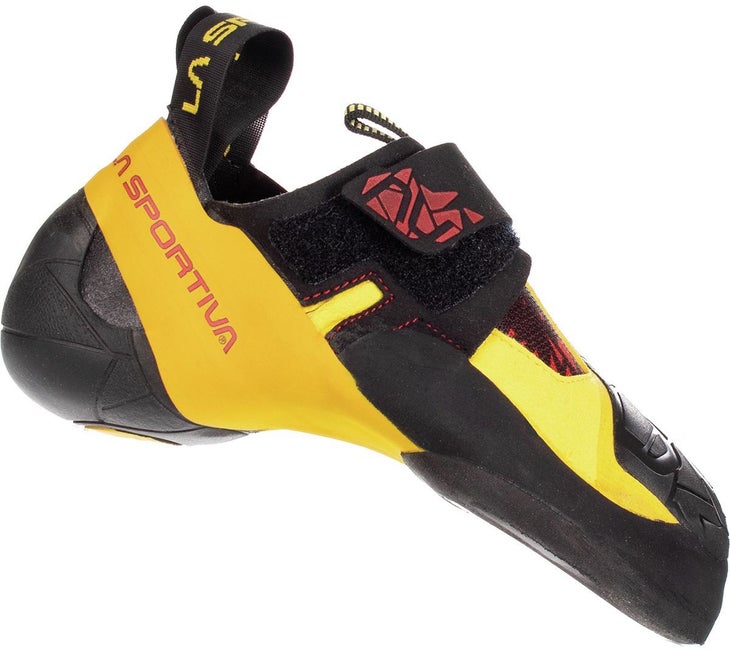
Credit: www.climbing.com
Frequently Asked Questions
What Are The Best Climbing Shoes For Beginners?
Beginner climbing shoes should offer comfort, support, and durability. Look for shoes with a flat profile and moderate stiffness. Avoid aggressive designs as they may cause discomfort. Brands like La Sportiva and Scarpa provide excellent beginner options.
How Do I Choose Climbing Shoes For Different Terrains?
Choose shoes based on terrain type: stiff shoes for crack climbing, softer shoes for bouldering, and versatile shoes for sport climbing. Consider sole thickness and shoe shape to match your climbing style and terrain.
Should Climbing Shoes Be Tight Or Comfortable?
Climbing shoes should fit snugly but not painfully tight. A tight fit improves precision and control but avoid cutting off circulation. Comfort is key for longer climbs to prevent foot pain and blisters.
What Materials Are Best For Climbing Shoes?
Leather shoes offer stretch and durability, while synthetic shoes maintain shape and dry faster. Rubber sole quality affects grip and performance. Choose materials based on climbing frequency and environment.
Conclusion
Choosing the right climbing shoes makes a big difference. Comfort and fit matter most for better climbing. Think about your skill level and climbing style. Try different shoes to find what suits you best. Remember, shoes that feel good boost your confidence.
Quality materials last longer and perform well. Take your time deciding; rushing can lead to mistakes. With the right shoes, your climbing will improve step by step. Keep practicing and enjoy every climb ahead.