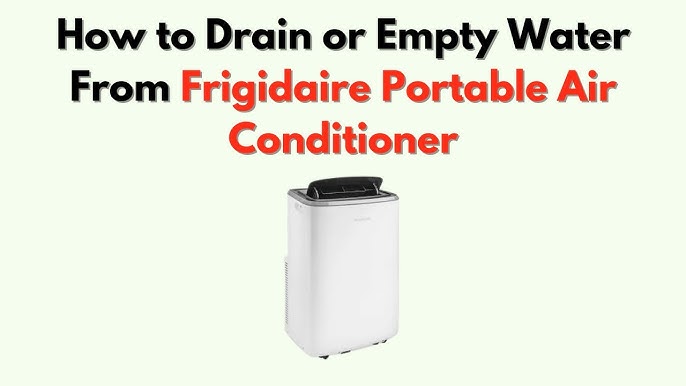
If you own a portable air conditioner, you know how important it is to keep it running smoothly. One key task you can’t ignore is draining the water that builds up inside.
Ignoring this can cause leaks, reduce cooling power, and even damage your unit. But don’t worry—draining your portable AC is easier than you think. You’ll discover simple, step-by-step tips to get the job done quickly and keep your air conditioner working like new.
Ready to save yourself time, hassle, and costly repairs? Let’s dive in!
Why Drain Your Portable Ac
Portable air conditioners collect water during use. Draining the water keeps the unit working well. It also protects your home and health.
Knowing why and how to drain your portable AC helps you avoid problems. This guide explains the key reasons to drain your unit regularly.
Prevent Water Damage
Water from the portable AC can leak if not drained. Leaks can damage floors and walls. Draining water stops these leaks and protects your home.
- Stops water from pooling inside the AC
- Prevents damage to floors and carpets
- Keeps walls dry and free from stains
- Reduces risk of electrical damage near the unit
Improve Efficiency
When water builds up, the AC works harder to cool the air. This wastes energy and raises your bills. Draining water keeps the unit running smoothly.
| Effect | Without Draining | With Draining |
| Cooling Power | Reduced | Optimal |
| Energy Use | High | Low |
| Wear on Parts | Increased | Minimized |
Avoid Mold Growth
Standing water in your AC is a perfect place for mold. Mold spores spread through the air and harm your health. Draining water stops mold before it starts.
- Drain water after each use
- Clean the water tank regularly
- Keep the area around the AC dry

Credit: northnjhvac.com
Tools Needed For Draining
Draining water from a portable air conditioner is important to keep it working well. You need some simple tools to do this job safely and easily.
Gathering the right tools helps you drain the water without making a mess or damaging the unit.
Drain Hose
A drain hose directs the water from the air conditioner to a safe place. It helps water flow out smoothly.
Make sure the hose fits your air conditioner’s drain outlet. This prevents leaks during draining.
Bucket Or Container
You need a bucket or container to catch the water coming out of the air conditioner. Choose one that can hold enough water.
A wide and sturdy container prevents spills and makes draining easier.
Screwdriver Or Wrench
Some portable air conditioners have screws or bolts to open the drain panel. A screwdriver or wrench helps you remove them safely.
Use the right tool size to avoid stripping screws or damaging parts.
Locate The Drain Plug
Draining water from a portable air conditioner is important for its proper use. To drain water, you first need to find the drain plug.
The drain plug lets you release collected water safely. Knowing where it is helps keep your unit working well.
Check The User Manual
The user manual is the best place to find the drain plug location. It gives clear details for your specific air conditioner model.
Look for sections about maintenance or draining water. The manual may also have pictures to guide you.
Common Drain Plug Locations
Drain plugs are usually at the back or bottom of the unit. This helps water flow out easily when you open the plug.
- Near the base of the portable air conditioner
- On the rear panel or side walls
- Covered by a small plastic cap or plug
- Sometimes under a removable plate
Step-by-step Draining Process
Draining water from a portable air conditioner is important to keep it working well. This guide will help you drain the water safely and easily.
Follow these steps carefully to remove the collected water and avoid damage to your unit.
Turn Off And Unplug The Unit
First, switch off the portable air conditioner. Then unplug it from the power outlet. This keeps you safe and prevents any electrical issues.
Never try to drain water while the unit is still running or connected to electricity.
Position The Drain Hose
Locate the drain hose at the back or bottom of the unit. Place the hose end over a bucket or drain area. Make sure the hose is lower than the unit for better flow.
- Find the drain hose connection point
- Attach the hose securely if detached
- Position hose end in a container or drain
- Keep the hose lower than the air conditioner
Open The Drain Plug
Look for the drain plug near the hose connection. Carefully unscrew or pull out the drain plug. This will allow water to start flowing out through the hose.
If your unit has a drain cap, remove it gently to avoid spills.
Collect Water Safely
Let the water drain completely into your bucket or drain spot. Check the water level to avoid overflows. Empty the bucket if it fills up during the process.
- Use a large bucket to catch water
- Watch for spills or leaks
- Empty the bucket when full
- Continue draining until no water flows
Close The Drain Plug
After draining, replace the drain plug securely. Tighten it to prevent leaks. Make sure the hose is properly attached if you removed it.
Now you can plug in and turn on your portable air conditioner again.
Using Continuous Drain Option
Portable air conditioners collect water during use. The continuous drain option lets water flow out nonstop. This keeps the unit running without stopping to empty the tank.
Setting up the drain hose correctly is important. It helps water move out smoothly and prevents leaks or spills.
Set Up The Drain Hose For Continuous Flow
First, locate the drain outlet on your air conditioner. Attach the drain hose securely to this outlet. Use a hose that fits tightly to avoid water leaks.
- Remove the plug or cap from the drain outlet.
- Push the drain hose firmly onto the outlet.
- Use a clamp or tape to secure the hose if needed.
- Make sure the hose is long enough to reach your drain point.
Ensure Proper Hose Positioning
The drain hose must be positioned so water flows down by gravity. Avoid kinks or sharp bends in the hose. Keep the hose end lower than the drain outlet.
| Positioning Tips | Reason |
| Keep hose end lower than outlet | Allows water to flow out continuously |
| Avoid loops or bends | Prevents blockages and water backup |
| Secure hose to avoid movement | Stops accidental disconnection |
| Drain into floor drain or bucket | Collects water safely without spills |

Credit: www.youtube.com
Maintenance Tips For Water Drainage
Portable air conditioners need regular care to drain water properly. Proper drainage keeps the unit working well.
Follow these simple tips to maintain water drainage and prevent damage to your air conditioner.
Regularly Check Drain Hose
Look at the drain hose often to make sure it is clear and not blocked. A clogged hose stops water from flowing out.
Remove any dirt or debris you find in the hose. Keep it free from kinks and bends to allow smooth water flow.
- Inspect the hose weekly during use
- Clear any blockages immediately
- Keep the hose straight and properly positioned
Clean The Water Tank
Empty and clean the water tank regularly to avoid mold and bacteria growth. Dirty tanks can cause bad smells.
Use mild soap and water to wash the tank. Dry it completely before placing it back into the unit.
- Empty the tank after each use
- Wash the tank every week
- Make sure the tank is fully dry
Inspect For Leaks
Check your air conditioner for any water leaks around the unit. Leaks can cause damage to floors and walls.
Look for wet spots or puddles near the unit. Fix leaks quickly by tightening connections or replacing damaged parts.
- Look under and around the unit often
- Fix loose drain hose connections
- Replace cracked or broken parts
Troubleshooting Common Issues
Draining water from a portable air conditioner keeps it running well. Sometimes, problems happen during drainage. Fixing these issues helps your AC work better.
This guide covers common problems and how to solve them. Follow simple tips to drain water properly and avoid damage.
Drain Plug Won’t Open
The drain plug can get stuck or hard to open. Dirt or tight seals often cause this problem. Forcing the plug can break it.
Try these steps to open the drain plug safely:
- Clean around the plug to remove dust and debris
- Use a cloth to get a better grip
- Gently wiggle the plug instead of pulling hard
- Check the user manual for plug type and instructions
Water Not Draining Properly
If water stays inside, the drain hose might be clogged or bent. The AC must be level for water to flow out. Check these parts carefully.
Fix water drainage with these tips:
- Inspect and clean the drain hose to clear blockages
- Make sure the air conditioner is on a flat surface
- Remove any kinks or bends in the hose
- Empty the water tank regularly to avoid overflow
Unusual Noises During Drainage
Strange sounds during draining may mean a pump or fan issue. Noise can also come from trapped air or loose parts inside the unit.
Reduce noise by following these suggestions:
- Turn off and unplug the AC before checking inside
- Look for loose screws or parts and tighten them
- Check the water pump for damage or blockages
- Clear trapped air by gently tilting the unit

Credit: www.youtube.com
Frequently Asked Questions
How Do I Drain Water From A Portable Air Conditioner?
To drain water, locate the drain plug or hose at the unit’s base. Remove the plug and let water flow into a container. Some models have self-evaporating systems, but manual draining ensures optimal performance.
When Should I Drain Water From The Air Conditioner?
Drain water when the tank is full or every few hours during heavy use. Regular draining prevents leaks and mold growth inside the unit, maintaining efficiency and air quality.
Can I Use The Portable Ac Without Draining Water?
Some portable ACs have auto-evaporation features allowing use without frequent draining. However, in humid conditions, manual drainage may be necessary to avoid overflow and damage.
What Tools Do I Need To Drain A Portable Ac?
Usually, no special tools are required. A small container or shallow tray to catch water is sufficient. Check your model’s manual for specific instructions or accessories.
Conclusion
Draining water from your portable air conditioner keeps it working well. Regularly empty the water tank or use the drain hose to avoid buildup. Clean the drain parts to prevent clogs and odors. This simple care helps your unit cool better and last longer.
Remember, a little effort goes a long way in maintaining your air conditioner. Stay comfortable and enjoy cool air all season.