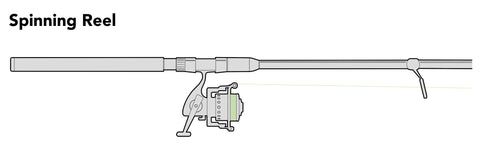
Is your fishing rod not casting as smoothly as it used to? Maybe the line is tangled, worn out, or just not right for your next big catch.
Re-lining your fishing rod can make all the difference, giving you better control and a more enjoyable experience on the water. If you want to learn how to do this yourself, step by step, you’re in the right place. Keep reading, and you’ll discover simple tips and tricks that will have your rod ready for action in no time.
Your next fishing trip could be your best one yet!

Credit: www.youtube.com
Choosing The Right Line
Choosing the right fishing line is important for a good fishing experience. The line affects how you catch fish and how long your gear lasts.
Different types of lines fit different rods and reels. Knowing about line strength and flexibility helps you pick the best line for your fishing needs.
Types Of Fishing Lines
There are three main types of fishing lines: monofilament, fluorocarbon, and braided. Each has its own benefits and uses.
- Monofilament:Easy to handle and stretches well.
- Fluorocarbon:Almost invisible underwater and resists abrasion.
- Braided:Very strong and thin, with little stretch.
Matching Line To Rod And Reel
Your fishing line should match the rod’s strength and the reel’s capacity. Using the wrong line can cause problems while fishing.
Check the rod and reel labels for line weight limits. Choose a line that fits these limits for best performance.
- Light rods work best with light lines.
- Heavy rods need stronger lines to handle big fish.
- Reels have a maximum line length and strength.
Line Strength And Flexibility
Line strength is measured by the test pound, which shows how much weight the line can hold before breaking. Flexibility affects how the line behaves on the water.
Choose a strong line for big fish or rough areas. Pick a flexible line for better casting and fewer tangles.
| Line Type | Strength | Flexibility |
|---|---|---|
| Monofilament | Medium | High |
| Fluorocarbon | Medium to High | Medium |
| Braided | High | Low |
Preparing Your Equipment
Re-lining a fishing rod needs careful preparation. Gathering the right tools and checking your gear makes the process easier.
This guide covers the key steps to prepare your rod and reel before adding new line.
Gathering Necessary Tools
Collect the tools you need to remove old line and install new line smoothly.
- New fishing line suitable for your rod
- Scissors or line cutters
- Flathead screwdriver or reel tool
- Cloth or towel to clean the rod
- Optional: Rod holder or clamp
Removing Old Line
Take off the old line carefully to avoid damage to your rod or reel.
- Open the bail arm of the reel.
- Cut the old line near the spool.
- Pull the line off slowly by hand.
- Dispose of the old line properly.
Inspecting The Rod And Reel
Check your rod and reel for any damage before adding new line.
| Part | What to Check |
| Rod Guides | Look for cracks or bends |
| Reel Seat | Ensure it holds the reel tightly |
| Reel | Check the spool and bail arm for smooth operation |
| Handle | Make sure it is secure and clean |
Step-by-step Re-lining Process
Re-lining a fishing rod is important to keep your gear ready. Old lines can wear out and break easily.
This guide shows you how to put new line on your rod. Follow these simple steps to do it right.
Attaching The New Line
Start by tying the new line to the reel spool. Use a strong knot so it does not slip off.
The improved clinch knot is a good choice. It holds well and is easy to tie for beginners.
- Pass the line through the spool eye
- Wrap the tag end around the main line five times
- Thread the tag end through the small loop near the eye
- Pull tight and trim the excess tag end
Spooling The Reel
Hold the new line tight as you wind it on the reel. This keeps the line neat and prevents tangles.
Turn the reel handle slowly. Make sure the line lays evenly across the spool.
- Keep slight pressure on the line with your fingers
- Wind until the spool is almost full, leaving a small gap
- Check for any twists or loops during winding
- Stop if the line is too tight or too loose
Tension Control Techniques
Maintaining correct tension is key. Too loose, and the line will tangle. Too tight, and it may break.
Use your fingers to control the line tension while spooling. Adjust your grip as needed.
- Hold the line firmly but not too tight
- Use a cloth to improve grip if the line slips
- Check tension by pulling the line gently after spooling
- Rewind if the line feels loose or uneven

Credit: www.reddit.com
Common Mistakes To Avoid
Re lining a fishing rod is simple if you avoid some common errors. These mistakes can cause problems while fishing.
Learn what to watch out for to keep your fishing line strong and easy to use.
Overfilling The Spool
Putting too much line on the spool can cause tangles and knots. It also makes casting harder.
Leave some space on the spool to avoid line slipping off during casting or retrieval.
- Fill the spool about 1/8 inch below the edge
- Check the spool size and line capacity before filling
- Avoid overloading to prevent line damage
Twisting The Line
Twisted line weakens your fishing setup. It causes loops and tangles that spoil your cast.
Make sure the line feeds smoothly onto the spool without twisting. Use a swivel to reduce twists.
- Check the line for twists before spooling
- Use a swivel between the main line and leader
- Keep the spool turning in the right direction as you wind
Ignoring Line Maintenance
Old or damaged line breaks easily and reduces fishing success. Clean and check your line often.
Replace line that is worn or has many knots. Store your rod and line in a dry place.
- Inspect the line for cuts and abrasions
- Wash the line with fresh water after saltwater fishing
- Replace line annually or after heavy use
Maintaining Your Fishing Line
Keeping your fishing line in good shape helps you catch more fish. It also stops your line from breaking.
Simple care steps can make your line last longer and work better on every trip.
Regular Cleaning Tips
Clean your fishing line after every use to remove dirt and salt. This keeps the line strong and smooth.
- Use a soft cloth to wipe the line gently.
- Rinse with fresh water if you fished in saltwater.
- Dry the line completely before storing it.
- Check for any damages while cleaning.
Storage Recommendations
Store your fishing line in a cool, dry place to stop damage from heat and moisture. Avoid direct sunlight.
| Storage Tip | Reason |
| Keep spool in a sealed plastic bag | Protects from dust and moisture |
| Store in a drawer or tackle box | Keeps line out of sunlight |
| Do not store under heavy objects | Prevents line deformation |
| Check line regularly | Ensures no damage or wear |
When To Replace Your Line
Replace your fishing line if it shows wear or after many fishing trips. Old line breaks easily and lowers your catch chances.
- Look for frays, cuts, or thinning spots.
- Check if the line feels stiff or brittle.
- Replace line after heavy use or long storage.
- Change line if it loses its stretch or strength.
Credit: sportfishinghub.medium.com
Frequently Asked Questions
How Often Should You Re Line A Fishing Rod?
Re line your fishing rod when the line shows wear or damage. Typically, replace every 6 to 12 months for regular anglers. Frequent use, harsh conditions, or catching large fish may require more frequent re lining to maintain optimal performance and avoid line breaks.
What Tools Are Needed To Re Line A Fishing Rod?
You need scissors or line cutters, a new fishing line, and a spooler or rod holder. Optionally, use a line conditioner and pliers. These tools help remove old line, attach new line securely, and ensure smooth winding for optimal fishing experience.
Can I Re Line A Rod Without Removing The Reel?
Yes, you can re line without removing the reel by securing the reel properly. Thread the new line through the guides, then tie it onto the spool. This method saves time and effort while ensuring a neat and effective re line.
What Type Of Line Is Best For Re Lining?
Choose a line based on your fishing style: monofilament for versatility, fluorocarbon for invisibility, or braided for strength. Match line weight to your rod’s specifications for optimal casting and fish handling performance. Proper line choice enhances fishing success.
Conclusion
Re lining a fishing rod keeps it ready for your next trip. It helps avoid line breaks and tangles while fishing. Use the right tools and take your time for best results. Practice makes the process easier and faster over time.
Keep your rod in good shape to enjoy fishing more often. Now, you can confidently re line your fishing rod yourself. Happy fishing!