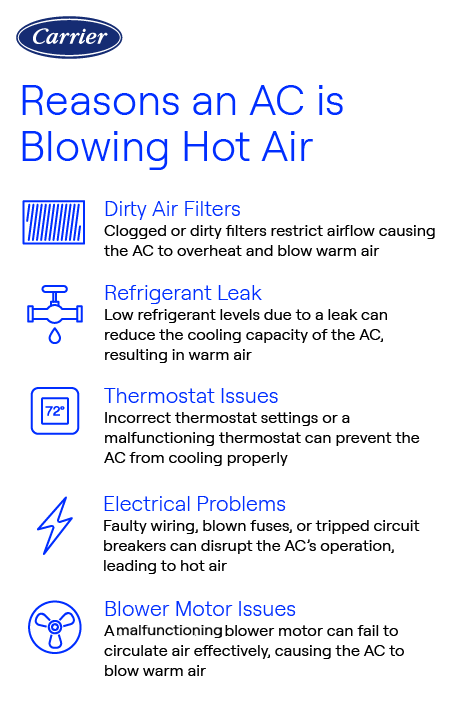
Is your air conditioner blowing warm air when you expect a cool breeze? This frustrating problem can turn your home into an uncomfortable place fast.
You might be wondering why your AC isn’t working the way it should or if it means a costly repair. Understanding the common reasons behind warm air coming from your unit can save you time, money, and stress. Keep reading to discover what might be causing this issue and how you can fix it before the heat takes over your space.
Common Causes Of Warm Air
Air conditioners sometimes blow warm air instead of cool air. This can be frustrating, especially on hot days. Understanding the common causes helps you fix the problem faster.
Warm air from your AC can happen for several reasons. Some are easy to fix, while others need professional help.
Thermostat Settings
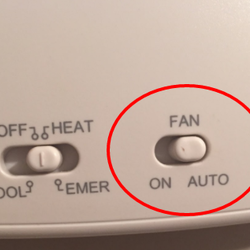
Your thermostat controls the temperature inside your home. If it is set wrong, the AC may blow warm air.
Sometimes the thermostat is on heat mode or set too high. Check that it is set to cool and at a lower temperature than the room.
Dirty Air Filters
Air filters catch dust and dirt to keep your AC clean. When filters get dirty, airflow slows down.
Slow airflow makes it harder for the AC to cool the air. Change or clean filters every 1-3 months for best results.
Refrigerant Leaks
Refrigerant helps your AC cool the air. If there is a leak, the AC cannot cool properly.
Leaking refrigerant causes the AC to blow warm air and may damage the system. Call a technician to fix leaks safely.
Blocked Condenser Unit
The condenser unit releases heat from your home. Dirt, leaves, or debris can block it.
A blocked condenser stops heat from escaping, making your AC blow warm air. Clear the area around the unit regularly.
Faulty Compressor
The compressor pumps refrigerant through the AC system. If it breaks, the AC cannot cool the air.
A faulty compressor often needs repair or replacement by a professional. It is a common reason for warm air coming from the AC.
Checking The Thermostat
If your air conditioner blows warm air, the thermostat might be the cause. The thermostat controls the temperature your AC should reach.
Checking the thermostat settings and condition helps find simple fixes. This can save time and money before calling a technician.
Correct Temperature Setting
Make sure the thermostat is set to “cool” mode, not “heat” or “off”. The temperature should be lower than the room temperature.
If the temperature is set too high, the AC will not blow cold air. Try lowering it by a few degrees to test.
Battery Issues
Many thermostats use batteries to work correctly. Weak or dead batteries can cause wrong readings or no response.
Check the battery compartment and replace old batteries. This simple step can fix warm air problems fast.
Calibration Problems
Sometimes the thermostat shows the wrong temperature. This is called calibration error and can confuse the AC system.
Reset or recalibrate the thermostat following the user manual. This helps the thermostat measure the room temperature correctly.
Inspecting Air Filters And Vents
If your air conditioner blows warm air, dirty filters or blocked vents may be the cause. Checking these parts helps your AC work better.
Clean air filters and clear vents improve airflow and cool your home more efficiently.
Cleaning Or Replacing Filters
Air filters catch dust and dirt from the air. Over time, they get clogged and reduce airflow. This can make your AC blow warm air.
Check your filters every month. Clean or replace them if they look dirty. This helps your AC cool better and lasts longer.
- Remove the filter from the unit
- Tap to remove dust or vacuum gently
- Wash washable filters with water and dry completely
- Replace disposable filters with new ones
- Reinstall the filter properly
Clearing Obstructions In Vents
Blocked vents stop cool air from flowing into your rooms. Furniture, curtains, or dust can block vents and warm the air.
Look at all vents and remove anything blocking them. Clean dust from vents to keep air moving smoothly.
- Move furniture away from vents
- Pull back curtains or rugs covering vents
- Use a vacuum brush to clean vent grilles
- Make sure vents are fully open
Evaluating Refrigerant Levels
Refrigerant is the fluid that cools the air in your air conditioner. Low refrigerant can cause warm air to blow from your vents. Checking refrigerant levels helps find the problem.
It is important to know the signs of low refrigerant and how to fix it safely. Proper maintenance keeps your AC working well.
Signs Of Low Refrigerant
Low refrigerant affects how your air conditioner cools your home. Watch for these signs that may mean your refrigerant is low:
- Air feels warm or less cold than usual
- Longer cooling cycles without reaching the set temperature
- Ice or frost forming on the outdoor unit or refrigerant lines
- Hissing or bubbling noises near the refrigerant lines
- Higher energy bills without increased use
Hiring A Professional For Recharging
Recharging refrigerant requires skill and special tools. A professional can check for leaks and refill the correct amount safely.
| Reason | Why Hire a Professional |
| Safety | Handling refrigerant needs care to avoid harm |
| Proper Tools | Experts use gauges and leak detectors |
| Correct Amount | Too much or too little refrigerant can damage the system |
| Legal Rules | Only licensed technicians can buy and use refrigerants |
Assessing The Condenser Unit
The condenser unit is a key part of your air conditioner. It helps cool the air by releasing heat outside.
If your air conditioner blows warm air, the condenser unit might have a problem. Checking it can help find the cause.
Removing Debris
Debris like leaves, dirt, and grass can block the condenser unit. This stops air from flowing properly.
Clear away all debris around and inside the unit. This helps the condenser work better and cool your home.
- Turn off the power before cleaning.
- Use a brush or vacuum to remove dirt.
- Clear leaves and grass from the top and sides.
- Keep at least two feet of space around the unit.
Checking Fan Operation
The fan in the condenser unit moves air to cool the refrigerant. If the fan does not run, the air stays warm.
Listen for the fan noise or look to see if it spins. If it is not working, your air conditioner can blow warm air.
- Make sure the power is on to the unit.
- Check if the fan blades spin freely.
- Look for signs of damage or loose parts.
- Call a technician if the fan motor needs repair.

Credit: www.logan-inc.com
Identifying Compressor Problems
Your air conditioner may blow warm air if the compressor has issues. The compressor helps cool the air by circulating refrigerant.
When the compressor fails, your AC cannot cool properly. Knowing the signs can help you spot problems early.
Compressor Overheating
The compressor can overheat if it runs too long or lacks proper airflow. Overheating stops the compressor from working well.
Heat can damage parts inside the compressor. This causes the AC to blow warm air instead of cool air.
- Blocked or dirty air filters reduce airflow
- Low refrigerant levels strain the compressor
- Electrical problems can cause excess heat
Unusual Noises
Strange sounds from your AC may mean the compressor has problems. Noises like rattling, clanking, or humming are warning signs.
Noises happen when internal parts wear out or lose lubrication. These sounds should not be ignored.
- Rattling could mean loose parts inside
- Clanking may show broken or damaged components
- Humming often points to electrical issues
When To Call A Technician
If your AC blows warm air and shows signs of compressor trouble, call a technician. They can inspect and fix the problem safely.
Do not try to repair the compressor yourself. It is a complex part that needs special tools and skills.
- Call a technician if you hear strange noises
- Seek help when the compressor overheats often
- Contact a professional if the AC stops cooling
Preventive Maintenance Tips
Air conditioners often blow warm air if they are not well maintained. Preventive care helps keep your AC running cool and smooth. Simple actions can avoid many common problems.
Regular maintenance keeps your system efficient. It saves energy and extends the life of your air conditioner. Follow these tips to prevent warm air issues.
Regular Filter Changes
Dirty filters block airflow and reduce cooling. Change your air filter every 1 to 3 months. This keeps air clean and your AC working well.
Check the filter monthly. If it looks dusty or clogged, replace it right away. Clean filters help your AC cool better and save electricity.
- Inspect filters monthly
- Replace every 1 to 3 months
- Use the correct filter size
- Keep extra filters on hand
Scheduled Professional Inspections
Have a professional check your AC at least once a year. Experts find problems early and fix them properly. This stops warm air issues before they start.
Technicians clean coils, check refrigerant levels, and test parts. Regular check-ups keep your AC safe and efficient. Schedule inspections before hot seasons.
- Book yearly inspections
- Ask for coil cleaning
- Check refrigerant levels
- Test electrical components
Keeping Outdoor Unit Clear
Clear leaves, dirt, and debris around the outdoor unit. Blocked airflow makes the AC work harder and blow warm air. Keep at least 2 feet of space around the unit.
Trim plants and remove objects near the unit. Clean the outdoor coils gently with water if dirty. A clean outdoor unit helps your AC cool better.
- Remove leaves and debris
- Keep 2 feet of clearance
- Trim nearby plants and bushes
- Clean coils with gentle water spray

Credit: unitedstatesolutions.com
Credit: www.aiellohomeservices.com
Frequently Asked Questions
Why Is My Ac Blowing Warm Air Suddenly?
Your AC may blow warm air due to low refrigerant levels, dirty filters, or a faulty compressor. Check for airflow blockages and ensure the thermostat is set correctly. Regular maintenance can prevent these issues and keep your AC cooling efficiently.
Can A Dirty Filter Cause Warm Air From Ac?
Yes, a dirty filter restricts airflow, causing the AC to blow warm air. It reduces cooling efficiency and strains the system. Replace or clean filters regularly to maintain proper airflow and optimal cooling performance in your air conditioner.
How Does Low Refrigerant Affect Ac Cooling?
Low refrigerant means the AC cannot absorb heat properly, leading to warm air output. It often results from leaks or improper charging. A professional should check and recharge the refrigerant to restore effective cooling and prevent further damage.
Is Thermostat Malfunction Why Ac Blows Warm Air?
A faulty thermostat can misread room temperature or settings, causing the AC to blow warm air. Check if the thermostat is on cooling mode and set correctly. Replace or recalibrate it if necessary to ensure accurate temperature control.
Conclusion
An air conditioner blowing warm air can signal several issues. Check your thermostat settings first. Dirty filters or blocked vents often cause poor cooling. Low refrigerant levels also reduce cold air output. Sometimes, the compressor or fan might need repair.
Regular maintenance helps prevent these problems. Acting quickly can save money and keep you cool. Don’t wait for the heat to get worse. Keep your AC in good shape for comfort all year.