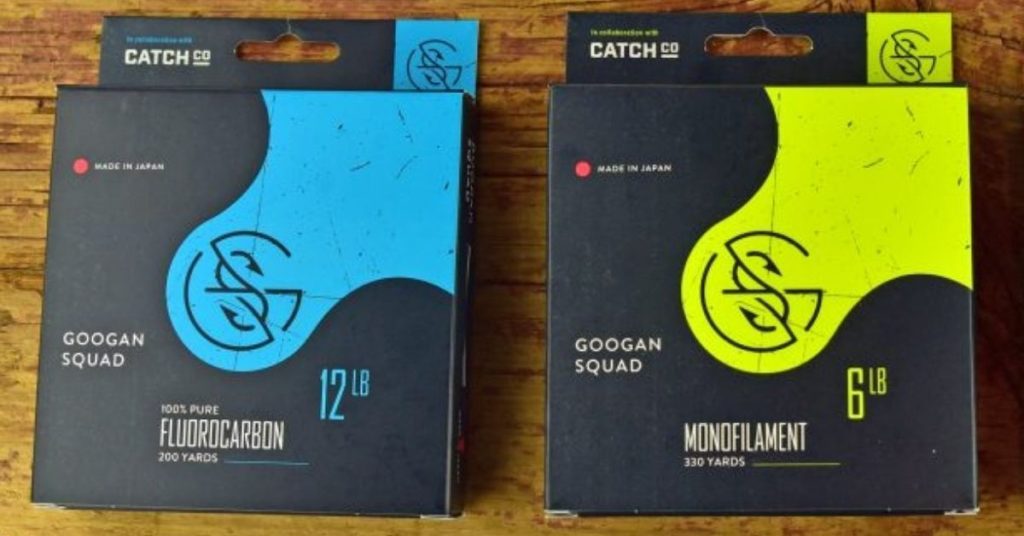
Choosing the best fishing line can make all the difference between a successful catch and a frustrating day on the water. You want a line that is strong, reliable, and perfect for your fishing style.
But with so many options out there, how do you know which one is right for you? You’ll discover the key factors to consider and the top fishing lines that anglers trust. Keep reading, and you’ll soon feel confident about picking the perfect line for your next fishing adventure.

Credit: goofishrod.com
Types Of Fishing Lines
Fishing lines come in different types. Each type has its own uses and features.
Choosing the right line helps you catch fish more easily. It also protects your gear.
Monofilament Lines
Monofilament lines are made from a single strand of nylon. They are stretchy and easy to handle.
This type is good for beginners. It floats on water and works well for many fish.
Fluorocarbon Lines
Fluorocarbon lines are nearly invisible underwater. This helps avoid scaring fish away.
- They sink faster than monofilament.
- They resist abrasion well.
- They are less stretchy.
- Good for clear water fishing.
Braided Lines
Braided lines are made from many strands woven together. They are very strong and thin.
| Feature | Benefit |
| High strength | Handle big fish easily |
| Low stretch | Better hook setting |
| Thin diameter | Cast further |
| Visible in water | Easy to see while fishing |

Credit: mysterytacklebox.com
Factors To Consider
Choosing the best fishing line is important for a good fishing experience. Different lines work better for different fishing needs. Think about your fishing style and the type of fish you want to catch.
Four key factors help you pick the right fishing line. These include strength and durability, visibility in water, stretch and sensitivity, and abrasion resistance.
Strength And Durability
Strength shows how much weight a fishing line can hold before breaking. Durability means how well the line lasts over time without weakening. Strong and durable lines help catch big fish.
Look for lines with high breaking strength and good wear resistance. These lines stay reliable even after many uses or rough conditions.
Visibility In Water
Visibility means how easy it is for fish to see the line in water. Low visibility lines are hard for fish to notice, which can lead to more catches. Clear or green lines often blend well in water.
Choose a line color that matches the water you fish in. Clear lines work for clear water. Green or blue lines suit stained or deep water better.
Stretch And Sensitivity
Stretch affects how much the line can extend when pulled. Lines with less stretch give better sensitivity. You can feel bites and movements more clearly.
Lines with more stretch help absorb sudden pulls from fish. This can prevent the line from breaking but may reduce feel.
- Low stretch: better for feeling bites
- High stretch: better shock absorption
Abrasion Resistance
Abrasion resistance means how well the line can handle rubbing against rocks, wood, or other rough surfaces. Good abrasion resistance keeps the line strong in tough places.
If you fish in areas with many obstacles, choose lines with high abrasion resistance. This helps avoid sudden breaks during fishing.
- Fluorocarbon lines often have good abrasion resistance
- Braided lines are strong but may need coatings for better resistance
Choosing Line Based On Fishing Style
Choosing the right fishing line depends on how and where you fish. Different styles need different lines for better results.
Understanding your fishing style helps pick the best line for strength, stretch, and visibility in water.
Freshwater Fishing
Freshwater fishing usually involves lakes, rivers, or ponds. You want a line that is strong but not too thick.
Monofilament lines work well for beginners because they stretch and are easy to handle. Fluorocarbon lines are good for clear water since they are less visible.
- Monofilament: good stretch, affordable
- Fluorocarbon: low visibility, good abrasion resistance
- Line strength: 6-12 lb test is common
Saltwater Fishing
Saltwater fishing needs lines that resist salt and strong fish. Braided lines are popular for their strength and thin diameter.
Fluorocarbon leaders help with invisibility in clear ocean water. Choose lines with higher test strength for bigger fish.
- Braided line: very strong, thin, no stretch
- Fluorocarbon leader: invisible and tough
- Line strength: 20-50 lb test for most saltwater fish
Fly Fishing
Fly fishing uses special lines with weight to cast light flies. The line must float or sink depending on the fish type.
Weight-forward floating lines are common for surface flies. Sinking lines work well for deep water or fast fish.
- Floating line: stays on surface, easy to cast
- Sinking line: goes deep, reaches bottom fish
- Weight-forward line: helps with long casts
Ice Fishing
Ice fishing requires lines that stay flexible in cold water. Monofilament works because it resists freezing and is easy to handle.
Choose thin lines with good sensitivity to feel bites through the ice hole. Avoid lines that become stiff or brittle in cold.
- Monofilament: flexible, resists cold well
- Thin diameter: better bite detection
- Avoid braided lines that stiffen in cold
Matching Line To Target Species
Choosing the right fishing line is important for catching different fish. Each species needs a line that fits their size and strength.
Using the correct line helps you catch fish without losing them or breaking your gear.
Small Fish
Small fish like panfish and trout need light lines. These lines are thin and less visible in water. They help you feel bites better.
- Line strength: 2 to 6 pounds test
- Line type: Monofilament or light fluorocarbon
- Use light line for clear water
- Good knot strength is important
Medium-sized Fish
Medium-sized fish like bass and walleye need stronger lines. These fish pull harder and need more durable lines.
| Fish Type | Line Strength | Line Type |
| Bass | 8 to 12 pounds test | Fluorocarbon or braided |
| Walleye | 8 to 10 pounds test | Monofilament or fluorocarbon |
| Catfish | 10 to 20 pounds test | Braided or monofilament |
Large Game Fish
Large game fish like tuna or marlin need very strong lines. These fish fight hard and require heavy, tough lines.
Consider this list for large game fish line features:
- Line strength: 30 pounds test or higher
- Use braided line for strength and low stretch
- Fluorocarbon leader for abrasion resistance
- Check line ratings before fishing
Line Maintenance And Storage Tips
Choosing the right fishing line is only part of good fishing. Taking care of your line helps it last longer. Proper maintenance and storage keep your line strong and ready.
Bad care can cause line problems like tangles, weak spots, or breakage. Learn easy ways to keep your fishing line in top shape.
Preventing Line Memory
Line memory happens when your fishing line keeps the shape of the spool. This can cause loops and tangles. Avoid line memory to fish smoothly.
- Use a line conditioner spray before spooling.
- Keep the line tight on the reel when winding.
- Replace old line that shows loops or twists.
- Use larger spools for braided lines to reduce tight winding.
Avoiding Uv Damage
Sunlight harms fishing lines by breaking down their fibers. UV damage makes lines brittle and weak. Protect your line from the sun to keep it strong.
| Tip | How It Helps |
| Store line in a dark place | Stops sunlight from reaching the line |
| Use UV protective sprays | Adds a shield against sun damage |
| Cover your reel when not fishing | Prevents sun exposure during breaks |
| Replace line regularly | Removes weakened line before it breaks |
Proper Storage Techniques
Good storage keeps fishing line ready for your next trip. Poor storage causes tangles, dirt buildup, and damage.
- Keep line dry to avoid mold and mildew.
- Store line in a cool place, away from heat sources.
- Use sealed plastic containers or bags to protect from dust.
- Remove line from the reel if it will be unused for months.
- Label spools with line type and strength for easy use.

Credit: mysterytacklebox.com
Common Mistakes To Avoid
Choosing the right fishing line is key for a good fishing trip. Many anglers make simple mistakes that hurt their catch chances. Learn what to avoid to improve your fishing experience.
Paying attention to line strength, water conditions, and line maintenance helps you fish better. Avoid these common errors for better results.
Using Incorrect Line Strength
Using a fishing line that is too weak or too strong can cause problems. Weak lines break easily, while strong lines may scare fish away.
- Use lighter lines for small fish and clear water.
- Choose heavier lines for big fish or rough water.
- Check the line’s pound test to match your fishing needs.
Ignoring Water Conditions
Water conditions affect the choice of fishing line. Different waters need different lines to catch fish well.
| Water Condition | Recommended Line Type | Reason |
|---|---|---|
| Clear Water | Fluorocarbon | Low visibility to avoid spooking fish |
| Muddy Water | Monofilament | Better stretch and visibility |
| Saltwater | Braided Line | High strength and resistance to abrasion |
Neglecting Line Replacement
Old fishing lines lose strength and can break easily. Regular replacement keeps your line strong and reliable.
- Replace line after several uses or when it shows wear.
- Look for frays, nicks, or discoloration on the line.
- Store your line in a cool, dry place to extend its life.
Frequently Asked Questions
What Types Of Fishing Line Are Best For Beginners?
Monofilament lines are best for beginners. They are affordable, easy to handle, and have good stretch. This makes them forgiving and ideal for learning casting and knot tying.
How Do I Choose The Right Fishing Line Strength?
Choose line strength based on target fish size. Use lighter lines for small fish and stronger lines for bigger fish. Consider your rod’s specifications and fishing environment for the best match.
Is Braided Fishing Line Better Than Monofilament?
Braided lines offer higher strength and sensitivity with less stretch. They are durable but more visible underwater. Monofilament is better for invisibility and stretch, suitable for beginners and certain fishing styles.
What Fishing Line Is Best For Saltwater Fishing?
Fluorocarbon and braided lines are best for saltwater. Fluorocarbon resists abrasion and is less visible. Braided lines provide strength and durability in harsh saltwater conditions.
Conclusion
Choosing the best fishing line depends on your fishing style and needs. Different lines offer unique strengths like durability, stretch, and invisibility. Consider the water type, fish size, and casting distance. Testing a few types helps find what works best for you.
Remember, the right line improves your chances of a good catch. Keep your gear simple and reliable. Enjoy your time on the water with confidence. Fishing success starts with the right fishing line.