Setting up your fish rod the right way can make all the difference between a frustrating day and an amazing catch. If you’ve ever felt lost untangling lines or unsure about which parts go where, you’re not alone.
But here’s the good news: with a few simple steps, you can get your rod ready quickly and confidently. Keep reading, and you’ll discover easy tips that will have you casting like a pro in no time. Your next fishing trip is about to get a whole lot better.

Credit: www.youtube.com
Choosing The Right Rod
Choosing the right fishing rod is important for a good fishing experience. The right rod helps you catch fish with less effort.
Consider the type of fishing you will do. This helps you pick a rod that fits your needs.
Types Of Fishing Rods
There are several types of fishing rods made for different fishing styles. Each type has its own use and benefits.
- Spinning Rods: Easy to use and good for beginners.
- Baitcasting Rods: Offer more control for experienced anglers.
- Fly Rods: Designed for fly fishing with light lures.
- Trolling Rods: Used for fishing from a moving boat.
- Surf Rods: Made for casting far from the shore.
Selecting Rod Length And Power
Rod length affects casting distance and control. Longer rods cast farther but are harder to control.
Rod power means how strong the rod is. Power choices include light, medium, and heavy. Pick power based on the fish size.
- Short rods (5-7 feet) are good for close fishing.
- Long rods (8-12 feet) help with long casts.
- Light power rods work for small fish.
- Medium power rods suit most fishing.
- Heavy power rods handle big, strong fish.
Matching Rod To Fish Species
Different fish need different rods. Use a rod that fits the size and fight of the fish.
For small fish like trout, use a light rod. For bigger fish like bass or pike, use medium or heavy rods.
- Trout and panfish: Light rods, 5-7 feet long.
- Bass and walleye: Medium rods, 6-8 feet long.
- Catfish and pike: Heavy rods, 7-9 feet long.
- Saltwater fish: Heavy rods, often 8 feet or longer.

Credit: www.youtube.com
Gathering Essential Gear
Setting up a fish rod starts with gathering the right gear. Good tools make fishing easier and more fun.
Focus on choosing the best reel, fishing line, hooks, and baits. These parts help you catch fish well.
Picking The Right Reel
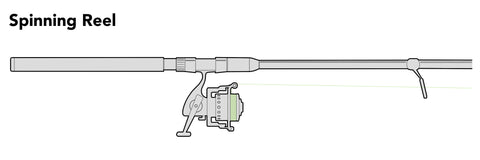
Pick a reel that fits your fishing style and rod. Reels come in spinning, baitcasting, and spincast types.
Spinning reels are good for beginners. Baitcasting reels work well for heavy fish. Spincast reels are easy to use.
- Spinning reels: simple, versatile, good for light lines
- Baitcasting reels: precise, strong, for experienced anglers
- Spincast reels: easy, enclosed spool, less tangling
Choosing Fishing Line
Choose a fishing line that matches the fish you want to catch. Lines vary in strength and thickness.
Monofilament lines are flexible and cheap. Fluorocarbon lines are less visible in water. Braided lines are very strong.
- Monofilament: good for beginners, stretchy, affordable
- Fluorocarbon: hard to see, sinks fast, durable
- Braided: very strong, thin, good for heavy fish
Selecting Hooks And Baits
Use hooks and baits that fit the fish type and water you fish in. Size and shape matter for success.
Choose live bait like worms or minnows for natural attraction. Artificial lures can mimic fish or insects.
- Hooks: match size to fish species
- Live bait: worms, minnows, good for many fish
- Artificial lures: spoons, spinners, soft plastics
Assembling The Rod
Setting up your fishing rod correctly is key to a good fishing experience. This guide helps you put your rod together step-by-step.
Follow these simple instructions to prepare your fishing rod for use.
Attaching The Reel
Start by placing the reel on the rod’s reel seat. Slide it into position so it fits snugly.
Tighten the reel seat until the reel is secure. Avoid overtightening to prevent damage.
Threading The Line
Pull the fishing line from the reel spool. Pass it through each guide ring on the rod.
Start from the bottom near the reel and move to the top tip of the rod.
- Make sure the line goes straight through each guide.
- Keep the line tight but not stretched.
- Check for any snags or twists in the line.
Tying Knots
Use a strong knot to attach your hook or lure to the line. A good knot keeps your gear safe.
The improved clinch knot is easy and reliable for most fishing setups.
- Thread the line through the hook eye.
- Wrap the line around itself five times.
- Pass the end through the loop near the eye.
- Pull tight and trim the excess line.

Credit: fishingbooker.com
Adjusting The Rod Setup
Setting up your fishing rod correctly helps you catch fish easier. Adjusting the rod setup includes setting the drag, balancing the rod and reel, and testing line tension.
Each part of the setup affects your fishing experience. Let’s look at how to adjust these parts step-by-step.
Setting The Drag
The drag system controls how much resistance a fish feels when it pulls the line. Set the drag too tight, and the line may break. Set it too loose, and the fish may escape.
- Turn the drag knob clockwise to increase resistance.
- Turn it counterclockwise to decrease resistance.
- Test the drag by pulling the line with your hand.
- Adjust until you feel steady resistance without too much force.
Balancing The Rod And Reel
Balance helps reduce arm fatigue and improves casting accuracy. To balance, place your rod on your finger near the reel seat. It should sit level without tipping forward or backward.
| Balance Check | What to Do |
| Tipping Forward | Add weight to the handle or use a lighter reel |
| Tipping Backward | Use a heavier reel or reduce handle weight |
| Level | Rod and reel are balanced correctly |
Testing Line Tension
Correct line tension prevents slack and helps detect bites quickly. To test, pull the line gently from the reel. It should feel firm but smooth.
- Check the tension by casting a short distance.
- Adjust the reel’s spool tension knob to control line flow.
- Ensure the line does not spool out too fast or too slow.
- Practice until the line feels responsive and controlled.
Casting Techniques For Beginners
Learning to cast a fishing rod is essential for any beginner. Good casting helps you reach the right spot in the water.
This guide covers basic casting methods, common mistakes, and tips to improve your accuracy and distance.
Basic Casting Methods
There are simple casting methods you can try as a beginner. Start with the overhead cast for longer distance.
- Hold the rod with your dominant hand near the reel.
- Pull the rod tip back smoothly until it points behind you.
- In one motion, swing the rod forward and release the line.
- Let the lure fall gently onto the water surface.
- Practice to control the speed and direction of your cast.
Common Casting Mistakes
| Mistake | How to Fix |
| Releasing the line too early | Wait until the rod is pointing forward before releasing. |
| Using too much force | Use smooth, controlled movements, not jerks. |
| Incorrect grip | Hold the rod firmly but not too tight. |
| Not watching the rod tip | Keep your eyes on the rod tip during the cast. |
| Standing in a bad position | Face the target and keep your feet steady. |
Improving Accuracy And Distance
To improve your casting, focus on your aim and how far you want the lure to go. Practice helps a lot.
- Use smaller, lighter lures for better control.
- Practice casting into targets like floating markers.
- Adjust your stance to have a stable base.
- Keep your wrist firm during the cast to guide direction.
- Follow through with the rod after releasing the line.
Maintaining Your Fishing Rod
Taking care of your fishing rod helps it last longer. Regular maintenance keeps it working well on every trip.
Simple steps like cleaning, storing, and checking for damage protect your rod. These habits save money and time.
Cleaning After Use
After fishing, rinse your rod with fresh water. This removes dirt, salt, and debris that can cause wear.
Use a soft cloth to wipe the rod dry. Avoid harsh chemicals that may damage the finish or guides.
- Rinse rod with clean water
- Wipe dry with a soft cloth
- Clean guides gently to prevent damage
- Do not use strong chemicals
Storing Properly
Store your fishing rod in a cool, dry place. Keep it away from direct sunlight to avoid fading and warping.
Use a rod rack or holder to keep it straight. Avoid leaning it in corners where it can bend or break.
- Keep rod in dry area
- Use a rod rack for support
- Avoid direct sunlight
- Do not bend or lean heavily
Checking For Damage
Regularly inspect your rod for cracks or loose parts. Check the guides and reel seat for any issues.
Fix small problems early to prevent bigger damage. Replace worn guides to keep your line smooth.
- Look for cracks on the rod
- Check guides for bends or breaks
- Ensure reel seat is tight
- Replace damaged parts quickly
Frequently Asked Questions
How Do I Choose The Right Fishing Rod For Beginners?
Choose a fishing rod based on the fish type and water environment. Beginners should pick medium-action rods for versatility and ease of use. Consider rod length around 6-7 feet for better control and casting distance.
What Are The Basic Steps To Set Up A Fishing Rod?
Start by attaching the reel to the rod securely. Thread the fishing line through all guides, then tie a suitable knot. Finally, add a hook, sinker, or lure depending on your fishing style.
How To Properly Thread The Fishing Line Through Guides?
Begin threading the line from the reel, passing it through each guide starting from the bottom. This ensures smooth casting and prevents line tangles. Keep the line tight while threading for better control.
What Type Of Fishing Line Is Best For Beginners?
Monofilament line is ideal for beginners due to its flexibility and ease of handling. It offers good knot strength and is affordable. Choose line strength according to the fish species targeted.
Conclusion
Setting up a fish rod is simple with clear steps. Take your time to attach each part carefully. Check the line and reel to avoid tangles. Practice casting a few times before fishing. This helps you feel comfortable and ready.
Enjoy your fishing trip with confidence and patience. Keep learning and trying different setups. Every attempt improves your skills and fun. Fishing brings peace and joy. Start with basics, and you will do well.