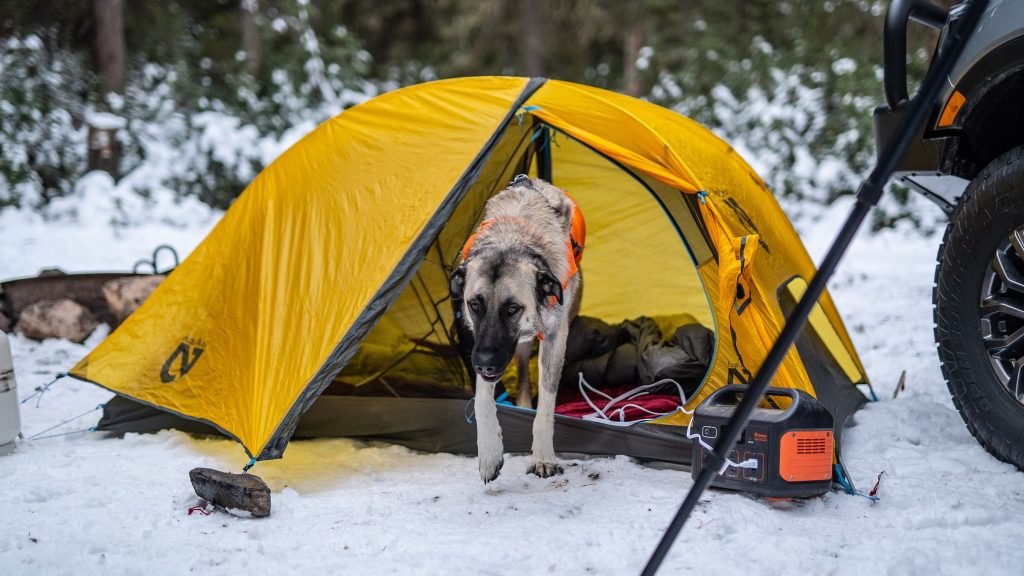
Camping in a tent can be an amazing experience, but nothing ruins the fun faster than feeling cold all night. You want to enjoy the fresh air and peaceful surroundings, not shiver under your sleeping bag.
So, how do you stay warm in a tent when the temperature drops? You’ll discover simple, effective tips that will keep you cozy and comfortable no matter how chilly it gets outside. Keep reading to make sure your next camping trip is warm and enjoyable from start to finish.

Credit: hilltoppacks.com
Choose The Right Tent
Staying warm in a tent starts with picking the right shelter. The tent you choose can block cold winds and keep heat inside.
Not all tents are made for cold weather. Some tents work better for warm weather and do not keep you warm at night.
Opt For Four-season Tents
Four-season tents are designed to handle cold and snowy conditions. They use stronger poles and thicker fabric to protect you.
These tents block wind well and keep warmth inside. They also prevent snow from piling up on top and collapsing the tent.
Check Tent Insulation
Look for tents with good insulation features. Some tents have double walls that trap heat between layers.
A tent with a rainfly and a floor that seals well keeps cold air and moisture out. This helps keep the inside warm and dry.
- Double-wall tents provide extra warmth
- Thick fabric reduces heat loss
- Good floor sealing stops cold ground air
Consider Tent Size
Choose a tent size that fits your group without too much extra space. Smaller tents keep heat better.
Extra space lets cold air circulate inside. A snug tent helps trap your body heat, making it warmer at night.
- Smaller tents retain heat well
- Too much space can cool the tent
- Pick a size just right for campers
Select Proper Sleeping Gear
Staying warm inside your tent is important for a good night’s sleep. Choosing the right sleeping gear helps you keep heat and avoid cold.
Good sleeping gear protects you from chilly nights and keeps your body cozy throughout camping.
Use Insulated Sleeping Bags
Insulated sleeping bags trap your body heat inside. They have layers that keep cold air out and warm air in.
Choose a sleeping bag with the right temperature rating for where you camp. Look for bags filled with down or synthetic insulation.
Add Sleeping Pads For Warmth
Sleeping pads create a barrier between you and the cold ground. They stop heat loss through the bottom.
Use foam or inflatable pads to add extra insulation and comfort. This helps keep your body warm during the night.
Layer With Sleeping Bag Liners
Sleeping bag liners add extra warmth inside your bag. They are thin and easy to carry.
Use liners made from fleece or silk to increase heat retention. They also keep your sleeping bag clean.
Dress In Layers
Staying warm in a tent means dressing the right way. Layers help keep your body heat inside.
Each layer has a job. Together, they block cold air and keep you cozy.
Base Layers That Retain Heat
Base layers touch your skin and keep you dry. Dry skin stays warm. Use materials like wool or synthetic fabrics. Avoid cotton because it holds moisture.
Mid Layers For Insulation
- Wear fleece or down jackets as mid layers.
- These layers trap warm air close to your body.
- You can add or remove mid layers to control heat.
- Make sure the mid layer fits comfortably over the base layer.
Outer Layers To Block Wind
| Feature | Why It Helps |
|---|---|
| Windproof fabric | Stops cold wind from reaching your skin |
| Water-resistant material | Keeps you dry from rain or snow |
| Adjustable cuffs and hoods | Seal gaps to keep warmth inside |
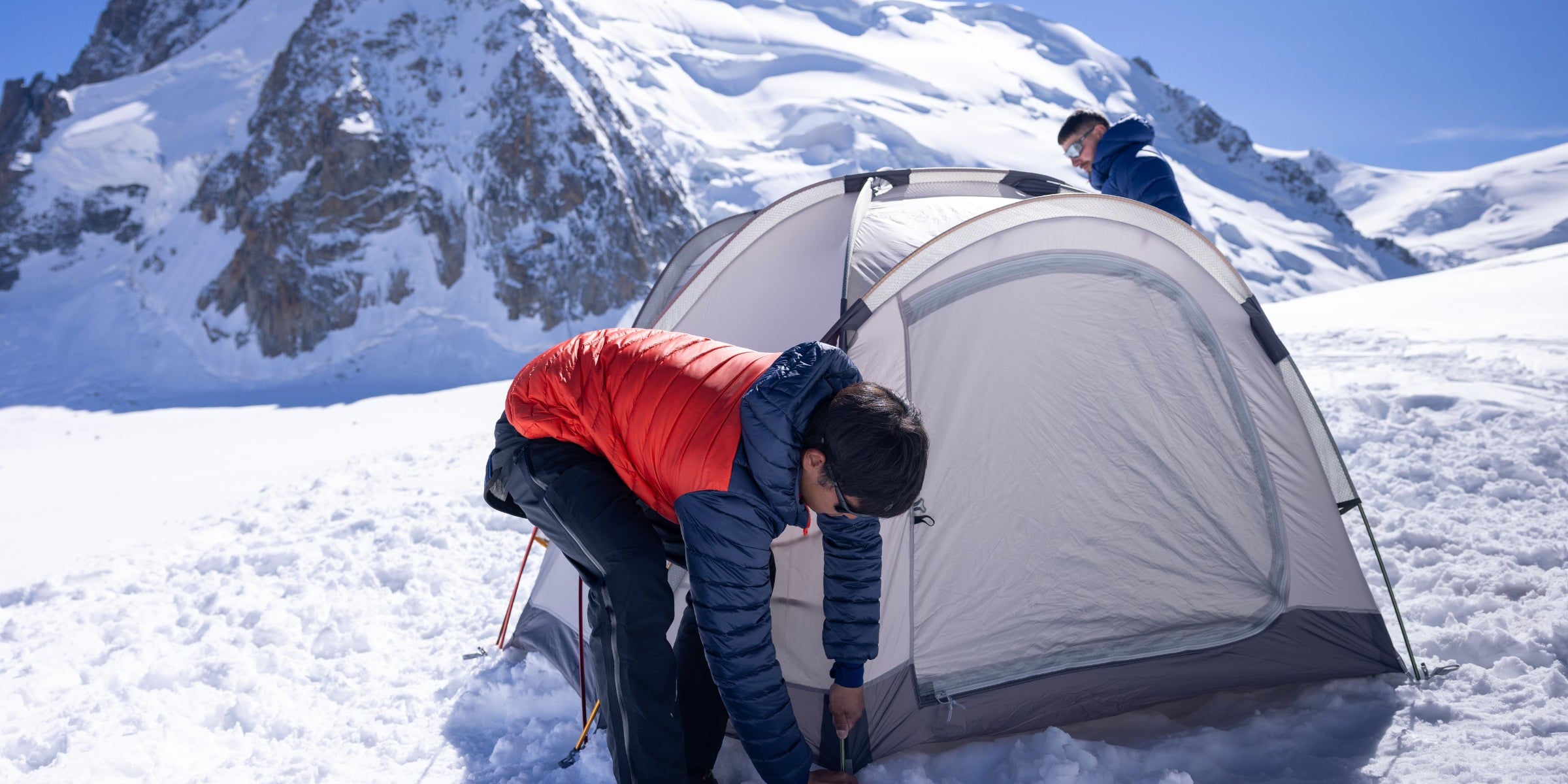
Choose an outer layer that fits well. It should block wind and keep moisture out. This layer protects all others.
Credit: alpkit.com
Manage Moisture And Ventilation
Keeping your tent dry and well-ventilated helps you stay warm. Moisture can make the inside cold and uncomfortable. Good airflow reduces dampness and keeps the air fresh.
Proper moisture control also prevents mold and bad smells. It is important to balance ventilation with warmth during cold nights.
Prevent Condensation Inside Tent
Condensation forms when warm air meets cold surfaces inside your tent. It can soak your sleeping bag and clothes. You can stop this by managing moisture sources carefully.
- Dry wet clothes outside before bringing them in.
- Avoid cooking inside the tent to reduce steam.
- Use a groundsheet to block moisture from the floor.
- Keep your tent clean and free from damp gear.
- Open tent doors or windows slightly to let moisture escape.
Allow Airflow To Reduce Dampness
Good airflow helps remove moisture from inside your tent. It lowers humidity and keeps your gear dry. You should use vents and openings to improve air circulation.
| Ventilation Method | Benefit |
| Open mesh windows | Blocks insects but lets air flow |
| Use tent vents | Allows warm, moist air to escape |
| Keep door slightly open | Increases airflow without letting cold in |
| Set up tent in windy area | Helps natural air circulation |
Use Heat Sources Safely
Keeping warm inside a tent is important for a good camping experience. Using heat sources carefully helps avoid accidents and keeps everyone safe.
Always follow safety rules when using heaters or warm items inside your tent. This guide explains safe ways to stay warm with heat sources.
Portable Camping Heaters
Portable camping heaters can quickly warm your tent. Use only heaters made for indoor or tent use. Never leave heaters unattended.
- Place the heater on a flat, stable surface.
- Keep it away from sleeping bags and fabrics.
- Ensure good ventilation to avoid carbon monoxide buildup.
- Turn off the heater before sleeping or leaving the tent.
Hot Water Bottles
Hot water bottles give gentle heat for hours. Fill them with hot water but not boiling water. Wrap them in a cloth before use.
| Tip | Reason |
| Use warm water, not boiling | Prevents burns and bottle damage |
| Wrap bottle in cloth | Protects skin from direct heat |
| Check for leaks before use | Avoids water spills inside the tent |
| Place bottle at feet or under clothes | Maximizes warmth safely |
Warm Drinks Before Bed
Drinking warm drinks helps your body stay warm at night. Avoid caffeine because it can stop good sleep.
- Prepare herbal tea or warm milk.
- Drink slowly to feel the warming effect.
- Avoid sugary drinks that cause quick energy drops.
- Use insulated cups to keep drinks hot longer.
Prepare The Campsite
Staying warm in a tent starts before you pitch your tent. Preparing your campsite well helps protect you from cold weather. You need to pick a good spot and clear the area properly.
Setting up windbreaks around your tent can stop cold wind from chilling you. Each step makes your camping experience warmer and more comfortable.
Choose Sheltered Locations
Find a camping spot that blocks wind naturally. Look for areas near trees or large rocks. Avoid open fields or hilltops where wind is strong. A sheltered spot keeps your tent warmer and safer from weather.
Clear Snow And Debris
Remove snow, leaves, and sticks from the ground before setting your tent. A flat and clean surface helps keep the tent floor dry and insulated. Snow under your tent can melt and make you cold.
- Brush off loose snow and debris
- Use a shovel to flatten the ground
- Lay a ground tarp to add insulation
Set Up Windbreaks
Windbreaks reduce cold wind around your tent. You can use natural or man-made materials. Position them to block wind from the main direction it blows.
| Type of Windbreak | Materials Needed | Placement Tips |
| Natural Windbreak | Trees, bushes, rocks | Set tent close behind them |
| Man-Made Windbreak | Tarps, boards, snow walls | Build on windward side of tent |
Optimize Body Heat
Staying warm inside a tent is very important during camping. Your body heat helps keep you cozy.
Using simple habits can help you keep your body warm all night long.
Exercise Before Sleeping
Doing light exercise before you sleep can warm your body. It raises your body temperature.
Try walking, stretching, or jumping jacks for a few minutes. Do not overdo it or sweat too much.
Stay Hydrated And Nourished
Drinking water helps your body keep warm. Dehydration can make you feel colder.
Eat foods that give you energy. Warm meals and snacks help your body make heat.
- Hot soup or stew
- High-energy snacks like nuts
- Warm drinks like herbal tea
Avoid Alcohol And Caffeine
Alcohol makes your body lose heat faster. It can make you feel warm but lowers your core temperature.
Caffeine can dehydrate you. It may also affect how well you sleep, which lowers your body heat at night.
Credit: www.theshowerpouch.com
Frequently Asked Questions
How Can I Keep Warm Inside A Tent While Camping?
Use an insulated sleeping pad and a high-quality sleeping bag. Wear thermal layers and keep dry to retain body heat. Avoid direct contact with cold ground by using a tent footprint or tarp.
What Clothing Is Best For Staying Warm In Tents?
Wear moisture-wicking base layers, insulating mid-layers like fleece, and waterproof outer layers. Avoid cotton as it traps moisture. Use hats and gloves to prevent heat loss from extremities.
Which Sleeping Bags Are Best For Cold Weather Camping?
Choose sleeping bags rated for temperatures below your camping conditions. Down insulation offers excellent warmth-to-weight ratio. Synthetic bags retain warmth when wet and dry faster.
How To Prevent Moisture Buildup Inside A Tent?
Ventilate the tent by opening vents or windows slightly to reduce condensation. Avoid cooking inside the tent and dry wet clothes outside. Use moisture-wicking sleeping liners to keep dry.
Conclusion
Staying warm while tent camping makes the trip much better. Dress in layers and use a good sleeping bag. Keep your tent dry and choose a safe spot. Eat warm food and drink hot beverages before bed. Small steps add up to big warmth.
Enjoy your camping nights without the cold. Stay cozy and make great memories outdoors.