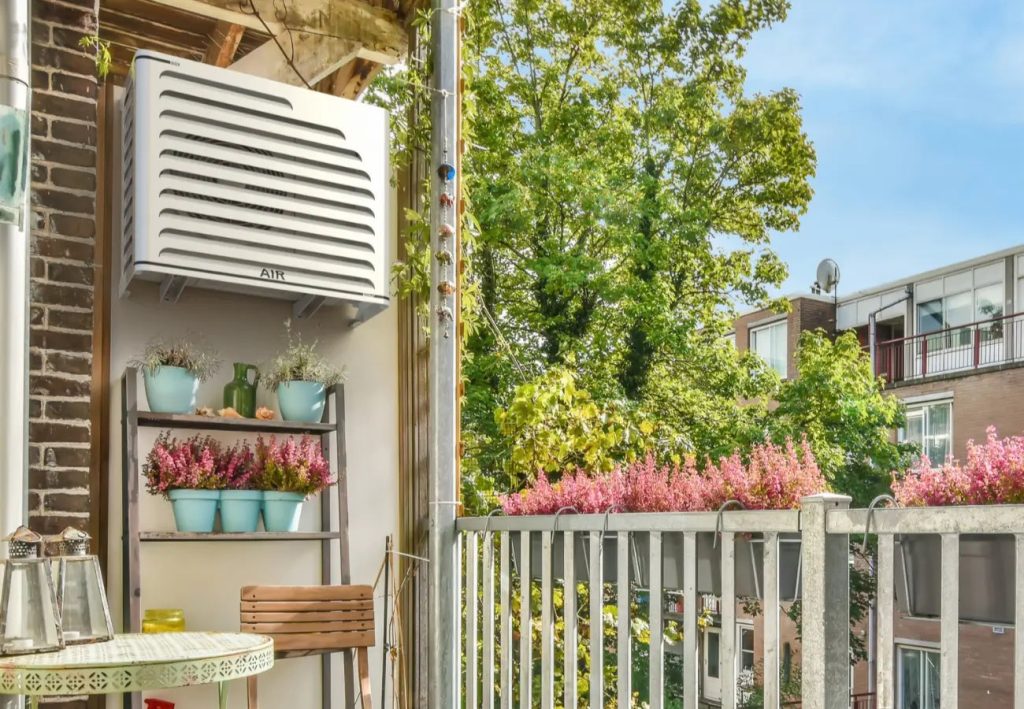
Is your window air conditioner sticking out and ruining the look of your home’s exterior? You’re not alone.
Many people want to keep their air conditioners cool and efficient but also want their outdoor space to look neat and stylish. Imagine a simple way to hide that bulky unit without blocking airflow or affecting its performance. You’ll discover easy, practical tips to conceal your window air conditioner outside—making your home look better while keeping you cool.
Ready to transform your space? Let’s dive in.

Credit: minal.squaredealmedia.in
Choosing The Right Location
Finding the best spot to hide your window air conditioner outside is important. The right place keeps the unit safe and working well.
This guide covers how to pick a location by checking outdoor space, airflow, and sunlight.
Assessing Outdoor Space
Look around the outside area where you want to place the air conditioner. Make sure there is enough room for the unit and for maintenance access.
- Check if there is a flat surface or sturdy support.
- Measure space to fit the air conditioner size.
- Ensure the area is safe from heavy foot traffic.
- Avoid spots near water sources that might cause rust.
Considering Airflow And Ventilation
Good airflow helps the air conditioner work better and last longer. The unit needs clear space around it for air to move freely.
| Airflow Factor | Why It Matters |
| Clearance Around Unit | Prevents overheating and improves cooling |
| Distance from Walls | Allows air to circulate on all sides |
| No Blockages | Keeps vents open and clear of debris |
| Elevated Placement | Reduces dust and dirt buildup |
Avoiding Direct Sunlight
Direct sunlight heats the air conditioner and lowers its efficiency. Choose a shaded spot or use a cover to block sun rays.
Ways to reduce sun exposure:
- Place the unit under a porch or awning.
- Use plants or bushes to create natural shade.
- Install a shade screen above the unit.
- Avoid south- or west-facing walls that get strong afternoon sun.
Using Decorative Covers
Hiding a window air conditioner outside can improve your home’s look. Decorative covers help blend the unit into your space.
These covers protect the air conditioner while adding style. Choose a cover that fits your outdoor design.
Wooden Enclosures
Wooden enclosures are sturdy and natural-looking. They create a solid frame around the air conditioner.
You can paint or stain wood to match your home. Make sure the enclosure allows airflow to keep the unit cool.
- Use slats or gaps for ventilation
- Choose weather-resistant wood like cedar
- Keep the enclosure easy to remove for maintenance
Lattice Panels
Lattice panels offer a decorative and airy cover. Their crisscross pattern hides the unit but lets air flow well.
These panels are lightweight and easy to install. Paint them to match your home’s exterior or garden style.
- Attach panels around the air conditioner
- Leave space for air intake and exhaust
- Use treated wood or plastic for durability
Plant Screens
Plant screens use greenery to hide the air conditioner naturally. Tall plants or shrubs can create a living cover.
Choose plants that grow well in your climate. Place them close enough to hide the unit but not block airflow.
- Use fast-growing shrubs or vines
- Keep plants trimmed away from the unit
- Water and care for plants regularly
Incorporating Landscaping
Hiding a window air conditioner outside can improve your home’s look. Landscaping helps blend the unit with nature. You can use plants and garden features to cover the air conditioner.
Choosing the right plants and arrangements keeps the unit cool. It also makes your outdoor space more attractive. Here are some ways to use landscaping to hide your air conditioner.
Strategic Shrub Placement
Placing shrubs around the air conditioner hides it without blocking airflow. Choose shrubs that grow tall and dense. Plant them a few feet away to allow space for air circulation.
- Pick evergreen shrubs for year-round coverage
- Use fast-growing varieties to cover the unit quickly
- Keep shrubs trimmed to avoid blocking vents
- Arrange shrubs in a semi-circle for better airflow
Vertical Gardens
Vertical gardens add greenery and hide the air conditioner on walls or fences. Use trellises or plant wall-mounted pots near the unit. This creates a green screen without taking ground space.
| Plant Type | Care Level | Growth Speed |
| English Ivy | Low | Fast |
| Boston Fern | Medium | Moderate |
| Succulents | Low | Slow |
Potted Plants And Planters
Using potted plants around the air conditioner offers flexible hiding options. You can move pots as needed for cleaning or maintenance. Choose plants that do well in containers and match your style.
Low water, tall
Shade-loving, lush
Colorful flowers
Building Custom Structures
Hiding a window air conditioner outside can improve your home’s look. Custom structures let you cover the unit neatly.
Building around the air conditioner keeps it safe and blends it with your outdoor space. Choose a style that fits your home.
Small Sheds And Cabinets
Small sheds or cabinets are perfect to hide an air conditioner. They protect the unit from rain and dirt.
Use weather-resistant materials like treated wood or metal. Make sure the structure has good airflow to keep the unit cool.
- Build a frame slightly larger than the unit
- Add vents or slats for air circulation
- Use waterproof paint or sealant
- Ensure easy access for maintenance
Pergolas And Trellises
Pergolas and trellises offer a stylish way to hide your air conditioner. They provide shade and improve outdoor décor.
Climbing plants on the trellis add natural cover. Keep enough space for air to flow freely around the unit.
- Use sturdy wood or metal for the frame
- Place the air conditioner under the pergola roof
- Train vines or plants to grow on the trellis
- Leave gaps for ventilation and service access
Diy Wooden Boxes
DIY wooden boxes are simple and affordable covers. They can be built to fit the exact size of your air conditioner.
Use slats or lattice on the box sides. This design allows air to pass while hiding the unit from view.
- Cut wood panels to the size of the unit
- Create side panels with spaced slats
- Assemble with screws and waterproof glue
- Paint or stain to match your home exterior
- Make the top removable for easy access
Using Outdoor Furniture
Hiding a window air conditioner outside can improve your home’s look. Outdoor furniture helps cover the unit neatly.
You can use furniture pieces that blend with your yard or patio style. This keeps the air conditioner out of sight.
Bench Covers
Bench covers are a good way to hide an air conditioner. They look like normal seating but cover the unit completely.
Choose a bench with slats or gaps for air flow. This prevents the air conditioner from overheating.
- Pick a sturdy bench that fits your unit size
- Make sure it allows enough air circulation
- Use weather-resistant materials for durability
Storage Boxes
Storage boxes can hide window air conditioners well. They offer a simple cover and extra space for tools or cushions.
Choose a box with ventilation holes or slats. This keeps air flowing while hiding the unit.
- Measure the air conditioner before buying
- Look for boxes made for outdoor use
- Ensure easy access for maintenance
Multi-purpose Tables
Multi-purpose tables can cover the air conditioner and add function. Use a table with a hollow space under the top.
This design hides the unit while giving you a surface to place drinks or plants.
- Choose tables with open sides or vents
- Use weatherproof materials like metal or treated wood
- Check the size fits your air conditioner well
Ensuring Proper Maintenance Access
Hiding a window air conditioner outside helps keep your space neat. It is important to still access it for maintenance. Good access lets you clean and fix the unit easily.
Proper design of the cover or enclosure keeps the air conditioner safe and working well. This guide covers ways to hide the unit while keeping access simple.
Removable Panels
Removable panels let you take off parts of the cover easily. You can reach the air conditioner without removing the whole enclosure.
Make sure the panels are light and fit well. Use screws or latches that you can open by hand or with simple tools.
- Use screws or clips for easy removal
- Panels should be light but strong
- Keep panel edges smooth to avoid injury
Hinged Doors
Hinged doors provide quick access to the air conditioner. They open like a cabinet door and stay attached to the cover.
Choose strong hinges that hold the door steady. Add a latch to keep the door closed during bad weather.
- Install durable hinges for long use
- Use a latch or lock to secure the door
- Doors should open wide for full access
Clearance For Airflow
Clear space around the air conditioner is important. It lets air move freely to cool the unit properly.
Keep at least 6 inches of gap on all sides. Avoid blocking vents or fans with cover parts or plants.
- Maintain 6 inches clearance on all sides
- Do not block the air intake or exhaust
- Check airflow space regularly for debris
Safety And Efficiency Tips
Placing a window air conditioner outside needs care. You want it safe and working well.
Follow simple tips to keep your AC cool, dry, and free from pests. This helps it last long.
Avoiding Overheating
Air conditioners need good airflow to avoid getting too hot. Blocked vents cause overheating.
Make sure nothing covers the unit’s sides or back. Keep space for air to move freely.
- Leave at least 12 inches of space around the unit
- Do not place plants or furniture close to vents
- Clean air filters regularly to improve airflow
Weatherproofing Materials
Protect your air conditioner from rain and snow with the right materials. This stops damage.
Use weatherproof covers or build a small shelter. Choose materials that do not block airflow.
- Use waterproof covers made for air conditioners
- Build a sloped roof to let water run off
- Avoid plastic wraps that trap heat and moisture
Pest Prevention
Insects and small animals can damage your unit or block airflow. Keep them away.
Seal gaps and use screens on vents. Check the area often for signs of pests.
- Seal cracks around the unit with weatherproof caulk
- Install fine mesh screens over openings
- Keep the area clean and free of debris

Credit: discoveryfence.en.made-in-china.com

Credit: www.walmart.com
Frequently Asked Questions
How Can I Hide A Window Ac Unit Outside Discreetly?
You can use decorative screens, lattice panels, or outdoor plants to conceal your window AC unit. These options blend the unit with your outdoor decor while allowing proper airflow and easy access for maintenance.
What Materials Work Best To Hide Outdoor Ac Units?
Wooden lattice, bamboo screens, and vinyl panels are excellent materials. They provide sturdy coverage, resist weather damage, and enhance outdoor aesthetics without blocking airflow to the AC unit.
Can I Build A Custom Enclosure For My Outdoor Ac?
Yes, building a custom enclosure is effective. Ensure it has enough ventilation and easy access for servicing. Use weather-resistant materials to protect the AC while keeping it hidden.
Will Hiding My Window Ac Unit Affect Its Performance?
Properly hiding your AC won’t affect performance if airflow is maintained. Avoid enclosing the unit tightly; leave space for ventilation to prevent overheating and ensure efficient cooling.
Conclusion
Hiding a window air conditioner outside can improve your home’s look. Use plants, screens, or decorative covers to blend the unit. Make sure air flows well to keep the AC working fine. Choose materials that resist weather and last long.
With simple steps, you keep your space cool and neat. Try different ideas until you find what fits best. A hidden AC can make your outdoor space more pleasant. Keep your home stylish and comfortable all summer long.