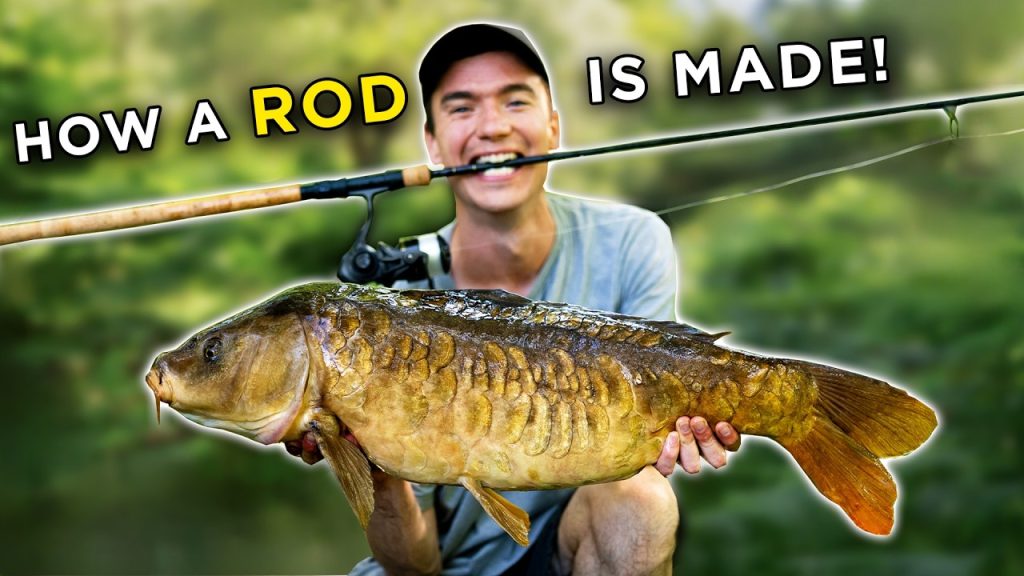
Have you ever wondered what goes into making the perfect fishing rod? Whether you’re an experienced angler or just starting out, understanding how fishing rods are made can change the way you choose and use them.
From the materials to the design, every detail matters in creating a rod that feels just right in your hands and helps you catch more fish. Keep reading, and you’ll discover the fascinating steps behind crafting a fishing rod that could become your new best fishing partner.

Credit: fishingbooker.com
Materials Used In Fishing Rods
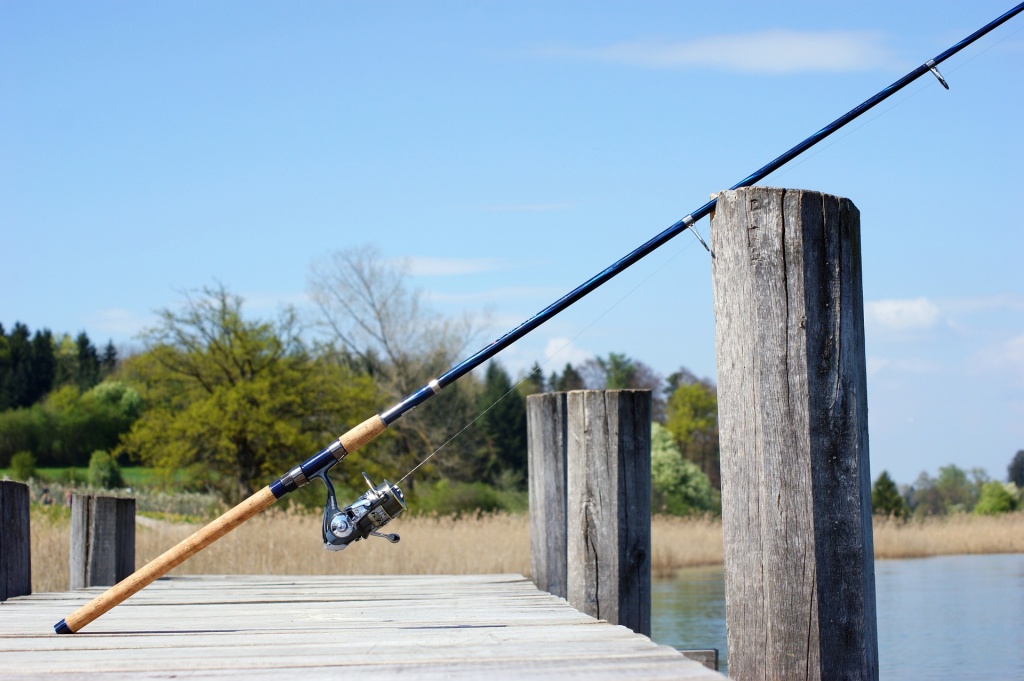
Fishing rods come in many types and styles. The materials used affect their strength and weight. Each part of the rod uses different materials for the best performance.
Understanding these materials helps anglers choose the right rod. We will look at rod blanks, guides, reel seats, and handles.
Types Of Rod Blanks
Rod blanks are the main shaft of the fishing rod. They are made from several materials that affect flexibility and power.
- Fiberglass:Durable and flexible, good for beginners and heavy fish.
- Graphite:Lightweight and sensitive, preferred for precision fishing.
- Composite:A mix of fiberglass and graphite, balancing strength and sensitivity.
Guide And Reel Seat Components
Guides and reel seats are important for rod function. They must be strong and corrosion-resistant.
| Component | Common Materials | Purpose |
| Guides | Stainless Steel, Ceramic, Titanium | Direct the fishing line and reduce friction |
| Reel Seat | Aluminum, Graphite, Plastic | Secure the reel to the rod |
Handle Materials
Handles provide grip and comfort. Different materials suit different fishing styles and budgets.
- Cork:Lightweight and comfortable, offers good grip even when wet.
- EVA Foam:Durable and soft, resists wear and tear.
- Wood:Classic look, heavier but sturdy.
Credit: petroleumservicecompany.com
Shaping The Rod Blank
The shaping of a fishing rod blank is a key step in making a rod strong and flexible. It involves cutting, tapering, and preparing the blank to fit the design. This process sets the foundation for the rod’s performance on the water.
After shaping, the rod blank undergoes spinning and wrapping. These techniques add strength and secure the guides and other parts to the blank. Together, these steps ensure the rod works well and lasts long.
Cutting And Tapering
The first part of shaping is cutting the blank to the right length. Then, the blank is tapered to create the rod’s flexible tip and strong butt. Tapering changes the diameter of the blank along its length.
- Cut the blank with precision tools
- Measure the diameter at multiple points
- Use sanding or grinding to taper the blank
- Check the taper to meet design specs
- Smooth the surface to remove rough edges
Spinning And Wrapping Techniques
Spinning applies a resin coating while the blank spins slowly. This creates an even layer that protects the blank. Wrapping uses thread to hold guides and parts tightly to the blank.
| Technique | Purpose | Tools Used |
| Spinning | Apply protective resin coating | Rotating mandrel, resin brush |
| Wrapping | Secure guides and components | Thread, wrapping machine |
Applying The Guides
Fishing rods need guides to control the fishing line. These guides help the line move smoothly and improve casting.
Properly adding guides is important. It affects how the rod performs and lasts over time.
Guide Selection And Placement
Choosing the right guides depends on the rod type and fishing style. Guides come in different sizes and materials.
- Start with a large guide near the handle to reduce line friction.
- Use smaller guides toward the tip for better line control.
- Place guides evenly along the rod to balance stress.
- Ensure guides align straight to prevent line damage.
Securing Guides With Thread Wraps
Thread wraps hold the guides tightly to the rod blank. They must be strong and neat.
| Thread Type | Use | Benefit |
| Nylon | General wraps | Strong and flexible |
| Silk | High-end rods | Smooth finish |
| Polyester | Durable wraps | Resistant to wear |
After wrapping, apply epoxy to protect threads and keep guides in place. Let it dry fully before use.
Finishing Touches
The final steps in making fishing rods add strength and style. These touches protect the rod and make it comfortable to use.
Two key parts of finishing are coating the rod with epoxy and adding handles with reel seats. Each part needs care and precision.
Epoxy Coating And Curing
After shaping, the rod gets a clear epoxy coat. This layer protects the rod from water and damage. It also gives a smooth, shiny finish.
- The epoxy is carefully brushed or sprayed on the rod.
- It is important to apply an even coat to avoid bubbles or drips.
- The rod is then placed in a warm, dust-free area to cure.
- Curing takes several hours to harden the epoxy fully.
- Once cured, the rod is polished to a smooth finish.
Adding Handles And Reel Seats
The handle and reel seat are added last. They give the angler a good grip and hold the fishing reel securely.
| Component | Description | Materials Used |
|---|---|---|
| Handle | Grips the rod comfortably | Cork, EVA foam, or rubber |
| Reel Seat | Secures the fishing reel | Aluminum, graphite, or plastic |
These parts are glued or screwed onto the rod blank. The fit must be tight and aligned for proper balance.
Quality Control Processes
Quality control ensures fishing rods perform well and last long. Each rod goes through strict tests before leaving the factory.
These tests check the rod’s strength, flexibility, and overall condition. This helps catch defects early and maintain high standards.
Flexibility And Strength Testing
Fishing rods need to bend without breaking. This test measures how much force a rod can take and how well it bends back.
- Apply pressure to different parts of the rod
- Measure the bending angle and recovery time
- Check for cracks or weak spots during bending
- Test rods under cold and hot conditions
Visual And Functional Inspections
Inspectors look closely at each rod for surface defects. They check guides, handles, and reel seats for quality and fit.
| Inspection Area | What Is Checked | Criteria |
| Rod Blank | Surface smoothness, paint finish | No scratches, even coating |
| Guides | Alignment, attachment strength | Proper placement, no loose parts |
| Handle | Grip comfort, material quality | No cracks, secure fit |
| Reel Seat | Thread function, tightness | Easy to use, holds reel firmly |

Credit: anglersresource.net
Custom Vs. Factory-made Rods
Fishing rods come in two main types: custom-made and factory-made. Each type has its own way of being made and offers different benefits.
Choosing between these rods depends on what you want from your fishing experience and how much you value certain features.
Benefits Of Custom Crafting
Custom rods are made to fit the angler’s specific needs. They provide high quality and personal style. Skilled craftsmen build them with care and attention.
- Materials are chosen for strength and lightness.
- Rod length and action match fishing style.
- Handles and guides are selected for comfort.
- Unique designs and finishes are possible.
- Repairs and upgrades are easier to do.
Mass Production Methods
Factory-made rods use machines to make many rods fast. They are made in large quantities with set designs and parts.
| Step | Process | Details |
| 1 | Material Preparation | Carbon fiber sheets are cut and shaped. |
| 2 | Blank Forming | Sheets are wrapped and cured in molds. |
| 3 | Guide Attachment | Guides are glued and wrapped by machines. |
| 4 | Handle Assembly | Handles are attached and finished. |
| 5 | Quality Check | Rods are tested for defects and strength. |
Frequently Asked Questions
How Are Fishing Rods Manufactured Step-by-step?
Fishing rods are made by shaping blanks, wrapping guides, and attaching handles. Each step ensures strength and flexibility. Materials like graphite or fiberglass are used. The rod is then cured, polished, and tested for quality before packaging.
What Materials Are Used To Make Fishing Rods?
Common materials for fishing rods include graphite, fiberglass, and composite blends. Graphite offers lightness and sensitivity. Fiberglass provides durability and flexibility. Composites combine the best traits for performance and strength, suited for various fishing styles.
Why Is Rod Guide Placement Important?
Guide placement affects casting accuracy and line control. Proper spacing reduces friction and prevents tangles. It ensures smooth line flow during casts and retrieves. Correct guide alignment enhances rod performance and durability.
How Do Manufacturers Test Fishing Rods?
Manufacturers test rods by checking flexibility, strength, and balance. They perform stress tests to ensure durability under load. Casting trials measure performance and sensitivity. Each rod must meet quality standards before sale.
Conclusion
Crafting fishing rods blends skill, materials, and precise steps. Each part plays a key role in the final product. From choosing fibers to shaping the handle, makers ensure quality. This process creates rods that anglers trust and enjoy. Understanding how rods are made helps appreciate their value.
Next time you fish, remember the care behind your rod. It’s more than a tool; it’s a product of careful work.