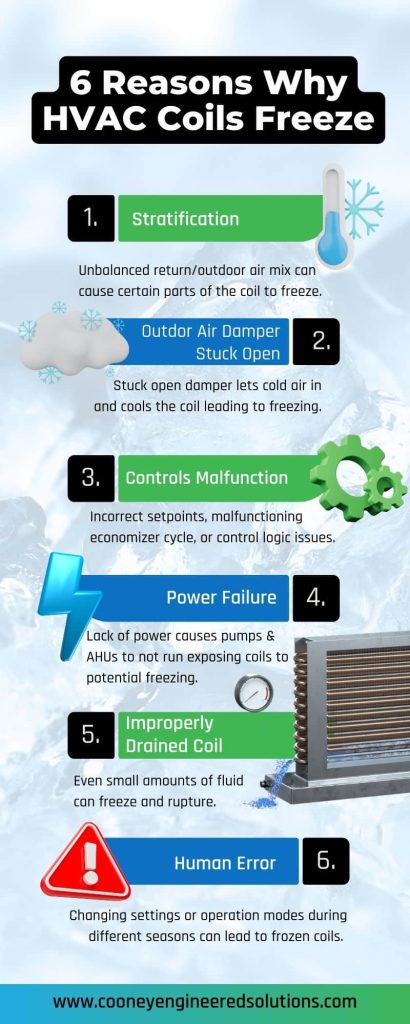
Have you ever noticed ice building up on your air conditioner coils and wondered why it’s happening? Frozen coils can stop your AC from working properly, leaving your home uncomfortable and your energy bills rising.
Understanding what causes your air conditioner coils to freeze is the first step to fixing the problem and keeping your system running smoothly. You’ll discover the main reasons behind frozen coils and how you can prevent this issue before it causes bigger headaches.
Keep reading—your AC’s health depends on it!
Common Causes Of Frozen Ac Coils
Frozen air conditioner coils stop your AC from cooling properly. Ice builds up on the coils and blocks airflow.
Several reasons cause AC coils to freeze. Knowing these helps you fix the problem faster.
Low Refrigerant Levels
Refrigerant cools the air inside your AC unit. Low refrigerant means the coils get too cold. This causes ice to form on them.
Leaks or improper charging reduce refrigerant. A technician should check and refill refrigerant to avoid damage.
Poor Airflow
Airflow moves warm air over the coils. Without enough airflow, coils stay cold and freeze.
- Blocked vents
- Closed or dirty registers
- Obstructed blower fan
- Dirty evaporator coils
Clearing these obstructions restores airflow and prevents freezing.
Dirty Air Filters
Dirty air filters reduce airflow inside your AC system. This causes the coils to become too cold and freeze.
| Filter Condition | Effect on Airflow | Risk of Coil Freezing |
| Clean | Good | Low |
| Partially Dirty | Reduced | Medium |
| Clogged | Poor | High |
Thermostat Issues
A broken or incorrectly set thermostat can cause the AC to run too long or too cold. This can freeze the coils.
Check if your thermostat:
- Has wrong temperature settings
- Is placed near heat sources
- Has dead batteries or wiring problems

Credit: www.achrnews.com
Impact Of Frozen Coils On Ac Performance
Frozen air conditioner coils can cause several problems in how your AC works. Ice buildup stops the system from cooling well.
Understanding the effects helps to spot issues early and keep your AC running smoothly.
Reduced Cooling Efficiency
Frozen coils block airflow. This lowers the AC’s ability to cool your home. The cold air can’t pass through the ice layer.
- Less cool air reaches the rooms.
- The AC runs longer to reach the set temperature.
- Humidity inside the house may increase.
Increased Energy Consumption
When coils freeze, your AC uses more electricity. The system works harder to cool the space.
| Effect | Cause | Result |
| Frozen Coils | Blocked airflow | Longer run time |
| Longer Run Time | Extra power use | Higher electricity bills |
| System Strain | Overworking parts | More wear and tear |
Potential Damage To The System
Frozen coils can harm your AC’s parts. Ice can cause leaks and damage the compressor.
Signs of damage include:
- Strange noises from the AC unit
- Water leaks near the indoor unit
- AC shutting off unexpectedly
Preventive Measures To Avoid Coil Freezing
Air conditioner coils can freeze and cause the system to stop working well. This happens when cold air builds up on the coils. Taking steps to prevent freezing helps keep your AC running smoothly.
Regular care and checks of your AC system stop coil freezing. Small actions can save you from costly repairs and keep your home cool.
Regular Maintenance
Check your air conditioner regularly to find small problems early. A routine check helps keep coils from freezing. Look for any damage or dirt buildup on parts.
Hire a professional technician at least once a year. They can clean and inspect the system deeply. Regular maintenance keeps your AC in good shape.
Cleaning Air Filters
Dirty air filters block airflow and cause the coils to get too cold. Clean or replace filters every 1 to 3 months. This helps air move freely and stops freezing.
- Turn off the AC before removing filters
- Use a vacuum or wash filters gently
- Let filters dry completely before reinstalling
- Replace old or damaged filters promptly
Checking Refrigerant Levels
Low refrigerant causes the coils to get too cold and freeze. Check refrigerant levels with a professional. They can add more if needed to keep your AC working well.
Do not try to add refrigerant yourself. Improper handling can damage the system or be unsafe.
Ensuring Proper Airflow
Good airflow stops coil freezing by keeping air moving around the coils. Keep vents open and clean. Remove any objects blocking air vents or ducts.
- Check that all vents and registers are open
- Clear dust or debris from vents regularly
- Do not block airflow with furniture or curtains
- Use fans to help move air if needed

Credit: forgeheating.com
When To Call A Professional
Air conditioner coils can freeze for many reasons. Some causes are easy to fix. Others need a professional’s help. Knowing when to call a technician saves time and money.
If you see ice on your AC coils, turn off the unit. Let the ice melt before you check the problem. If ice returns, call a professional.
Signs Of Serious Issues
Some signs show that the freezing problem is serious. These signs mean your AC may have damage or a big problem inside.
- Ice builds up quickly and often
- AC does not cool the room well
- Airflow feels weak or uneven
- Unusual noises come from the unit
- High electric bills with no reason
These signs suggest that your AC needs expert care. Do not wait to call a professional. Delays can cause more damage.
Benefits Of Expert Inspection
A professional can find the exact cause of coil freezing. They check parts that are hard to see or fix by yourself.
Experts clean coils, fix leaks, and check refrigerant levels. They also make sure the airflow is correct. This helps your AC work well and last longer.
- Prevents costly repairs later
- Improves cooling performance
- Increases energy efficiency
- Extends the life of your AC
- Ensures safe operation
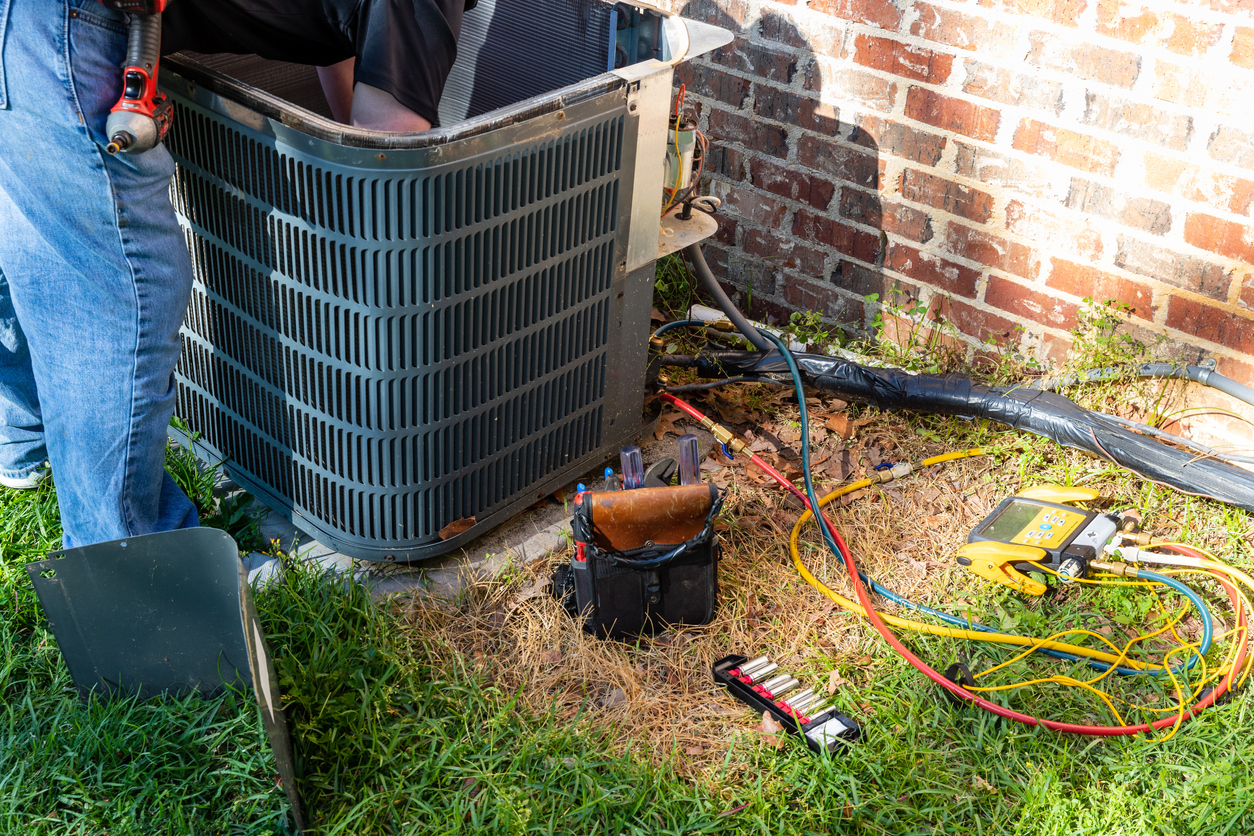
Credit: wheatandsons.com
Frequently Asked Questions
Why Do Air Conditioner Coils Freeze Sometimes?
Air conditioner coils freeze due to restricted airflow or low refrigerant levels. Dirty filters, blocked vents, or fan issues reduce airflow. Low refrigerant causes the coils to get too cold, leading to ice formation.
How Does Low Refrigerant Cause Coil Freezing?
Low refrigerant lowers pressure in the coils, causing temperatures to drop below freezing. This leads to moisture on the coils turning into ice, which blocks heat exchange and causes the coils to freeze.
Can Dirty Air Filters Lead To Frozen Coils?
Yes, dirty air filters block airflow across the coils. Reduced airflow causes coil temperatures to drop significantly, resulting in ice buildup and frozen coils.
What Role Does Fan Malfunction Play In Coil Freezing?
A malfunctioning fan reduces or stops airflow over the coils. Without proper airflow, the coils get too cold, causing condensation to freeze and form ice on the coils.
Conclusion
Frozen air conditioner coils often signal a problem with airflow or refrigerant. Dirt, blocked filters, or low refrigerant can cause ice buildup. Regular cleaning and timely maintenance help keep coils clear and efficient. Ignoring the issue can lead to bigger, costly repairs.
Stay alert to your AC’s performance and act quickly. A well-maintained system keeps your home cool and comfortable all summer. Simple steps prevent frozen coils and save energy too. Don’t let frozen coils ruin your comfort or your budget.