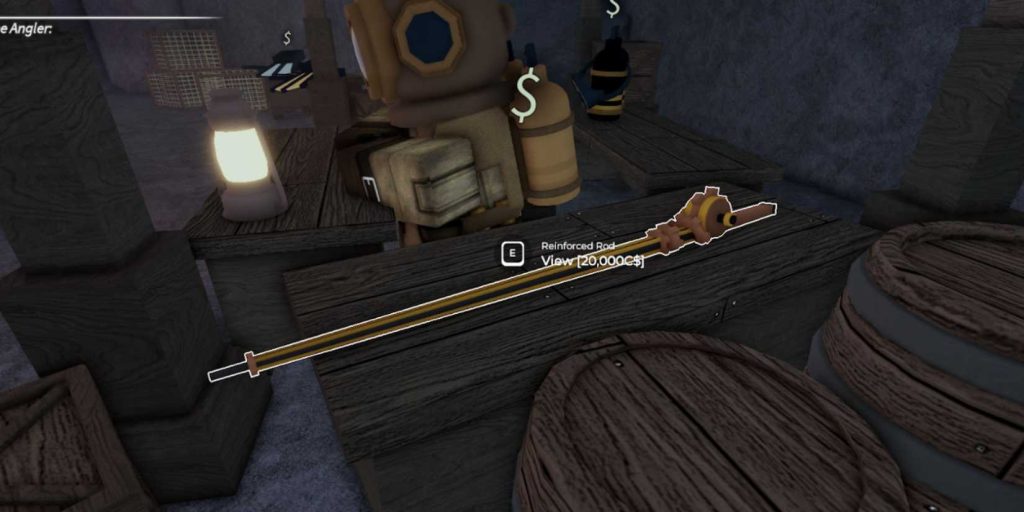
Are you curious about which rods work best when fishing in a brine pool? Choosing the right rod can make all the difference between a frustrating day and an exciting catch.
Whether you’re a beginner or an experienced angler, understanding the unique challenges of brine pool fishing will help you pick the perfect gear. You’ll discover exactly what types of rods are designed to handle the salty, dense water and how they can improve your fishing success.
Keep reading to find out how to make your next brine pool fishing trip more rewarding.

Credit: gamerant.com
Brine Pools And Their Challenges
Brine pools are underwater lakes with very salty water. They form on the ocean floor in some places.
Fishing in these pools is hard because the conditions are unusual and tough for equipment.
Unique Environment Of Brine Pools
Brine pools have water saltier than the ocean. This makes the water very dense and heavy.
The pools also have less oxygen and can contain toxic chemicals. Many fish and animals avoid these areas.
- Very high salt levels
- Heavy, dense water
- Low oxygen content
- Presence of harmful chemicals
Impact On Fishing Gear
Fishing rods and gear must resist salt damage in brine pools. Normal rods can break or corrode fast.
Special materials like carbon fiber and stainless steel help rods last longer in salty water. Strong reels prevent line tangling in dense water.
- Use corrosion-resistant rod materials
- Choose strong, durable reels
- Check gear often for salt damage
- Use heavier lines for dense water
Key Features Of Rods For Brine Pool Fishing
Fishing in brine pools needs special rods that handle tough conditions. These rods must resist damage from salt and be strong yet flexible.
Choosing the right rod helps you fish better and keeps your gear lasting longer in salty water.
Corrosion Resistance
Brine pools contain salt that can quickly damage fishing rods. Corrosion resistance is a must for rods used in this environment. Materials like graphite and fiberglass with protective coatings work well. They stop rust and keep the rod strong.
- Use rods with corrosion-resistant materials
- Look for rods with anti-rust coatings
- Rinse rods with fresh water after use
Strength And Flexibility
A good rod must be strong enough to handle heavy fish but flexible to avoid breaking. Flexibility helps absorb sudden fish pulls. Strength ensures the rod does not snap under pressure.
| Feature | Importance |
| High tensile strength | Prevents breakage during strong fish fights |
| Moderate flexibility | Absorbs shocks and sudden pulls |
| Durable materials | Lasts longer under tough conditions |
Length And Sensitivity
Rod length affects casting distance and control. Longer rods cast farther but can be harder to control. Sensitivity helps feel small bites and underwater movements.
Tips for choosing length and sensitivity:
- Short rods (6-7 feet) for close control
- Long rods (8-10 feet) for longer casts
- Sensitive rods detect subtle fish activity
Top Rod Materials For Brine Pools
Fishing in brine pools needs strong and durable rods. The salty water can damage weak materials. Choosing the right rod helps catch fish safely and lasts longer.
Three popular rod materials work well in brine pools. Each has unique traits to consider before buying your fishing rod.
Graphite Rods
Graphite rods are light and sensitive. They give good feedback when fish bite. This makes them great for feeling small movements underwater.
These rods are strong but can break if bent too far. They resist corrosion from saltwater better than some other materials.
Fiberglass Rods
Fiberglass rods are heavier but very tough. They bend without breaking and handle strong fish well. This makes them good for big catches in brine pools.
- Durable in rough conditions
- Less sensitive than graphite
- Resistant to saltwater damage
- Often less expensive
Composite Rods
Composite rods mix graphite and fiberglass. This blend offers both strength and sensitivity. They are balanced for many fishing styles.
| Material | Weight | Strength | Saltwater Resistance |
| Graphite | Light | Medium | High |
| Fiberglass | Heavy | High | High |
| Composite | Medium | High | High |

Credit: gamerant.com
Recommended Rod Brands
Choosing the right fishing rod is key for fishing in a brine pool. The rod must handle salty water and strong fish.
Below are brands known for quality and durability. These rods suit different budgets and fishing needs.
High-performance Options
High-performance rods offer strength and sensitivity. They use advanced materials and design for tough conditions.
| Brand | Material | Best Feature |
| Shimano | Carbon Fiber | Lightweight and strong |
| St. Croix | Graphite | High sensitivity |
| G. Loomis | Composite | Durability and power |
Budget-friendly Choices
Budget rods still perform well in brine pools. They offer good value for casual and new anglers.
- Ugly Stik: Known for toughness and affordability.
- Okuma: Provides solid rods at low cost.
- Fenwick: Reliable rods for beginners.
Rod Maintenance Tips For Brine Pool Fishing
Fishing in brine pools requires special care for your rods. Salt and minerals can damage equipment fast.
Proper maintenance helps your fishing rod last longer and work better every time you fish.
Cleaning After Use
Rinse your rod with fresh water right after fishing. This removes salt and dirt.
- Use a soft cloth to wipe down the rod and reel.
- Do not use harsh chemicals; mild soap is enough.
- Dry the rod completely before storing.
Storage Practices
Store your rod in a cool, dry place. Avoid direct sunlight and damp areas.
| Storage Tip | Reason |
| Use a rod sleeve or case | Protects from dust and scratches |
| Keep rod upright or horizontal | Prevents warping or bending |
| Remove reel if possible | Allows better drying and reduces wear |
Regular Inspections
Check your rod often for signs of damage or wear. Early fixes prevent bigger problems.
- Look for cracks or chips on the rod blank.
- Inspect guides for rust or loose fittings.
- Test reel function and lubricate parts if needed.

Credit: www.sportskeeda.com
Expert Tips For Successful Brine Pool Fishing
Fishing in brine pools requires special gear and techniques. These unique water bodies have high salt content and unusual conditions. Choosing the right rod can improve your fishing success.
Use rods designed to handle strong fish and harsh environments. This guide helps you pick the best rods and match them with reels and lines.
Choosing The Right Rod Action
Rod action shows how much the rod bends when pressure is applied. Fast action rods bend near the tip. Medium action rods bend in the middle. Slow action rods bend along the whole length.
For brine pools, fast or medium action rods work best. They help you feel bites and control strong fish. Slow action rods may not give enough power or sensitivity.
- Fast action rods offer quick hook sets and strong control
- Medium action rods provide good sensitivity and flexibility
- Avoid slow action rods for heavy fish in brine pools
Matching Rod With Reel And Line
Your rod must work well with your reel and fishing line. The right combination lets you cast far and handle fish easily. Use reels that match the rod’s power and size.
Choose strong braided or fluorocarbon lines. These lines resist saltwater and have low stretch. Line strength should match the rod’s rating for better performance.
- Pair medium to fast action rods with spinning or baitcasting reels
- Use braided line with 15-30 lb test for brine pool fishing
- Check reel drag system for smooth resistance against big fish
Adapting To Brine Pool Conditions
Brine pools have high salt levels and unusual water density. These conditions affect how fish behave and how your gear performs. Use corrosion-resistant rods and reels to avoid damage.
Adjust your rod choice based on water depth and fish species. Heavier rods work well for deep pools and large fish. Lighter rods may suit shallow or smaller fish areas.
- Use rods with corrosion-resistant guides and components
- Pick rod length between 6 to 7 feet for good control and casting
- Consider heavier rods for strong fish and deep pools
Frequently Asked Questions
What Types Of Rods Work Best For Fishing In Brine Pools?
Light to medium-action rods with corrosion-resistant materials work best. They handle saltwater conditions and provide sensitivity for detecting bites.
Can Freshwater Rods Be Used In Brine Pools?
Freshwater rods are not ideal for brine pools. Saltwater exposure can cause damage and reduce rod lifespan. Use rods designed for saltwater environments.
What Rod Length Is Suitable For Brine Pool Fishing?
Rods between 6 to 7 feet offer good control and casting distance. They balance sensitivity and strength for brine pool fishing.
Are Spinning Or Baitcasting Rods Better For Brine Pools?
Spinning rods are preferred due to ease of use and versatility. They perform well with light lures and handle saltwater conditions effectively.
Conclusion
Choosing the right rods helps catch fish in brine pools easier. Sturdy rods with good sensitivity work best. They handle salty water and strong fish well. Keep rods simple and reliable for better results. Good gear makes fishing more fun and less frustrating.
Try different rods to see what suits you. Fishing in brine pools can be rewarding and exciting. Enjoy the experience and learn with each trip.