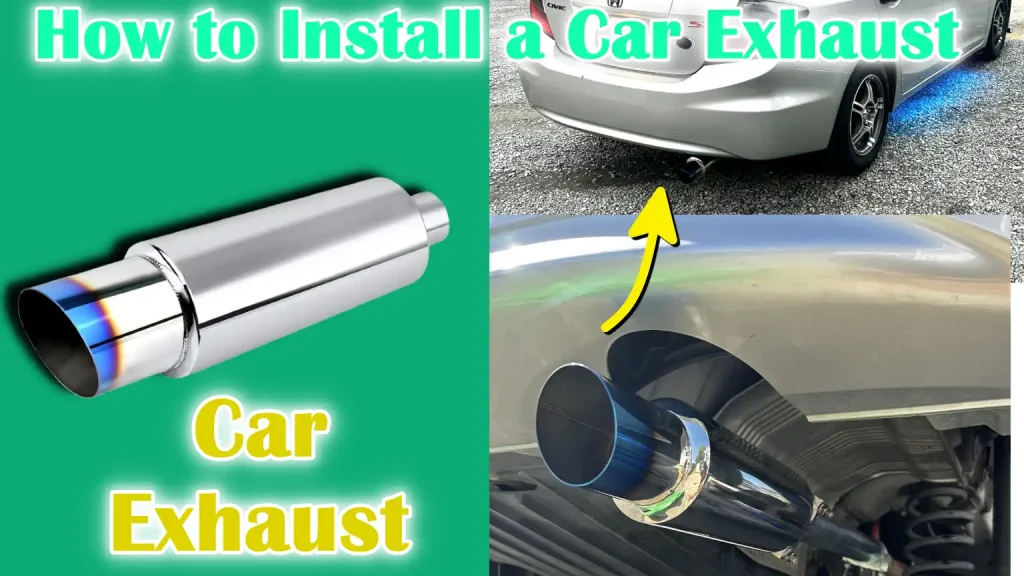
Are you wondering how much it will cost to install a new exhaust system on your vehicle? You’re not alone.
Knowing the price beforehand can save you from surprises and help you make the best decision for your car and budget. Whether you want to boost your car’s performance or simply replace an old, worn-out exhaust, understanding the costs involved is key.
You’ll discover the factors that influence the price, what to expect at the mechanic’s shop, and tips to get the best value for your money. Keep reading to find out exactly how much you should budget for your exhaust system installation.
Factors Affecting Exhaust System Costs
The cost to install an exhaust system can vary a lot. Many factors influence how much you will pay.
Knowing these factors helps you plan your budget better. It also helps you understand the price differences.
Type Of Exhaust System
Different types of exhaust systems cost different amounts. Some systems are simple, while others are complex.
Basic systems like single exhausts cost less. Performance or custom exhausts usually cost more.
- Single exhaust systems are cheaper and easier to install
- Dual exhaust systems cost more due to extra parts
- Performance exhausts use special parts and need more work
Vehicle Make And Model
Some cars need special exhaust parts. The make and model can change the price a lot.
Luxury or rare cars often have higher costs. Common cars usually have cheaper parts and faster installation.
- Luxury cars often require custom exhaust parts
- Older models may have harder-to-find parts
- Popular models have many parts available and lower costs
Material Choices
The material used in the exhaust system affects its price. Some materials are stronger and cost more.
Stainless steel is common and lasts long but costs more than mild steel. Aluminum is light but less durable.
- Mild steel is cheap but can rust quickly
- Stainless steel resists rust and lasts longer
- Aluminum is lightweight but not very strong
Labor And Installation Fees
Labor costs depend on how hard the job is and where you live. More complex systems need more work.
Some shops charge by the hour, while others offer flat fees. The total labor cost can vary widely.
- Simple installations take less time and cost less
- Complex or custom installs need more time and cost more
- Labor rates differ by region and shop

Credit: fastintentions.com
Cost Breakdown By Exhaust System Type
Installing an exhaust system can change your car’s sound and performance. The cost varies by the type of system you choose.
Here is a cost breakdown for different exhaust system types. This will help you understand what to expect to pay.
Cat-back Exhaust Systems
A cat-back exhaust system runs from the catalytic converter to the rear of the car. It usually improves power and sound.
The cost includes parts and labor. Parts cost between $300 and $1,200. Labor can be $100 to $300.
- Parts: $300–$1,200
- Labor: $100–$300
- Total: $400–$1,500
Axle-back Exhaust Systems
An axle-back system replaces the exhaust from the rear axle to the back. It changes the sound but less on performance.
Parts cost from $200 to $700. Labor is usually $50 to $150, making it a more affordable option.
- Parts: $200–$700
- Labor: $50–$150
- Total: $250–$850
Header-back Exhaust Systems
This system replaces everything from the headers to the exhaust tips. It offers big performance gains and louder sound.
Parts usually cost $800 to $2,000. Labor can be $300 to $700 because it takes longer to install.
- Parts: $800–$2,000
- Labor: $300–$700
- Total: $1,100–$2,700
Performance Exhaust Systems
Performance exhaust systems are designed to boost power and improve sound. They often include upgraded components.
Costs vary widely. Parts can range from $400 to $2,500. Labor usually adds $150 to $600.
- Parts: $400–$2,500
- Labor: $150–$600
- Total: $550–$3,100
Material Cost Differences
Installing an exhaust system depends on the material used. Different materials cost different amounts.
Knowing these costs helps you choose the best option for your budget and needs.
Aluminized Steel
Aluminized steel is the most common and affordable material for exhaust systems. It has a coating of aluminum to resist rust.
This material lasts about 3 to 5 years. It is less expensive but may need replacement sooner than other materials.
- Cost: Low to moderate
- Rust resistance: Moderate
- Durability: 3-5 years
Stainless Steel
Stainless steel is more expensive than aluminized steel. It resists rust very well and lasts longer.
This material can last 8 to 10 years or more. It is a popular choice for those who want durability.
- Cost: Moderate to high
- Rust resistance: High
- Durability: 8-10 years+
Titanium
Titanium is the most expensive material for exhaust systems. It is very strong and very light.
This material lasts a long time and handles heat well. It is often used in racing or high-performance cars.
- Cost: Very high
- Rust resistance: Excellent
- Durability: Long-lasting
- Weight: Very light

Credit: www.bumper.co
Labor Charges And Installation Time
Installing an exhaust system requires time and skilled labor. Labor costs vary based on the job difficulty and shop rates.
Knowing how long installation takes helps plan your budget and vehicle downtime.
Diy Vs Professional Installation
Doing the installation yourself saves labor costs but needs tools and skills. Professionals work faster and have experience.
Professional installation ensures proper fitting and safety, reducing future problems.
- DIY saves money but may take several hours
- Professionals charge for labor but finish faster
- DIY risks mistakes without proper knowledge
- Professionals provide warranties on work
Typical Installation Duration
Most exhaust system installations take between 1 to 3 hours. Some complex jobs need more time.
Simple replacements usually finish within 2 hours. Custom exhausts or older vehicles may require extra time.
- Standard exhaust system: 1-2 hours
- Custom or performance exhaust: 2-3 hours
- Older or rusty vehicles: 3+ hours
Additional Repairs And Modifications
Sometimes, extra repairs are needed during exhaust installation. These raise labor costs and time.
Damage like rusted parts or broken hangers can cause delays. Modifications may include cutting or welding pipes.
- Replacing rusted clamps or hangers
- Fixing damaged mufflers or pipes
- Welding custom parts for fitment
- Adjusting sensors or brackets
Additional Expenses To Consider
Installing a new exhaust system costs more than just the parts and labor. Some extra expenses may arise during the process. Knowing these costs helps you plan your budget better.
These additional expenses include small parts, replacements, and testing fees. They ensure your exhaust system works properly and meets regulations.
Gaskets And Clamps
Gaskets and clamps secure the exhaust system parts together. Old or damaged gaskets can cause leaks. Clamps hold pipes tightly to avoid rattling or falling off.
Replacing gaskets and clamps costs extra but prevents future problems. Mechanics often recommend new ones during installation for a better fit.
- Gaskets cost between $10 and $50 each
- Clamps usually range from $5 to $30 each
- Labor may increase if many gaskets or clamps need replacement
Catalytic Converter Replacement
The catalytic converter reduces harmful emissions. Sometimes it must be replaced during exhaust system work. It is an expensive part that affects total costs.
If your converter is damaged or old, your mechanic will suggest replacement. Installing a new catalytic converter keeps your vehicle legal and eco-friendly.
- Aftermarket catalytic converters cost $100 to $600
- OEM converters may cost $500 to $2,500
- Replacement labor varies by vehicle model
Emission Testing Fees
Emission testing checks if your exhaust system meets environmental rules. Some states require these tests after repairs. Testing fees add to the total installation cost.
If your vehicle does not pass the test, you may need more repairs. This can increase expenses beyond the initial installation.
- Testing fees range from $30 to $90
- Retesting may incur extra charges
- Failing tests might lead to fines or repair costs

Credit: fastintentions.com
Ways To Save On Exhaust System Installation
Installing a new exhaust system can be costly. Finding ways to save helps keep your car repair budget low.
Simple tips can reduce the total cost of installation. You do not have to spend too much if you plan well.
Comparing Quotes
Get price estimates from different shops before deciding. Comparing quotes shows where you get the best deal.
Check what each quote includes. Some might have hidden fees or extra parts that raise the price.
- Ask for a detailed breakdown of costs
- Include labor and parts in your comparison
- Look for shops with good reviews
- Negotiate if prices seem high
Choosing The Right Material
Exhaust systems come in different materials. Some cost more but last longer, while others are cheaper but wear out fast.
Select materials that fit your budget and needs. Stainless steel often costs more but resists rust better than mild steel.
- Mild steel is cheaper but may rust quickly
- Aluminized steel offers moderate rust resistance
- Stainless steel is durable but more expensive
- Consider your local climate when choosing
Scheduled Maintenance Benefits
Regularly check your exhaust system to avoid costly repairs. Early fixes save money over time.
Keep your exhaust clean and inspect for leaks. Scheduled maintenance extends the system’s life and lowers replacement costs.
- Inspect exhaust for holes or rust every 6 months
- Fix small issues before they grow bigger
- Clean exhaust parts to prevent buildup
- Follow your car maker’s maintenance schedule
Frequently Asked Questions
How Much Does Exhaust System Installation Cost?
Exhaust system installation typically costs between $300 and $1,200. Prices vary based on vehicle type, parts used, and labor rates. Custom systems may cost more. Always get a detailed quote before starting work.
What Factors Affect Exhaust System Installation Price?
Price depends on vehicle make, exhaust type, labor time, and parts quality. Performance or custom exhausts increase costs. Also, location and mechanic expertise influence the final price. Always compare quotes for the best deal.
Can I Install An Exhaust System Myself?
DIY installation is possible if you have mechanical skills and tools. However, professional installation ensures proper fit and performance. Incorrect installation can cause leaks or damage, leading to costly repairs. Consider your experience before attempting.
How Long Does Exhaust System Installation Take?
Installation usually takes 1 to 3 hours, depending on system complexity and vehicle type. Custom jobs may require more time. Scheduling an appointment with a professional can give you a precise timeframe.
Conclusion
Installing an exhaust system costs vary by parts and labor. You can save money by comparing prices and choosing quality parts. A good exhaust improves your car’s performance and sound. Always ask a trusted mechanic for advice before starting. Planning your budget helps avoid surprises later on.
Remember, spending a little more now can save repairs later. Keep your car running smoothly and enjoy the drive.