Have you ever wondered when seat belts became a part of your car? It’s something most of us take for granted today, but seat belts have a story that changed how we stay safe on the road.
Knowing when and why they were installed can make you appreciate this simple device even more—and maybe even encourage you to buckle up every time. Keep reading to discover the surprising history behind seat belts and how they became a lifesaver for millions of drivers just like you.
Early Safety Measures
Car safety has improved over many years. Before seat belts, people tried different ways to stay safe.
These early safety steps helped reduce injuries in accidents. They showed the need for better protection.
Pre-seat Belt Era
Before seat belts, cars had very few safety features. Drivers and passengers often faced risks in crashes.
People tried to hold on tight or lean back to avoid harm. Cars did not have airbags or strong frames yet.
Initial Safety Innovations
In the early 1900s, car makers started adding safety tools. Some cars had special door locks and padded dashboards.
In the 1930s, the first safety glass was used. This glass did not shatter easily and reduced injuries.
- Safety glass to protect from sharp shards
- Padded dashboards to soften impact
- Door locks to prevent passengers from falling out
- Improved brakes for better control
Invention Of The Seat Belt
Seat belts are safety devices that keep people safe in cars. They stop passengers from flying forward in crashes. The idea of the seat belt started many years ago.
Inventors worked to create ways to protect drivers and passengers. These early designs led to the seat belts we use today.
First Seat Belt Designs
The first seat belts were simple straps made to hold passengers in place. They were not like the ones we use now. Early seat belts did not always lock or adjust well.
One early design was a two-point belt that went over the lap. It helped stop people from sliding but did not protect the upper body well. Later, three-point belts that cover the chest and lap were invented for better safety.
- Two-point lap belts held the lower body
- Three-point belts secured both chest and lap
- Early belts were not very comfortable or easy to use
Pioneers Behind The Innovation
Many inventors helped create the seat belt. One key person was George Cayley, who made early safety harnesses in the 1800s. His work inspired later designs.
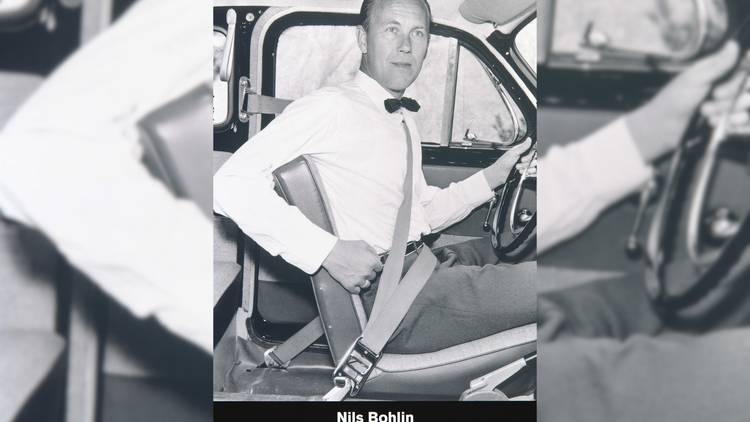
In the 1950s, Nils Bohlin, a Volvo engineer, invented the modern three-point seat belt. His design became the standard worldwide because it was simple and effective.
- George Cayley made early safety harnesses
- Nils Bohlin created the three-point seat belt
- Volvo first used Bohlin’s design in cars
- These pioneers helped save many lives
Adoption In Automobiles
Seat belts are essential safety features in cars today. Their adoption in automobiles changed the way people travel safely.
The journey to seat belt installation started many decades ago. This section explores when and how seat belts first appeared in cars.
First Installations In Cars
The first cars with seat belts appeared in the 1950s. Safety advocates pushed for their use to reduce injuries.
- Volvo introduced the three-point seat belt in 1959.
- Early seat belts were often optional and not standard equipment.
- Some models had lap belts before three-point belts became common.
- Seat belts were initially simple straps without much padding.
Automaker Reactions
Automakers had mixed feelings about seat belts. Some saw them as a safety tool, others worried about costs and customer acceptance.
| Automaker | Year Seat Belts Added | Initial Reaction |
| Volvo | 1959 | Positive, focused on safety |
| Ford | 1965 | Slow adoption, optional belts |
| General Motors | 1964 | Reluctant, required by law later |
| Chrysler | 1965 | Mixed, added belts after pressure |

Credit: www.reddit.com
Legislation And Regulations
Seat belts are key for safety in cars. Laws made their use required.
These laws help reduce injuries and save lives on roads worldwide.
Early Seat Belt Laws
The first seat belt laws started in the 1960s. Some U.S. states led the way.
- 1964: New York required seat belts in new cars
- 1966: The U.S. made seat belts mandatory in all cars
- 1970s: States began requiring drivers to wear seat belts
- Early laws focused on front-seat passengers
Global Regulatory Trends
Seat belt laws spread worldwide with different rules and dates.
| Country | Seat Belt Law Enacted | Who Must Wear |
| United Kingdom | 1983 | Front-seat passengers |
| Australia | 1970s | All passengers |
| Germany | 1976 | All passengers |
| Japan | 1985 | Front-seat passengers |
| Brazil | 1990s | All passengers |
Technological Advancements
Seat belts are vital for car safety. Their design has changed over time. Technology helped improve how seat belts protect people.
This article looks at key innovations in seat belt technology. These changes made driving safer for everyone.
Three-point Seat Belts
The three-point seat belt was a major step forward. It uses one strap across the chest and another across the lap. This design holds passengers firmly during crashes.
- Invented by Nils Bohlin in 1959
- First used by Volvo cars
- Improved safety by spreading crash force
- Easy to use and fast to buckle
- Standard in most cars today
Modern Safety Features
Today’s cars have many seat belt improvements. These add comfort and better crash protection. Some belts adjust automatically and lock tightly in a crash.
| Feature | Description |
| Pre-tensioners | Tighten the belt instantly during a crash |
| Load Limiters | Release belt slightly to reduce chest pressure |
| Adjustable Anchors | Allow belt height changes for comfort |
| Seat Belt Reminder | Alerts drivers if belt is not fastened |
Impact On Road Safety
Seat belts became standard in cars in the 1950s and 1960s. Their use greatly improved road safety worldwide.
Wearing seat belts reduces the risk of serious injury and death during crashes. This simple device saves lives every day.
Reduction In Injuries And Fatalities
Seat belts hold passengers in place during collisions. This lowers the chance of hitting the car’s interior or being ejected.
| Year | Fatalities per 100,000 Drivers | Seat Belt Usage Rate (%) |
| 1960 | 45 | 0 |
| 1980 | 25 | 50 |
| 2000 | 15 | 80 |
| 2020 | 10 | 90 |
Public Awareness Campaigns
Governments and groups run campaigns to teach the public about seat belt benefits. These efforts increase seat belt use.
- Billboards remind drivers to buckle up.
- Radio and TV ads show crash safety tips.
- Schools teach children why seat belts matter.
- Police enforce seat belt laws with fines.
Future Of Seat Belt Technology
Seat belts have saved millions of lives. New technology will make them safer and smarter. Car makers and tech companies work to improve seat belts for the future.
These advances focus on comfort, safety, and adapting to new car systems. The next generation of seat belts will do more than just hold you in place.
Innovations On The Horizon
Seat belt technology is changing with new materials and smart features. These changes aim to reduce injuries and increase comfort in crashes.
- Smart seat belts that adjust tension based on crash type
- Built-in sensors to monitor driver health and alertness
- Materials that reduce pressure on the body during impact
- Automatic tightening to protect children and small adults
- Integration with airbags for better protection
Integration With Autonomous Vehicles
Self-driving cars change how seat belts work. These cars need seat belts that fit new seating positions and safety systems.
| Feature | Benefit |
| Flexible belt routing | Adjusts to different seat layouts |
| Automatic tension control | Adapts to sudden stops or turns |
| Health monitoring sensors | Checks driver and passenger wellbeing |
| Communication with car systems | Works with emergency braking and airbags |

Credit: carbuzz.com

Credit: www.carsales.com.au
Frequently Asked Questions
When Were Seat Belts First Installed In Cars?
Seat belts were first installed in cars in the early 1950s. Volvo introduced the modern three-point seat belt in 1959. This design became the standard for vehicle safety worldwide.
Why Did Seat Belt Installation Become Mandatory?
Seat belt installation became mandatory to reduce injuries and fatalities in car accidents. Governments recognized their life-saving benefits. Laws were introduced mainly in the 1960s and 1970s globally.
How Did Seat Belt Technology Evolve Over Time?
Seat belt technology evolved from simple lap belts to three-point harnesses. Innovations include pretensioners and load limiters. These improvements significantly enhanced passenger safety in crashes.
Which Car Brand Pioneered Seat Belt Safety?
Volvo pioneered seat belt safety by inventing the three-point seat belt in 1959. They made the design freely available to other manufacturers, improving global road safety.
Conclusion
Seat belts started appearing in cars in the mid-1900s. They soon became vital for driver and passenger safety. Today, almost all vehicles have seat belts installed by law. Wearing them reduces injuries and saves lives during crashes. Understanding their history helps us appreciate this simple safety tool.
Always buckle up before driving or riding. It’s a small step that makes a big difference. Stay safe on the road, every trip, every time.