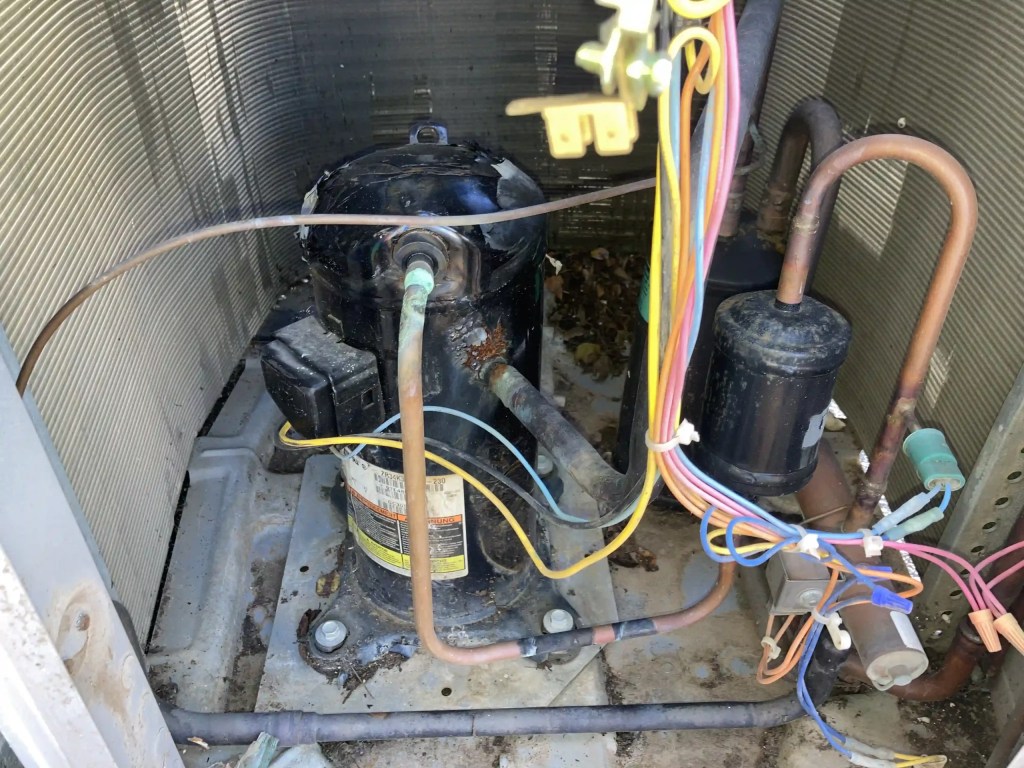
Wondering how much Freon costs for your home air conditioner? If your AC isn’t cooling like it used to, the answer might be closer than you think.
Knowing the price of Freon can help you decide whether to recharge your system or consider other options. You’ll discover the real costs behind Freon, what affects the price, and how to avoid surprises on your bill. Keep reading to make the smartest choice for your comfort and budget.

Credit: www.reddit.com
Freon Types For Home Ac
Freon is a common name for refrigerants used in home air conditioners. Different types of Freon help cool your home by moving heat outside. It is important to know the types of Freon used in your system.
This guide covers common refrigerants and their compatibility with home AC systems. Understanding these types helps with maintenance and refilling costs.
Common Refrigerants
Several types of refrigerants have been used in home air conditioners over the years. Each type has different properties and environmental impacts.
- R-22 (Freon):Used widely before 2010, now being phased out due to ozone depletion.
- R-410A (Puron):A newer refrigerant that does not harm the ozone layer and is more efficient.
- R-134a:Used in some air conditioning systems and automotive AC units.
- R-32:A newer option with lower global warming potential, gaining popularity.
Compatibility With Systems
Not all refrigerants work with every home air conditioner. Using the wrong type can damage the system or reduce efficiency.
| Refrigerant | System Type | Notes |
| R-22 | Older AC units | Phased out, costly to refill |
| R-410A | Most new AC units | Environmentally safer, efficient |
| R-134a | Some split systems | Less common in home AC |
| R-32 | Newer models | Lower environmental impact |
Factors Affecting Freon Cost
The cost of Freon for a home air conditioner depends on several factors. Knowing these can help you understand your expenses better.
Freon prices vary based on the brand, quantity needed, and labor charges. Each factor plays a key role in the final cost.
Brand And Quality
Freon comes in different brands and qualities. Higher quality Freon often costs more but lasts longer and works better.
Cheaper Freon may save money upfront but can cause system problems. Trusted brands provide better reliability and safety.
- Top brands meet safety standards
- Quality affects system performance
- Low-quality Freon may harm your AC
Quantity Needed
The amount of Freon your AC needs changes the price. Larger systems need more Freon, which costs more.
Leaks or repairs may require extra Freon, increasing the total cost. Knowing your AC size helps estimate needed quantity.
| AC Size | Approximate Freon Amount | Cost Range |
|---|---|---|
| Small (1.5 – 2 tons) | 2 – 3 pounds | $50 – $100 |
| Medium (2.5 – 3 tons) | 3 – 4 pounds | $80 – $150 |
| Large (3.5 – 5 tons) | 4 – 6 pounds | $120 – $250 |
Labor Charges
Labor costs affect the total Freon price. Skilled technicians charge for installing or refilling Freon.
Complex repairs take more time and raise labor fees. Simple refills usually cost less but vary by location.
- Hourly labor rates vary by region
- Repairs may add to labor time
- Professional service ensures safe handling
Average Price Range
Freon is a common refrigerant used in home air conditioners. The cost varies depending on the amount needed and the type of Freon. Understanding the price helps you budget for maintenance or repairs.
This guide breaks down the average cost per pound and the total expenses for refilling Freon in your home AC unit.
Cost Per Pound
The price of Freon per pound depends on the type and availability. Common types include R-22 and R-410A. R-22 is older and more expensive due to limited production.
- R-22 Freon costs about $50 to $150 per pound.
- R-410A Freon costs about $30 to $60 per pound.
- Prices may vary by location and supplier.
Total Refill Expenses
The total cost to refill Freon depends on how much your AC system requires. Labor fees and service charges also add to the final price.
| Expense | Cost Range |
|---|---|
| Freon (per pound) | $30 – $150 |
| Average refill amount | 2 – 5 pounds |
| Labor and service fees | $100 – $200 |
| Total refill cost | $160 – $950 |

Credit: atlasacrepair.com
Signs You Need More Freon
Freon is essential for your air conditioner’s cooling. Low Freon levels cause issues. It is important to spot signs early.
Here are common signs that your home air conditioner may need more Freon to work well.
Reduced Cooling Efficiency
If your AC is not cooling as it used to, it might need more Freon. The air may feel warmer or less refreshing.
- Air takes longer to cool a room
- Temperature does not reach the thermostat setting
- Fan runs constantly without cooling
- Electric bills increase without reason
Ice Formation On Coils
Ice can form on the AC coils if Freon is low. This happens because the system gets too cold in spots.
| Cause | Effect |
| Low Freon Level | Ice buildup on evaporator coils |
| Blocked Airflow | Frost or ice on coils |
| Dirty Filters | Reduced cooling and ice patches |
Diy Vs Professional Refill
Refilling Freon in a home air conditioner requires care and knowledge. Some people try to do it themselves to save money. Others choose a professional service for safety and accuracy.
Understanding the differences between DIY and professional refills helps you decide the best option for your needs.
Safety Considerations
Freon is a chemical that can be harmful if handled wrong. It may cause frostbite or breathing problems. Professionals have training to avoid accidents. DIY refills can risk leaks or damage to your AC unit.
- Wear protective gloves and goggles
- Work in a well-ventilated area
- Avoid skin contact with Freon
- Never inhale the gas
- Check local laws about Freon handling
Tools Required
Both DIY and professionals need specific tools to refill Freon. The right tools ensure proper pressure and safe handling. Missing tools can cause errors or damage.
| Tool | Purpose | DIY Need | Professional Use |
|---|---|---|---|
| Manifold Gauge Set | Measure pressure in AC system | Essential | Standard |
| Vacuum Pump | Remove air and moisture | Optional but recommended | Always used |
| Freon Tank | Supply refrigerant | Required | Standard |
| Leak Detector | Find leaks in system | Helpful | Standard |
| Protective Gear | Safety for skin and eyes | Must have | Must have |
Ways To Save On Freon Costs
Freon is a key part of a home air conditioner. It helps cool your house. But refilling Freon can be expensive.
You can save money by using smart ways to reduce Freon needs. This keeps your system running well and lowers costs.
Regular Maintenance
Regular maintenance helps your air conditioner work better. It stops leaks and saves Freon. Fixing small problems early prevents big costs.
Change or clean air filters often. Check for leaks and get your system inspected yearly. This keeps Freon levels steady and your AC efficient.
- Clean or replace air filters every 1-3 months
- Inspect refrigerant lines for leaks
- Schedule annual professional check-ups
- Keep outdoor unit clear of debris
Energy-efficient Upgrades
Upgrading to energy-efficient parts lowers Freon use. Newer models use less refrigerant and run smoother. This cuts your Freon refill needs.
Install a programmable thermostat. It controls your AC better. This reduces wear and tear on the system and saves Freon in the long run.
- Replace old AC units with energy-efficient models
- Use a programmable thermostat for better control
- Seal and insulate your home to reduce cooling load
- Upgrade to variable speed compressors if possible
Environmental Impact
Freon is a chemical used in many home air conditioners. It helps cool the air but can harm the environment. When Freon leaks, it rises into the atmosphere and damages the ozone layer.
The ozone layer protects Earth from harmful ultraviolet rays. Losing it can cause more skin cancer and harm plants and animals. Using and disposing of Freon needs care to protect the planet.
Regulations And Restrictions
Governments have rules to control Freon use. These rules help reduce damage to the ozone layer. They limit how much Freon can be made and used in air conditioners.
Technicians must follow safe handling and disposal practices. Many types of Freon are now banned or being phased out. This protects the environment and encourages safer options.
- Freon production is reduced by international agreements
- Only certified technicians can handle Freon
- Old units must be recycled properly to prevent leaks
Eco-friendly Alternatives
New air conditioners use safer chemicals instead of Freon. These alternatives have less impact on the ozone layer and global warming. They help keep the air clean and protect the planet.
Some systems use natural refrigerants or advanced technology. This reduces the need for harmful chemicals. Choosing eco-friendly options can save energy and lower your home’s carbon footprint.
- Hydrofluoroolefins (HFOs) have low environmental impact
- Natural refrigerants like propane are less harmful
- Energy-efficient units reduce overall emissions

Credit: www.proformanceutah.com
Frequently Asked Questions
How Much Does Freon Cost For Home Ac Recharge?
The cost to recharge Freon for a home AC ranges from $150 to $350. Prices depend on the AC size and the amount of refrigerant needed. Additional labor costs may apply for leak repairs or diagnostics. Always hire certified technicians for safe handling.
Can I Buy Freon For Home Ac Myself?
Purchasing Freon for home AC units requires a license due to EPA regulations. DIY Freon refills are illegal and unsafe. It’s best to hire a certified HVAC professional for proper handling and to avoid voiding warranties or causing system damage.
How Often Should Freon Be Refilled In Home Ac?
Freon in home AC systems usually doesn’t need refilling unless there’s a leak. Properly sealed units maintain refrigerant levels for years. If cooling efficiency drops, have a technician inspect for leaks and recharge if necessary.
What Factors Affect Freon Replacement Cost For Ac?
Freon replacement cost depends on leak severity, refrigerant type, and labor. Older systems may use costlier refrigerants like R-22. Newer units use eco-friendly options like R-410A, which can be less expensive. Leak repairs add to total expenses.
Conclusion
Freon costs vary depending on your air conditioner and location. Small leaks may need only a little Freon refill. Larger problems can raise the price. Regular maintenance helps keep your system efficient and saves money. Always choose a trusted technician for Freon service.
Knowing the cost helps you plan your budget. Keep your home cool without surprises on your bill. Simple care can extend your air conditioner’s life. Stay informed and ready for any Freon needs.