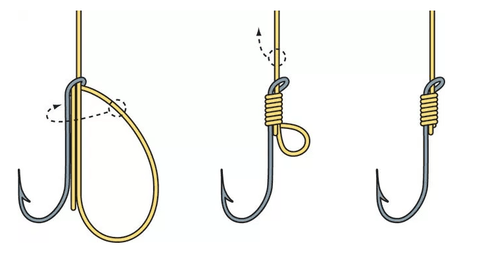
Tying a hook to your fishing line might seem simple, but doing it the right way can make all the difference between a great catch and a lost opportunity. If you want your fishing to be more successful and less frustrating, learning the best knots is key.
In this guide, you’ll discover easy, step-by-step methods that anyone can master quickly. Keep reading, and you’ll soon tie strong, reliable knots that hold tight every time you cast your line. Your next big catch is waiting—let’s make sure your hook is ready.
Choosing The Right Hook And Line
Fishing well depends on picking the right hook and line. The hook must fit the fish you want to catch. The line should match the hook to hold strong.
This guide covers types of hooks, how to select a fishing line, and how to match their sizes. You will learn simple ways to prepare your fishing gear.
Types Of Fishing Hooks
Fishing hooks come in many shapes and sizes. Each type works best for certain fish and fishing styles. Knowing them helps you choose the right hook.
- J-Hooks: Common and easy to use for many fish.
- Circle Hooks: Designed to hook fish in the corner of the mouth.
- Treble Hooks: Have three points for better catch rates on lures.
- Bait Hooks: Made for holding live or cut bait securely.
Selecting Suitable Fishing Line
Fishing line comes in different materials and strengths. Choose a line based on the fish size and water conditions. The right line gives better control and less breakage.
| Line Type | Strength | Best For |
| Monofilament | Light to medium | General freshwater fishing |
| Fluorocarbon | Medium to heavy | Clear water and deep fishing |
| Braid | Heavy | Strong fish and rough cover |
Matching Hook And Line Sizes
Hook size and line strength must match to avoid lost fish. Small hooks need lighter lines. Big hooks require stronger lines to handle weight.
Here is a simple guide to match hooks and lines:
- Hooks size 8-12: Use 2-6 lb test line
- Hooks size 4-6: Use 6-12 lb test line
- Hooks size 1/0-3/0: Use 12-20 lb test line
- Hooks size 4/0 and above: Use 20+ lb test line
Credit: www.beadinggem.com
Preparing Your Fishing Line
Preparing your fishing line is important before tying a hook. It helps ensure a strong connection and better fishing experience.
Taking time to prepare the line can prevent breaks and improve your catch rate.
Cutting The Line To Length
Cut the fishing line to the right length for your fishing setup. Use sharp scissors or a line cutter for a clean cut.
A clean cut helps the knot hold better and reduces the chance of the line slipping.
Checking For Line Damage
Look closely at the fishing line for any signs of damage. Check for frays, nicks, or weak spots along the line.
Damaged line can break easily when tying the hook or while fishing, so replace it if needed.
- Run the line through your fingers slowly
- Look for rough or thin areas
- Replace line if you find any damage
Moistening The Line
Moisten the line before tying the hook knot. Use water or saliva to wet the line gently.
Moistening reduces friction and heat, which helps the knot tighten smoothly and stay strong.
Popular Knots For Tying Hooks
Tying a hook to your fishing line is key for a strong catch. Different knots offer varying strength and ease of tying.
Learn about three popular knots used by anglers worldwide. Each knot has simple steps and good holding power.
Improved Clinch Knot
The Improved Clinch Knot is common for securing hooks. It is simple and reliable for most fishing lines.
- Thread the line through the hook eye.
- Wrap the tag end around the standing line 5 to 7 times.
- Pass the tag end through the small loop near the hook eye.
- Pass the tag end through the big loop created.
- Wet the knot and pull tight.
Palomar Knot
The Palomar Knot is strong and works well with braided line. It keeps the hook in line with the fish’s pull.
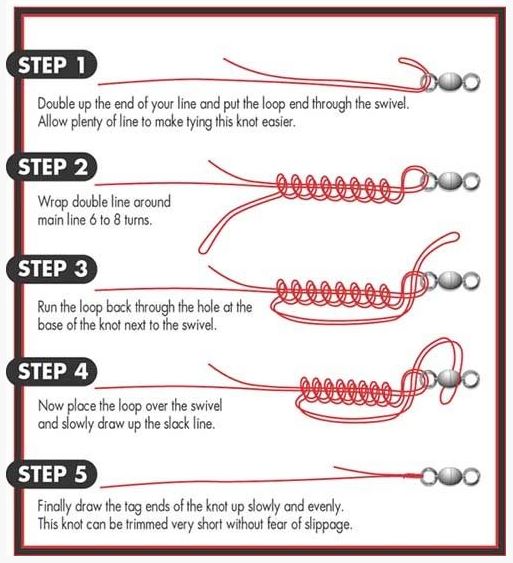
- Double about 6 inches of line and pass it through the hook eye.
- Tie a loose overhand knot with the doubled line.
- Pass the hook through the loop of the overhand knot.
- Pull both ends of the line to tighten the knot.
- Trim the tag end close to the knot.
Uni Knot
The Uni Knot is versatile for hooks and lures. It holds well and is easy to tie even in low light.
| Step | Action |
| 1 | Pass the line through the hook eye and double back. |
| 2 | Make a loop by laying the tag end over the doubled line. |
| 3 | Wrap the tag end around the doubled line 6 times. |
| 4 | Pull the tag end to tighten the coils. |
| 5 | Slide the knot down to the hook eye and pull tight. |

Credit: www.wikihow.com
Step-by-step Knot Tying
Tying a hook to your fishing line is an important skill for anglers. A strong knot keeps your hook secure and helps catch fish.
Follow these clear steps to tie your hook safely and efficiently. Each step builds on the last for a reliable knot.
Threading The Hook
Start by passing the end of your fishing line through the eye of the hook. Make sure you leave enough line to work with for the next steps.
Forming The Loop
Next, bend the line back to create a small loop near the hook. This loop will help form the knot when you wrap the line.
Wrapping The Line
- Hold the loop with one hand.
- Wrap the free end of the line around the main line and loop at least five times.
- Make sure the wraps are tight and close together.
Tightening The Knot
Wet the knot with water or saliva to reduce friction. Pull both ends of the line slowly to tighten the knot firmly against the hook eye.
Trimming Excess Line
| Tool | Purpose |
|---|---|
| Scissors | Cut excess line close to the knot |
| Line Clippers | Trim line without damaging the knot |
| Knife | Used carefully to remove extra line |
Use a sharp tool from the list above to trim the leftover line near the knot. Leave a small tail to keep the knot strong.
Tips For Strong And Secure Knots
Tying a hook to a fishing line needs a strong knot. A good knot keeps your catch safe and stops the hook from slipping.
Learn how to avoid problems like line twists and how to check your knot’s strength. These tips will help you tie secure knots every time.
Avoiding Line Twists
Line twists make knots weak and cause tangles. To stop twists, use the right knot and keep the line straight while tying.
Reeling in the line smoothly and avoiding sudden pulls also helps prevent twists.
- Keep the line straight and tight when tying
- Use knots like the Palomar or Improved Clinch
- Reel in slowly to avoid twists
- Check the line for twists before casting
Ensuring Proper Tightness
A knot must be tight enough to hold but not so tight it damages the line. Pull the knot slowly to tighten it evenly.
Wet the line before pulling. This reduces friction and helps the knot close smoothly without cutting the line.
- Moisten the line before tightening
- Pull the knot slowly and firmly
- Make sure the knot sits neatly without overlaps
- Avoid over-tightening to protect the line
Testing Knot Strength
Always test your knot before fishing. Pull the line hard to see if the knot holds without slipping or breaking.
If the knot slips or the line breaks, retie it. Practice testing knots to trust your setup on the water.
- Pull the line with steady force
- Look for any slip or loosening
- Check the line for damage near the knot
- Retie if you find any weakness
Common Mistakes To Avoid
Tying a hook to a fishing line seems simple but often goes wrong. Small errors can cause lost fish and frustration.
Knowing common mistakes helps you tie stronger knots. This guide covers key errors to avoid for better fishing results.
Using Wrong Knot Types
Not all knots work well with every fishing line or hook. Using the wrong knot weakens your setup.
Choose knots that match your line type. Some knots slip on slick lines while others break on thick lines.
- Use improved clinch knot for most monofilament lines
- Try Palomar knot for braided lines
- Avoid knots that are hard to tighten on your line type
Insufficient Knot Tightening
Failing to pull the knot tight enough lets it slip or come undone. Always tighten knots firmly.
Wet the line before tightening to reduce friction. Pull slowly and evenly until the knot is snug.
- Too loose knots slip when fish pull
- Uneven tightening causes weak spots
- Wet line helps knots tighten smoothly
Ignoring Line Condition
Old or damaged fishing line can break easily even if the knot is good. Check your line often.
Replace worn or frayed line before tying your hook. A strong knot cannot fix a weak line.
- Look for nicks, frays, or discoloration
- Replace line after heavy use or sun exposure
- Use fresh line for best knot strength
Maintaining Your Fishing Gear
Keeping your fishing gear in good shape helps you catch more fish. Proper care extends the life of your hooks and lines. It also keeps your equipment safe to use.
In this guide, we focus on cleaning hooks and lines, replacing damaged parts, and storing your gear properly. Follow these tips to keep your fishing tools ready for your next trip.
Cleaning Hooks And Lines
After fishing, rinse hooks and lines with fresh water. Salt and dirt can cause rust and weaken the line. Dry everything completely before storing to avoid damage.
- Use a soft brush to remove debris from hooks
- Check for rust or corrosion on the metal parts
- Wipe fishing lines with a clean cloth
- Let hooks and lines air dry fully
Replacing Damaged Components
Check your hooks and lines for damage before each use. Replace any parts that are bent, dull, or frayed. This prevents lost fish and keeps you safe.
| Component | Signs of Damage | When to Replace |
| Hook | Bent tip, rust, dull point | Immediately |
| Fishing line | Frays, nicks, discoloration | Before next fishing trip |
| Swivels and snaps | Corrosion, stiff movement | When noticed |
Storing Your Equipment Properly
Store hooks and lines in a cool, dry place. Use tackle boxes with compartments to keep items separate. Proper storage prevents tangles and damage.
- Keep hooks covered or in containers to avoid injury
- Use line spools or holders to prevent knots
- Store away from direct sunlight to avoid weakening lines
- Label compartments for easy gear selection

Credit: n1outdoors.com
Frequently Asked Questions
How Do I Tie A Fishing Hook To A Line?
To tie a fishing hook, start with an improved clinch knot. Thread the line through the hook eye, twist five times, and pass the tag end through the loop. Moisten and tighten firmly. This knot is strong and reliable for most fishing lines.
What Is The Strongest Knot For Fishing Hooks?
The Palomar knot is one of the strongest for fishing hooks. It maintains line strength and is simple to tie. Double the line, pass it through the hook eye, tie an overhand knot, then pull the hook through the loop and tighten.
Can I Tie A Hook To Braided Fishing Line?
Yes, you can tie hooks to braided lines. Use knots like the Palomar or improved clinch knot, which hold well on braided lines. Always moisten the knot before tightening to prevent damage and ensure a secure hold.
How To Prevent My Fishing Knot From Slipping?
To prevent knot slippage, moisten the line before tightening to reduce friction. Use knots suitable for your line type, like the Palomar for braided lines or improved clinch for monofilament. Trim excess tag ends close to the knot for neatness.
Conclusion
Tying a hook to your fishing line is simple with practice. Use strong knots to keep your catch secure. Take your time and follow each step carefully. Good knots mean fewer lost fish. Keep practicing until you feel confident. Fishing becomes more enjoyable with reliable gear.
Try different knots and find what works best. Soon, tying hooks will feel natural and easy. Enjoy your fishing trips with better preparation. Stay patient and keep improving your skills.