Are you unsure about what headlight bulb your car needs? Choosing the right bulb might seem simple, but picking the wrong one can lead to poor visibility and even safety risks.
Your headlights are more than just lights—they are your eyes on the road when darkness falls. You will discover exactly how to find the perfect bulb for your car, improve your night driving experience, and avoid costly mistakes. Keep reading to make sure your car shines bright and keeps you safe every time you drive.

Credit: www.batteriesplus.com
Types Of Headlight Bulbs
Choosing the right headlight bulb is important for safety and visibility. Cars use different types of bulbs based on design and lighting needs.
This guide explains the main types of headlight bulbs. You will learn about halogen, HID, LED, and laser bulbs.
Halogen Bulbs
Halogen bulbs are the most common type of headlight bulbs. They use a tungsten filament and halogen gas inside a glass bulb.
These bulbs provide a warm yellow light. They are affordable and easy to replace but use more power than newer types.
- Affordable and widely available
- Produce warm yellow light
- Shorter lifespan than other types
- Use more energy
Hid Bulbs
HID stands for High-Intensity Discharge. These bulbs create light by an electric arc between two electrodes.
HID bulbs are brighter than halogen bulbs and produce a bluish-white light. They last longer but cost more.
- Brighter than halogen bulbs
- Produce bluish-white light
- Longer lifespan
- Higher cost and power use
Led Bulbs
LED stands for Light Emitting Diode. These bulbs use less power and last much longer than halogen or HID bulbs.
LED headlights give bright, white light. They turn on instantly and are very energy efficient.
- Very energy efficient
- Bright white light
- Long lifespan
- Higher initial cost
Laser Bulbs
Laser headlights are the newest type. They use lasers to create a bright and focused light beam.
Laser bulbs are very bright and energy efficient. They can light up much farther than other bulbs but are expensive.
- Very bright and focused light
- Long range illumination
- High energy efficiency
- Expensive technology
How To Identify Your Bulb Type
Knowing the right headlight bulb for your car keeps you safe on the road. You can find this information in several ways.
This guide shows easy methods to identify the correct bulb type for your vehicle.
Check Owner’s Manual
Your car’s owner’s manual is the best place to start. It lists the exact bulb size and type needed.
Look under sections like “Lighting” or “Bulb Replacement” to find detailed information.
Inspect Current Bulb
Carefully remove the headlight bulb from your car. Check the base and glass for any codes or numbers.
- Handle bulbs with gloves or a clean cloth
- Look for letters and numbers printed on the bulb
- Note the shape and size of the bulb
Look For Bulb Codes
Bulbs have codes that tell you their type. These codes use letters and numbers.
| Code | Type | Common Use |
| H1 | Halogen | High beam or low beam |
| H4 | Halogen | Dual filament for high and low beam |
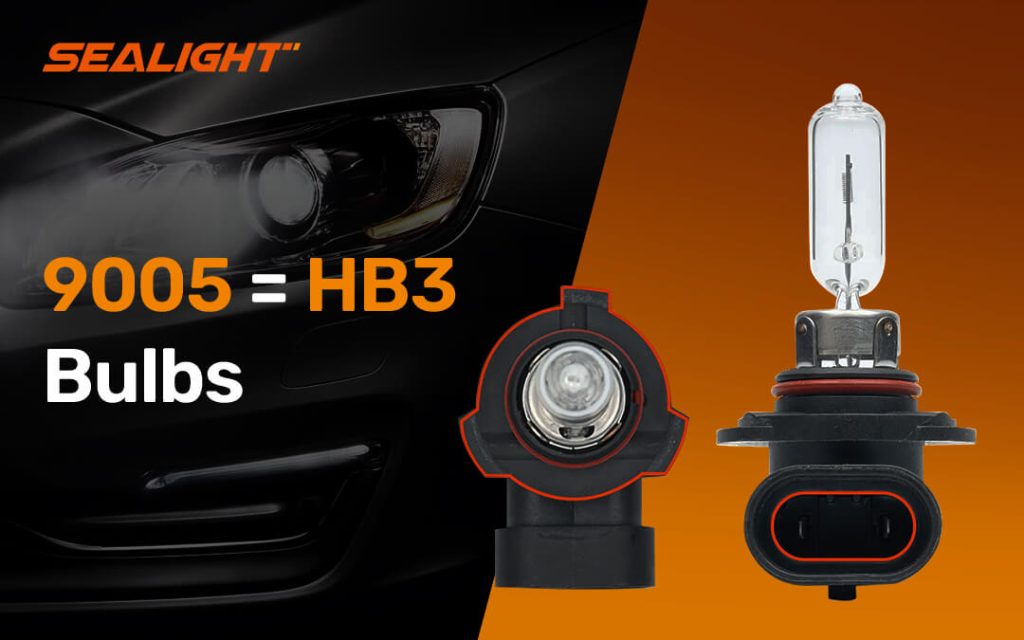
| 9005 | Halogen | High beam headlights |
| 9006 | Halogen | Low beam headlights |
| D1S | HID/Xenon | High-intensity discharge lights |
Use Online Tools
Several websites help you find the right bulb by entering your car make and model.
Many sites offer quick lookup tools. You just enter:
- Year of your car
- Make (brand)
- Model
The tool then shows the bulb types you need for headlights.
Factors To Consider When Choosing Bulbs
Choosing the right headlight bulb for your car is important. It affects how well you see the road and how safe you are while driving.
There are several things to think about before picking a bulb. These include how bright the bulb is, its color, how long it lasts, and how much energy it uses.
Brightness And Light Output
Brightness tells you how well the bulb lights up the road. A brighter bulb helps you see further and spot obstacles sooner.
Light output is measured in lumens. Higher lumens mean more light, but too much can blind other drivers.
- Check your car’s manual for recommended brightness levels
- Choose bulbs that balance brightness with safety
- LED bulbs often offer strong light output with less glare
Color Temperature
Color temperature shows the color of the light. It is measured in Kelvins (K). Different colors affect how you see the road.
Bulbs with lower Kelvin numbers give off yellow light. Higher numbers produce white or blue light. White light is good for night driving.
- 3000K to 4000K: Warm yellow light, good for fog
- 4000K to 6000K: Bright white light, clear vision
- Above 6000K: Blue tint, stylish but less clear
Lifespan And Durability
How long a bulb lasts affects how often you replace it. Durable bulbs save money and effort over time.
Some bulbs last longer because they use better materials or technology. Look for bulbs with longer lifespans if you want fewer replacements.
- Halogen bulbs last about 500 to 1,000 hours
- LED bulbs can last 15,000 to 30,000 hours
- Durability depends on quality and driving conditions
Energy Efficiency
Energy efficiency means how much power the bulb uses to produce light. Efficient bulbs use less battery power.
Using energy-efficient bulbs helps your car’s electrical system. It can also reduce strain on your battery.
- LED bulbs are very energy efficient
- Halogen bulbs use more power
- Check bulb specs for power consumption before buying
Compatibility And Fitment
Choosing the right headlight bulb is important for your car’s safety and performance.
Compatibility and fitment depend on several key factors about your vehicle and the bulb itself.
Bulb Size And Shape
Headlight bulbs come in different sizes and shapes to fit specific housings.
- Common bulb sizes include H1, H4, H7, and 9005.
- The shape affects how the light spreads on the road.
- Incorrect size or shape can cause poor lighting or damage.
Socket Type
The bulb socket type ensures the bulb fits securely and connects properly.
| Socket Type | Description |
| P14.5s | Standard socket for many halogen bulbs |
| PGJ19-2 | Common for HID bulbs |
| BA20d | Used for some LED bulbs |
Vehicle Make And Model
Each vehicle make and model has specific bulb requirements listed in the manual.
- Check your car’s manual for bulb specifications.
- Use online fitment guides for exact matches.
- Mismatched bulbs can affect performance and safety.
Legal Regulations
Local laws control what types of headlight bulbs you can use.
Here are common legal points to remember:
- Bulbs must meet brightness and color standards.
- Some LED or HID bulbs may not be street legal.
- Check local regulations before upgrading bulbs.
Upgrading Your Headlights
Upgrading your car’s headlights can improve your night driving experience. New headlights can be brighter and last longer.
This guide helps you understand why upgrades matter and how to pick and install the right bulbs.
Benefits Of Upgrading
Upgrading headlights offers several advantages beyond just better light. It helps you see the road clearly and stay safe.
- Improves night visibility and reaction time
- Enhances your car’s look with modern lighting
- Consumes less power with efficient bulbs
- Increases safety by making your car more visible
Choosing The Right Upgrade
Selecting the correct headlight bulb depends on your car model and driving needs. Check your car manual first.
| Type | Light Color | Life Span | Brightness |
| Halogen | Yellowish | 500-1000 hours | Good |
| LED | White to Blue | 25000+ hours | Very High |
| HID (Xenon) | Bright White | 2000-3000 hours | High |
LED bulbs use less energy and last longer. HID bulbs are bright but cost more. Halogen bulbs are common and affordable.
Installation Tips
Installing new headlights is simple if you follow these tips to avoid damage and ensure proper fit.
- Turn off the car and open the hood safely
- Locate the headlight bulb housing
- Remove the old bulb carefully without touching the glass
- Insert the new bulb firmly in place
- Test the lights before closing the hood
Common Mistakes To Avoid
Many drivers make errors that reduce the upgrade benefits. Avoid these mistakes:
- Touching the bulb glass with bare hands, which shortens bulb life
- Buying bulbs that do not fit your car model
- Not aligning headlights properly, causing poor road lighting
- Ignoring local laws on headlight brightness and color
Maintaining Headlight Bulbs
Headlight bulbs help you see the road at night. They also make your car visible to others.
Keeping your headlight bulbs in good shape improves safety. It also saves you money in the long run.
Cleaning And Care
Clean your headlights often to remove dirt and grime. Use a soft cloth and mild soap with water.
Avoid touching the bulb glass with your bare hands. Oils from your skin can damage the bulb.
- Turn off headlights before cleaning
- Use a microfiber cloth to avoid scratches
- Check for moisture inside the headlight cover
- Replace seals if you find leaks
Signs Of Wear And Failure
Headlight bulbs can dim or flicker over time. This means they may fail soon.
Look for cracks or cloudiness on the bulb or lens. These are signs of damage.
- Dimming light output
- Flickering or blinking lights
- Cracks in the bulb or lens
- Color changes in the light
- Bulb not turning on at all
When To Replace Bulbs
Replace headlight bulbs if they flicker or burn out. Do not wait for them to fail completely.
It is good to replace both bulbs at the same time. This keeps the light even on both sides.
- Replace bulbs every 1 to 2 years
- Change both bulbs at once for balance
- Use the correct bulb type for your car
- Check your car manual for bulb specifications
Popular Headlight Bulb Brands
Choosing the right headlight bulb is key for safe driving. Many brands offer different types of bulbs for various needs.
This guide covers popular headlight bulb brands. It helps you find trusted, budget-friendly, and high-performance options.
Top Trusted Brands
Some brands are known for quality and reliability. These brands often meet or exceed safety standards.
- Philips: Offers a wide range of bulbs with strong performance.
- Osram: Known for durability and clear light output.
- Sylvania: Popular for long-lasting and bright bulbs.
- GE Lighting: Provides bulbs that fit many car models.
Budget-friendly Options
Affordable bulbs can still offer good quality. These brands balance cost and performance well.
| Brand | Price Range | Features |
| Putco | Low | Easy to install, decent brightness |
| PIAA | Low to Mid | Good value, reliable light output |
| Hella | Low | Affordable, fits many cars |
High-performance Choices
High-performance bulbs give brighter light and longer reach. They suit drivers who want better night visibility.
- Osram Night Breaker Laser: Brighter and whiter light.
- Philips X-tremeVision: Improved brightness and range.
- Sylvania SilverStar Ultra: Strong beam with sharp cutoff.
Credit: motorwheelrestyling.com

Credit: www.carifex.com
Frequently Asked Questions
What Type Of Headlight Bulb Fits My Car?
Check your car’s manual or use online tools by entering your vehicle’s make and model. This ensures the correct bulb size and type for your headlights.
How Do I Identify My Car’s Headlight Bulb Type?
Look at your existing bulb for labels or codes. Alternatively, consult the owner’s manual or use a reliable online lookup guide.
Can I Upgrade To Led Or Hid Bulbs?
Yes, but ensure compatibility with your car’s electrical system. Upgrading improves brightness but may require additional parts or adjustments.
How Often Should I Replace Headlight Bulbs?
Typically, replace bulbs every 1-2 years or when dimming occurs. Regular checks help maintain optimal visibility and safety on the road.
Conclusion
Choosing the right headlight bulb keeps you safe on the road. Check your car’s manual for bulb types. Match the bulb size and wattage carefully. Bright, clear lights help you see and be seen. Changing bulbs is simple and saves money.
Keep spare bulbs in your car for emergencies. Bright headlights improve night driving comfort and safety. Your car deserves the correct bulb for best results.