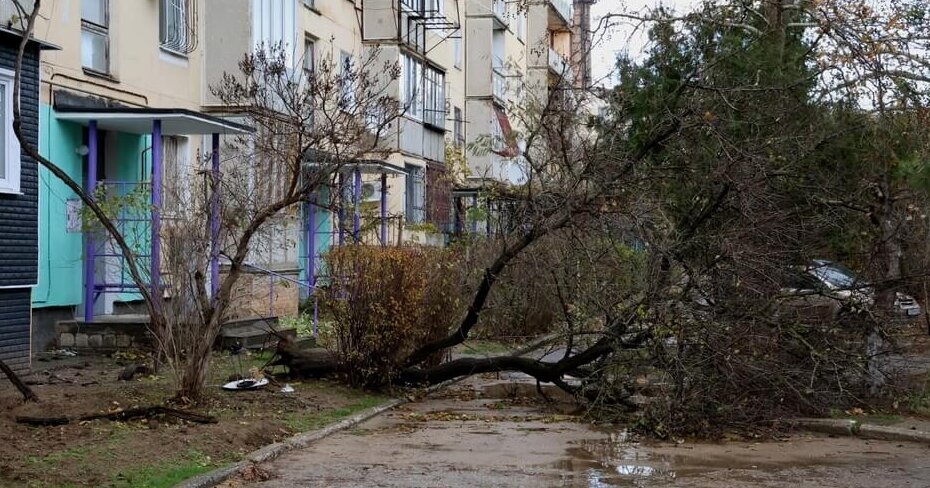
Imagine coming out to your car only to find a tree has fallen right on top of it. You’re probably wondering, “Am I covered if a tree falls on my car?” It’s a stressful situation, and the last thing you want is confusion about who pays for the damage.
You’ll discover exactly what types of insurance protect you, what steps to take next, and how to avoid costly surprises. Keep reading to get the clear answers you need to protect yourself and your vehicle.
Types Of Auto Insurance Coverage
When a tree falls on your car, your insurance coverage matters. Different policies cover different damages.
Understanding your auto insurance helps you know if you are protected in this situation.
Comprehensive Coverage Basics
Comprehensive coverage pays for damage to your car from events not caused by a collision. This includes weather, theft, and falling objects.
If a tree falls on your car, comprehensive coverage usually helps pay for repairs or replacement.
Collision Vs. Comprehensive
Collision coverage pays for damage when you hit or are hit by another vehicle or object. Comprehensive covers non-collision damage.
- Collision: Accidents with other cars or objects.
- Comprehensive: Damage from events like storms, fire, or falling trees.
Falling trees are not part of collisions. Comprehensive coverage is the right type for this damage.
Liability Insurance Limits
Liability insurance covers damage you cause to others. It does not pay for damage to your own car.
If a tree falls on your car, liability insurance will not cover your repairs. You need comprehensive coverage for this.

Credit: abcnews.go.com
When Trees Damage Your Car
Trees can cause serious damage to your car if they fall or drop large branches. This can happen in many places, such as on the street or in a parking lot. Understanding what causes this damage helps you know if you are covered by insurance.
Car damage from trees can lead to costly repairs. Knowing who is responsible and what situations are common helps you prepare for such events.
Common Causes Of Tree Damage
Tree damage to cars happens for different reasons. Some are natural, and others relate to poor tree care.
- Falling branches due to dead or weak limbs
- Tree falls caused by root damage or disease
- Strong winds shaking loose branches
- Heavy snow or ice weighing down branches
- Animals damaging tree limbs that then fall
Weather-related Tree Falls
Weather plays a big role in tree falls. Storms and natural events often cause trees to fall on cars.
| Weather Event | Effect on Trees | Risk to Cars |
| Strong Winds | Break branches or uproot trees | High |
| Heavy Rain | Softens soil, weakens roots | Medium |
| Snow/Ice | Adds weight to branches | High |
| Lightning | Damages tree structure | Low |
Property Owner Responsibilities
Property owners must keep trees safe and healthy. They have duties to prevent damage to cars and other property.
Owners should:
- Regularly inspect trees for signs of decay
- Trim dead or weak branches promptly
- Remove dangerous trees before storms
- Keep soil and roots healthy
- Respond quickly to reported tree problems
Filing A Claim For Tree Damage
When a tree falls on your car, filing an insurance claim can help cover the repair costs. It is important to act quickly and follow the right steps. This guide will help you understand how to document the damage and contact your insurer.
Knowing what to expect during the claim process can reduce stress. Be prepared with clear information and photos. Your insurer will guide you through the next steps.
Steps To Document Damage
Good documentation speeds up your claim. Take your time to gather all needed evidence.
- Take clear photos of the tree and your car from different angles.
- Write down the date, time, and location of the incident.
- Note any visible injuries to the car, like dents or broken glass.
- Save any repair estimates or invoices if you get the car checked.
- Collect contact information of any witnesses, if available.
How To Contact Your Insurer
Contact your insurance company as soon as possible. Use the phone number or app given in your policy documents.
- Have your policy number ready before you call.
- Explain the situation clearly and provide all details.
- Send the photos and documents you collected to your insurer.
- Ask about the next steps and expected timelines.
- Keep a record of your communication with the insurance company.
What To Expect During The Claim Process
The claim process may take some days. Your insurer will review your case carefully.
| Claim Step | Description |
| Claim Filing | You submit your damage report and evidence. |
| Assessment | An adjuster reviews the damage and the claim. |
| Approval | The insurer approves or denies the claim. |
| Payment | If approved, you get payment or repair authorization. |
| Repair | You fix your car using the payment or approved shop. |

Credit: www.berryinsurance.com
Factors Affecting Coverage
When a tree falls on your car, your insurance coverage depends on several factors. Knowing these can help you understand your protection better.
This guide explains key elements that affect if your insurance will pay for the damage.
Deductibles And Coverage Limits
Your insurance policy has a deductible. This is the amount you pay before insurance helps. Coverage limits set the max amount the insurer will pay.
| Term | Meaning |
| Deductible | Amount you pay first for repairs |
| Coverage Limit | Max money insurer pays for damage |
| Comprehensive Coverage | Covers damage from falling objects like trees |
Exclusions To Watch For
Not all damage is covered. Some policies exclude certain types of losses or events.
- Damage from poor maintenance may be excluded
- Acts of nature like floods may not be covered under comprehensive
- Damage during illegal activities usually is not covered
- Falling trees caused by neglect of local authorities might be excluded
Impact Of Negligence On Claims
Negligence can affect your claim. If you did not take reasonable care, the insurer might deny payment.
For example, if you parked under a weak tree known to be unsafe, your claim could be rejected.
Preventing Tree Damage To Your Vehicle
Trees can fall on cars during storms or strong winds. This can cause big damage to your vehicle. Taking steps to prevent this can save you money and trouble.
Knowing how to protect your car from falling trees is important. You can reduce risks by choosing safe spots, keeping trees healthy, and watching weather alerts.
Choosing Safe Parking Spots
Park your car away from large or old trees that look weak. Avoid parking under branches that hang low or look dead. Choose open areas when you can.
- Look for open parking spots away from trees
- Avoid parking under big branches or dead limbs
- Use garages or covered parking if possible
Regular Property Maintenance
Keep trees on your property healthy by trimming dead branches. Check trees for signs of disease or weakness. Remove dangerous trees before storms come.
- Trim dead or weak branches regularly
- Inspect trees for damage or disease
- Hire a professional to remove risky trees
Weather Alerts And Precautions
Pay attention to weather warnings about storms or strong winds. Move your car to a safer place before bad weather arrives. Stay informed to act quickly.
- Check local weather reports daily
- Move cars indoors or away from trees before storms
- Have an emergency plan for sudden weather changes
Credit: www.valleynewslive.com
Frequently Asked Questions
Am I Covered If A Tree Falls On My Car?
Yes, if you have comprehensive car insurance, it usually covers tree damage. Liability or collision coverage typically does not cover fallen tree damage.
Does Homeowner’s Insurance Cover Tree Damage To Vehicles?
Homeowner’s insurance may cover tree damage to vehicles if the tree fell on your car on your property. Coverage varies by policy.
What Should I Do If A Tree Falls On My Car?
Immediately document the damage with photos. Contact your insurance company to file a claim. Avoid moving the vehicle until inspected.
Will Insurance Cover Tree Damage During Storms?
Comprehensive insurance generally covers tree damage caused by storms, wind, or falling branches. Always check your policy for specific storm damage clauses.
Conclusion
Knowing your insurance coverage helps avoid big surprises later. Trees can fall unexpectedly and cause damage fast. Comprehensive car insurance often covers these accidents. Check your policy to see what is included. Document damage with photos and contact your insurer quickly.
Acting fast can make claims easier and faster. Stay prepared to protect your car and your wallet. Understanding coverage gives peace of mind on the road.