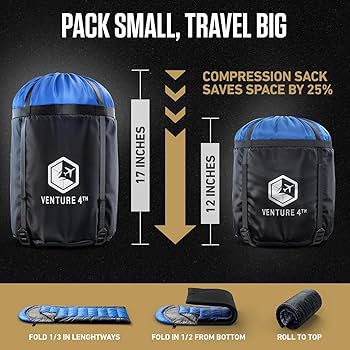
Choosing the right size compression sack for your sleeping bag can make a huge difference in your packing and comfort on the trail. You want something that fits perfectly—big enough to hold your sleeping bag but small enough to save space in your backpack.
If your sack is too large, you’ll be carrying extra weight and bulk. If it’s too small, you might struggle to fit your sleeping bag inside or damage it by squeezing too hard. You’ll discover how to pick the perfect compression sack size that matches your sleeping bag and your adventure style.
Keep reading to make your next trip lighter, easier, and more comfortable.

Credit: rokslide.com
Choosing Compression Sack Size
Picking the right compression sack size helps keep your sleeping bag compact. A proper sack saves space in your backpack. It also protects your sleeping bag from damage.
To find the best size, you need to know some key factors. These include your sleeping bag’s volume, its shape, and the materials used.
Factors Affecting Sack Size
Several things affect the size of compression sacks. Your sleeping bag’s shape and how much it compresses matter. Also, the sack’s material affects how tight it can squeeze your bag.
- Sleeping bag shape and size
- Material of the compression sack
- Insulation type of the sleeping bag
- Compression limit of the sack
Sleeping Bag Volume And Dimensions
Measure your sleeping bag when it is fully stuffed and laid flat. Note both length and width. Then check the volume in liters or cubic inches if possible.
| Dimension | Typical Range |
| Length | 70 to 90 inches |
| Width | 20 to 40 inches |
| Volume | 5 to 20 liters |
Material And Insulation Impact
Down insulation compresses more than synthetic. This means down bags fit in smaller sacks. Some sack materials stretch more than others, allowing tighter packing.
- Down insulation compresses well and needs smaller sacks.
- Synthetic insulation is bulkier and requires larger sacks.
- Nylon sacks stretch slightly for tighter fit.
- Polyester sacks are less flexible and need roomier sizes.

Credit: www.reddit.com
Measuring Your Sleeping Bag
Choosing the right compression sack size for your sleeping bag helps save space. Measuring your sleeping bag correctly is the first step.
This guide shows simple ways to measure your sleeping bag size. Use these methods to find a suitable compression sack.
Lay Flat Method
Lay your sleeping bag flat on the ground. Smooth out any wrinkles to get accurate measurements.
Measure the length, width, and thickness of the sleeping bag. Use a tape measure for best results.
- Length: Measure from top to bottom
- Width: Measure the widest part
- Thickness: Measure the thickest section
Stuff Sack Compression Test
Place your sleeping bag into the compression sack. Push down firmly to compress it as much as possible.
Note the size of the compressed sleeping bag inside the sack. This helps you find a sack that fits well.
- Stuff bag fully with sleeping bag
- Compress by pushing down firmly
- Check the sack’s dimensions and volume
Volume Estimation Techniques
Calculate the sleeping bag’s volume by multiplying length, width, and thickness. Convert to liters if needed.
This number helps compare sleeping bag size to compression sack volume. Pick a sack with slightly more space.
- Multiply length × width × thickness
- Convert cubic inches or centimeters to liters
- Choose a sack with 10-20% extra volume
Compression Sack Types
Choosing the right compression sack for your sleeping bag helps save space and keeps your gear protected. Different types of sacks suit different needs and packing styles.
Understanding the shapes, straps, and materials can help you pick a sack that fits your outdoor adventures.
Cylinder Vs. Duffle Shapes
Cylinder-shaped sacks are long and narrow. They match the shape of most sleeping bags well. Duffle-shaped sacks are wider and can hold extra gear.
- Cylinder:Compresses sleeping bags tightly and evenly.
- Duffle:Offers more space and easier packing for bulky items.
- Cylinder:Fits into backpacks without wasting space.
- Duffle:Can double as a carry bag for gear.
Adjustable Straps Benefits
Straps on compression sacks allow you to tighten or loosen the sack size. This helps reduce the volume of your sleeping bag for better packing.
| Benefit | Description |
|---|---|
| Space Saving | Straps compress the bag to a smaller size. |
| Secure Fit | Keeps the sleeping bag tight and prevents shifting. |
| Easy Adjustment | Allows quick changes in compression level. |
| Durability | Straps add strength to the sack structure. |
Lightweight Vs. Durable Materials
Lightweight materials make the sack easy to carry but may wear out faster. Durable materials last longer but add weight to your pack.
- Lightweight sacks use thin nylon or polyester fabrics.
- Durable sacks use ripstop or thicker fabrics for toughness.
- Water-resistant coatings protect against moisture.
- Choose materials based on your trip length and conditions.
Matching Sack Size To Bag
Choosing the right compression sack size is key for your sleeping bag. A sack that fits well keeps your bag compact and protected.
If the sack is too small, it can damage your sleeping bag. If it is too big, it takes up more space than needed.
Ideal Compression Ratios
Compression ratio means how much the sack reduces your bag’s size. A good ratio balances size and bag health.
Look for a sack that can compress your sleeping bag to about one-third its original volume. This size is easy to carry and safe for the bag.
- Compress too little: takes more space
- Compress too much: can harm insulation
- One-third size is a good target
Avoiding Over-compression
Over-compressing your sleeping bag damages its insulation. It makes the bag less warm and shortens its life.
Choose a sack size that does not force you to squeeze the bag too much. Let the bag keep some loft for warmth.
- Do not force the bag into a smaller sack
- Leave some room for the bag to expand
- Check sack size before packing
Allowing For Additional Gear
Sometimes you need to pack more than just your sleeping bag. A slightly larger sack can hold extra gear like liners or small clothes.
Pick a sack size that fits your sleeping bag and any extra items you want to carry. This saves space in your backpack.
- Choose a sack with extra room for small gear
- Ensure the sack size matches your packing needs
- Do not overpack to avoid damage
Tips For Effective Compression
Choosing the right compression sack size for your sleeping bag is important. It helps save space and keeps your gear organized during trips.
Effective compression can prolong the life of your sleeping bag. Using the right techniques ensures your bag stays warm and comfortable.
Rolling Vs. Stuffing Techniques
Different techniques can be used to pack your sleeping bag. Rolling and stuffing are the most common methods. Each has its own benefits.
- Rolling: Helps maintain a tidy pack. It is good for synthetic bags.
- Stuffing: Faster and protects the insulation. Ideal for down bags.
Using Straps Properly
Straps help in reducing the size of the sack. Proper use of straps ensures maximum compression and minimal space usage.
| Strap Type | Usage |
| Side Straps | Pull evenly to compress evenly |
| Top Straps | Fasten securely for added compression |
Maintaining Bag Loft
Keeping the loft of your sleeping bag is essential for warmth. Avoid compressing for long periods to maintain its insulating properties.
Common Mistakes To Avoid
Packing a sleeping bag into a compression sack saves space. It also protects the bag from moisture and dirt. But picking the wrong sack size can cause problems.
This guide points out common mistakes to avoid when choosing a compression sack. Watch for sack size, material stretch, and weather conditions.
Choosing Too Small Sacks
Choosing a sack that is too small can harm your sleeping bag. It may compress the insulation too much. This damage reduces warmth and comfort.
- Forcing a sleeping bag into a small sack breaks down its fibers.
- Small sacks make it hard to pack and unpack quickly.
- Over-compressed bags dry slower, which can cause odor or mold.
Ignoring Material Stretch
Compression sacks vary in material. Some stretch more than others. Ignoring this can lead to wrong sack choices.
| Material | Stretch Level | Effect on Size |
| Nylon | Low | Size stays constant |
| Polyester | Medium | Can stretch slightly |
| Spandex Blends | High | Allows tight but flexible fit |
Choose sacks with materials that suit your needs. Stretchy sacks fit snugly but may wear out faster.
Overlooking Weather Conditions
Weather affects sack choice. Wet or cold climates need special care. Ignoring this can ruin your gear.
- Use water-resistant sacks in rainy areas.
- Choose breathable sacks for humid conditions.
- Pick sacks with insulation for cold weather.
- Always dry your sleeping bag before packing.
Popular Compression Sack Brands
Choosing the right compression sack size helps keep your sleeping bag compact and easy to carry. Many brands offer sacks in different sizes and styles.
We look at popular compression sack brands to help you find one that fits your needs and budget.
Top Rated Options
Many hikers trust well-known brands for quality and durability. These options often use strong materials and smart designs.
- Sea to Summit: Offers lightweight, durable sacks with easy compression straps.
- Therm-a-Rest: Known for water-resistant sacks that protect your sleeping bag from moisture.
- REI Co-op: Provides sturdy sacks with good compression and affordable prices.
Budget-friendly Picks
You can find compression sacks that work well without costing too much. These brands focus on value and decent quality.
| Brand | Price Range | Key Feature |
|---|---|---|
| Outdoor Products | $10 – $20 | Simple design, reliable compression |
| Amazon Basics | $8 – $15 | Basic compression, affordable |
| Venture 4th | $15 – $25 | Durable fabric, good for casual use |
Specialty Sacks For Ultralight
Ultralight sacks focus on saving weight and space. They use thin, strong materials and compact designs.
Top ultralight brand features:
- Gossamer Gear: Very light and small, perfect for long hikes.
- Hyperlite Mountain Gear: Uses tough but light fabrics.
- Zpacks: Known for minimal weight and excellent packability.

Credit: m-tac.us
Frequently Asked Questions
What Size Compression Sack Fits A Standard Sleeping Bag?
A medium-sized compression sack, around 10-15 liters, typically fits standard sleeping bags. Check your sleeping bag’s packed size to confirm the best fit.
How To Choose The Right Compression Sack Size?
Measure your sleeping bag’s packed dimensions first. Pick a sack slightly larger to allow easy packing and compression without damage.
Can Compression Sacks Reduce Sleeping Bag Volume Significantly?
Yes, compression sacks can reduce volume by up to 50%. Proper use compresses air and insulation for easier transport.
Are There Different Compression Sack Sizes For Winter Bags?
Winter sleeping bags usually need larger sacks, 15-20 liters, due to thicker insulation. Always match sack size to bag bulk.
Conclusion
Choosing the right size compression sack keeps your sleeping bag safe and compact. A sack too small can squeeze and damage your bag. Too big, and it wastes space in your pack. Check your sleeping bag’s packed size before buying.
Pick a sack that fits snugly but does not crush the insulation. This helps your bag last longer and stay warm. A well-fitted compression sack makes packing easier. It also saves room for other gear. Simple steps lead to better camping comfort.