Choosing the best fishing line can make all the difference between a great catch and a missed opportunity. You want a line that’s strong, reliable, and perfect for the type of fishing you do.
But with so many options out there, how do you know which one is right for you? This guide will help you cut through the confusion and find the fishing line that fits your needs. Keep reading, and you’ll discover the secrets to fishing smarter, not harder.

Credit: www.ebay.ca
Types Of Fishing Lines
Fishing lines come in different types. Each type has its own features and uses.
Choosing the right fishing line helps catch more fish and makes fishing easier.
Monofilament Lines
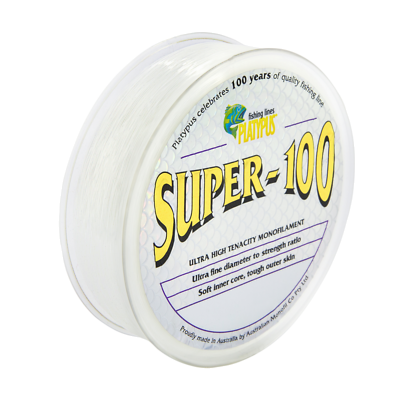
Monofilament lines are made from a single strand of nylon. They are soft and stretchable.
These lines are easy to handle and good for beginners. They float on water and are cheaper.
- Good knot strength
- Stretch reduces fish pulling off the hook
- Works well for many fishing styles
Fluorocarbon Lines
Fluorocarbon lines are made from a special plastic. They are nearly invisible underwater.
These lines sink faster than monofilament. They resist abrasion and last longer.
- Less visible to fish
- Great for clear water fishing
- More durable against sharp objects
Braided Lines
Braided lines are made by weaving many fibers together. They are very strong and thin.
These lines have no stretch. They let you feel bites better and cast farther.
- High strength with small diameter
- Good for deep water fishing
- Resistant to wear and tear
Key Factors To Consider
Choosing the best fishing line depends on several important factors. These factors affect your fishing success and experience.
Understanding these key points helps you pick a line that fits your fishing style and environment.
Strength And Durability
Strength is how much weight a fishing line can hold before breaking. Durability means how long the line lasts without damage.
A strong and durable line helps catch bigger fish and lasts through many fishing trips.
- Check the line’s pound test rating for strength
- Look for materials that resist wear over time
- Consider lines that handle rough conditions well
Visibility In Water
Visibility means how easy it is for fish to see the line underwater. Low visibility lines help avoid scaring fish away.
Pick a line color and type that matches the water you fish in, like clear for clear water or green for weed areas.
- Clear or light colors work best in clear water
- Green or camo colors blend well in weedy areas
- Bright colors can help you see the line above water
Casting Distance
Casting distance is how far you can throw the line with your rod. Better casting helps you reach fish that are far away.
Thin and smooth lines usually cast farther. The line’s flexibility also affects how well it casts.
- Choose thinner lines for longer casts
- Look for smooth lines to reduce friction on the rod guides
- Match line type with your reel for best performance
Abrasion Resistance
Abrasion resistance is the line’s ability to resist damage from rubbing on rocks, wood, or fish teeth.
Lines with high abrasion resistance last longer and avoid breaks during fights with fish.
- Pick lines made from tough materials like braided or fluorocarbon
- Consider thicker lines for rough fishing spots
- Inspect your line often for signs of wear
Best Lines For Freshwater Fishing
Choosing the right fishing line helps catch more fish. Different lines work better in different water and conditions.
This guide explains the best fishing lines for freshwater fishing. Learn about monofilament, fluorocarbon, and braided lines.
Top Monofilament Choices
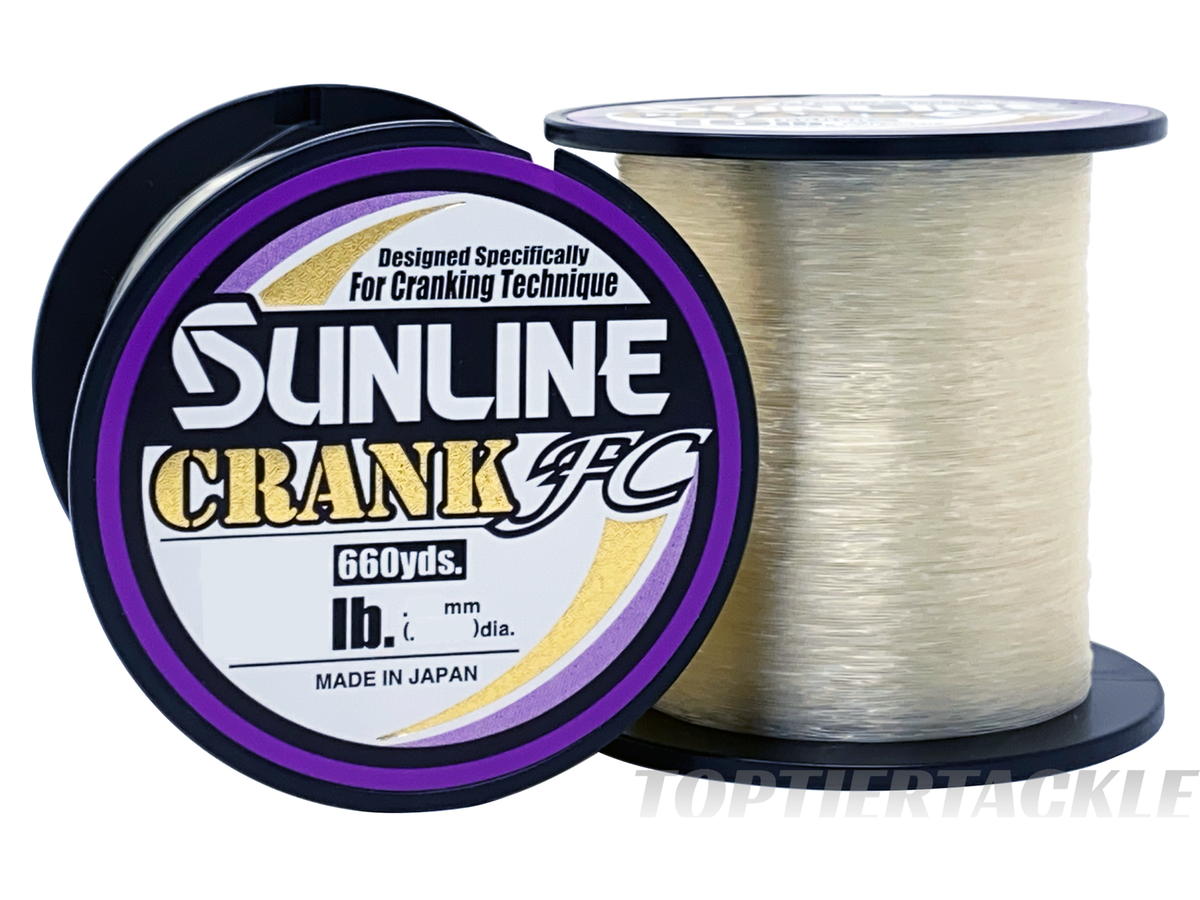
Monofilament lines are popular for beginners. They are easy to handle and stretch to absorb fish bites.
These lines float on water and work well for many types of freshwater fishing.
- Good knot strength and flexibility
- Affordable and widely available
- Best for general fishing with lures and bait
Fluorocarbon For Clear Water
Fluorocarbon lines are nearly invisible underwater. They work great in clear lakes and rivers.
These lines sink faster and resist abrasion from rocks and logs.
- Less visible to fish in clear water
- Strong and abrasion-resistant
- Good for finesse fishing techniques
Braided Lines For Heavy Cover
Braided lines are very strong and thin. They have little stretch and can handle heavy plants and brush.
These lines help pull fish out of thick cover without breaking.
- High strength with small diameter
- Excellent sensitivity for bites
- Best for fishing near weeds and logs
Best Lines For Saltwater Fishing
Choosing the right fishing line is important for saltwater fishing success. Saltwater fish are strong and the environment is tough. The right line helps you catch fish and lasts longer.
There are three popular types of fishing lines for saltwater: monofilament, fluorocarbon, and braided lines. Each has its own benefits and uses.
Durable Monofilament Options
Monofilament line is a classic choice for saltwater fishing. It is strong, flexible, and stretches under pressure. This stretch helps absorb shocks from strong fish.
Monofilament lines are easy to handle and knot well. They also resist damage from sun and saltwater. This makes them a good option for many saltwater anglers.
- Good stretch to prevent line breaks
- Resists UV and saltwater damage
- Easy to tie knots securely
Fluorocarbon For Saltwater Clarity
Fluorocarbon lines are less visible underwater. This helps when fishing in clear saltwater. Fish are less likely to see the line and avoid it.
Fluorocarbon is also very abrasion resistant. It holds up well against sharp rocks and fish teeth. This makes it a smart choice for clear water and tough conditions.
- Low visibility in clear water
- High resistance to abrasion
- Good sensitivity for bites
Braided Lines For Strength
Braided lines are known for their high strength and thin diameter. They do not stretch much, so you feel every bite clearly. This helps with hook setting.
Braided lines are very tough and last a long time. They work well in deep water and around heavy cover. Many anglers use them with a fluorocarbon leader for best results.
- Very strong with thin diameter
- Low stretch for better bite detection
- Durable and long lasting
Expert Recommendations
Choosing the best fishing line is important for a good fishing experience. Experts look at strength, stretch, and durability.
This guide shares what top anglers choose, budget-friendly options, and premium lines for serious fishers.
Pro Anglers’ Favorites
Professional anglers pick fishing lines that match different water and fish types. They want lines that are strong and easy to handle.
Many pros prefer braided lines for their strength and sensitivity. Fluorocarbon lines are also popular for clear water fishing.
- Braided lines offer high strength and low stretch
- Fluorocarbon lines are nearly invisible underwater
- Monofilament lines provide good stretch and are easy to knot
Budget-friendly Picks
You do not need to spend a lot to get a good fishing line. Budget lines work well for beginners and casual anglers.
Monofilament lines are usually cheaper and easy to use. They work well in many fishing situations and are forgiving for mistakes.
- Monofilament lines are affordable and versatile
- Look for lines with good abrasion resistance
- Check line strength to match your fishing needs
Premium High-performance Lines
Serious anglers choose premium lines for top performance. These lines last longer and handle tough conditions well.
Premium braided and fluorocarbon lines provide extra strength and low visibility. They give better control and sensitivity.
| Type | Key Features | Best Use |
|---|---|---|
| Braided | High strength, low stretch, durable | Heavy cover, big fish |
| Fluorocarbon | Invisible underwater, abrasion resistant | Clear water, finesse fishing |
| Monofilament | Good stretch, easy to knot | General use, beginners |
Credit: www.ebay.ca
Tips For Choosing The Right Line
Choosing the right fishing line helps catch more fish and prevents line breakage. The type and strength of the line depend on the fish you want to catch and the fishing conditions.
Knowing how to care for and replace your fishing line is also important. This guide shares useful tips to pick the best line for your needs.
Matching Line To Fish Species
Different fish require different line strengths and types. Use lighter lines for small fish and stronger lines for big fish. The right match improves your chance of landing the catch.
| Fish Species | Line Type | Recommended Strength (lb test) |
|---|---|---|
| Trout | Monofilament or Fluorocarbon | 4-8 |
| Bass | Braided or Monofilament | 10-20 |
| Salmon | Fluorocarbon or Braided | 12-30 |
| Catfish | Braided | 20-50 |
| Marlin | Braided | 50-80 |
Line Maintenance And Storage
Good care keeps your fishing line strong and ready. Store the line away from sunlight and heat. Dirt and salt can weaken the line, so rinse it after use in saltwater.
- Keep the line dry and cool
- Check for any cuts or frays before fishing
- Use a line conditioner to reduce memory and tangles
- Store spools in a closed container
Replacing Old Fishing Lines
Old lines lose strength and may snap easily. Replace your line if it shows signs of wear. Regular replacement improves safety and fishing success.
- Check the line for discoloration or rough spots
- Remove old line from the reel completely
- Choose a new line with the right type and strength
- Spool the new line evenly on the reel
- Tie secure knots to prevent slipping

Credit: thegww.com
Frequently Asked Questions
What Types Of Fishing Lines Are Best For Beginners?
Monofilament lines are ideal for beginners. They are affordable, flexible, and easy to handle. Their stretch reduces sudden breaks, making fishing smoother and more forgiving.
How To Choose The Strongest Fishing Line?
Choose braided lines for maximum strength. They have high tensile strength and low stretch. Braided lines are best for heavy fish and tough conditions.
Which Fishing Line Is Best For Clear Water?
Fluorocarbon lines are best for clear water. They are nearly invisible underwater, providing stealth. Fluorocarbon also sinks faster, ideal for deep or clear water fishing.
Can I Use The Same Fishing Line For All Fish Types?
No, different fish require different lines. Light lines suit small fish, while heavy lines are for bigger catches. Match line type and strength to your target species.
Conclusion
Choosing the right fishing line depends on your needs and fishing style. Each type offers unique benefits for different situations. Consider strength, stretch, and visibility before buying. Testing a few lines helps find what feels best. Remember, the best line improves your catch chances and enjoyment.
Keep it simple, and enjoy your time on the water.