Are you wondering if you can put Freon in your window unit air conditioner to make it cool better? It’s a common question, especially when your AC isn’t chilling like it used to.
Before you grab a can of Freon and try to fix it yourself, there are important things you need to know. Using the wrong approach can cause more harm than good, and you might end up spending more money or damaging your unit.
Keep reading to find out if adding Freon is the right move for your window AC and what steps you should take to keep your home cool and comfortable.
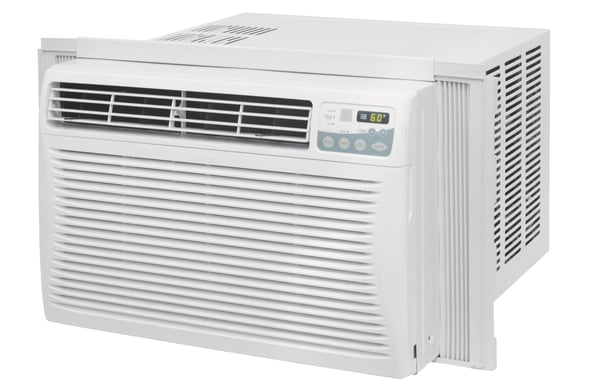
Credit: www.searspartsdirect.com
How Window Ac Units Use Refrigerant
Window air conditioners use a special fluid called refrigerant. This fluid helps cool the air inside a room.
The refrigerant moves through tubes inside the unit. It changes from liquid to gas and back to liquid.
Role Of Refrigerant In Cooling
The refrigerant absorbs heat from the indoor air. It carries this heat outside the room.
When the refrigerant changes from liquid to gas, it cools the air. Then, it releases heat outside as it changes back to liquid.
- Absorbs heat inside the room
- Changes from liquid to gas to cool air
- Releases heat outside the room
- Cycles continuously for constant cooling
Common Types Of Refrigerants In Window Units
Window air conditioners use different refrigerants. Some are safer and better for the environment.
| Refrigerant Type | Common Name | Environmental Impact |
|---|---|---|
| R-22 | Freon | Harmful to ozone layer, being phased out |
| R-410A | Puron | Safer for ozone, used in newer units |
| R-32 | Difluoromethane | Lower global warming potential |
Signs Your Window Ac Needs More Refrigerant
Your window air conditioner cools your room using refrigerant. If it runs low, the AC will not cool well.
Watch for signs that show your unit needs more refrigerant. Catching these early can help fix problems fast.
Reduced Cooling Efficiency
If your AC takes longer to cool the room or does not get cold enough, it may lack refrigerant. Low refrigerant stops the unit from working well.
Check if the air coming out feels warm or less cold than usual. This means the cooling power is weak.
Ice Buildup On Coils
Ice may form on the AC coils if there is not enough refrigerant. The cold spots cause moisture to freeze.
Look for white or frosty ice on the pipes or metal parts inside the unit. This is a clear sign of low refrigerant.
- Ice on evaporator coils
- Frost on refrigerant lines
- Water dripping from the unit
Unusual Noises Or Odors
Low refrigerant can cause the AC to make strange sounds like hissing or bubbling. These noises come from leaks or pressure changes.
You might also smell a faint chemical odor near the unit. This can mean refrigerant is escaping through a leak.
Can You Add Freon Yourself?
Many people wonder if they can add Freon to their window air conditioner. Freon is a type of refrigerant that helps cool the air. Adding it can seem simple but it is not always easy or safe.
Before trying to add Freon yourself, it is important to know the rules and risks involved. This guide explains what you need to know about adding Freon to your unit.
Legal Restrictions And Safety Concerns
Adding Freon yourself may be illegal in some places. The government controls how refrigerants are handled. This is to protect the environment and people’s health.
Only certified technicians can legally add Freon. Improper handling can cause leaks and harm the ozone layer. It can also cause serious injury if done wrong.
- Check local laws before adding Freon
- Using Freon without a license can lead to fines
- Freon is harmful if inhaled or leaked
- Proper disposal of old refrigerant is required
Tools And Equipment Required
Adding Freon needs special tools and equipment. These help measure and control the refrigerant safely. Without the right tools, you can damage the unit.
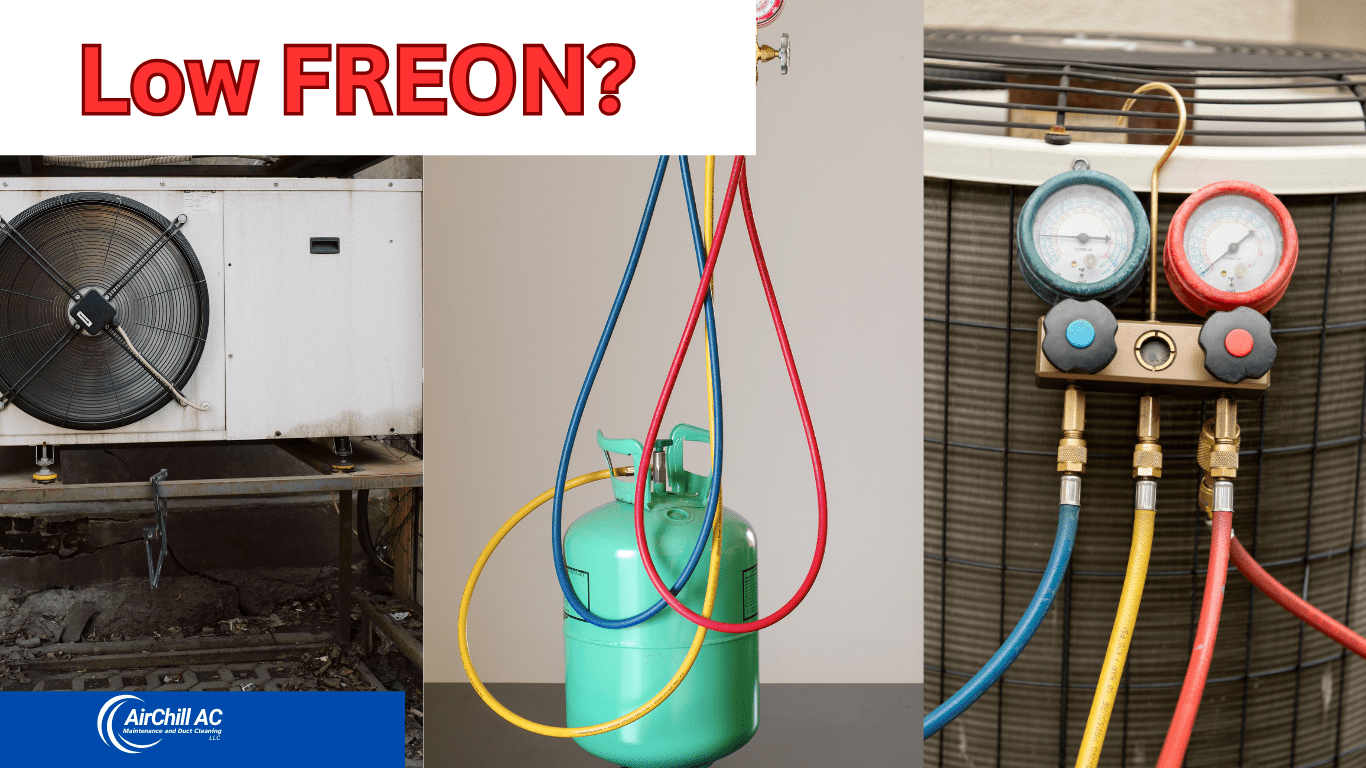
Some of the main tools needed include gauges, hoses, and a refrigerant tank. You also need protective gear to avoid injury.
- Manifold gauge set to check pressure
- Refrigerant tank with the correct type of Freon
- Hoses to connect gauges and tank
- Safety goggles and gloves
- Leak detector to find any leaks

Credit: www.youtube.com
Step-by-step Process For Adding Refrigerant
Adding refrigerant to a window unit air conditioner can help it cool better. You must do it carefully to avoid damage. This guide shows the basic steps to add Freon safely.
Follow these steps to locate the service valve, use a refrigerant gauge, and charge the unit properly.
Locating The Service Valve
The service valve is where you add refrigerant. It is usually on the back or side of the unit. Look for a small capped valve near the compressor or copper tubing.
Make sure the unit is unplugged before you search for the valve. Removing the cap will give you access to the valve for charging.
Using A Refrigerant Gauge
A refrigerant gauge helps you measure the pressure inside the system. Connect the gauge to the service valve after removing the cap. The gauge shows if the pressure is low or normal.
- Attach the hose from the gauge to the service valve.
- Read the pressure on the gauge scale.
- Compare the reading to the recommended pressure in the unit’s manual.
- Only add refrigerant if the pressure is below the recommended level.
Proper Charging Techniques
Charge the air conditioner slowly and carefully. Adding too much refrigerant can damage the unit. Use the table below to check the correct amount for common window units.
| Unit Size (BTU) | Recommended Refrigerant Amount (oz) |
| 5,000 | 4 to 5 |
| 8,000 | 6 to 7 |
| 10,000 | 7 to 8 |
| 12,000 | 8 to 9 |
Follow these tips for proper charging:
- Use the correct type of refrigerant specified for your unit.
- Keep the can upright to avoid liquid refrigerant entering the system.
- Charge in short bursts and check the gauge often.
- Stop adding refrigerant when the pressure reaches the recommended level.
Risks Of Incorrect Refrigerant Handling
Using the wrong refrigerant or handling it incorrectly in a window unit air conditioner can cause many problems. It is not safe to add Freon without proper knowledge and tools.
Incorrect refrigerant handling can harm the environment, damage the air conditioner, and create safety risks for people.
Environmental Impact
Refrigerants like Freon can harm the environment if released into the air. They contribute to ozone layer damage and global warming.
Leaks or spills during improper handling increase pollution and hurt wildlife.
- Freon gases cause ozone layer depletion
- They have a high global warming potential
- Improper disposal worsens climate change
Damage To The Ac Unit
Adding the wrong type or amount of refrigerant can damage the air conditioner’s parts. It may cause leaks or compressor failure.
Incorrect refrigerant can reduce cooling efficiency and increase energy use. Repair costs may be high.
- Wrong refrigerant can clog system pipes
- Too much or too little refrigerant harms the compressor
- Leaks reduce the unit’s cooling power
Personal Safety Hazards
Handling refrigerants without training can cause injuries. Freon is a gas that can be harmful if inhaled or touched.
Improper use of tools or leaks can cause frostbite, poisoning, or fire risks.
- Freon gas can cause breathing problems
- Skin contact may lead to frostbite
- Leaks can create fire hazards
- Tools misuse can cause accidents
Credit: airchillac.com
When To Call A Professional
Air conditioners keep our homes cool in hot weather. Sometimes they need repairs or maintenance. Knowing when to call a professional can save you time and money.
It’s important to know if your window unit needs more than just cleaning. Professionals can handle complex repairs and refrigerant issues safely.
Complex Repairs And Leaks
Window units may have complex problems. These can include electrical issues or motor failures. Leaks in the system can also cause the unit to stop working efficiently.
Leaking refrigerant is a common issue that needs immediate attention. A professional can diagnose and fix these leaks properly.
Proper Refrigerant Identification
Different air conditioners use different types of refrigerants. It’s crucial to know which refrigerant your unit uses. Using the wrong type can damage the system.
Professionals have the tools to identify the correct refrigerant. They ensure your air conditioner works safely and efficiently.
Certified Technicians And Regulations
Air conditioning technicians need proper certification. They must follow safety regulations when handling refrigerants. This ensures the work is done safely and legally.
Certified technicians have the right training and equipment. They can service your air conditioner without risking damage or safety hazards.
- Technicians are trained to handle refrigerants safely
- They follow environmental regulations
- Certification ensures quality and safety
Alternatives To Adding Freon
Adding Freon to a window unit air conditioner is often not the best solution. Many window units are sealed systems and cannot be recharged. There are safer and more effective ways to keep your air conditioner running well.
These alternatives include cleaning and maintaining your unit regularly and upgrading to newer, energy-efficient models. Both options can improve cooling without the risks of adding refrigerant.
Cleaning And Maintenance Tips
Regular cleaning helps your air conditioner work better and last longer. Dirt and dust can block airflow and reduce cooling power.
Check and clean the filters every month during use. Remove debris from the outside unit and clean the coils if they are dirty.
- Turn off the unit before cleaning
- Use a soft brush or cloth for coils
- Vacuum or wash reusable filters
- Keep the area around the unit clear
- Schedule professional maintenance yearly
Upgrading To Energy-efficient Models
Older window units may use outdated technology and low-efficiency refrigerants. New models use better refrigerants and save energy.
Energy-efficient units cool better and cost less to run. Look for units with the ENERGY STAR label for good performance.
- Use less electricity
- Reduce your cooling bills
- Cool rooms faster and more evenly
- Help reduce environmental impact
- Often come with improved features
Frequently Asked Questions
Can I Add Freon To A Window Unit Air Conditioner?
No, you cannot add Freon to most window units. These units are sealed systems and require professional service if refrigerant is low or leaking.
How To Know If My Window Ac Needs Freon?
If your window AC blows warm air or cools poorly, it may need refrigerant. However, leaks should be checked by a technician.
Is It Safe To Recharge Freon In Window Ac Myself?
Recharging Freon yourself is risky and illegal without certification. Proper tools and knowledge are needed to avoid damage and environmental harm.
What Type Of Refrigerant Do Window Air Conditioners Use?
Most window units use R-410A or R-22 refrigerants. Check your unit’s label for the exact type before any servicing.
Conclusion
Adding Freon to a window air conditioner is not simple or safe. These units usually come sealed with the right refrigerant inside. Only trained professionals should handle refrigerants like Freon. Trying to add it yourself can cause damage or health risks.
Regular cleaning and maintenance keep your unit running well. If cooling drops, call a technician to check the system. Proper care helps your air conditioner last longer and work better. Keep safety first and trust experts for refrigerant issues. Simple steps can save you time and money in the long run.