Are you tired of your air conditioner working harder than it should? The secret to boosting its efficiency might be right around the edges.
How well you seal around your air conditioner can make a huge difference in keeping cool air in and hot air out. If you want to save money on energy bills and keep your home comfortable all summer long, learning how to seal around your air conditioner is a must.
Keep reading, and you’ll discover simple, effective tips that anyone can follow to get the job done right.
Why Seal Around Air Conditioners
Sealing around air conditioners is important for many reasons. It helps keep your home comfortable and saves energy.
If you do not seal the gaps around your air conditioner, air can escape or enter. This makes your system work harder.
Impact On Energy Bills
Air leaks around your air conditioner cause energy loss. This means your air conditioner uses more power to cool your home.
- Sealing gaps reduces energy waste.
- It lowers your electricity bills.
- It helps your air conditioner last longer.
Preventing Air Leaks
Sealing stops outside air from coming in and inside air from escaping. This keeps your home’s air fresh and clean.
Common sealing materials include:
- Weatherstripping tape
- Caulk
- Foam sealant
Improving Indoor Comfort
Sealing around your air conditioner helps keep the temperature steady. It stops drafts and hot spots in your rooms.
| Benefit | Effect |
| Reduced drafts | More even temperature |
| Less dust entry | Cleaner air inside |
| Quieter operation | Less noise from outside |
Tools And Materials Needed
Sealing around your air conditioner helps keep air tight. This saves energy and stops drafts. You will need some tools and materials to do this job well.
Having the right items makes sealing faster and cleaner. Below are the main tools and materials to prepare before you start.
Sealants And Weatherstripping
Sealants close gaps and stop air leaks around your air conditioner. Weatherstripping adds a soft barrier to block air and moisture. Choose sealants that work well with your window or wall type.
- Silicone or acrylic caulk for small cracks
- Butyl rubber or foam tape for weatherstripping
- Expandable foam for large gaps
Caulking Guns And Foam
A caulking gun helps apply caulk smoothly and evenly. It controls how much sealant comes out. Expanding foam fills bigger spaces that caulk cannot cover well.
- Manual or cordless caulking gun
- Caulk tubes compatible with your gun
- Spray foam cans for filling large holes
Safety Gear
Safety gear protects you while sealing. Sealants and foam can irritate your skin or eyes. Always wear gloves and goggles to stay safe.
- Protective gloves
- Safety goggles
- Mask to avoid breathing fumes
Preparing The Area
Sealing around your air conditioner keeps your home cool and energy efficient. Preparing the area well makes sure the seal lasts longer.
Start by cleaning and checking the space around the unit. Removing old sealant helps new sealant stick better.
Cleaning The Surface
Use a brush or cloth to remove dust, dirt, and debris from the area around the air conditioner. A clean surface helps the sealant bond properly.
- Wipe down the frame and wall edges
- Remove any loose paint or plaster
- Dry the surface completely before sealing
Inspecting For Gaps And Cracks
Look carefully around the air conditioner for any gaps or cracks. These spots let air escape and reduce cooling efficiency.
| Type of Gap | Where to Check | Why It Matters |
| Small Cracks | Edges of the window frame | Can cause drafts and energy loss |
| Large Gaps | Between air conditioner and wall | Allow insects and dust inside |
| Uneven Surfaces | Wall around the unit | Make sealing difficult and weak |
Removing Old Sealant
Old sealant can crack or peel and stop new sealant from sticking. Remove it carefully with a putty knife or scraper.
Tips for Removing Old Sealant:
- Work slowly to avoid damaging the wall or frame
- Use a sealant remover product if needed
- Clean the area again after removal
- Let the surface dry completely before applying new sealant

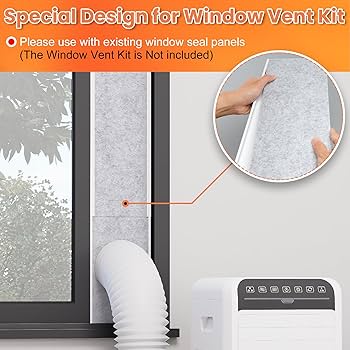
Credit: www.amazon.com
Sealing Window Air Conditioners
Sealing around your window air conditioner helps keep your home cool. It also saves energy and reduces costs.
Proper sealing prevents air leaks and keeps out dust and insects. Let’s explore ways to seal your air conditioner.
Applying Weatherstripping
Weatherstripping creates a tight seal around the air conditioner. It prevents outside air from entering your room.
Use adhesive-backed weatherstripping for easy application. Cut the strips to fit the sides of the window frame.
- Clean the window frame area first.
- Measure and cut the weatherstripping.
- Stick the weatherstripping to the frame.
Using Foam Insulation
Foam insulation helps fill larger gaps around the air conditioner. It is easy to apply and provides good insulation.
Measure the gaps and cut the foam to size. Insert the foam between the air conditioner and the window frame.
- Choose high-density foam for better insulation.
- Ensure the foam fits snugly in the gaps.
- Avoid compressing the foam too much.
Sealing Gaps With Caulk
Caulking is effective for sealing small gaps and cracks. It creates a permanent seal around your air conditioner.
Use a caulk gun to apply a steady bead of caulk. Apply it to the edges where the air conditioner meets the window.
- Choose weather-resistant caulk for outdoor use.
- Smooth the caulk with a damp finger or tool.
- Allow the caulk to dry completely before use.
Sealing Wall-mounted Air Conditioners
Sealing around your wall-mounted air conditioner helps keep your home comfortable. It stops air leaks and keeps pests out.
This guide shows how to seal your air conditioner properly. Follow these simple steps to improve insulation.
Checking The Frame Fit
Check if the air conditioner frame fits tightly in the wall opening. Look for gaps or spaces around the edges.
- Inspect all sides of the frame for gaps.
- Use a flashlight to see small cracks.
- Make sure the unit does not move inside the opening.
- If the fit is loose, add weatherstripping or foam before sealing.
Applying Sealant Around Edges
Use a waterproof sealant to cover all gaps between the frame and wall. This blocks air and water from entering.
Follow these tips when applying sealant:
- Clean the surface to remove dust and dirt.
- Cut the sealant tube tip at a 45-degree angle.
- Apply a steady bead of sealant along the edges.
- Smooth the sealant with a wet finger or tool.
- Let the sealant dry fully before using the air conditioner.
Insulating With Foam Strips
Foam strips add extra insulation and fill any remaining small gaps. They help stop drafts and noise.
| Type of Foam | Use | Thickness |
| Closed-cell foam | Best for outdoor edges | 1/4 inch |
| Open-cell foam | Good for indoor sealing | 1/2 inch |
| Self-adhesive foam tape | Easy to apply on small gaps | 1/8 inch |
Sealing Central Air Conditioner Components
Sealing your central air conditioner keeps it running well and saves energy. Air leaks make your system work harder and cost more.
This guide explains how to seal parts of your air conditioner to stop leaks and improve comfort.
Sealing Duct Connections
Duct connections are common spots for air leaks. You should check all joints and seams for gaps or cracks.
Use foil tape or mastic to seal these connections tightly. This stops air from escaping and improves airflow.
- Clean the duct surface before sealing
- Apply tape or mastic smoothly over gaps
- Press firmly to ensure good adhesion
- Check for leaks after sealing
Using Mastic Sealant
Mastic sealant is a thick paste used to seal ducts. It is durable and resists cracking over time.
Apply mastic with a brush around seams and joints. Let it dry fully before turning on the air conditioner.
- Wear gloves to protect your hands
- Use enough mastic to cover all gaps
- Smooth the surface for a tight seal
- Allow 24 hours for drying
Insulating Exposed Ducts
Exposed ducts lose energy by heating or cooling the air outside the vents. Insulate these ducts to save energy.
Use duct insulation sleeves or wrap insulation around ducts. This keeps the air inside at the right temperature.
- Measure the duct size before buying insulation
- Cover all exposed surfaces completely
- Seal insulation edges with foil tape
- Check insulation yearly for damage
Common Mistakes To Avoid
Sealing around an air conditioner is important to keep your home comfortable. Doing it wrong can cause problems like leaks and drafts. Avoid these common mistakes to make your seal last longer.
Pay attention to details and use the right materials. This helps stop air and water from getting inside.
Overusing Sealant
Using too much sealant can cause a mess and may not seal better. Thick layers take longer to dry and might crack later.
Apply sealant in a thin, even line. This saves material and works better.
Ignoring Hidden Gaps
Some gaps are small or hidden behind the air conditioner frame. If you miss these, air and water can leak inside.
Check carefully all around the unit, including corners and edges. Use a flashlight to find hard-to-see spaces.
- Look behind the trim and insulation
- Inspect corners and joints
- Check inside the window frame
Using Incorrect Materials
Not all sealants work well outdoors or on all surfaces. Using the wrong type can cause the seal to fail quickly.
Choose a sealant made for exterior use and compatible with your window and air conditioner materials.
- Silicone sealants are good for waterproofing
- Acrylic sealants work well on painted surfaces
- Avoid using indoor caulk outside

Credit: www.amazon.com
Maintenance Tips
Sealing around your air conditioner keeps your home comfortable and energy-efficient.
Regular care helps stop leaks and damage that can raise your bills.
Regular Inspections
Check the seal around your air conditioner every few months. Look for cracks, gaps, or signs of wear.
- Inspect the sealant for damage or dryness.
- Look for gaps where air can escape.
- Check for mold or dirt buildup that can hide problems.
Reapplying Sealant
Apply new sealant if the old one is cracked or missing. Use weatherproof caulk designed for outdoor use.
| Sealant Type | Use Case | Dry Time |
| Silicone Caulk | Flexible and waterproof | 24 hours |
| Acrylic Latex Caulk | Easy to apply and paint over | 30 minutes |
| Polyurethane Sealant | Strong and durable for harsh weather | 48 hours |
Cleaning Around Units
Keep the area around your air conditioner clean. Dirt and debris can damage the seal and reduce airflow.
- Remove leaves and twigs from around the unit.
- Wash the unit gently with water to clear dust.
- Trim plants so they do not touch the air conditioner.

Credit: www.amazon.com
Frequently Asked Questions
How Do I Seal Gaps Around My Air Conditioner?
To seal gaps around your air conditioner, use weatherproof caulk or foam sealant. Clean the area first for better adhesion. Apply the sealant evenly to block air leaks, improving energy efficiency and preventing moisture entry.
What Materials Are Best For Sealing Ac Units?
The best materials for sealing AC units are silicone caulk, weatherstripping, and expanding foam. Silicone caulk is flexible and waterproof. Expanding foam fills larger gaps. Weatherstripping seals movable parts, reducing drafts and energy loss effectively.
When Should I Seal Around My Air Conditioner?
Seal around your air conditioner during installation or when you notice drafts and moisture. Regular sealing prevents energy loss and water damage. It’s best to inspect and reseal annually to maintain efficiency and protect your home.
Can Sealing Improve Air Conditioner Efficiency?
Yes, sealing gaps around your air conditioner improves efficiency. It stops cool air from escaping and warm air from entering. This reduces energy consumption and lowers your utility bills, enhancing the overall performance of your AC unit.
Conclusion
Sealing around your air conditioner keeps your home cool and saves energy. Use the right materials like caulk or foam sealant for best results. Check for gaps and cracks carefully before sealing. A well-sealed unit stops air leaks and reduces bills.
Regular checks help maintain the seal’s strength. Simple steps can make a big difference in comfort. Taking time to seal your AC properly protects your home. Keep cool and save money with a good seal today.