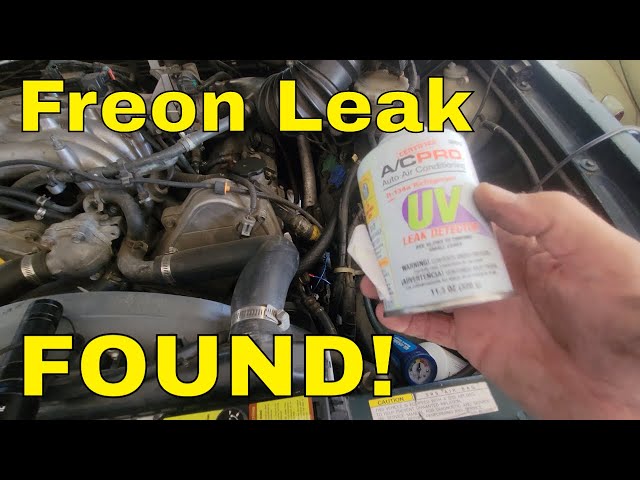
Is your car’s air conditioner leaking and leaving you uncomfortable on hot days? You’re not alone, and the good news is that fixing this common problem might be easier than you think.
Imagine driving with cool, fresh air flowing smoothly again—no more sticky seats or sweaty drives. You’ll discover simple, clear steps to identify and repair your car air conditioner leak. By the end, you’ll have the confidence to tackle the issue yourself or know exactly what to ask your mechanic.
Keep reading, and say goodbye to that annoying AC leak for good.

Credit: www.youtube.com
Identifying Signs Of Ac Leak
Car air conditioners can develop leaks that reduce cooling power. Finding leaks early helps avoid big repairs.
Knowing the signs of an AC leak lets you fix the problem quickly. This keeps your car cool and comfortable.
Common Symptoms
When an AC leaks, it may not blow cold air like before. The air might feel warm or less cool.
You may hear strange noises from the AC system. Sometimes a hissing sound means gas is escaping.
- Weak or warm air from AC vents
- Hissing or bubbling noises
- AC compressor turns on and off often
- Visible oil or dye spots near AC parts
- Unpleasant smells inside the car
Detecting Refrigerant Loss
Refrigerant loss happens when gas leaks from the AC system. This lowers the cooling ability of your car.
You can check for refrigerant loss by watching how long the AC stays cold. Short cooling times may show a leak.
- Notice if AC cools less than before
- Look for oily residue on AC hoses and fittings
- Use a leak detector tool for precise checks
- Check pressure levels with AC gauges
- Observe if AC compressor runs too long or too short
Locating The Leak Source
A car’s air conditioner can leak, causing reduced cooling. Finding the leak is the first step to fixing it.
Knowing how to locate the source of the leak can save time and money. Let’s explore the methods.
Visual Inspection
Start by looking for obvious signs of leakage. This can include wet spots or oily residue.
- Check under the car for puddles.
- Inspect hoses for cracks or splits.
- Look at the compressor and connections.
Using Leak Detection Tools
Tools can help find leaks that are not visible. These tools are easy to use and effective.
| Tool | Use |
| UV Dye | Injected into the system, leaks glow under UV light. |
| Electronic Detector | Senses refrigerant and beeps near a leak. |
| Soap and Water | Applied on joints, bubbles form at leaks. |
Preparing For The Repair
Fixing a car air conditioner leak needs good preparation. Getting ready helps you work safely and well.
This guide shows what you need before starting the repair.
Gathering Necessary Tools
Having the right tools makes the job easier. You can find most tools at auto shops or online.
- Leak detector or UV dye kit
- Manifold gauge set
- Refrigerant recharge kit
- Wrenches and screwdrivers
- Safety gloves and goggles
- Flashlight for better visibility
- Vacuum pump to remove air
Safety Precautions
Working with car air conditioners can be risky. Follow safety rules to avoid accidents.
- Wear gloves to protect your hands
- Use goggles to shield your eyes
- Work in a well-ventilated area
- Keep away from open flames or sparks
- Read all instructions before using tools
- Disconnect the car battery before starting
- Handle refrigerant carefully to avoid harm
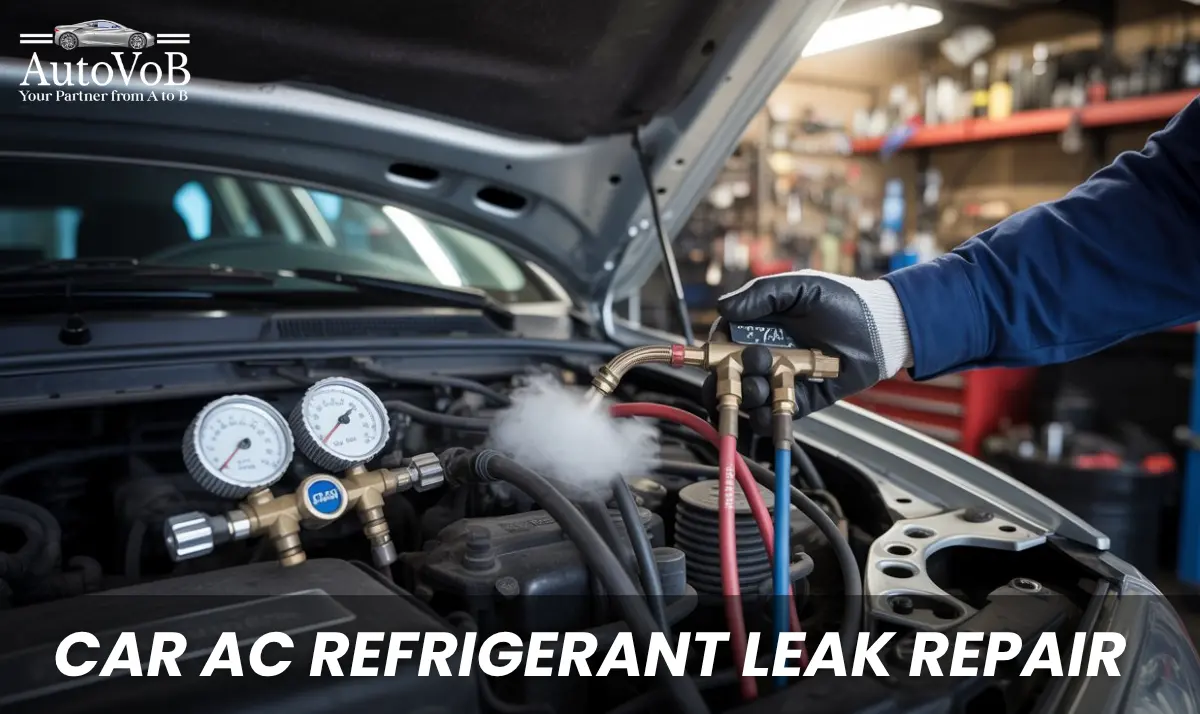
Credit: www.autovob.com
Fixing Common Leak Points
Car air conditioners can leak refrigerant from several places. Finding and fixing these leaks keeps the system working well. This guide covers the most common leak points and how to repair them.
Leaks reduce cooling power and may cause damage. Fixing leaks early saves money and avoids bigger problems.
Sealing Hose Connections
Hose connections often leak due to loose clamps or worn seals. Tightening clamps or replacing seals can stop leaks quickly. Check all hose joints carefully.
- Inspect hoses for cracks or splits
- Tighten any loose clamps
- Replace old rubber seals or O-rings
- Use refrigerant-safe sealant if needed
- Test the system after repairs
Repairing Condenser Damage
The condenser sits in front of the radiator and cools the refrigerant. It can get damaged by stones or debris. Small holes cause leaks that reduce cooling.
| Damage Type | Repair Method | Tools Needed |
|---|---|---|
| Small punctures | Use metal epoxy or condenser sealant | Sandpaper, epoxy kit |
| Bent fins | Straighten with fin comb | Fin comb tool |
| Large holes | Replace condenser | New condenser, wrench set |
Addressing Evaporator Issues
The evaporator is inside the dashboard and cools the air. Leaks here are harder to find. Signs include a loss of cooling or a sweet smell inside the car.
- Use a UV dye test to locate leaks
- Seal small leaks with evaporator sealant
- Replace the evaporator if damage is severe
- Check and clean the drain tube to avoid moisture buildup
Using Stop Leak Products
Car air conditioners can develop leaks that reduce cooling power. Stop leak products help fix these leaks without major repairs.
These products work by sealing small holes and cracks in the AC system. They are an easy and quick way to maintain your car’s AC.
Types Of Stop Leak Solutions
Stop leak products come in different forms. Each type works in a specific way to seal leaks in your car’s AC.
- Liquid Stop Leak:Added to the refrigerant, it flows through the system and seals leaks.
- Aerosol Stop Leak:Sprayed into the AC system through service ports to target leaks.
- Powder Stop Leak:Mixed with refrigerant oil to create a sealing mixture inside the AC.
Choose a product that matches your car’s AC type and the size of the leak.
Application Tips
Using stop leak products correctly is important. Follow these tips for the best results.
- Read the product instructions carefully before use.
- Turn off the engine before adding the stop leak product.
- Add the recommended amount of product to the AC system.
- Run the AC for 10-15 minutes to circulate the product.
- Check for leaks again after applying the product.
- Avoid overusing stop leak products to prevent clogging the system.
Regular maintenance helps prevent leaks and keeps your AC working well.
Recharging The Ac System
Car air conditioners sometimes lose their cooling power due to leaks. Recharging the AC system restores the refrigerant and improves cooling. This process needs care to avoid damage.
Follow the right steps and use the correct refrigerant. This ensures your AC works well and stays safe.
Choosing The Right Refrigerant
Not all refrigerants work for every car model. Check your car manual to find the recommended type. Using the wrong refrigerant can harm the system.
Most modern cars use R-134a or R-1234yf refrigerants. Older cars may use R-12, but it is less common now. Always buy refrigerants from trusted sources.
- Read the car manual for refrigerant type
- Use only recommended refrigerant
- Buy from reliable stores
- Do not mix different refrigerants
Proper Recharging Steps
First, locate the low-pressure service port on the AC system. It usually has a cap labeled “L” or “Low.” Use gloves and goggles for safety.
Attach the recharge hose to the port. Connect the refrigerant can to the hose. Start the engine and turn on the AC to the highest cool setting.
- Check the pressure gauge on the recharge kit
- Slowly open the valve to release refrigerant
- Watch the gauge to avoid overfilling
- Close the valve when the right pressure is reached
- Remove the hose and replace the port cap
Do not overcharge the system. Too much refrigerant can cause damage. If unsure, ask a professional mechanic for help.
Preventing Future Leaks
Fixing a car air conditioner leak is important. Preventing leaks helps keep the system working well.
Regular care and watching the system can stop leaks before they start.
Regular Maintenance Tips
Check your air conditioner often. Clean parts and replace worn pieces on time.
Use the right refrigerant and oil to protect the system from damage.
- Inspect hoses and seals for cracks or damage
- Clean condenser coils regularly
- Replace filters as needed
- Use correct refrigerant type and amount
- Lubricate moving parts to reduce wear
Monitoring System Performance
Watch how your air conditioner cools the car. Notice any drops in cooling power.
Listen for strange noises and check for moisture or oily spots near AC parts.
- Check cooling speed and temperature regularly
- Listen for hissing or unusual sounds
- Look for oily stains or wet spots under the car
- Test system pressure with proper tools
- Have a professional inspect the system yearly

Credit: www.sunautoservice.com
Frequently Asked Questions
How Do I Detect A Leak In My Car Ac?
You can detect an AC leak by checking for oily residue on AC components. A drop in cooling efficiency or hissing sounds also indicate leaks. Using a UV leak detector or soap solution helps locate the exact leak spot quickly and accurately.
What Causes Car Air Conditioner Leaks?
Car AC leaks are usually caused by worn-out seals, damaged hoses, or corrosion. Physical damage from road debris or improper installation can also cause leaks. Regular maintenance can prevent most leaks by keeping the AC system components in good condition.
Can I Fix A Car Ac Leak Myself?
Yes, small leaks can be fixed using DIY repair kits available in stores. However, complex leaks require professional tools and expertise for safe and effective repair. Always follow safety guidelines and consider consulting a mechanic if unsure.
How Much Does It Cost To Fix An Ac Leak?
The cost varies based on leak size and location. Minor repairs may cost $100-$200, while major repairs can exceed $500. Labor charges and replacement parts influence the total price. Getting a professional diagnosis helps estimate accurate costs.
Conclusion
Fixing a car air conditioner leak helps keep you cool and saves money. Small leaks can cause big problems if ignored. Regular checks can catch leaks early. Use proper tools and follow safe steps to fix leaks. When unsure, ask a professional for help.
A working air conditioner makes every drive comfortable. Take care of your car’s AC to avoid costly repairs later. Stay cool and enjoy your rides without worry. Simple steps lead to better car care and comfort.