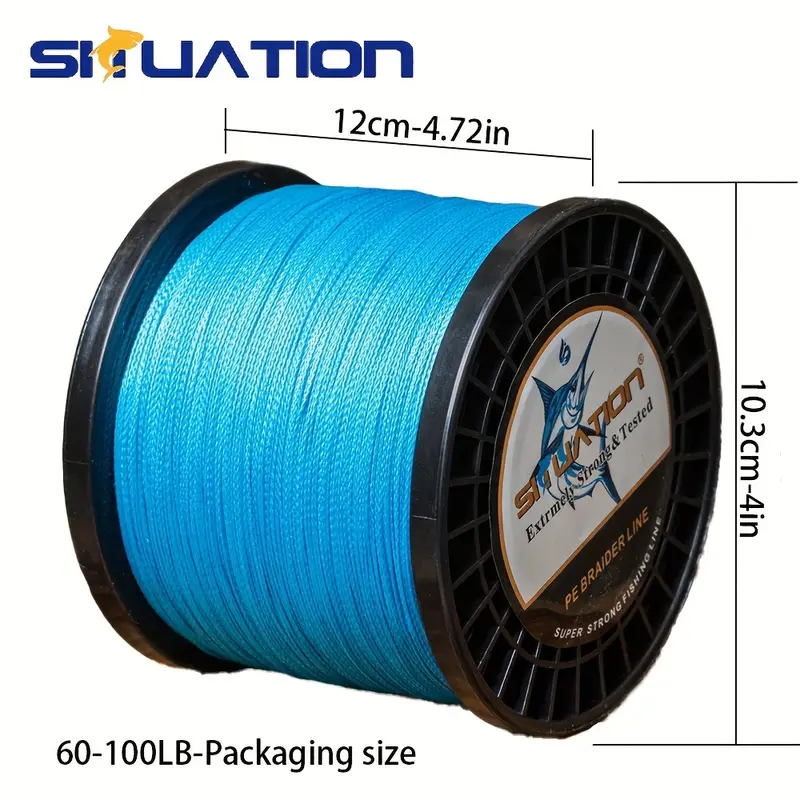
Have you ever wondered just how strong your fishing line really is? Whether you’re a beginner or a seasoned angler, knowing the true strength of your line can make all the difference between landing a big catch or losing it at the last second.
Your fishing line is the unseen hero of every successful trip, but not all lines are created equal. You’ll discover what affects line strength, how to choose the right one for your needs, and tips to avoid common mistakes that could cost you your catch.
Keep reading, and you’ll gain the confidence to fish smarter and stronger every time you cast.
Factors Affecting Fishing Line Strength
Fishing line strength depends on many important factors. Knowing these helps you choose the best line for your needs.
This article covers four key factors that affect how strong fishing line is.
Material Types
Fishing lines come from different materials. Each material has its own strength and stretch features.
- Nylon (monofilament) is soft and stretches well.
- Fluorocarbon sinks faster and resists abrasion.
- Braided lines have high strength and low stretch.
- Each type suits different fishing styles and conditions.
Line Diameter
Thicker lines are usually stronger but more visible in water. Thinner lines are less seen but can break easier.
| Diameter (inches) | Typical Strength (lbs) |
|---|---|
| 0.008 | 4-6 |
| 0.010 | 6-8 |
| 0.014 | 12-15 |
| 0.020 | 20-25 |
Knot Impact
Tying knots can lower line strength. Knots create weak points where lines can break.
- Use strong knots like Palomar or Improved Clinch.
- Wet the line before tightening to reduce damage.
- Trim excess tag ends to avoid snags.
- Practice tying knots to keep them tight and neat.
Wear And Tear
Old or damaged line loses strength. Friction, sun, and water cause wear over time.
| Cause | Effect on Line |
|---|---|
| Sunlight | Weakens fibers, reduces strength |
| Abrasion | Creates small cuts that lead to breaks |
| Water Exposure | Can degrade some materials over time |
| Repeated Use | Causes fatigue and line stretch |
Common Fishing Line Materials
Fishing lines come in different materials, each with unique properties. Choosing the right one affects your fishing success.
Understanding these materials helps anglers pick the best option for their needs. Let’s look at the most common types.
Monofilament
Monofilament lines are popular among anglers. They are made from a single strand of nylon, making them flexible and easy to handle.
- Affordable and widely available
- Good knot strength
- Stretches to absorb shocks
Fluorocarbon
Fluorocarbon lines are nearly invisible underwater. This quality makes them ideal for clear water fishing where fish are easily spooked.
| Characteristic | Benefit |
| Low visibility | Great for stealth |
| Dense material | Sinks faster |
| Durable | Resistant to abrasions |
Braided Lines
Braided lines are made from woven fibers. They offer high strength and thin diameter, making them suitable for heavy-duty fishing.
Measuring Line Strength
Fishing line strength is important for catching fish safely. It shows how much weight the line can hold without breaking.
Understanding line strength helps anglers pick the right line for their fishing needs. It also prevents losing fish or gear.
Pound Test Ratings
Pound test ratings tell you the line’s strength. It shows the maximum weight the line can hold before breaking.
For example, a 10-pound test line can hold about 10 pounds of weight. This rating helps anglers choose the right line for their target fish.
- Higher pound test means stronger line
- Choose based on fish size and fishing conditions
- Keep in mind that actual strength can vary
Breaking Strength Vs. Test Strength
Breaking strength is the real force needed to break the line. Test strength is the manufacturer’s rating for the line.
Test strength is often lower than breaking strength. This gives a safety margin for fishing use.
- Breaking strength is measured under controlled conditions
- Test strength provides a conservative estimate for anglers
- Always respect the test strength to avoid line failure
Testing Methods
Fishing line strength is tested using machines that pull the line until it breaks. This measures breaking strength.
Testing can include different conditions like knots, water, and stretch. These affect line strength in real use.
- Tensile testers pull the line slowly until it breaks
- Knot tests check strength loss when tied
- Environmental tests include water and UV exposure

Credit: www.amazon.com
Durability Factors
Fishing line strength depends on many durability factors. These factors affect how long the line lasts and how well it performs.
Understanding these factors helps anglers choose the right line for their needs. Let’s explore some key durability aspects.
Uv Resistance
UV rays from the sun can weaken fishing line over time. Lines with good UV resistance last longer under sunlight.
UV damage makes the line brittle and more likely to break. Using UV-resistant lines helps maintain strength and flexibility.
Abrasion Resistance
Abrasion happens when the line rubs against rough surfaces like rocks or fish teeth. Strong abrasion resistance prevents cuts and frays.
Lines with high abrasion resistance keep their strength even after scraping many times. This is important for fishing in rough environments.
- Protects line from sharp objects
- Reduces risk of sudden breaks
- Extends line life in tough spots
Water Absorption
Some fishing lines absorb water, which can weaken them. Low water absorption means the line stays strong and light.
Lines that do not soak up water keep their original strength and performance during long fishing trips in wet conditions.
Choosing The Right Line For Your Needs
Fishing line strength matters for a good fishing experience. Picking the right line helps you catch fish without breaking.
Different fishing situations need different line strengths. Consider the fish, environment, and how far you want to cast.
Target Fish Species
The size and type of fish affect the line strength you need. Big fish need stronger lines to hold them.
Using a line too weak may cause it to break. Too strong can make fishing harder and less fun.
- Small fish: 2-6 lb test line
- Medium fish: 8-12 lb test line
- Large fish: 15-30 lb test line or more
Fishing Environment
Water type and surroundings affect line choice. Saltwater can wear out line faster than freshwater.
Rocks, weeds, and other obstacles need stronger or abrasion-resistant lines to avoid snapping.
- Clear water: thinner, less visible line
- Rocky or weedy areas: strong, abrasion-resistant line
- Saltwater: corrosion-resistant line
Casting Distance
Long casts need thinner and lighter lines to fly through the air easily. Thick lines reduce casting distance.
Short casts let you use stronger, thicker lines without losing much distance.
- Long distance: low diameter, light line
- Short distance: thicker, stronger line
- Balance strength and thickness for best results
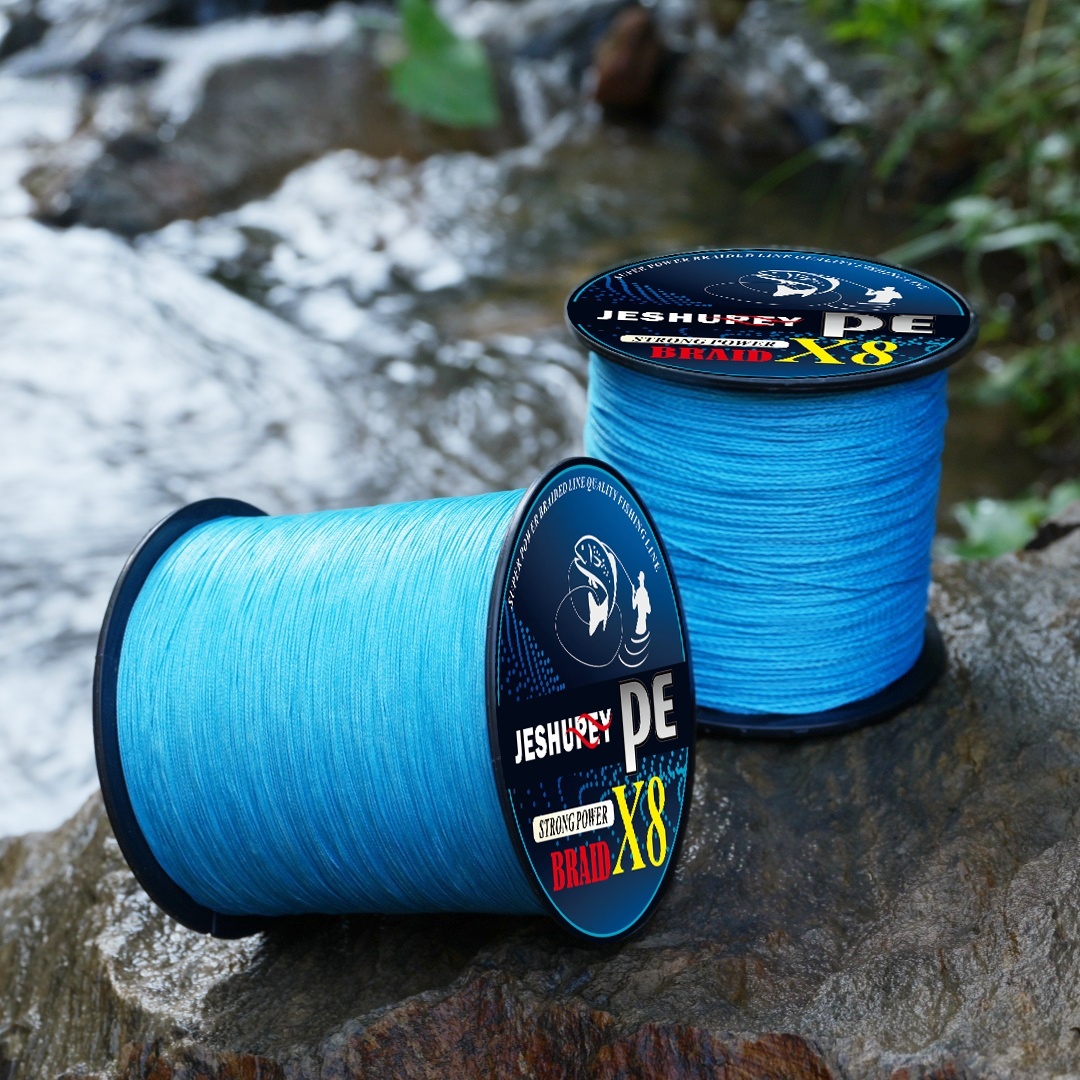
Credit: jeshupey68.com
Tips To Maintain Line Strength
Fishing line strength is key for a successful catch. Keeping your line strong helps avoid breaks and lost fish.
Use simple habits to protect your line. These tips will help you keep your fishing line in great shape.
Proper Storage
Store your fishing line in a cool, dry place. Avoid direct sunlight and heat to stop weakening.
- Keep line away from sharp objects
- Use a sealed container or line spooler
- Do not store line under heavy pressure
- Check the line spool for twists before storing
Regular Inspection
Check your fishing line often for damage. Look for small cuts, frays, or weak spots.
| Inspection Area | What to Check |
| Near the reel | Look for line rubbing on reel parts |
| Along the line | Find nicks or abrasions |
| At knots | Check for slippage or loosening |
Knot Techniques
Use strong knots to keep line strength high. Poor knots can lower the line’s strength.
- Moisten the line before tightening knots
- Pull knots slowly and firmly
- Trim excess line close to the knot
- Practice knots like Palomar or Improved Clinch
Common Mistakes That Weaken Fishing Line
Fishing line strength is key to catching fish. Many anglers lose fish because the line breaks. Some mistakes can make the fishing line weaker.
Knowing these mistakes helps keep the line strong. It also improves your fishing experience and success.
Overusing Old Line
Old fishing line loses its strength over time. Sunlight and water cause the line to break down. Using old line can lead to sudden breaks.
- Replace your line regularly, even if it looks fine
- Store line in a cool, dark place to slow aging
- Check the line for stiffness or discoloration
- Do not use line that has been on the reel for a long time
Improper Knots
Tying knots wrong reduces the line’s strength. A bad knot can slip or break under tension. Use simple, tested knots that hold well.
| Knot Type | Strength Retention |
| Palomar Knot | 90% |
| Improved Clinch Knot | 85% |
| Loop Knot | 80% |
| Square Knot | 40% |
Ignoring Line Damage
Small cuts or abrasions weaken your fishing line. Damage can come from rocks, hooks, or fish teeth. Do not ignore these signs.
Check your line often for:
- Frays or nicks
- Discoloration or fading
- Stiff or brittle spots
- Uneven thickness
Replace damaged sections or the whole line to avoid breaks.
Advancements In Fishing Line Technology
Fishing lines have improved a lot over the years. New materials and designs make lines stronger and easier to use.
Technology helps anglers catch fish better by giving them better lines. Let’s look at some key advancements.
New Materials
Modern fishing lines use materials that offer better strength and durability. These materials help lines resist breaking under pressure.
- Fluorocarbon: Nearly invisible underwater and very strong
- Dyneema: A type of ultra-high-molecular-weight polyethylene
- Gel-spun polyethylene: Very light and very strong
Enhanced Coatings
Coatings on fishing lines reduce friction and protect the line from wear. They also help the line move smoothly through guides.
| Coating Type | Benefit |
| Silicone | Reduces friction for longer casts |
| Teflon | Protects line from abrasion |
| Polyurethane | Improves durability and water resistance |
Smart Lines
Smart lines have features that help anglers know when a fish bites or how much tension is on the line. These help improve fishing success.
- Color-changing lines that show tension changes
- Lines with embedded sensors to detect bites
- Lines that glow in low light for night fishing
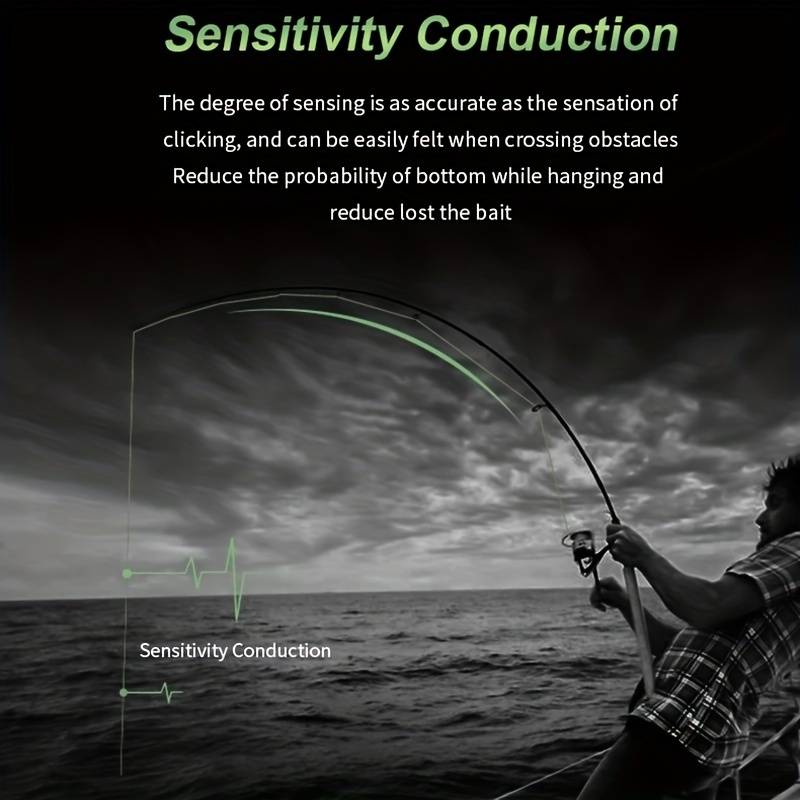
Credit: theraleighbeergarden.com
Frequently Asked Questions
What Determines The Strength Of Fishing Line?
Fishing line strength depends on material, diameter, and construction. Monofilament, fluorocarbon, and braided lines vary in strength. Thicker lines generally hold more weight but may be less sensitive. Understanding these factors helps choose the right line for your fishing needs.
How Is Fishing Line Strength Measured?
Fishing line strength is measured in pounds or kilograms. This rating indicates the maximum weight the line can hold before breaking. Manufacturers test lines under controlled conditions to determine their breaking strength. Always choose a line with a strength suitable for your target fish.
Does Fishing Line Strength Affect Casting Distance?
Yes, stronger fishing lines often have more stiffness. This can reduce casting distance and sensitivity. However, braided lines combine strength with flexibility, improving casting performance. Selecting the right strength balances distance, sensitivity, and durability for your fishing style.
Can Fishing Line Strength Vary With Water Conditions?
Water conditions like temperature and saltwater exposure can affect line strength. Cold water may make some lines more brittle. Saltwater can degrade materials faster. Using lines designed for specific environments ensures optimal strength and longevity.
Conclusion
Fishing line strength depends on many factors like material and thickness. Choose the right line for your fishing needs. Strong lines handle bigger fish and rough conditions well. Always check the line’s breaking strength before fishing. Take care of your line to keep it strong longer.
A good fishing line helps you catch more fish. Remember, knowing line strength makes fishing easier and more fun. Keep these tips in mind next time you fish.