
Are you wondering how often you should rotate the tires on your car? Keeping your tires in good shape is key to your safety and your vehicle’s performance.
But if you’re like most people, tire rotation might not be at the top of your to-do list. The truth is, rotating your tires regularly can save you money, extend tire life, and improve how your car handles on the road.
You’ll discover exactly when and why you need to rotate your tires to get the best from them. Keep reading to protect your investment and keep your drives smooth and safe.
Credit: www.planethyundai.com
Why Tire Rotation Matters
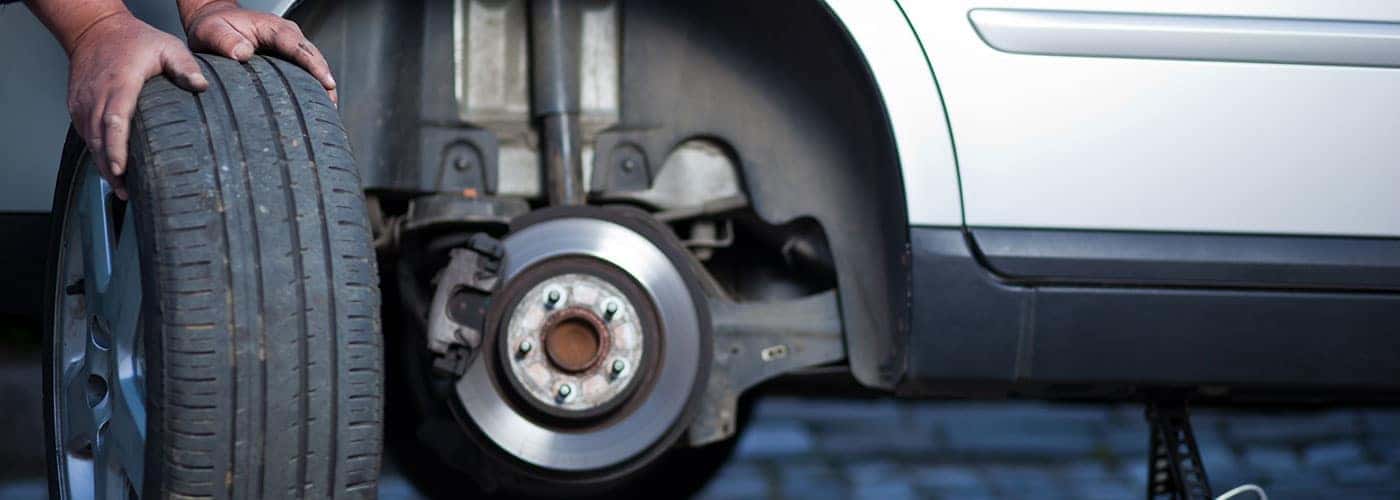
Tire rotation means moving tires from one wheel to another. It helps your tires wear out evenly. This keeps your car running smoothly and safely.
Rotating tires regularly saves money by avoiding early tire replacements. It also improves how your car drives on the road.
Extend Tire Lifespan
Tires wear differently depending on their position on the car. Front tires often wear faster because they steer and brake. Rotating tires spreads out the wear evenly.
Even tire wear means you replace all tires at the same time. This saves money and reduces waste.
- Prevents uneven tire wear
- Helps tires last longer
- Reduces the chance of tire damage
Improve Vehicle Performance
Balanced tires help your car drive better. Rotated tires keep traction on all wheels. This gives smoother handling and better fuel efficiency.
Proper tire rotation keeps your car stable on turns and rough roads. It helps your vehicle respond well to steering commands.
- Improves steering control
- Maintains fuel economy
- Reduces vibration and noise
Enhance Safety On The Road
Worn tires can cause accidents by losing grip. Rotating tires keeps tread depth even on all wheels. This improves braking and traction in rain or snow.
Consistent tire wear helps avoid blowouts and skids. Rotated tires keep your car safer in many driving conditions.
- Improves braking performance
- Reduces risk of tire blowouts
- Maintains better traction on wet roads

Credit: www.hendrickchevroletbirmingham.com
Recommended Rotation Intervals
Rotating your tires regularly helps them wear evenly. This extends their life and improves safety.
Different factors affect how often you should rotate your tires. It’s important to follow the recommended guidelines.
Manufacturer Guidelines
Car manufacturers often provide specific recommendations. These can usually be found in your vehicle’s manual.
- Check the manual for your car’s specific needs.
- Follow the manufacturer’s rotation pattern.
- Use a professional if unsure about the process.
Common Mileage Benchmarks
Many experts suggest rotating your tires every 5,000 to 8,000 miles. These benchmarks help maintain tire health.
| Mileage | Rotation Needed |
| 5,000 miles | Consider rotation |
| 8,000 miles | Recommended rotation |
| 10,000 miles | Necessary rotation |
Factors That Affect Frequency
Several factors influence how often you should rotate your tires. It’s important to consider them for optimal tire maintenance.
- Driving habits:Frequent braking wears tires faster.
- Climate:Extreme temperatures can affect tire wear.
- Road conditions:Rough roads may require more frequent rotations.
Signs You Need A Tire Rotation
Tires wear out unevenly if you do not rotate them often. Rotating tires helps all tires wear evenly.
Look for signs that show your car needs a tire rotation to keep it safe and smooth.
Uneven Tire Wear
Check your tires for uneven wear patterns. Some tires may look more worn than others.
Uneven wear happens because front and rear tires carry different loads and forces.
- More wear on one side of the tire
- Bald spots on some tires
- Different tread depths across tires
Vibrations While Driving
You may feel shaking or vibrations through the steering wheel or floor. This can mean tire imbalance.
Rotating tires can fix this by spreading out the wear and balancing the tires better.
- Shaking at certain speeds
- Vibration felt in steering wheel or seat
- Worse on rough or smooth roads
Handling And Traction Issues
Your car may pull to one side or feel less stable. This can happen when tires wear unevenly.
Rotating tires helps keep good traction and better control on the road.
- Car pulls left or right while driving
- Less grip on wet or slippery roads
- Longer stopping distances
Tire Rotation Patterns
Rotating your tires keeps them wearing evenly. This helps your car drive safely and smoothly.
Different cars need different tire rotation patterns. These depend on whether your car is front-wheel, rear-wheel, or all-wheel drive.
Front-wheel Drive Patterns
Front-wheel drive cars have the engine and power going to the front wheels. This makes the front tires wear faster.
- Move the front tires straight back to the rear.
- Cross the rear tires to the front.
- This pattern helps balance wear between front and rear tires.
Rear-wheel Drive Patterns
Rear-wheel drive cars send power to the back wheels. The rear tires wear faster in this setup.
| Position | Rotation Direction |
|---|---|
| Rear Tires | Move straight to front |
| Front Tires | Cross to rear |
All-wheel Drive Patterns
All-wheel drive cars send power to all tires. They need a special pattern to keep all tires balanced.
- Move the front tires to the rear on the same side.
- Move the rear tires to the front, crossing sides.
- Check your owner’s manual for exact patterns.
Diy Vs Professional Rotation
Rotating your tires keeps your car safe and improves tire life. You can do it yourself or hire a pro. Each choice has its benefits and tools.
Learn what you need for DIY rotation, how to do it, and why professionals may be a better option for some drivers.
Tools You’ll Need
- Car jack and jack stands
- Lug wrench or impact wrench
- Torque wrench
- Wheel chocks
- Gloves and safety glasses
- Owner’s manual for tire pattern
Having these tools makes DIY tire rotation safer and easier. Without them, the job can be risky and difficult.
Step-by-step Rotation Process
- Park your car on a flat surface and apply the parking brake.
- Place wheel chocks behind the wheels to stop movement.
- Loosen lug nuts slightly before lifting the car.
- Use the car jack to lift one corner and secure it with jack stands.
- Remove the wheel and follow the rotation pattern in your manual.
- Mount the wheel in the new position and hand-tighten lug nuts.
- Lower the car and use a torque wrench to tighten lug nuts properly.
- Repeat for each wheel until all are rotated.
Follow each step carefully to avoid damage or injury. If unsure, consider professional help.
Benefits Of Professional Service
| Benefit | DIY | Professional |
| Safety | Requires caution and skill | Handled by trained technicians |
| Tools | Must have all tools | All tools provided |
| Time | Takes longer for beginners | Usually faster |
| Accuracy | Depends on your skill | Precise and reliable |
| Inspection | Limited to your knowledge | Includes full tire and brake check |

Credit: www.worldfordpensacola.com
Additional Tire Maintenance Tips
Keeping your tires in good shape helps your car run safely and smoothly. Simple care habits can make your tires last longer.
Below are some extra tips that go beyond just rotating your tires. These will help you maintain tire health all year.
Checking Tire Pressure
Check tire pressure at least once a month. Proper pressure avoids uneven wear and improves gas mileage.
- Use a reliable tire pressure gauge.
- Check pressure when tires are cold.
- Refer to your car’s manual for recommended pressure.
- Adjust air levels if needed.
- Inspect tires for cracks or bulges.
Balancing And Alignment
Balanced and aligned tires help your car drive straight and reduce tire wear. Signs of imbalance include shaking or vibration.
| Service | Recommended Frequency | Benefits |
| Tire Balancing | Every 6,000 to 8,000 miles | Reduces vibration, extends tire life |
| Wheel Alignment | Annually or if steering pulls | Improves handling, prevents uneven wear |
Seasonal Tire Considerations
Change tires based on weather conditions. Using the right tires for the season improves safety and tire life.
Follow these seasonal tips:
- Switch to winter tires before snow falls.
- Use summer tires in warm months for better grip.
- Store off-season tires in a cool, dry place.
- Check tire tread depth regularly.
Frequently Asked Questions
How Often Should I Rotate My Car Tires?
Tire rotation is recommended every 5,000 to 7,500 miles. This helps ensure even tire wear, extending tire life and improving safety. Check your vehicle’s owner manual for specific intervals based on your car model and driving habits.
Why Is Tire Rotation Important For My Car?
Rotating tires balances tread wear across all tires. It improves traction, handling, and fuel efficiency. Regular rotation prevents premature tire replacement and enhances overall vehicle performance and safety on the road.
Can I Rotate Tires Myself Or Need A Mechanic?
You can rotate tires yourself if you have the right tools and knowledge. However, a mechanic ensures proper rotation pattern and tire balance, which is crucial for safety and tire longevity.
What Happens If I Don’t Rotate My Tires?
Not rotating tires causes uneven tread wear. This reduces tire lifespan, decreases fuel efficiency, and compromises vehicle handling. It can also lead to costly premature tire replacements and safety risks.
Conclusion
Tire rotation keeps your car safe and smooth on the road. Rotating tires every 5,000 to 7,500 miles helps wear them evenly. This saves money by making tires last longer. Uneven tire wear can cause poor handling and reduce fuel efficiency.
Regular checks also spot problems early. Remember, healthy tires improve your car’s performance and safety. Set a schedule and stick to it. Your car will thank you with better rides and fewer repairs. Simple care makes a big difference. Keep your tires rotating for a safer drive.