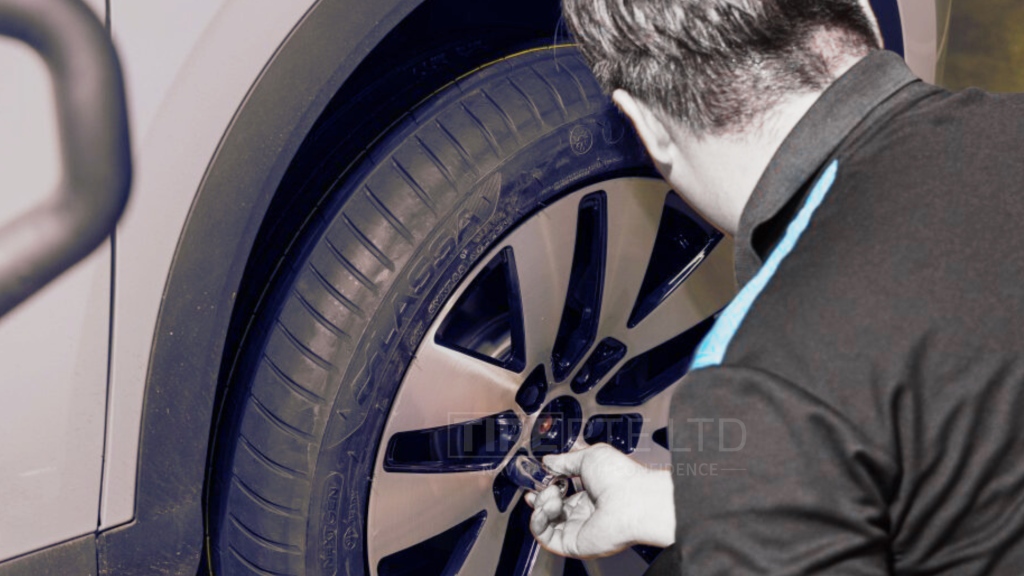
Your car’s tires are the only part touching the road, so keeping them in good shape is crucial. But how often should you rotate tires on a car to get the most out of them?
If you skip this simple step, you could face uneven wear, reduced safety, and costly replacements sooner than you expect. You’ll discover the best timing for tire rotation, why it matters, and how it can save you money and keep your ride smooth.
Keep reading to make sure your tires last longer and your drive stays safe.

Credit: www.daleearnhardtjrbuickgmc.com
Importance Of Tire Rotation
Tire rotation means moving tires from one position to another. This helps tires wear evenly. It keeps your car running smoothly.
Rotating tires regularly is a simple way to protect your investment. It also helps keep you safe on the road.
Extending Tire Lifespan
Tires wear differently depending on their position. Front tires often wear faster than rear ones. Rotating them balances the wear.
Even tire wear means your tires last longer. You spend less money on new tires over time.
- Prevents uneven tread wear
- Reduces risk of tire damage
- Delays need for tire replacement
Improving Vehicle Safety
Uneven tires can cause your car to pull to one side. This affects how well you control the car. Rotated tires keep your car balanced.
Good tire grip helps with braking and cornering. This lowers the chance of accidents.
- Maintains even tire traction
- Improves braking performance
- Enhances vehicle handling and stability
Enhancing Fuel Efficiency
Tires that wear evenly roll smoothly. This reduces the effort your engine needs to move the car. Your car uses less fuel.
Rotated tires help keep the right tire pressure. Proper pressure also saves fuel.
- Reduces rolling resistance
- Helps maintain proper tire pressure
- Improves overall fuel economy
Recommended Rotation Intervals
Rotating your tires regularly helps them wear evenly. This keeps your car safe and extends tire life.
Knowing the right time to rotate tires depends on several factors. Follow guidelines to avoid uneven wear.
Manufacturer Guidelines
Car makers suggest tire rotation every 5,000 to 8,000 miles. This varies by vehicle type and tire model.
- Check your owner’s manual for exact intervals.
- Some tires need rotation more often than others.
- Follow the pattern recommended by the manufacturer.
Factors Affecting Rotation Frequency
Several things change how often you should rotate tires. These include driving style and road conditions.
| Factor | Impact on Rotation |
| Driving Habits | Aggressive driving wears tires faster, so rotate more often. |
| Road Type | Rough roads cause uneven wear; increase rotation frequency. |
| Vehicle Type | Front-wheel drive cars may need more frequent rotations. |
| Tire Type | Performance tires might require quicker rotations. |
Signs You Need To Rotate Tires
Watch for these signs that show you should rotate your tires soon.
- Tires wear unevenly or have bald spots.
- Your car pulls to one side while driving.
- Vibrations in the steering wheel or seat.
- Noises like thumping when the car is moving.
- Tread depth is lower on some tires than others.
Rotation Patterns For Different Vehicles
Tire rotation is important for even wear. It extends the life of your tires. Different vehicles need different patterns.
Here, we explore rotation patterns. Learn about front-wheel, rear-wheel, all-wheel drive, and special tire types.
Front-wheel Drive Patterns
Front-wheel drive cars are common. They need specific rotation patterns for even wear.
- Move front tires to the rear on the same side.
- Cross the rear tires to the front.
Rear-wheel Drive Patterns
Rear-wheel drive vehicles have a different pattern. This helps balance tire wear effectively.
| Position | Rotation Direction |
| Front Left | To Rear Left |
| Front Right | To Rear Right |
| Rear Left | To Front Right |
| Rear Right | To Front Left |
All-wheel Drive Patterns
All-wheel drive cars need careful tire rotation. Even wear is crucial due to power distribution to all wheels.
Directional And Staggered Tires
Directional and staggered tires require special attention. These tires have specific rotation needs.
Directional tires should only be rotated front to back on the same side. Staggered tires need more care, often rotated by professionals.
Diy Vs Professional Tire Rotation
Rotating tires helps your car drive smoothly and last longer. You can do it yourself or hire a professional. Each way has its own benefits and needs.
We will look at the tools you need, how to rotate tires step-by-step, and why a professional service might be better.
Tools Needed For Diy Rotation
You need a few basic tools to rotate your tires at home. Having the right tools makes the job safer and easier.
- Car jack to lift the vehicle
- Jack stands for safety support
- Lug wrench to remove and tighten wheel nuts
- Torque wrench to tighten lug nuts to the right pressure
- Wheel chocks to stop the car from moving
- Gloves to protect your hands
Step-by-step Rotation Process
Follow these steps to rotate your tires correctly and safely by yourself.
- Park on a flat surface and apply the parking brake.
- Place wheel chocks behind the wheels that will stay on the ground.
- Loosen the lug nuts slightly before lifting the car.
- Use the jack to lift one corner of the car and place a jack stand under it.
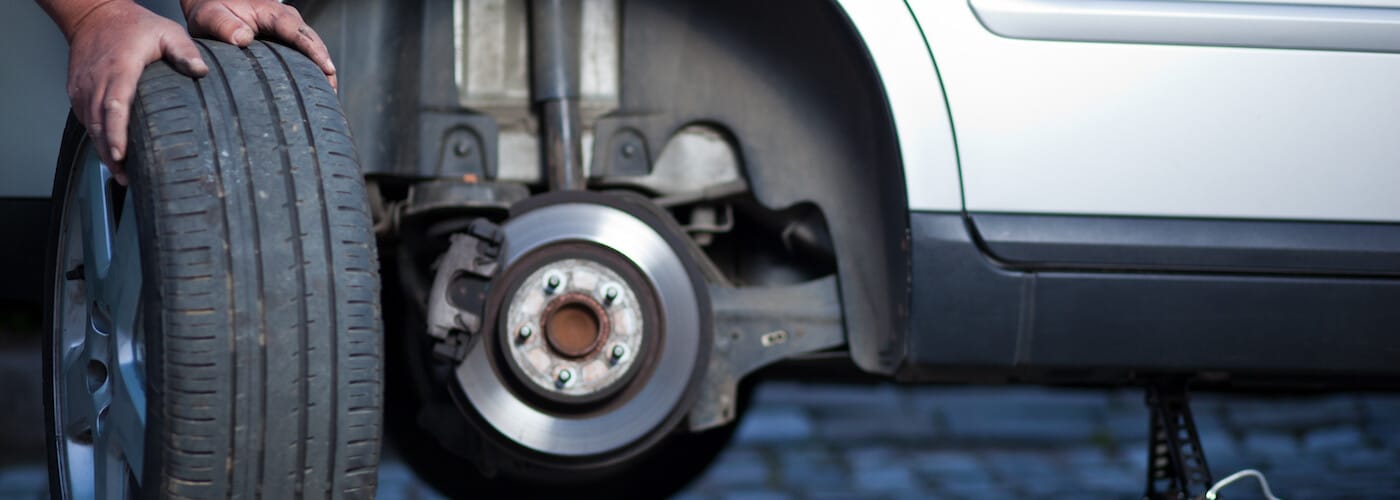
- Remove the wheel and move it to the new position (check your car’s rotation pattern).
- Put the wheel back on and hand-tighten the lug nuts.
- Lower the car and tighten the lug nuts with the torque wrench to the correct specification.
- Repeat for all tires following the rotation pattern.
- Double-check all lug nuts for tightness.
Benefits Of Professional Service
Getting your tires rotated by a professional saves time and ensures the job is done right. They have experience and tools you may not have.
| Benefit | DIY | Professional |
| Safety | Depends on your skill | High with trained staff |
| Tools | Must provide own | All included |
| Time | Longer, learning curve | Faster and efficient |
| Accuracy | Risk of mistakes | Precise and correct torque |
| Cost | Low cost for tools | Service fee applies |
Additional Tire Maintenance Tips
Proper tire care helps your car drive safely and saves money. Rotating tires is important, but other checks also keep tires healthy.
Regular maintenance can extend tire life and improve fuel efficiency. Learn some simple tips to care for your tires well.
Checking Tire Pressure
Check tire pressure at least once a month. Proper pressure keeps tires wearing evenly and improves gas mileage.
Use a tire pressure gauge to measure the air inside tires. Fill or release air to match the car maker’s recommended level.
- Check pressure when tires are cold for accurate reading
- Inspect all four tires and the spare tire
- Look for signs of slow leaks or damage
Balancing And Alignment
Balancing and alignment keep tires rolling smoothly. Unbalanced tires cause vibration and uneven wear.
Alignment ensures tires point in the right direction. Misalignment can make steering hard and wear tires quickly.
- Have tires balanced when you replace or rotate them
- Check alignment if the car pulls to one side
- Listen for unusual noises or vibrations while driving
Inspecting For Wear And Damage
Look at tires often for signs of wear or damage. Uneven wear means a problem with rotation, balance, or alignment.
Check for cuts, cracks, or bulges on the tire surface. Damaged tires can fail and cause accidents.
- Use a penny to check tire tread depth
- Replace tires if tread is too low or damage is severe
- Keep tires clean and free from debris
Credit: www.capitalchev.ca

Credit: www.worldfordpensacola.com
Frequently Asked Questions
How Often Should Car Tires Be Rotated?
Car tires should be rotated every 5,000 to 7,500 miles. This helps even out tire wear and extends tire life. Check your vehicle’s manual for specific recommendations. Regular rotation improves performance and safety by maintaining balanced traction.
What Happens If Tires Are Not Rotated Regularly?
Not rotating tires causes uneven wear, reducing tire lifespan. It can lead to poor handling, decreased fuel efficiency, and increased risk of blowouts. Regular rotation ensures even tread wear, improving safety and saving money on premature tire replacement.
Can Tire Rotation Improve Fuel Efficiency?
Yes, regular tire rotation helps maintain even tread wear, which improves rolling resistance. Balanced tires reduce engine strain and improve fuel efficiency. Rotating tires as recommended contributes to better gas mileage and lower fuel costs over time.
Does Tire Rotation Affect Vehicle Handling?
Rotating tires maintains even tread wear, which improves vehicle handling and stability. Uneven tires can cause pulling or vibrations. Regular rotation ensures balanced traction and safer driving, especially in wet or slippery conditions.
Conclusion
Rotating your tires regularly keeps your car safe and smooth. It helps tires wear evenly and last longer. Most experts suggest rotating tires every 5,000 to 7,500 miles. Checking your car’s manual can give exact advice. Skipping tire rotation can cause uneven wear and poor handling.
Taking a little time for this task saves money and worries later. Good tire care means better fuel efficiency and safer drives. Simple steps make a big difference on the road. Keep your tires healthy, and enjoy a safer ride every day.