Are you ready to enjoy the thrill of fishing but unsure how to cast your rod? Learning how to cast a fishing rod might seem tricky at first, but with the right steps, you can master it quickly.
Imagine feeling the excitement as your line sails smoothly over the water, ready to catch your first big fish. In this guide, you’ll discover simple, clear tips that will boost your confidence and make your fishing trips more fun. Keep reading, and you’ll be casting like a pro in no time!

Credit: www.youtube.com
Choosing The Right Rod And Reel
Picking the right fishing rod and reel is important for beginners. It helps you cast better and enjoy fishing more.
Knowing the types of rods and reels makes your choice easier. Matching them well improves your fishing experience.
Types Of Fishing Rods
Fishing rods come in different types based on length and action. Each type works best for certain fish and water.
- Spinning rods are light and easy to use for small fish.
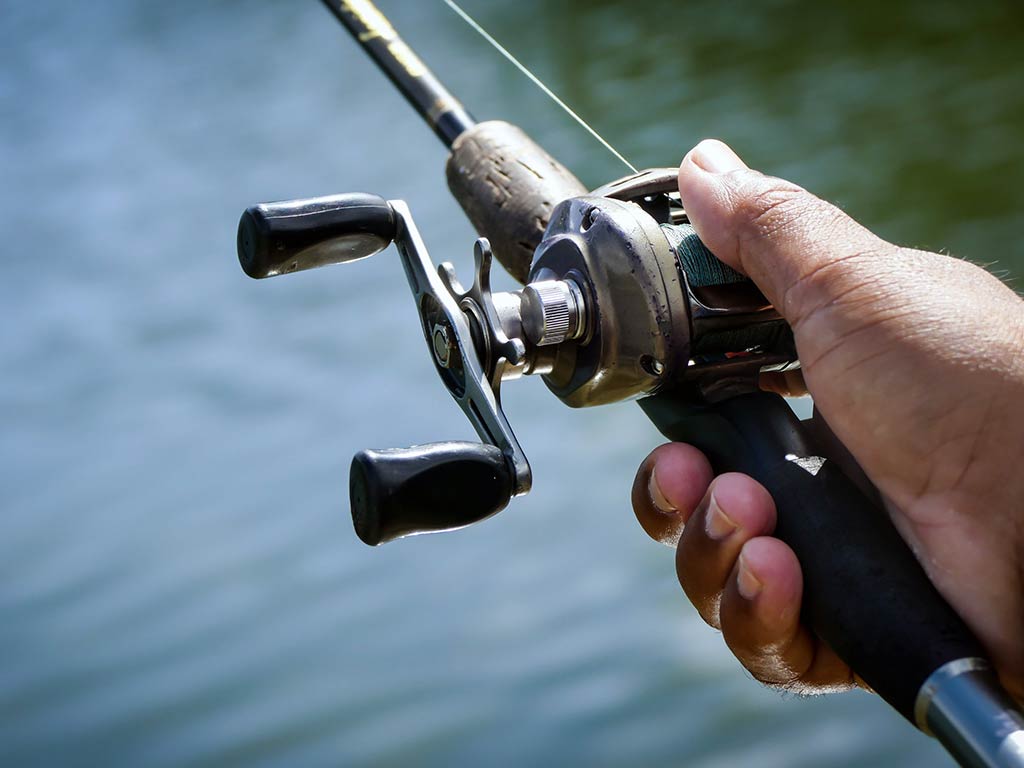
- Baitcasting rods offer more control and power for bigger fish.
- Fly rods are made for fly fishing with special lines.
- Telescopic rods collapse for easy transport.
Selecting A Suitable Reel
Reels hold and release the fishing line. Choose a reel that matches your rod and fishing style.
- Spinning reels are simple and good for beginners.
- Baitcasting reels give better casting accuracy.
- Fly reels are used with fly rods and special lines.
- Spincast reels are easy to use but less precise.
Matching Rod And Reel
Pairing the right rod and reel helps you cast smoothly. Match the reel size to the rod’s power and length.
| Rod Type | Best Reel Type | Notes |
|---|---|---|
| Spinning rod | Spinning reel | Good for light lines and small fish |
| Baitcasting rod | Baitcasting reel | Offers control for heavier lines |
| Fly rod | Fly reel | Designed for fly fishing setup |
| Telescopic rod | Spinning or spincast reel | Easy to carry and use |
Essential Fishing Gear
Fishing is a relaxing and rewarding hobby. To get started, you need the right gear. This guide covers the basics every beginner should know.
Having the right equipment makes your fishing experience enjoyable. Let’s explore the essentials you need to begin.
Fishing Line Options
Fishing lines come in different types and strengths. Choosing the right one depends on the type of fish you aim to catch.
- Monofilament line is flexible and easy to use.
- Braided line is strong and thin, suitable for deep waters.
- Fluorocarbon line is invisible underwater, great for clear water.
Picking The Right Bait And Lures
Bait and lures attract fish to your line. Different fish prefer different baits, so choose wisely.
- Worms are great for freshwater fishing.
- Crankbaits mimic small fish and attract predators.
- Spinnerbaits create vibrations that lure fish.
Additional Accessories
Besides the main gear, some accessories can enhance your fishing trip. These items make fishing more convenient and enjoyable.
- Tackle box keeps your hooks and lures organized.
- Fishing net helps you land bigger fish safely.
- Polarized sunglasses reduce water glare and improve vision.
Preparing Your Rod
Getting your fishing rod ready is key for a good fishing trip. Proper preparation helps you cast better and catch more fish.
This guide will cover setting up the reel, threading the line, and attaching hooks and baits.
Setting Up The Reel
Attach the reel firmly to the rod’s reel seat. Make sure it fits snugly and does not wobble.
Check that the reel handle turns smoothly. This makes casting and reeling easier.
Threading The Line
Thread the fishing line through the guides on the rod, starting from the tip down to the reel.
- Open the reel’s bail arm to allow free line movement.
- Pass the line through each guide carefully.
- Tie the line to the spool using an arbor knot.
- Close the bail arm and tighten the line by turning the reel handle.
Attaching Hooks And Baits
Choose the right hook size for the fish you want to catch. Smaller hooks work for small fish, and bigger hooks for larger fish.
| Hook Size | Fish Type | Recommended Bait |
|---|---|---|
| 6-10 | Small Fish | Worms, Insects |
| 2-5 | Medium Fish | Minnows, Small Shrimp |
| 1/0 – 4/0 | Large Fish | Large Worms, Cut Bait |

Credit: www.youtube.com
Basic Casting Techniques
Casting a fishing rod is a key skill for anglers. It helps you place your bait where the fish are.
Learning the basic casting techniques makes fishing easier and more fun. Let’s look at the main moves.
Grip And Stance
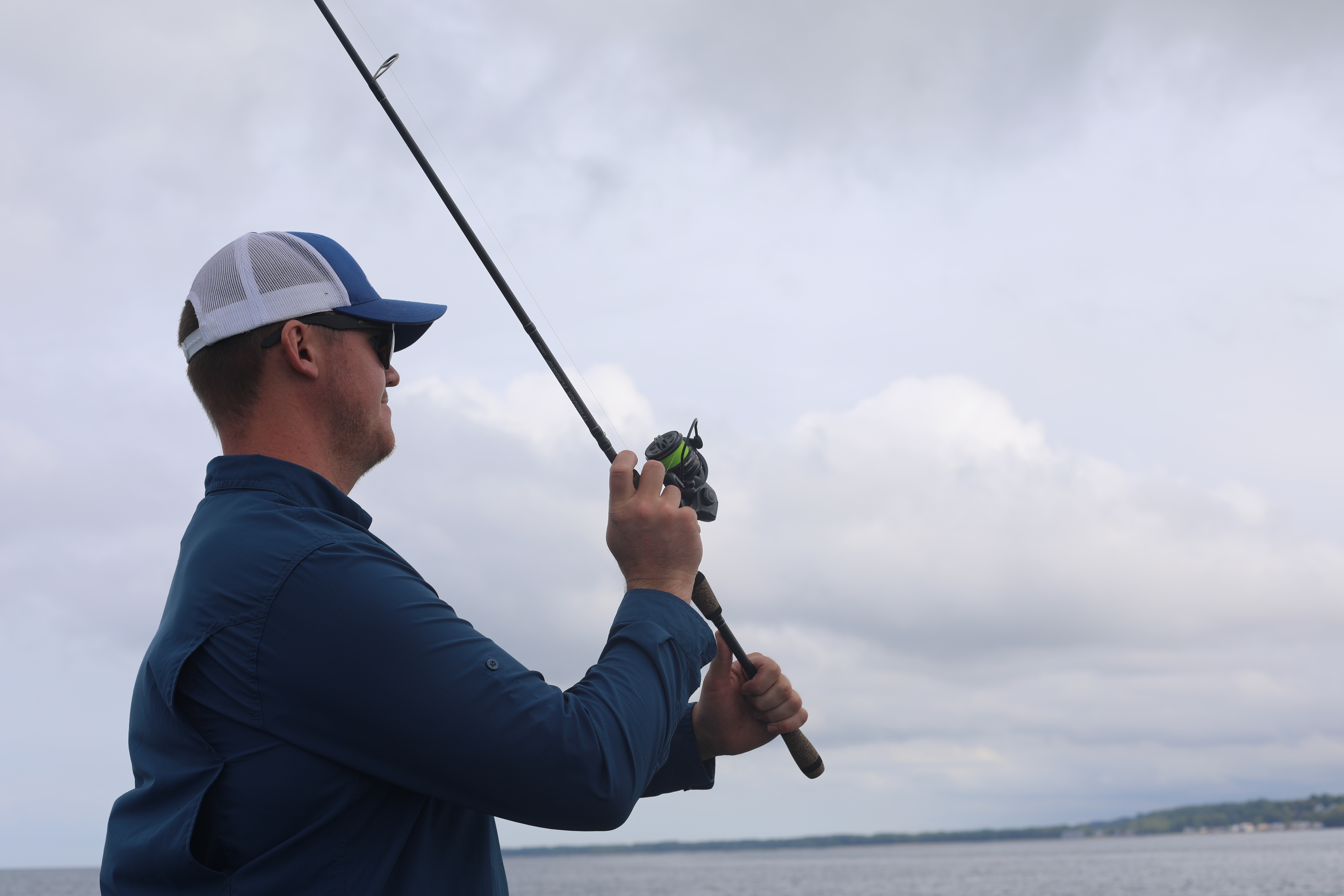
Hold the rod firmly but not too tight. Use your dominant hand around the handle.
Stand with your feet shoulder-width apart. Face the direction you want to cast.
- Place your index finger on the rod above the reel.
- Keep your back straight and knees slightly bent.
- Balance your weight evenly on both feet.
Back Cast Movement
Lift the rod smoothly behind you. Stop when the rod tip points just above your head.
Watch the line as it unrolls behind you. Keep your wrist firm and arm relaxed.
- Start the cast with a slow lift.
- Pause briefly when rod tip is above your head.
- Allow the line to straighten behind you.
Forward Cast Movement
Bring the rod forward quickly. Stop when the rod tip points at your target.
Release the line by lifting your finger off the rod. Let the bait fly out smoothly.
- Start the forward cast with a quick motion.
- Stop sharply to send energy to the line.
- Release your finger to let the line go.
Common Casting Mistakes
Casting a fishing rod takes practice and patience. Many beginners make simple errors that can stop their line from flying smoothly. Learning to avoid these mistakes will help you cast better and catch more fish.
This guide covers common casting problems like overcasting, line tangles, and timing errors. Fixing these will improve your fishing experience.
Overcasting Issues
Overcasting happens when you throw the rod too hard or too far. It can cause your lure to land far beyond your target. This wastes energy and may scare fish away.
- Keep your wrist firm but relaxed to avoid extra force.
- Focus on smooth rod movement, not power.
- Watch your lure and stop casting once it reaches your target.
- Practice short casts before trying long ones.
Line Tangles And How To Avoid Them
Line tangles, also called bird nests, occur when the line twists during casting. Tangled lines slow you down and can cause breakage. Avoid tangles by keeping your reel and line in good condition.
| Cause | How to Fix |
| Loose line on the reel | Tighten the spool tension |
| Incorrect line threading | Check guides and reel setup |
| Wrong casting speed | Use steady, controlled motion |
| Old or damaged line | Replace line regularly |
Timing Errors
Timing errors happen when the rod is released too early or too late. This stops your lure from flying far or straight. Good timing makes casting easier and more accurate.
- Start your cast by pulling the rod back smoothly.
- Release the line when the rod tip points toward your target.
- Practice counting or using a rhythm to help your timing.
- Watch experienced anglers and copy their timing.
Credit: www.fishusa.com
Practice Tips For Beginners
Learning to cast a fishing rod takes practice and patience. Beginners need to work on their technique often.
Good practice habits help build skill and make fishing more fun. Here are some tips for beginners.
Choosing A Practice Spot
Pick a safe, open place to practice casting. Avoid areas with many people or obstacles.
Look for spots like a large backyard, park, or empty field. Make sure there is enough space to swing the rod.
- Clear area with no overhead wires or trees
- Soft ground to avoid damage if tackle falls
- Room to practice different casting distances
Drills To Improve Accuracy
Try drills that focus on hitting a target. Accuracy is important for catching fish near cover or structure.
Set up simple targets like buckets or markers at different distances. Practice casting to each one.
- Cast to a target 10 feet away
- Try casting to targets at 20 and 30 feet
- Practice smooth, controlled rod movements
- Focus on releasing the line at the right moment
Building Confidence
Start with short casts and simple movements. Gradually increase distance as you feel more comfortable.
Record your practice sessions or ask a friend for feedback. Celebrate small improvements to stay motivated.
- Practice regularly to build muscle memory
- Stay relaxed to avoid tension in your arm
- Repeat the same cast several times before moving on
- Focus on steady breathing and smooth actions
Advanced Casting Tips
Once you know how to cast a fishing rod, you can improve your skills. These tips will help you cast better and catch more fish.
Practice these techniques to handle different fishing conditions and lures with ease.
Adjusting For Wind Conditions
Wind can change the direction of your cast. Learn to adjust your aim to keep control.
Cast slightly into the wind to avoid your lure drifting off course. Use a lighter lure on windy days.
- Face the wind for better control
- Use a smooth, controlled casting motion
- Choose heavier lures to resist wind
- Shorten your cast if the wind is strong
Casting Distance Tricks
To cast farther, use a longer, smooth motion. Don’t rush your cast.
Keep your rod tip low and accelerate steadily for more power and accuracy.
- Use your whole arm, not just your wrist
- Release the line when the rod is at 10 o’clock
- Practice timing for a clean release
- Use rods designed for longer casts
Using Different Lures Effectively
Different lures need different casting styles. Match your cast to the lure type.
Heavy lures require strong casts. Light lures need gentle, accurate casts to avoid tangles.
- Cast farther with heavy spoons and jigs
- Use short casts for soft plastics
- Slow your retrieve with spinnerbaits
- Adjust your cast angle to avoid snagging
Safety And Maintenance
Fishing is fun, but safety is very important. Taking care of your gear helps it last long. This guide covers how to handle hooks safely, clean your fishing gear, and store your equipment well.
Handling Hooks Safely
Fishing hooks are sharp and can hurt you if not handled well. Always watch your hands when baiting or casting. Keep hooks covered when not in use to avoid accidents.
- Use pliers to remove hooks from fish
- Keep hooks in a tackle box when not fishing
- Wear gloves if you are new to fishing
- Never swing your rod near others
- Dispose of old or rusty hooks safely
Cleaning And Caring For Gear
Cleaning your fishing rod and reel after each trip keeps them working well. Dirt and salt can damage parts if left on. Use fresh water and a soft cloth for cleaning.
| Item | Cleaning Method | Frequency |
| Fishing Rod | Wipe with fresh water and dry cloth | After every use |
| Fishing Reel | Rinse gently, oil moving parts | After every use |
| Fishing Line | Check for damage, replace if needed | Monthly or after heavy use |
Storing Your Equipment
Proper storage keeps your fishing gear safe and ready. Store rods in a cool, dry place away from direct sunlight. Keep reels in their cases or boxes to avoid dust and damage.
- Store rods vertically or in a rack to prevent bending
- Keep reels dry and lightly oiled
- Organize tackle boxes to find hooks and lures easily
- Check gear regularly for signs of wear or rust
Frequently Asked Questions
How Do Beginners Hold A Fishing Rod Properly?
Beginners should grip the rod firmly but comfortably. Hold the handle with your dominant hand and support the rod with your other hand. Keep your wrist relaxed to maintain control and reduce fatigue while casting.
What Is The Best Casting Technique For Beginners?
The overhead cast is ideal for beginners. It involves lifting the rod behind you and smoothly flicking it forward. This technique helps achieve distance and accuracy without tangling the line.
How Far Should Beginners Cast Their Fishing Line?
Start with short casts around 10-20 feet. Focus on accuracy before distance. Gradually increase your casting range as you gain confidence and control over the rod.
When Should Beginners Release The Fishing Line During Casting?
Release the line when the rod tip reaches about 10 o’clock position. This timing ensures the lure travels smoothly and reaches your target area without slack.
Conclusion
Casting a fishing rod takes practice and patience. Start slow and focus on your form. Keep your eyes on the target. Feel the rod’s movement as you cast. Don’t worry about mistakes; they help you learn. Try different techniques to find what works best.
Enjoy the process and time outdoors. With each cast, you will improve. Fishing can be a relaxing and fun hobby. Keep practicing, and soon casting will feel natural.